+971 55 447 8664 +971 50 514 7060 [email protected]

Blog

How to Choose Cantilever Racking Systems?

How to Choose Cantilever Racking Systems?

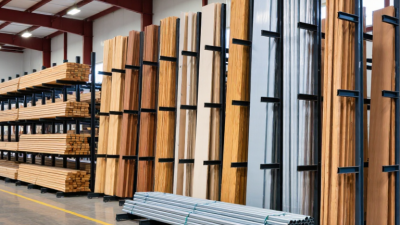
Choosing Cantilever Racking Systems is not simply a matter of comparing prices or steel thickness. The right system must match your materials, available floor space, handling equipment, and daily workflow. Long products create different risks than boxed inventory. Timber, pipes, metal bars, and furniture panels may bend, roll, or shift when stored poorly. John Nofsinger, a long-serving Rack Manufacturers Institute executive, emphasizes, “Rack selection must begin with the load, the space, and the way people work.” This principle remains practical. Measure the longest and heaviest items first. Then examine forklift access, aisle width, ceiling height, and expected stock movement. A rack that looks efficient on paper may become awkward when operators need to retrieve a six-meter pipe. Small details matter. Arm length, column spacing, base design, and load distribution all affect performance. Adjustable arms can support changing inventory, while braced frames may provide better stability for demanding applications. Outdoor storage introduces another concern: moisture, wind, drainage, and corrosion protection should be reviewed before installation. Local building and workplace requirements must also guide the design. Experience often reveals uncomfortable mistakes. Businesses sometimes select a system around today’s stock, then outgrow it within a year. Others focus on maximum capacity without considering access speed. Neither approach is ideal. A dependable choice balances structural safety, operational efficiency, future growth, and maintenance. This guide explains how to evaluate Cantilever Racking Systems carefully, while recognizing that every warehouse has different constraints. Professional assessment is still worthwhile, especially when loads are unusually long, heavy, or irregular.
Read more »

Ethan By:Ethan - October 19, 2026
How to Choose Heavy Duty Storage Racks?

How to Choose Heavy Duty Storage Racks?

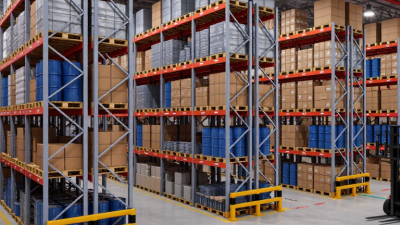
Choosing Heavy Duty Storage Racks requires more than comparing prices and steel thickness. A suitable system must match the products, building, workflow, and safety expectations of the facility. Pallets filled with metal parts create different demands than cartons, drums, or long construction materials. Weight distribution matters too. A rack may support a stated load only when beams, frames, and connections are installed correctly. Experienced warehouse planners begin with accurate measurements. Record ceiling height, aisle width, floor condition, forklift turning space, and emergency access. Then review each rack’s rated capacity, beam span, upright design, and adjustable levels. Supplier documentation should explain testing methods, installation requirements, and inspection guidance. Independent engineering advice can help when loads are unusual or the floor has limitations. Small details often decide whether a rack performs well. Check for chipped coatings, bent uprights, loose anchors, and overloaded shelves during routine inspections. Protect corners near forklift routes with guards. Label every level clearly. Keep heavier goods low whenever practical. The cheapest option may not be the most economical. Poor access can slow picking, while weak planning can create replacement costs. Still, capacity calculations are not the whole decision. Future growth, seasonal inventory, and changing package sizes deserve attention. A layout that works today might become restrictive next year. That possibility is easy to overlook. Reliable selection combines field experience, verified specifications, and disciplined maintenance. When uncertainty remains, pause and ask for qualified advice. Safe storage is not simply about holding more goods. It is about supporting daily work with predictable performance.
Read more »
Ethan By:Ethan - October 19, 2026
10 Tips for Buying Pallet Racking Systems

10 Tips for Buying Pallet Racking Systems

Buying Pallet Racking Systems is not simply a matter of choosing the tallest frames or the lowest quoted price. It is a warehouse decision that affects safety, storage density, picking speed, and future operating costs. A practical evaluation begins with your actual inventory: pallet dimensions, load weights, turnover rates, forklift clearances, and available floor space. Measure twice. Experienced warehouse managers also examine the building itself. Floor capacity, column locations, ceiling height, lighting, sprinkler clearance, and traffic routes can change the right configuration. A system that looks efficient on paper may create blind corners or awkward forklift turns after installation. Small details matter. This guide presents ten useful tips for selecting Pallet Racking Systems with greater confidence. It considers selective racks, drive-in designs, push-back storage, and other common options. Each choice should match the products, handling equipment, and daily workflow. Manufacturer specifications are valuable, but they should not replace professional site assessment or engineering review. Be realistic about growth. A rack layout filled to maximum capacity may leave no room for seasonal inventory or safer movement. Budgeting should include anchors, guards, installation, inspections, repairs, and staff training. The cheapest proposal is not always the most reliable one. That lesson is easy to miss. Some recommendations may need adjustment for your facility. Warehouse conditions differ. Local building requirements and recognized safety standards should always be verified with qualified professionals. Careful planning cannot remove every risk, but it can make hidden problems visible before equipment arrives. A thoughtful purchase protects products, workers, and long-term performance.
Read more »
Oliver By:Oliver - October 19, 2026