1. Shift to High-Yield Cold-Formed Steels with Lower Carbon Footprints
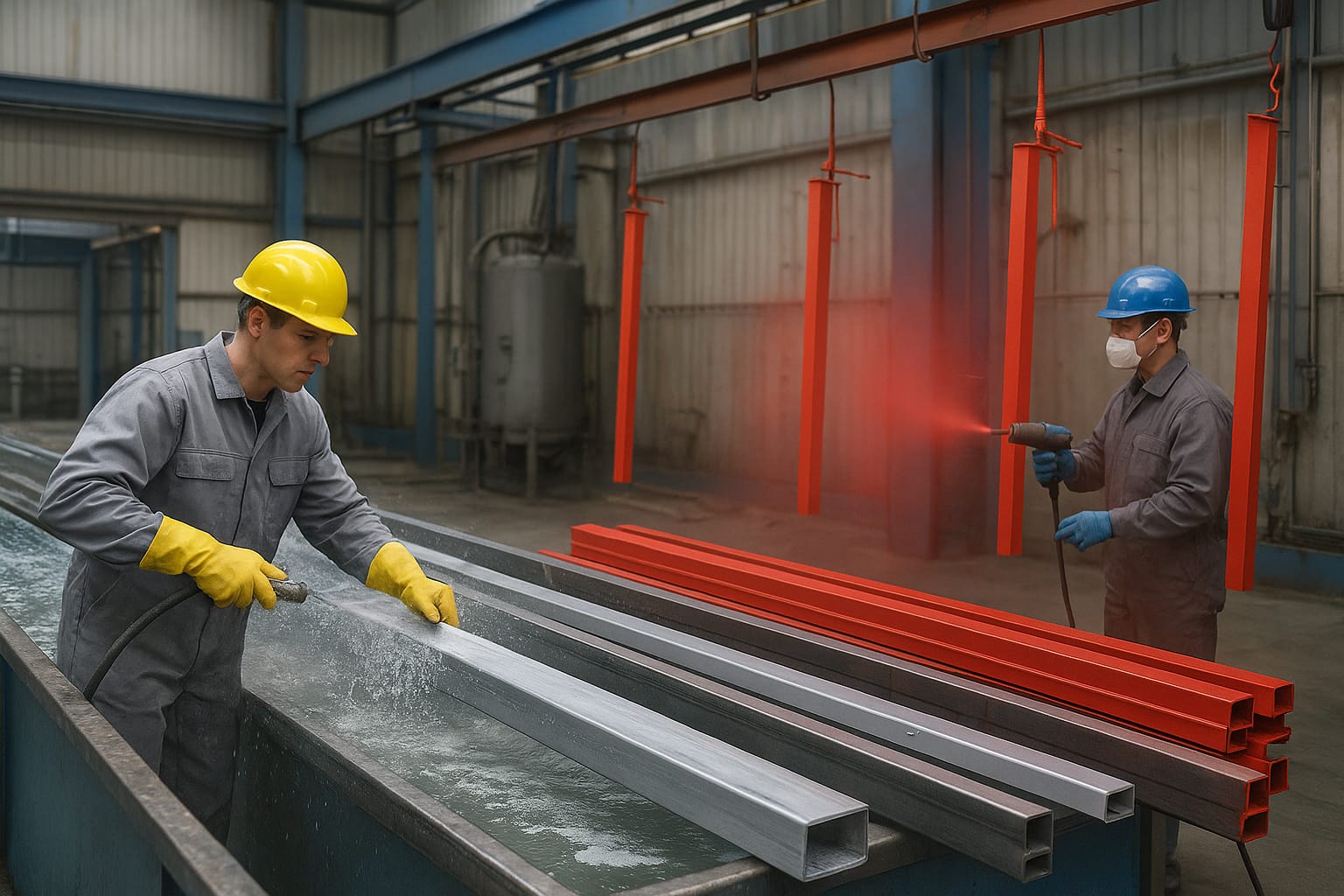
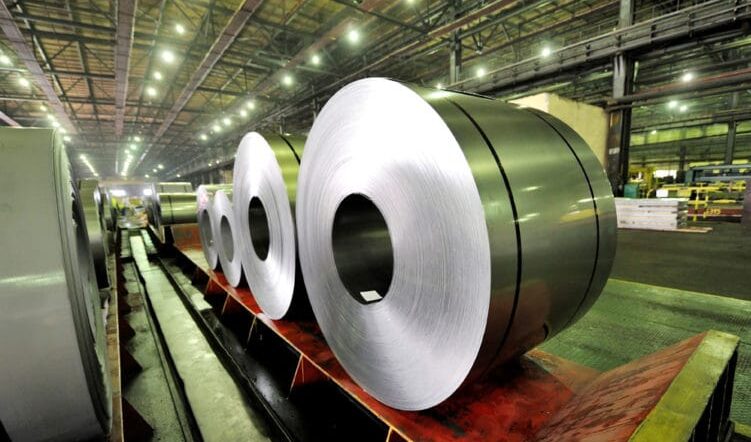
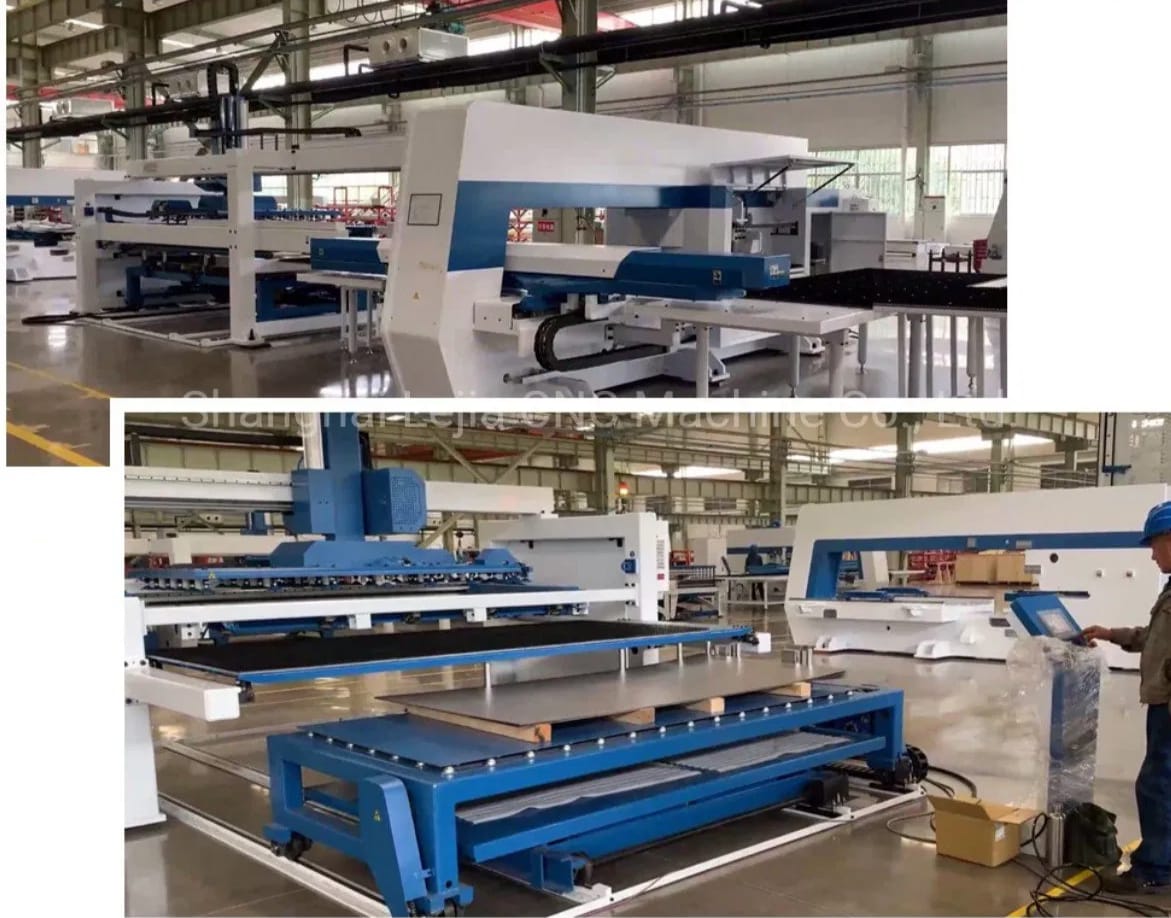
Modern B2B enterprise procurement teams are prioritizing supplier Environmental Product Declarations (EPDs). Sourcing is shifting away from heavy, over-engineered hot-rolled profiles toward high-yield, cold-formed structural steel alloys (such as S350GD and S420MC). By leveraging higher yield strength, roll-forming lines produce thinner-walled profiles that achieve identical load-bearing capacity with 18% to 24% less total steel weight. This directly lowers raw material procurement costs and reduces ocean freight shipping emissions.
2. Integrated AMR & Goods-to-Person (G2P) Compatibility
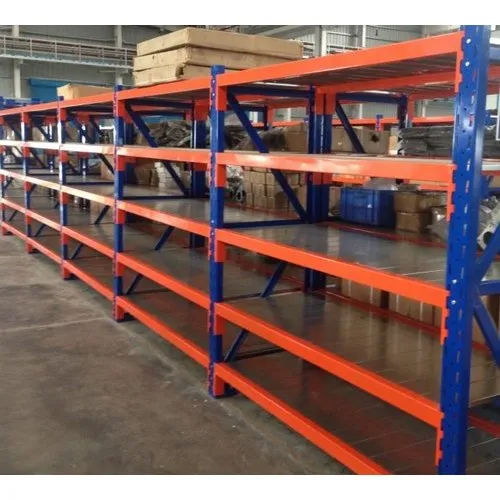
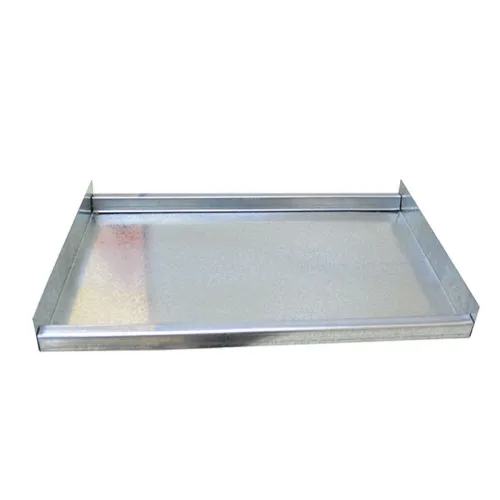
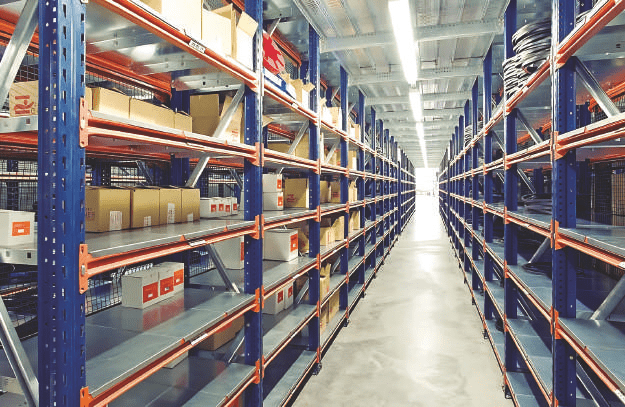
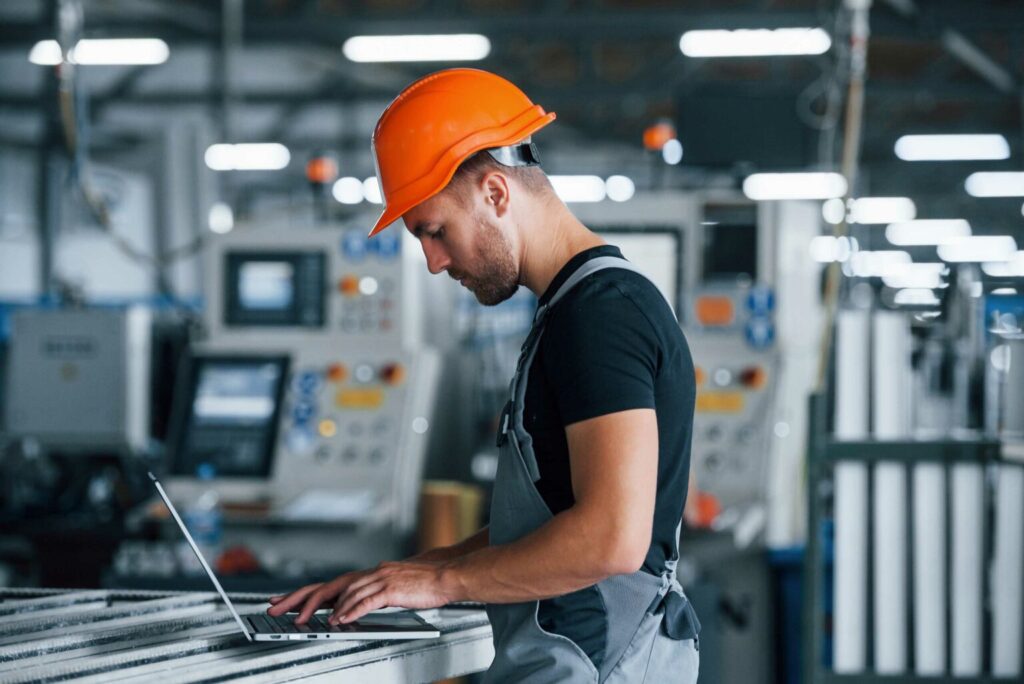
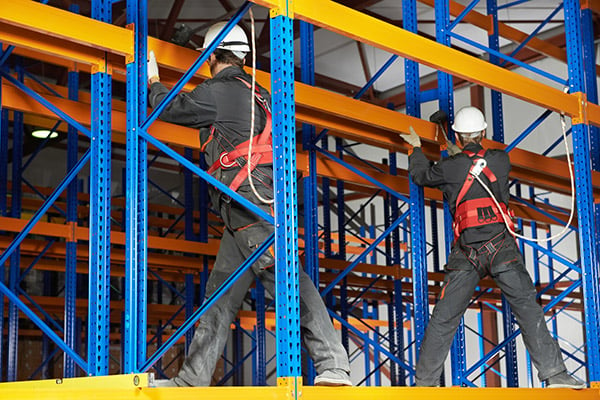
Longspan shelving is no longer viewed as purely static warehouse furniture. International 3PL and omni-channel fulfilment centers increasingly require wide-span bays designed to operate seamlessly alongside Autonomous Mobile Robots (AMRs) and automated sorting bots. Modern procurement specifications dictate base clearance heights suitable for robotic drive-units, zero bolt-head projections on aisle uprights to avoid optical sensor interference, and flush deck dividers for bin-location automation.
3. Regional Manufacturing Hubs Over Volatile Long-Haul Logistics
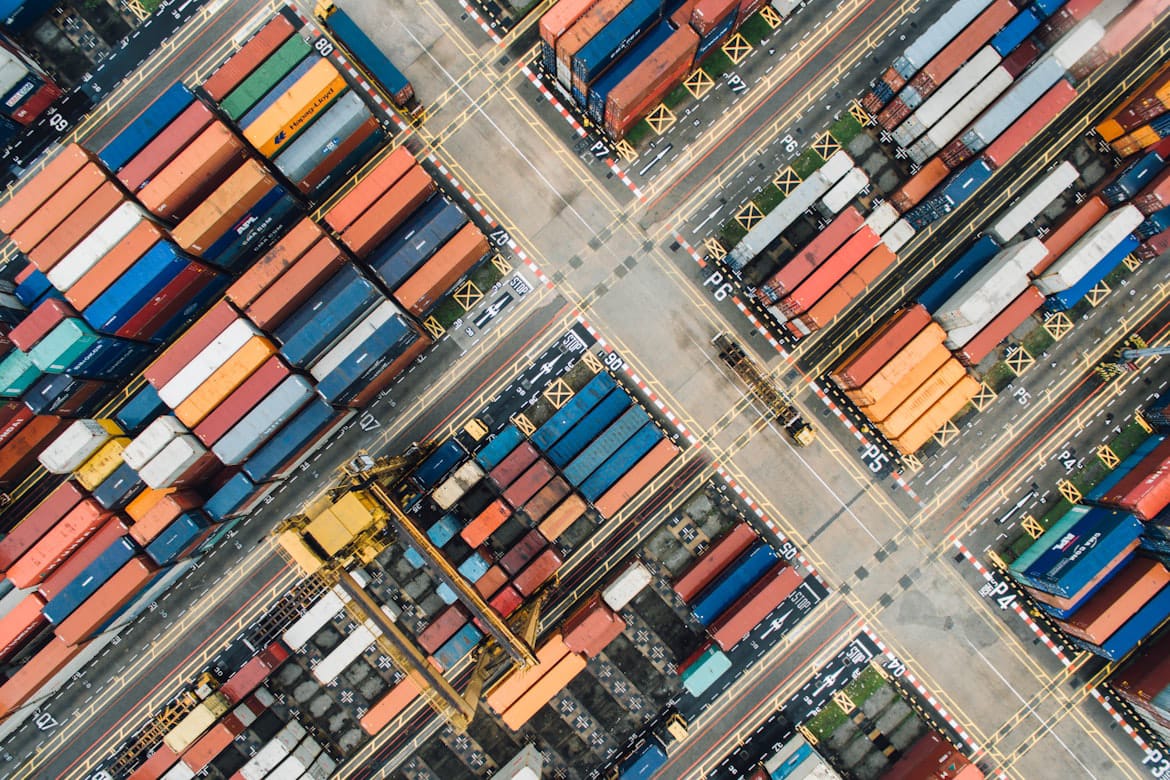
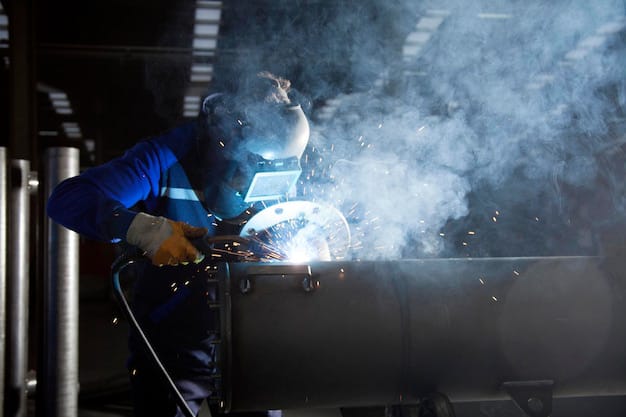
Disruptions in global ocean shipping lanes and unpredictable container transit times have led multinational corporations to pivot toward agile, regional manufacturing hubs. Direct fabrication out of the UAE (Ajman Free Zone) offers strategic transit access connecting the Middle East, East Africa, South Asia, and European ports within 10 to 18 days. Working directly with an integrated fabricator eliminates middleman markups, gives procurement managers real-time factory floor visibility, and slashes lead times from months down to weeks.