
+971 55 447 8664 +971 50 514 7060 [email protected]
0%

Buying Pallet Racking Systems is not simply a matter of choosing the tallest frames or the lowest quoted price. It is a warehouse decision that affects safety, storage density, picking speed, and future operating costs. A practical evaluation begins with your actual inventory: pallet dimensions, load weights, turnover rates, forklift clearances, and available floor space. Measure twice.

Experienced warehouse managers also examine the building itself. Floor capacity, column locations, ceiling height, lighting, sprinkler clearance, and traffic routes can change the right configuration. A system that looks efficient on paper may create blind corners or awkward forklift turns after installation. Small details matter.

This guide presents ten useful tips for selecting Pallet Racking Systems with greater confidence. It considers selective racks, drive-in designs, push-back storage, and other common options. Each choice should match the products, handling equipment, and daily workflow. Manufacturer specifications are valuable, but they should not replace professional site assessment or engineering review.

Be realistic about growth. A rack layout filled to maximum capacity may leave no room for seasonal inventory or safer movement. Budgeting should include anchors, guards, installation, inspections, repairs, and staff training. The cheapest proposal is not always the most reliable one. That lesson is easy to miss.

Some recommendations may need adjustment for your facility. Warehouse conditions differ. Local building requirements and recognized safety standards should always be verified with qualified professionals. Careful planning cannot remove every risk, but it can make hidden problems visible before equipment arrives. A thoughtful purchase protects products, workers, and long-term performance.
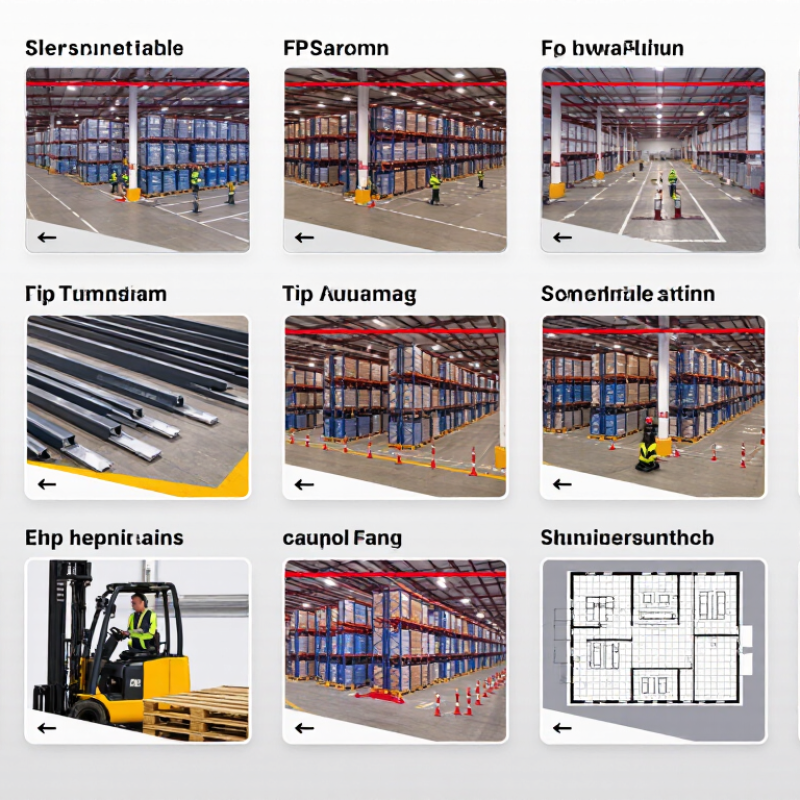
10 Tips for Buying Pallet Racking Systems

Define Your Storage Needs and Warehouse Objectives

10 Tips for Buying Pallet Racking Systems

Define Your Storage Needs and Warehouse Objectives

Buying pallet racking should begin with a clear picture of daily warehouse work. Count pallets, product types, and inventory changes over a typical month. Do not rely only on today’s stock levels. Seasonal demand can quickly turn open aisles into crowded passageways.

Measure the building carefully. Record clear height, column locations, door positions, floor condition, and emergency access routes. A rack may fit on paper but fail beside a loading door. Note the pallet dimensions and weights too. Uneven loads require different support choices. Product turnover also matters. Fast-moving goods usually need easier access than reserve inventory.

Talk with the people who use the warehouse. Forklift operators often notice blind corners, difficult turning points, and unsafe reaching habits before managers do. Their experience can expose practical problems in an otherwise neat layout. Check travel distance, picking time, replenishment frequency, and future expansion goals. These details help connect storage capacity with operating costs.

Do not maximize capacity blindly. Narrower aisles may add locations but reduce handling speed. Higher beams may require equipment changes, training, and stronger floor planning. A simple spreadsheet helps compare options, although it can miss awkward daily behavior. Walk the proposed layout with tape on the floor. Then challenge the plan. Would two loaded forklifts pass safely? Can damaged pallets be isolated? Some assumptions will need revision.

Measure Available Space and Plan the Racking Layout

Measure Available Space and Plan the Racking Layout

Measure the building before choosing any pallet racking system. Record length, width, clear height, columns, doors, sprinklers, lighting, and floor drains. A 48-by-40-inch pallet needs more than its footprint. Add beam clearance, handling tolerance, and safe working space. ANSI MH1 lists these pallet dimensions as a common industry reference.

Use a scaled drawing, not a rough sketch. Mark forklift routes, pedestrian crossings, emergency exits, and areas needing maintenance access. The 2024 MHI Annual Industry Report found that 55% of surveyed supply-chain professionals already use cloud computing. A simple digital layout can test slotting changes before steel arrives. It can also expose an awkward aisle early.

Keep fast-moving pallets near shipping doors, but do not block staging areas. Measure the tallest load, including wrap and uneven cartons. Then check the required vertical clearance between each load and the beam above it. OSHA requires storage areas to remain stable and free from hazards. That sounds obvious. It is often missed.

In practice, I have seen layouts fail because one column was measured incorrectly. Recheck every dimension. Leave room for future inventory growth, but avoid oversized aisles that waste capacity. The WERC DC Measures report tracks space utilization as a key distribution-center benchmark. Yet maximum density is not always better. A tighter layout may slow picking, increase turning difficulty, and create costly daily friction.

10 Tips for Buying Pallet Racking Systems: Measure Available Space and Plan the Racking Layout

Use these representative planning dimensions to compare pallet, rack, aisle, and pedestrian clearances before selecting a pallet racking system. Final measurements should be confirmed against the forklift model, pallet type, building conditions, and local safety requirements.

Reference dimensions: a EUR-pallet footprint is 1.20 × 0.80 m; rack depth and aisle widths are typical planning values and may vary by equipment and layout.

Compare Racking Types, Load Capacities, and Materials

10 Tips for Buying Pallet Racking Systems

Racking selection starts with the load, not the price. Selective racks offer direct access to every pallet, while drive-in systems increase density by reducing aisles. Push-back racks suit multiple pallets per product, but they need disciplined loading. Cantilever racks handle long materials more safely than improvised pallet storage.

According to the 2024 MHI Annual Industry Report, 55% of supply-chain leaders planned to increase technology investment. That trend makes accurate inventory access increasingly valuable.

Still, high density can slow picking. It is not always better.

Compare capacities carefully. A quoted capacity may apply to one beam level, one bay, or a complete frame. Check pallet weight, beam span, vertical spacing, load distribution, and expected impact.

ANSI MH16.1-2023 provides design requirements for industrial steel storage racks, including structural and seismic considerations.

Steel remains the practical choice because it offers predictable strength and repairable components. However, thicker steel does not automatically mean a safer system. Floor condition, anchoring, forklift traffic, and installation quality matter just as much.

The U.S. Bureau of Labor Statistics reported 1,700 nonfatal workplace injuries involving forklifts in 2023. That figure is a reminder that rack protection deserves a real budget.

I have seen purchase decisions focus too narrowly on maximum capacity. That is an easy mistake.

Ask for stamped load plaques, engineering calculations, inspection procedures, and a clear replacement plan before approving the layout.

Verify Safety Standards, Installation, and Future Expansion

When buying pallet racking, safety documentation deserves more attention than appearance. Ask for load ratings, material specifications, and inspection records before comparing prices. Confirm that the design follows applicable local safety standards and building requirements. Seismic conditions may also affect anchoring and frame selection. A rack that looks strong can still be incorrectly rated.

Installation quality matters just as much. Use trained installers who understand floor conditions, upright alignment, beam locking, and anchor placement. Request torque records and a practical handover inspection. Check aisle widths with the actual forklift model, not a brochure measurement. Walk around the finished system. Look for bent frames, missing safety pins, loose guards, or uneven feet. Small defects become expensive problems.

Think beyond today’s inventory. Leave room for extra bays, taller loads, and changing pallet sizes. Confirm that future beams will match the frame capacity and connection design. Ask whether the floor can support the planned expansion. Keep drawings, load signs, and inspection dates in a shared file. I have seen expansion plans fail because one aisle was forgotten. That mistake is easy to prevent, but only when someone reviews the layout honestly. Growth rarely follows the original sketch.

Evaluate Costs, Suppliers, Warranties, and Long-Term Value

10 Tips for Buying Pallet Racking Systems

Evaluate Costs, Suppliers, Warranties, and Long-Term Value

Measure your warehouse twice before requesting quotes. A few incorrect centimeters can reduce aisle access and storage capacity. List pallet sizes, load weights, ceiling height, forklift clearance, and future inventory changes. Ask for a layout based on your actual workflow, not a generic drawing. Compare the full cost, including delivery, installation, inspections, repairs, and possible floor reinforcement. The cheapest quote may become expensive after installation.

Ask suppliers for engineering calculations, material specifications, safety documentation, and recent project references. Check whether their team understands your operating environment and can provide practical installation guidance. Ask about lead times and replacement parts. Get every promise in writing. Small details matter.

Review the warranty carefully. Confirm coverage periods, excluded damage, inspection duties, and response times for defects. A long warranty has limited value if claims are difficult or repairs stop operations. Consider corrosion protection, adjustability, and the cost of changing beam levels later. I once focused too heavily on the purchase price and underestimated installation disruption. That mistake changed my evaluation process. Leave room.

Inspect sample components when possible. Check weld quality, coating consistency, connection fit, and protective features. Include independent safety inspections in your budget. Maintain clear load signs and training records after installation. Recalculate capacity when storage practices change. A spreadsheet helps, but it cannot replace an experienced site review. Ask for proof.

FAQS

What should be measured before choosing a pallet racking system?

Measure length, width, clear height, columns, doors, sprinklers, lighting, and floor drains. Recheck every dimension.

Why should a warehouse use a scaled layout?

A scaled drawing reveals blocked exits, awkward aisles, and difficult forklift turns before installation. Rough sketches can mislead.

How much space does a pallet require?

Plan beyond the pallet footprint. Include beam clearance, handling tolerance, vertical gaps, and safe working space.

Which rack type suits different storage needs?

Selective racks provide direct access. Drive-in racks increase density. Push-back racks suit multiple pallets per product.

When are cantilever racks more suitable?

Cantilever racks suit long materials. They are safer than improvised pallet storage for items extending beyond standard pallets.

What details should be checked when comparing load capacities?

Check pallet weight, beam span, vertical spacing, load distribution, and impact exposure. Capacity labels can describe different rack parts.

Is thicker steel always safer?

No. Floor condition, anchoring, forklift traffic, installation quality, and rack protection also affect safety.

What should be included when comparing supplier quotes?

Compare delivery, installation, inspections, repairs, floor reinforcement, replacement parts, and future adjustments. The lowest quote may cost more later.

What warranty details deserve careful review?

Confirm coverage periods, excluded damage, inspection duties, and defect response times. A long warranty may still be difficult to use.

How can a warehouse prepare for future changes?

Leave practical expansion space and choose adjustable components. Recalculate capacity when pallet sizes or storage practices change.

What safety documents should a supplier provide?

Request engineering calculations, material specifications, load plaques, inspection procedures, and installation guidance. Ask for proof.

Why should warehouse teams budget for independent inspections?

Inspections can identify poor connections, damaged protection, and unsafe loading. Spreadsheets cannot replace an experienced site review.

What common planning mistake should buyers avoid?

Do not focus only on maximum capacity or purchase price. Tight aisles can slow picking and increase turning difficulty.

Conclusion

Buying Pallet Racking Systems requires careful planning to ensure the solution matches your warehouse needs. Start by defining the types, quantities, and turnover rates of the goods you store, along with your goals for capacity, accessibility, and workflow efficiency. Measure the available floor area, ceiling height, aisles, columns, doors, and emergency routes before creating a practical racking layout. Compare suitable racking types by load capacity, adjustability, durability, and material quality, making sure the design can safely support your inventory.

Safety and long-term performance should guide the final decision. Confirm that the system meets applicable safety requirements, and choose qualified professionals for installation, inspection, and maintenance. Consider whether the layout can be expanded or modified as your business grows. Finally, evaluate the complete cost, including delivery, installation, accessories, and future maintenance, rather than focusing only on the purchase price. A reliable supplier, clear warranty terms, responsive service, and strong long-term value can help create a safer, more efficient, and adaptable storage operation.

Oliver

Oliver

Oliver is a dedicated marketing professional with a strong understanding of product strategy, customer needs, and market trends. As a key contributor to the company’s content and communications team, he regularly updates the corporate blog with practical, informative articles that help readers......