Custom-fabricated drawer racking, sliding die shelves, and crane-integrated mold shelving systems engineered for injection molders, stamping plants, and heavy fabrication centers.
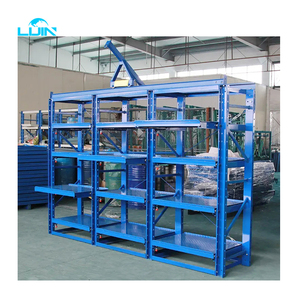
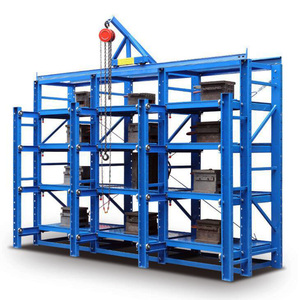
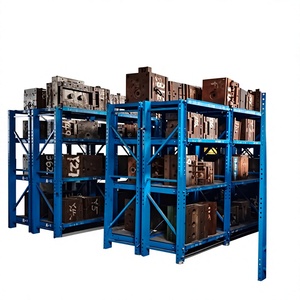
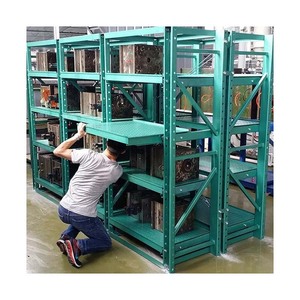
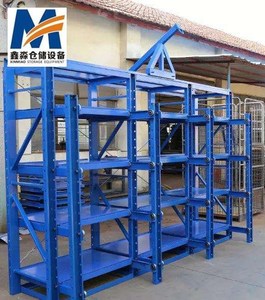
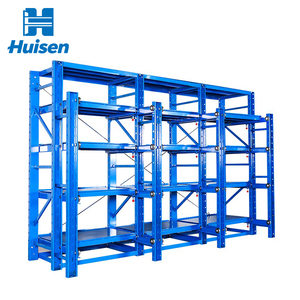
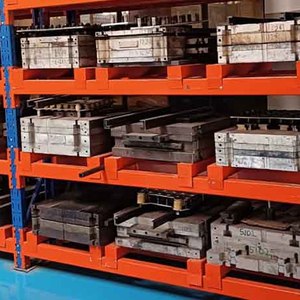
Precision tooling assets require structural support beyond conventional selective pallet racking. Explore our comparative engineering classification based on ANSI MH16.1, FEM 10.2.02, and EN 15512 compliance.
| Structural System | Rated Load Per Drawer | Stroke Extension Ratio | Guidance / Rail Hardware | Primary Application | Safety Interlock Standard |
|---|---|---|---|---|---|
| Standard Pull-Out Mold Rack | 500 kg – 1,200 kg | 60% – 65% Partial Extension | Precision Deep-Groove Ball Bearings | Plastic injection cores, rapid changeover dies | Manual Spring Pin |
| Full-Open Heavy Slide Die Rack | 1,500 kg – 3,000 kg | 100% Full Open Stroke | Linear Guided Heavy Dual Bearings | Automotive metal stamping, casting tooling | Auto Gravity Interlock |
| Crank-Operated Mechanical Rack | 2,500 kg – 5,000 kg | 80% – 100% Controlled Stroke | Helical Gear Drive & Rack-Pinion Rail | Ultra-heavy die cast blocks, forge tooling | Mechanical Gear Brake |
| Top-Crane Integrated Die Bay | 1,000 kg – 4,000 kg | Slide-Out + Overhead Runway | C-Channel Cold Formed Track + Electric Hoist | Facilities lacking overhead gantry bridge cranes | Hoist Limit & Interlock |
| Motorized Electric Die Storage | 3,000 kg – 8,000 kg | Push-Button Powered Extension | Servo Motorized Lead Screw / Chain Rail | Industry 4.0 automated stamping facilities | Optical Safety Curtailment |
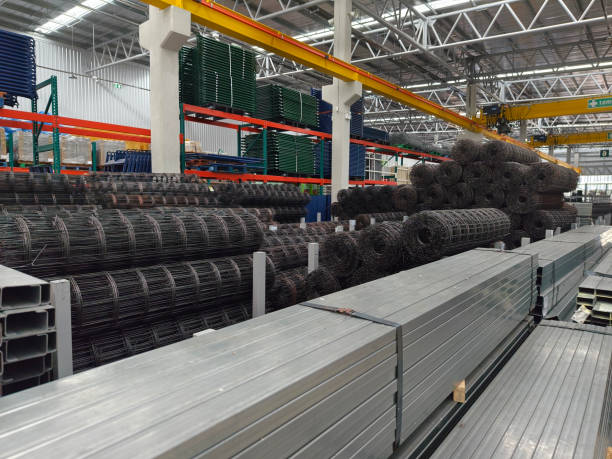
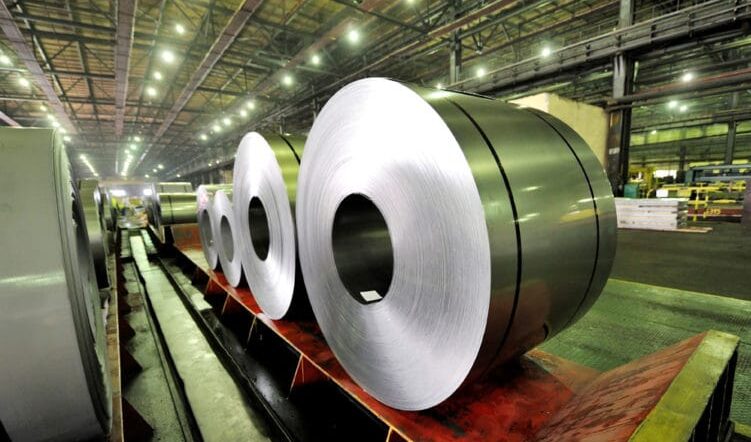
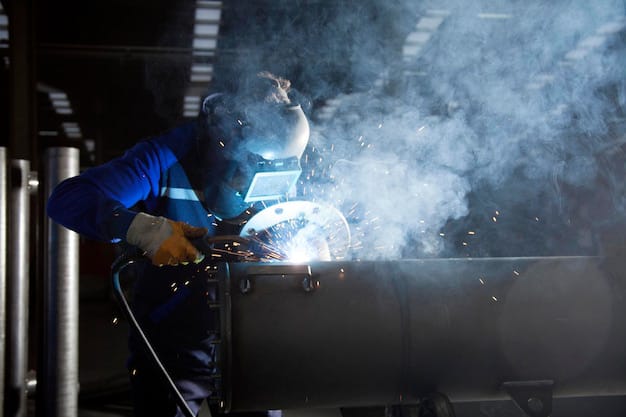
Signature Racking Systems controls the full manufacturing lifecycle. From raw steel slitting and cold roll forming to automated robotic welding and certified powder coating, our end-to-end governance guarantees micro-millimeter dimensional tolerances.
We source prime mill-certified structural carbon steels. Upright columns undergo rigorous tensile testing to ensure yield strength exceeding 355 MPa, resisting dynamic shock loads caused by heavy forklift impacts and crane placement.
Continuous automated punching lines ensure exact 50mm pitch alignment along heavy-gauge vertical uprights. Roll-formed sections maintain optimal stiffness-to-weight ratios, ensuring perfectly level drawer tracking without binding.
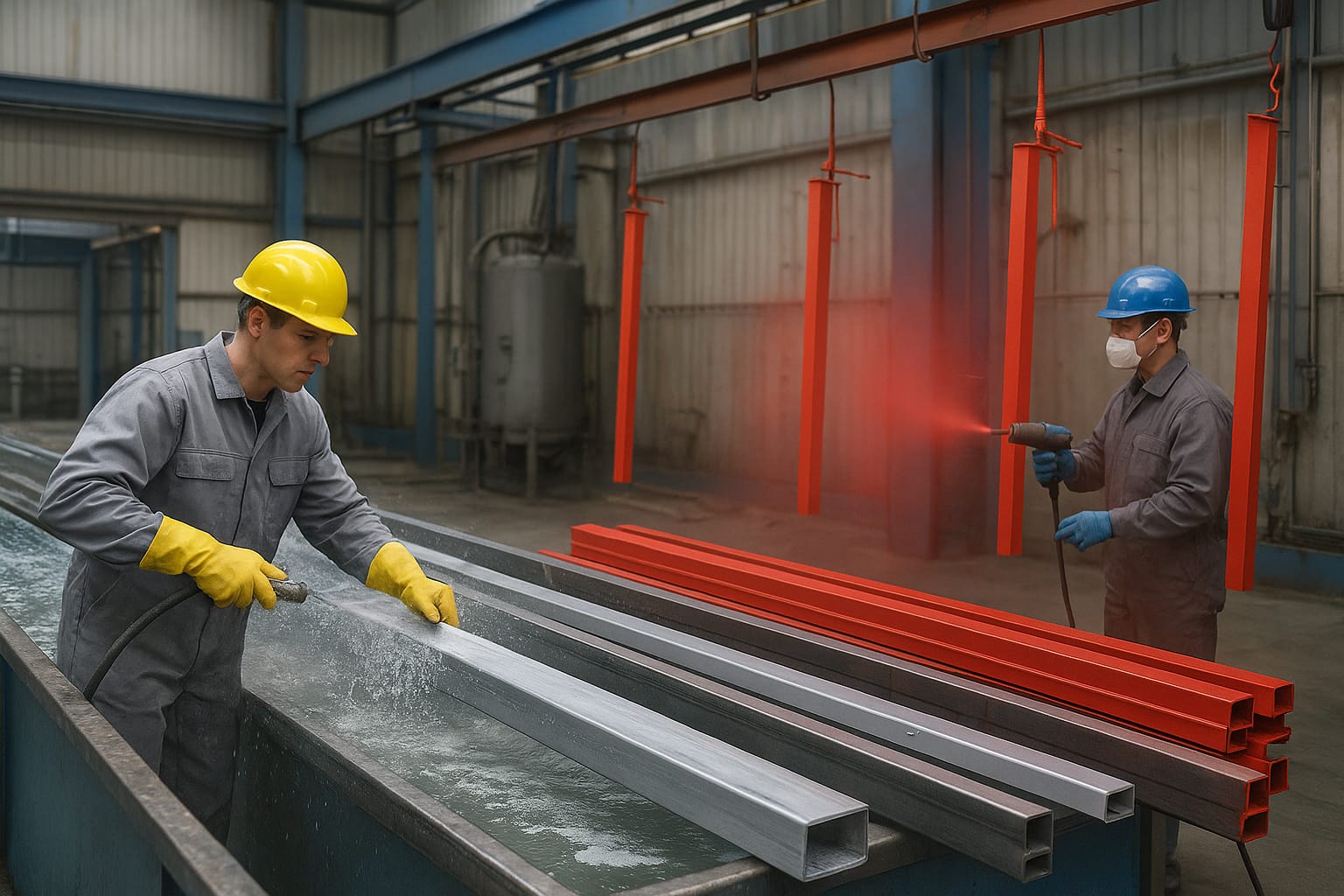
Fabricated components undergo automatic shot-blasting to remove mill scale, followed by iron-phosphate passivation and a high-durability electrostatic thermoset epoxy powder coat baked at 200°C for superior chemical and abrasion resistance.
The manufacturing landscape is transitioning from passive die racking toward active, integrated tooling management architectures. Review the macro shifts directing heavy mold storage innovation.
Single-Minute Exchange of Die (SMED) mandates rapid tooling access adjacent to press lines. Modern drawer racks eliminate double-handling by incorporating 100% full-extension drawers accessible directly by overhead hoists, collapsing mold turnaround cycles from 45 minutes to under 8 minutes.
Tooling managers are adopting smart sensor modules directly within shelf assemblies. Embedded strain gauges monitor real-time drawer weight distribution, while ultra-high-frequency (UHF) RFID antennas log die entry, cycle counts, preventive maintenance intervals, and mold status.
Conventional sliding racks risk tip-over incidents when multiple drawers are pulled simultaneously. Advanced fifth-generation rack architectures incorporate mechanical multi-drawer lockouts: extracting one shelf mechanically blocks adjacent levels from opening, preventing center-of-gravity shifts.
Navigating global supply chain volatility requires capital expenditure discipline. Discover why Tier-1 plastic molders, aerospace suppliers, and metal stampers are re-evaluating their die storage procurement strategies.
With industrial square footage costs rising across North America, Europe, and the GCC, standard static racking or ground storage consumes excessive plant space. Drawer-based vertical die racks consolidate tooling footprint by up to 60%, delivering a rapid 14-month ROI on recovered production space.
Global manufacturers avoid long lead-time supply chains by partnering with direct manufacturers in strategic free zones like Ajman, UAE. Duty-exempt raw materials, state-of-the-art export consolidation, and streamlined sea freight access slash international project delivery times by weeks.
Procurement teams now reject generic commodity shelves in favor of certified structural proposals. Essential FAT documentation now requires FEA deflection simulations (limiting beam deflection to < L/250 under static load), third-party weld non-destructive testing (NDT), and certified dynamic proof-load verifications.
Authoritative, data-backed answers addressing the operational, structural, and safety criteria demanded by warehouse directors and plant operations managers.
Under international standards including ANSI MH16.1 and FEM 10.2.02, beam and deck deflection under full static rated load must not exceed L/250, where L represents the clear span of the shelf. In high-precision tool steel die storage, we engineer our drawers to a stricter L/350 threshold to avoid binding the precision ball bearing slide mechanisms during extension.
Safety against overturning is engineered via three measures: (1) Mandatory chemical resin or mechanical seismic floor anchor bolts fixing each baseplate directly into 25–30 MPa reinforced concrete; (2) Mechanical anti-tip interlocking channels that restrict extraction to only one drawer per bay at any time; and (3) Top-tie bracing connecting back-to-back bays into a monolithic rigid structure.
Yes. We offer fully integrated overhead monorail or jib crane frameworks. The top structure incorporates high-tensile I-beams or enclosed track profiles supporting electric wire rope or chain hoists rated from 500 kg up to 3,000 kg. This enables single-operator mold loading and unloading directly from the drawer to a mold cart or press changeover station.
To produce an optimized CAD layout and load design, our engineering team requires: (1) Maximum tool/die dimensions (Length × Width × Height); (2) Maximum weight of each individual mold; (3) Number of dies to be stored; (4) Floor slab specifications and available ceiling clear height; and (5) Handling equipment details (crane, forklift, or die cart).
A 65% partial slide-out drawer extends approximately two-thirds of its depth, relying on a cantilevered ball-bearing track. It is cost-effective and suitable for front-loaded dies handled by forklifts. A 100% full-extension drawer utilizes a multi-stage telescopic or linear guide rail that moves the entire shelf plate clear of the rack uprights, allowing 100% vertical crane hoist access.
Components are supplied in Completely Knocked Down (CKD) form to maximize ocean container cube utilization. Upright frames, base channels, and drawer shelves are bundled with heavy-gauge corrugated edge protectors, moisture-resistant industrial stretch film, and wooden fumigated crating for sensitive bearing rails. Comprehensive 3D assembly drawings and part tags are included.
Because mold workshops generate metallic fines, coolants, and airborne particulates, guide tracks should be inspected and vacuum-cleaned every six months. Slide rails require semi-annual lubrication with high-pressure lithium complex grease (NLGI Grade 2). Check torque on floor anchors and upright cross-bracing bolts annually to maintain structural integrity.
Yes. As an OEM/ODM factory, we design custom decking plates including CNC-machined recessed locator blocks, v-shaped cradles for cylindrical molds, brass wear strips, and heat-resistant thermal insulating deck liners for tooling transferred directly from pre-heating ovens or hot-runner injection machines.
Connect directly with our senior structural racking engineers in Ajman Free Zone. We provide complimentary facility layout design, FEA load calculations, and turnkey OEM/ODM quotations within 24 business hours.
Send an Inquiry