Automated Loading
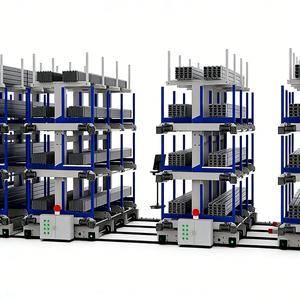

Direct from our precision manufacturing facility in the UAE, we engineer heavy-duty cold room shelving, automated cantilever racks, gravity flow pallet channels, and corrosion-resistant workshop partitions certified to CE and ISO 9001 standards for Nigerian industrial facilities.
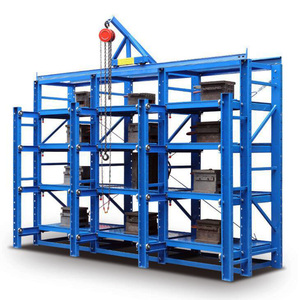
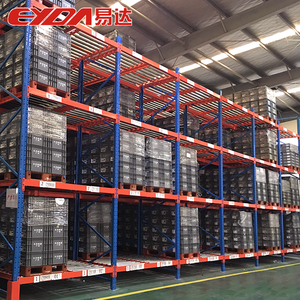
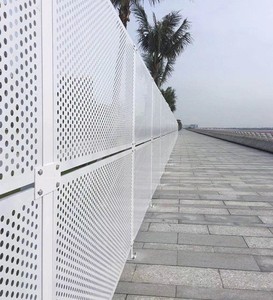
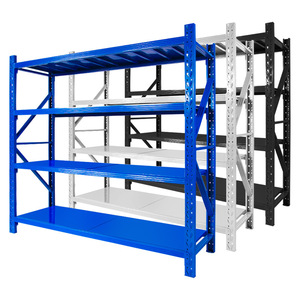
Operating a refrigerated warehouse or quick-freeze facility in sub-Saharan climates requires engineering disciplines vastly different from standard dry warehousing. When external ambient temperatures in Lagos reach 34°C with 90% relative humidity, while internal freezer vaults maintain -25°C, structural racking must resist condensation pooling, rapid oxidative corrosion, and cryogenic steel brittleness.
Standard carbon steel (such as generic Q235A) experiences sudden embrittlement when operated below freezing, converting minor forklift nudges into catastrophic structural shear failures. Our cold room systems use fine-grain, silicon-killed structural steels with guaranteed Charpy V-Notch impact toughness down to -20°C and -40°C. Upright profiles and load beams retain elastic yield resilience under high-shock pallet placement in blast freezer environments.
Cold storage units operating in coastal Nigerian hubs like Apapa and Victoria Island face aggressive galvanic action due to salt air infiltration during bay door cycles. We manufacture uprights with batch hot-dip galvanizing to ISO 1461 standards (exceeding 600g/m² zinc mass) or apply high-adhesion anti-microbial thermosetting epoxy polyester coatings. These prevent subsurface blister corrosion and peeling even under continuous defrost steam wash cycles.
Refrigeration energy in Nigeria constitutes up to 65% of warehouse operational expenditures. Solid racking decks block forced convection currents from ceiling-mounted evaporators, creating stagnant warm pockets that spoil perishable goods. Our open-grating GI wire decks and slotted punched beam profiles maintain an engineered 55% to 65% open aperture ratio, optimizing CFM air displacement and reducing compressor cycle times.
| Racking Architecture | Cold Room Temperature Range | Surface Treatment Standard | Floor Utilization Efficiency | Ideal Perishable Cargo (Nigeria) |
|---|---|---|---|---|
| Selective Pallet Racking | +15°C down to -10°C (Chilled) | Epoxy-Polyester Powder Coat (70–90μm) | 40% – 45% (Direct 100% SKU Access) | Fresh Dairy, Beverages, Local Horticulture (Tomatoes, Capsicum) |
| Drive-In & Drive-Through Racks | -18°C down to -28°C (Deep Freeze) | Continuous Pre-Galv or Hot-Dip Galvanized | 70% – 85% (High-Density Bulk Stacking) | Imported Frozen Fish (Mackerel, Croaker), Bulk Poultry Port Consignments |
| Gravity Pallet Flow Channels | -20°C down to -30°C (Blast/Deep) | Hot-Dip Galv Frame + Cryogenic Rollers | 65% – 75% (Guaranteed FIFO Cycling) | Vaccines, Biologics, Regulated NAFDAC Frozen Pharmaceutical Goods |
| AISI 304/316 Stainless Steel Modular | +4°C down to -40°C (Sanitary Cold) | Electro-Polished Austenitic Stainless | 50% – 60% (Manual Pick & Mobile) | Meat Carcasses, Seafood Processing, High-Hygiene Cleanroom Labs |
From maritime clearance hubs at the Gulf of Guinea to the agricultural storage zones of the Sahel savannah, cold room infrastructure faces starkly distinct geographic, energetic, and regulatory conditions across Nigerian territories.
Lagos handles over 80% of Nigeria's seaborne frozen protein imports. In Apapa, Tin Can Island, and Ikeja Industrial Estates, cold chain facilities experience severe maritime salt air, erratic power swings, and grueling 24/7 loading turnaround. Our drive-in racking and heavy pallet flow systems maximize vertical warehouse cubic capacity up to 14 meters, allowing cold storage 3PL operators to store thousands of frozen fish carton pallets without floor crushing, while resisting heavy humidity ingress during container cross-docking.
Northern Nigeria produces millions of metric tonnes of fresh tomatoes, onions, peppers, and tubers, yet suffers post-harvest losses exceeding 40% before reaching southern markets. We supply specialized ventilated slotted angle shelving, galvanized stackable bins, and solar-hybrid cold room racking in Kano's Dawanau Market corridors and Kaduna farming clusters. These installations feature high dust-tight durability and optimized thermal airflow channels to stabilize post-harvest shelf life.
Along the Lagos-Ibadan Expressway and industrial zones in Sagamu and Ibadan, pharmaceutical multinationals and healthcare logistics operators require rigorous cold rooms maintaining strict +2°C to +8°C parameters. Our modular stainless steel and clean-coat epoxy shelving units comply with Good Distribution Practices (GDP), eliminating raw timber pallets to eliminate bacterial vectors, fungal mold spores, and pest contamination under stringent audit inspection.
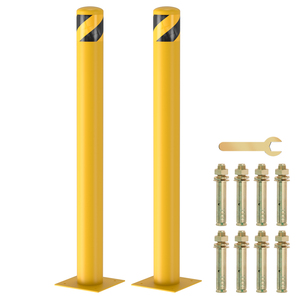
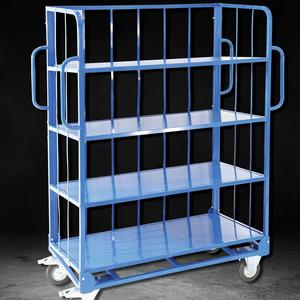
Port Harcourt, Onne Port, and the broader Niger Delta region demand heavy-duty cold room racking designed for offshore drilling vessel provisions and high-end industrial catering. Storage systems installed here require maximum shock-load ratings, stainless steel mobile storage carts, and collision-resistant safety yellow bollards to protect refrigeration equipment from heavy pneumatic order-picking equipment operating on damp concrete floors.
The transformation of Nigeria's food security policies, urban retail modernization, and regional trade integration under AfCFTA is triggering an unprecedented boom in industrial cold storage investments.
Federal Ministry of Agriculture and Rural Development (FMARD) reports show Nigeria loses over $9 billion annually in perishable agricultural produce. Private equity and sovereign development funds are investing heavily in packhouse cold chains. This transition mandates high-density, low-temperature racking systems capable of integrating directly into pre-cooling rooms and controlled atmosphere storage vaults across rural-urban aggregation corridors.
With national grid unreliability and surging diesel generation costs across Nigeria, cold room operators are shifting rapidly toward off-grid rooftop solar and battery storage microgrids. Because solar-powered refrigeration demands maximum volumetric thermodynamic efficiency, every cubic meter must be utilized. Modern high-density racking (such as gravity flow and mobile telescopic racks) increases usable storage capacity by up to 80% without expanding the refrigerated building envelope.
Under the African Continental Free Trade Area, Nigeria is strategically positioning itself as the maritime processing and transshipment hub for West Africa. Upgraded deep sea ports, including the Lekki Deep Sea Port, require state-of-the-art temperature-controlled logistics terminals equipped with certified, seismic-anchored structural pallet racks, impact safety bollards, and rapid-throughput FIFO gravity tracks compliant with international food safety audits.
With over two decades of dedicated storage systems engineering operating out of our Ajman Free Zone manufacturing base, we eliminate trading middlemen. Every beam, upright column, perforated barrier, and deck is formed in-house under strict quality controls and packaged for containerized ocean shipment directly into Nigerian seaports.
We do not supply off-the-shelf catalog compromises. Our structural engineers produce comprehensive 2D CAD architectural plans and 3D FEA load simulations tailored to your clear ceiling heights, evaporator coil clearance zones, forklift turning radii, and exact pallet weights. Nigerian engineering teams receive millimeter-precise layout schematics prior to production kickoff.
Our Ajman factory operates automated multi-stage roll-forming lines, computerized continuous hole-punching presses, and precision robotic welding jigs. This ensures that column slots, connector hooks, and beam clips lock together with zero on-site cutting or welding required inside sensitive insulated cold room sandwich panel envelopes.
Shipping heavy structural steel across maritime corridors requires robust anti-corrosive packaging. All racking components are knocked-down, color-coded, bundled with edge protectors, wrapped in heavy VCI anti-moisture films, and consolidated into 20-foot or 40-foot HQ containers. Direct maritime freight from UAE hubs to Apapa or Onne Port ensures dependable lead times and minimal transshipment risks.
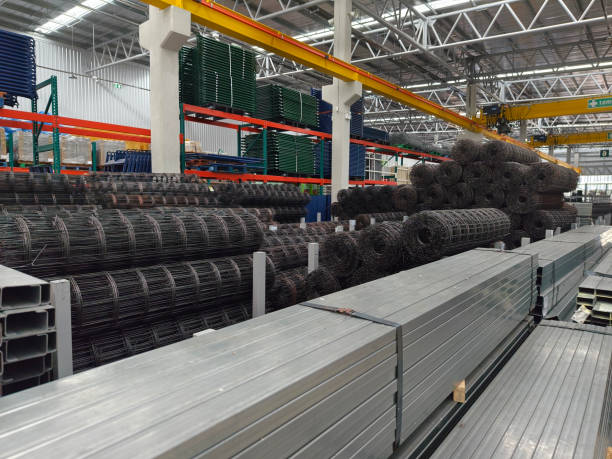
High-grade structural steel coils inspected for tensile yield strength and sub-zero composition before fabrication.
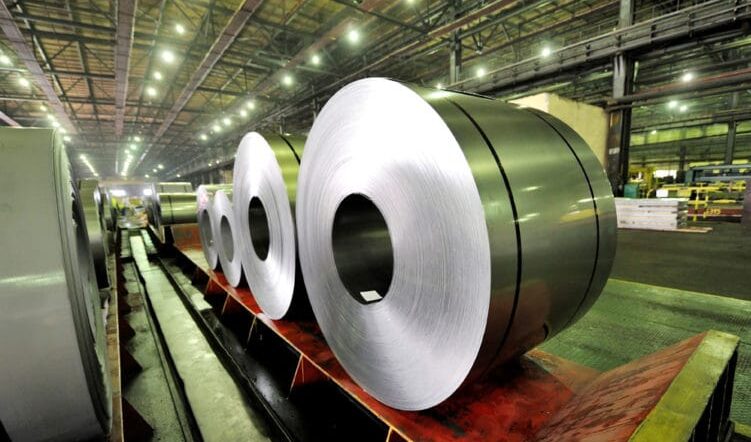
Continuous computer-controlled roll forming lines producing customized cold room upright and beam profiles.
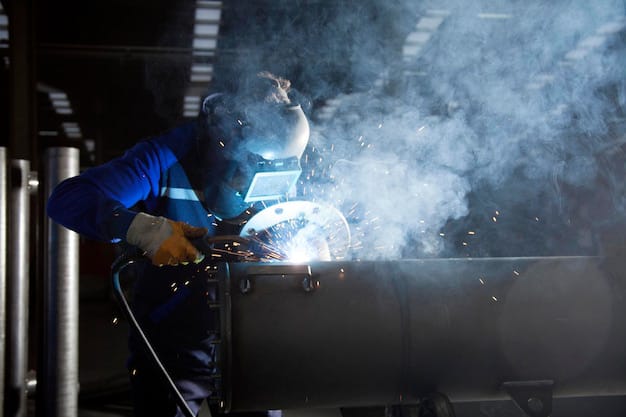
High-penetration CO2 shielded welding ensuring connector-to-beam joints resist sub-zero shock shear loads.
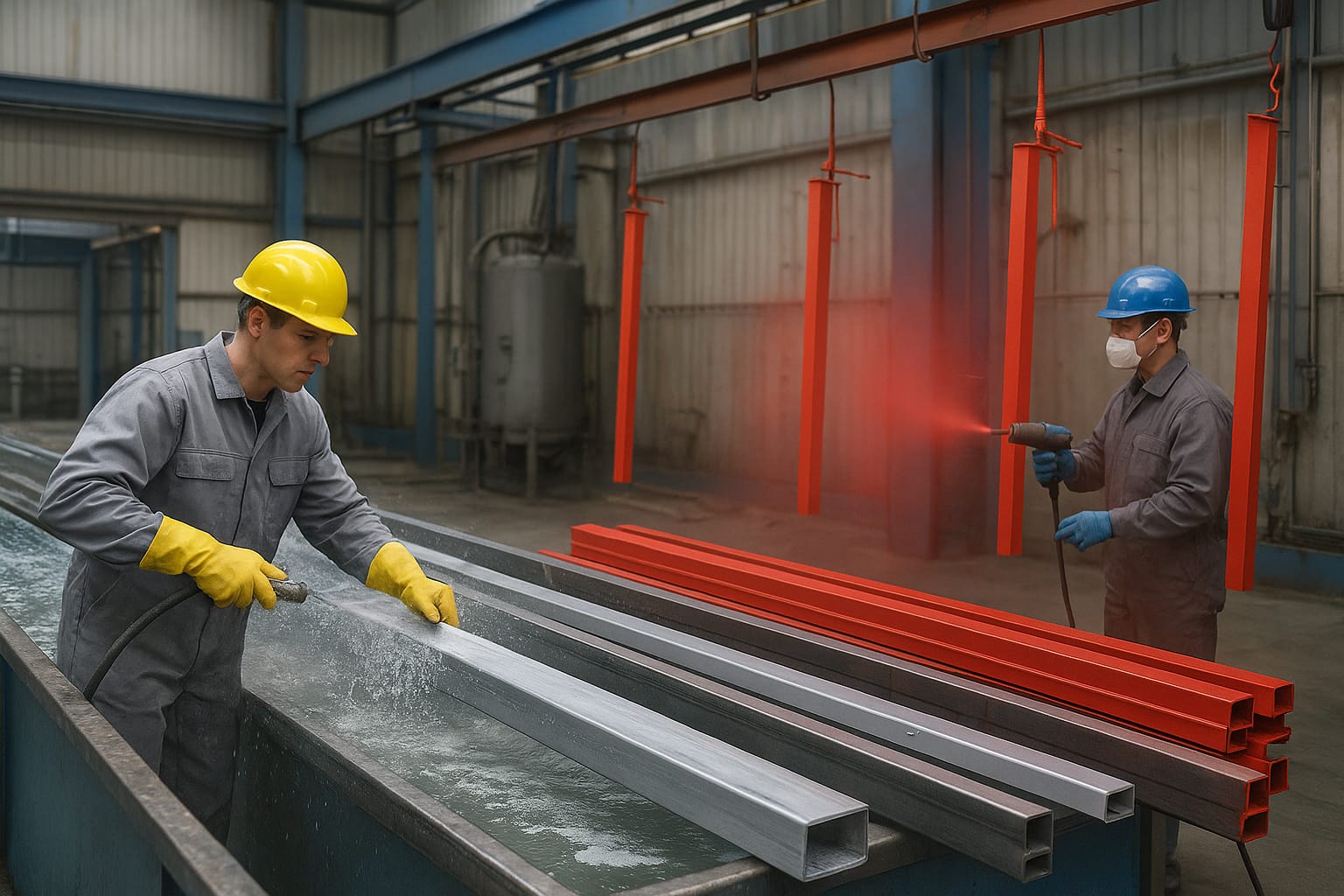
Multi-stage surface pre-treatment, electro-coating, and heavy ocean packaging ready for vessel loading.
Clear, direct answers regarding custom clearance, import documentation (Form M & SONCAP), engineering specifications, and lead times to Nigerian project locations.
We have extensive experience supporting Nigerian procurement workflows. We furnish all necessary commercial invoices, packing lists with clean HS Codes, and manufacturer test certificates required for your bank to open an electronic Form M via the Nigeria Single Window Trade Portal. Furthermore, we coordinate with accredited international inspection agencies (such as Cotecna, SGS, or Intertek) to conduct Pre-Shipment Inspection (PSI) and issue the SONCAP Certificate (Standards Organisation of Nigeria Conformity Assessment Program), ensuring smooth customs clearance without PAAR delays at Apapa, Tin Can, or Onne Port.
Lagos exhibits exceptional atmospheric salinity coupled with intense relative humidity (often exceeding 85%). Every time cold room dock doors open, ambient humid air rushes in and condenses immediately upon freezing steel surfaces. Standard industrial paint rapidly bubbles and flakes, exposing raw carbon steel to aggressive rust that compromises structural safety and breaches food safety hygiene standards. Hot-dip galvanization to ISO 1461 provides a metallurgical zinc-iron alloy barrier that is self-healing, resisting condensation rust for decades.
Yes. Anchoring into cold store floors requires specialized engineering to avoid puncturing the underfloor vapor barrier and sub-floor heating mats. We design custom thermal break baseplates equipped with cryogenic nylon or high-density polyethylene (HDPE) thermal isolation pads. These distribute vertical column loads across the wearing slab while preventing thermal bridging, frost heave, and sub-slab freezing, using heavy chemical capsule anchor studs engineered for low-temperature concrete.
To design your layout, our team requires: (1) Internal architectural dimensions of the cold room including clear height to the underside of evaporator drain pans; (2) Positions of cold room doors, structural building columns, and refrigeration units; (3) Pallet dimensions (e.g., standard Euro 1200x800mm or ISO/Industrial 1200x1000mm) including maximum load overhang and total weight; (4) Forklift specifications including collapsed mast height, maximum reach, and minimum turning aisle width; and (5) Operating temperature range.
Direct ocean liner sailings from Jebel Ali Port (Dubai/Ajman corridor) to Lagos (Apapa/Tin Can Island) typically require 22 to 28 days transit time. Because all our upright frames, pallet beams, cantilever arms, and mezzanine components are fully modular and knocked-down (KD), we maximize container volumetric utilization above 90%. A single 40ft High Cube container can hold between 20 to 26 metric tonnes of engineered structural steel, drastically minimizing your per-pallet sea freight expenditure.
Yes. We offer flexible execution options for Nigerian clients. We can supply complete 3D assembly shop drawings, numbered component diagrams, and step-by-step video manuals for your local technical contractor. Alternatively, we can dispatch senior factory installation engineers to your project site in Nigeria to manage, align, anchor, laser-level, and inspect the structural assembly, providing official load rating capacity certificates upon site handover.
Connect directly with our structural engineering team. Send your building dimensions and load specifications for a tailored 2D/3D CAD layout, load capacity calculation, and direct factory export proposal.