Manufactured to rigid metallurgical and robotic welding tolerances. Explore our certified portfolio of heavy-duty motorized bases, stackable modules, rail-type cantilevers, and AS/RS integrated systems.
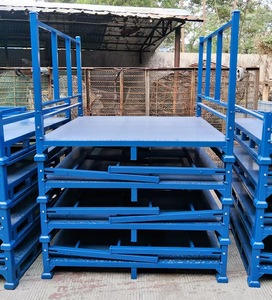
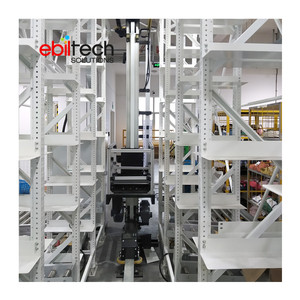
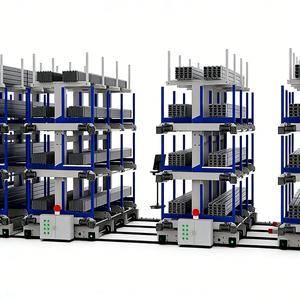
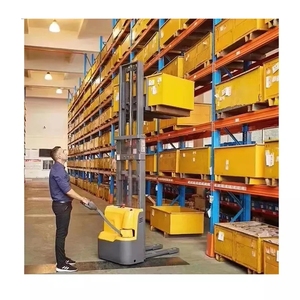
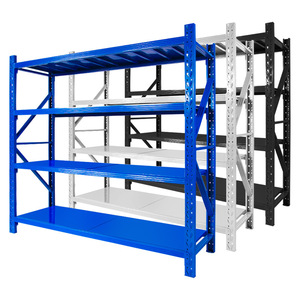
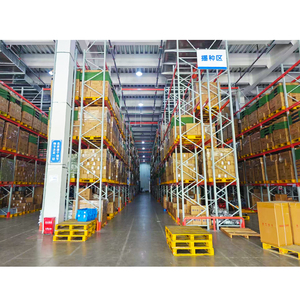
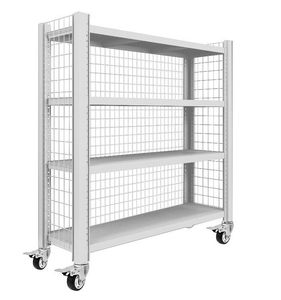
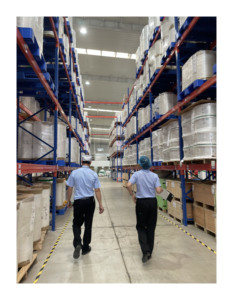
Modern warehouse logistics centers and cold-storage operations face a severe economic constraint: industrial land acquisition costs and high cubic refrigeration energy overheads make conventional static pallet racking layouts obsolete. Conventional selective pallet racks demand up to 60% of floor real estate solely for forklift access corridors. A mobile racking system (also termed motorized movable pallet racking or rolling chassis storage) mounts heavy-duty selective rack superstructures onto electronically synchronized motorized mobile bases (bogies) that glide across embedded guide rails.
By transforming conventional static service aisles into a single, on-demand accessible corridor, mobile racking unlocks an extraordinary 80% to 85% reduction in dead aisle space. This yields an immediate 90% to 100% surge in total pallet capacity across the exact same square meterage, providing facility operators with profound capital efficiency without sacrificing direct 100% selectivity to every stored pallet SKU.
As a premier factory and direct manufacturer, our engineering methodology balances static load factors conforming to FEM 10.2.07 and EN 15512 with dynamic kinematic parameters defined under European standard EN 15095 (Safety of Power-Operated Mobile Racking and Cantilever Systems). From cold-formed high-tensile upright profiles to centralized Programmable Logic Controllers (PLC) networked via industrial fieldbus protocols, every element is designed to minimize torsional deflection and eliminate gear mechanical binding during carriage traverses.
Compare the volumetric efficiency, mechanical kinematics, access speeds, and operational profiles of mobile base racking against alternative warehouse storage typologies.
| Racking Typology | Space Utilization | SKU Selectivity | Aisle Opening Speed | Max Bay Capacity | Cold Storage ROI |
|---|---|---|---|---|---|
| Motorized Mobile Pallet Racking | 85% - 90% | 100% Direct | 25 - 45 Seconds | Up to 45,000 kg / base | Exceptional (35-45% Power Saved) |
| Static Selective Pallet Racking | 40% - 45% | 100% Direct | Instantaneous | Up to 24,000 kg / bay | Poor (High Cubic Waste) |
| Drive-In / Drive-Through Racks | 70% - 75% | LIFO / Low | N/A (Driver Enters Lane) | Variable (Lane Dependent) | Moderate (High Honeycombing) |
| Electric Mobile Cantilever Systems | 80% - 85% | 100% Direct | 30 - 50 Seconds | Up to 30,000 kg / base | High for Heavy Extrusions |
| Mini-Load Automated Crane (AS/RS) | 90% - 95% | 100% Automated | Automated Crane Cycling | Tote & Carton Level | High (High Initial CapEx) |
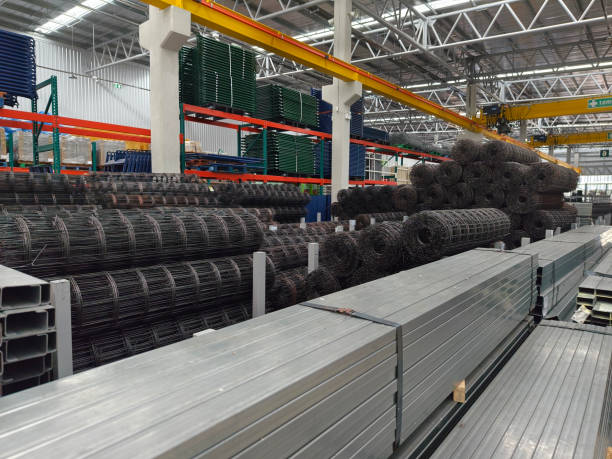
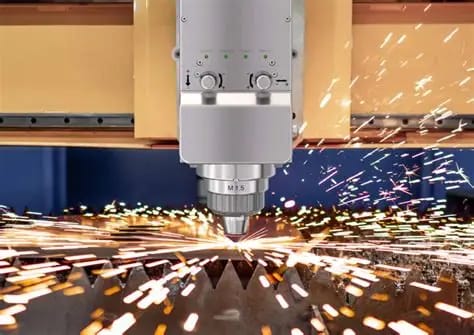
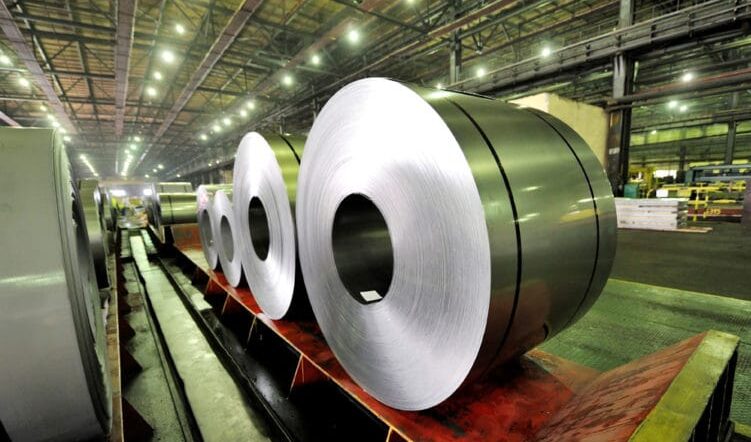
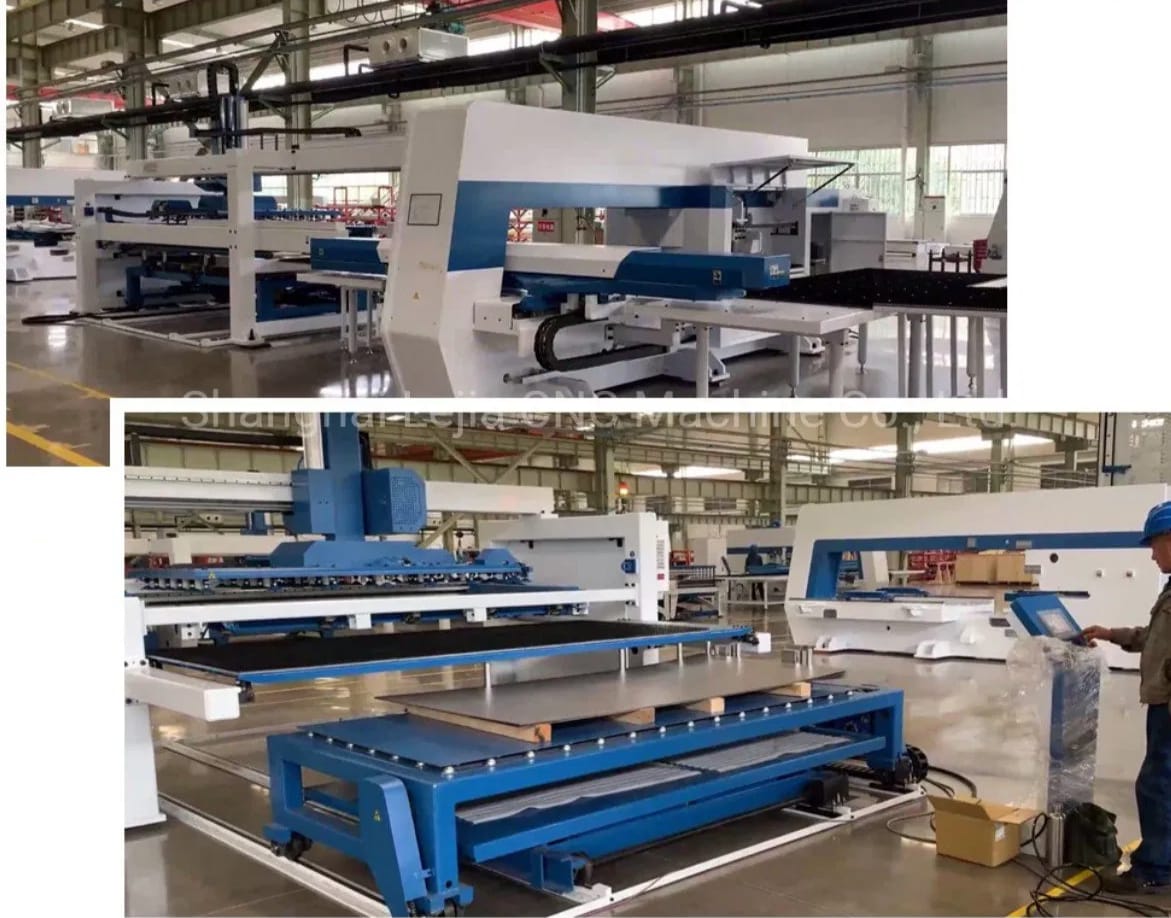
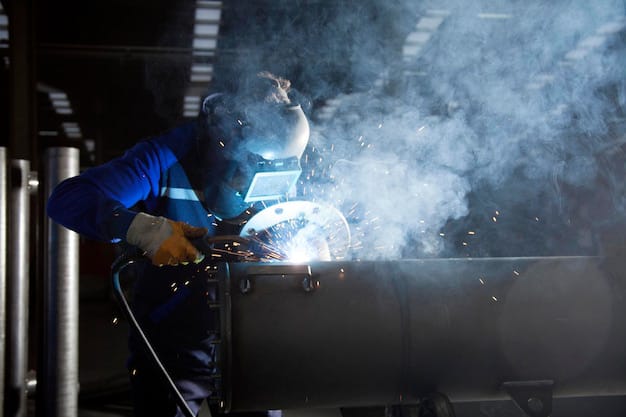
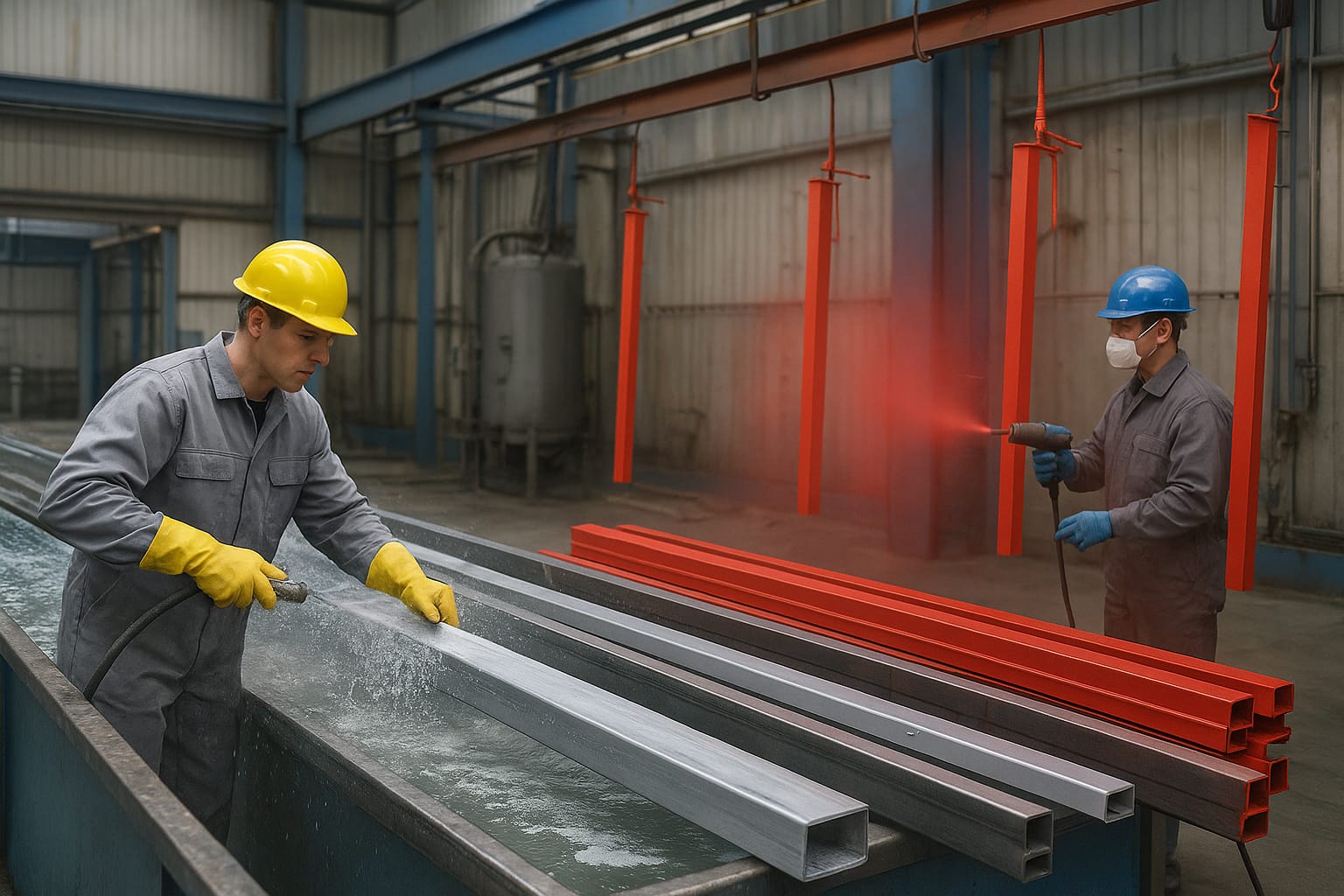
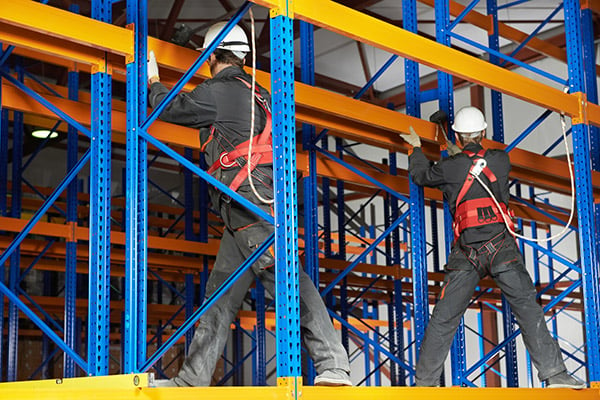
Unlike trading intermediaries, our integrated fabrication ecosystem controls every millimeter of steel transformation—from raw certified coil slitting to automated robotic welding, automated electro-coating, and on-site laser track leveling.
As industrial supply chain networks digitize, mobile racking procurement is rapidly migrating away from purely mechanical standalone storage toward tightly integrated cyber-physical nodes. Logistics architects, operations directors, and procurement executives should evaluate the following structural paradigm shifts when formulating equipment specifications:
Modern mobile carriages are equipped with industrial IoT gateways (Ethernet/IP, Profinet). The Warehouse Management System automatically triggers aisle openings prior to the arrival of automated reach trucks or manual forklifts, cutting waiting cycles to zero.
Cold chain facilities consume staggering amounts of electricity. Because high-density mobile racking condenses refrigerated airspace requirements by up to 45%, facilities slash compressor running loads and thermal loss, accelerating ESG compliance.
The convergence of Autonomous Mobile Robots (AMRs) and motorized mobile racks is eliminating manual fork driving. Laser reflectors and 3D LiDAR arrays installed on base chassis synchronize aisle status directly with fleet management software.
Next-generation mobile installations integrate active multi-beam optical light curtains along the aisle floor line, supplemented by ultrasonic bumper sensors, emergency trip lines, and access-control interlocks compliant with ISO 13849-1 PL-d.
Early hydraulic or direct-on-line motors induced severe jerky starts that compromised pallet stability. Modern systems implement closed-loop vector-controlled VFD gearmotors, providing buttery smooth acceleration curves and dynamic regenerative braking.
Modern low-profile flat floor rails require minimal concrete trenching depth (as little as 60-80mm). This enables seamless retrofit modernization into existing warehouses without destroying foundation structural rebar integrity.
Direct engineering and commercial answers to resolve technical queries raised by facility planners, structural engineers, and warehouse operations leads.
Mobile racking systems concentrate severe wheel-point loads (typically 4 to 12 metric tons per wheel pair) directly onto embedded steel rails. The warehouse concrete slab must have an adequate compressive strength (minimum C28/35 or 4,000 PSI) with top-and-bottom reinforcement designed by a structural engineer to prevent localized punch-through failure.
Rail flatness must conform strictly to DIN 18202 Group 4 or EN 15620 standards, ensuring elevation tolerances do not exceed ±1.5mm along the rail run and ±1.0mm across adjacent rails. Our turnkey factory installation crews utilize optical laser transits and non-shrink precision grouts (minimum 80 MPa compressive strength) to anchor rails flush with finished floor surfaces.
For temperatures down to -30°C or blast freezing down to -40°C, cold brittleness can cause standard structural steel to crack under dynamic fatigue. We fabricate our cold-storage mobile racks using high-impact structural grades (such as Q355D or low-temperature certified carbon steel) with tested Charpy V-notch impact toughness at -20°C to -40°C.
Furthermore, drive motors are equipped with internal heating elements to prevent moisture condensation during thermal cycling; electrical cables utilize specialized polyurethane or silicon jackets that remain flexible without cracking; and wheel hub bearings are packed with synthetic low-viscosity food-grade lubricants rated for -50°C operational thresholds.
Our motorized mobile bases comply fully with EN 15095 European functional safety requirements. Safety layers include:
1. Continuous Long-Range Optical Light Curtains: Positioned at 50mm and 900mm elevations across the face of each mobile chassis. If a pedestrian, carton, or forklift breaks the beam, the mobile base enters emergency stop mode within milliseconds.
2. Proximity Laser Area Scanners: Mounted on outer carriage ends to monitor human approach corridors.
3. Mechanical Obstacle Trip Bars: Tactile microswitch bars running the length of the base carriage that mechanically cut motor power upon physical contact.
4. Manual Emergency Pull-Cords: Full-aisle accessible mushroom-head emergency stop stations and pull cables.
Traverse speeds for synchronized heavy mobile carriages are calibrated between 4.0 to 5.5 meters per minute, conforming to safe operating velocity parameters. Opening a standard 3.2-meter aisle for a counterbalanced forklift takes approximately 35 to 45 seconds.
Operators can trigger aisle movements remotely via radio frequency (RF) handheld terminals mounted on forklift roll cages, RFID tags, or automatic WMS dispatch signals, meaning the required aisle is completely open and safe by the time the driver finishes pallet transport from the staging dock.
Yes. If your existing upright frames and load beams are certified undamaged and possess verified structural load calculations, we can engineer custom mobile bogie carriages to accept your existing rack columns. However, floor rail installation is mandatory.
For existing floors where extensive deep trenching is prohibited, we provide ultra-slim surface-mounted profile rails with low-taper concrete transitions or shallow wet-diamond-cut floor slotting that avoids disturbing structural slab tendons or post-tensioned cables.
Our mobile base units operate on standard 3-phase industrial power (380V / 415V / 480V, 50/60Hz). Total connected power depends on the number of simultaneous moving bases, but dynamic power consumption is surprisingly modest: typically 0.55 kW to 0.75 kW per wheel drive bogie, with only one aisle opening at any given moment.
In the event of a municipal blackout, systems can interface directly with warehouse backup diesel generator circuits or uninterrupted power supply (UPS) banks to park and align carriages. For emergency pallet retrieval during total electrical failure, bases feature manual mechanical ratchet drive engagement.
We supply international projects across the GCC, Africa, Europe, Southeast Asia, and the Americas directly from our port-adjacent manufacturing facilities. Components are fully pre-tested in our plant, then packed into specialized sea-container export bundles with corrosion inhibitors and heavy timber dunnage.
Our bilingual field engineering supervisors can deploy on-site to direct your local labor crews through rail installation, carriage leveling, electrical cabling, PLC commissioning, and laser alignment, backed by complete bilingual CAD schematics, O&M manuals, and factory warranties.
Whether you are designing a high-capacity -30°C cold logistics facility, retrofitting an existing regional distribution center, or seeking direct factory pricing for heavy mobile cantilever bases, our engineering office provides complimentary CAD capacity layouts and certified load deflection simulations within 48 hours.