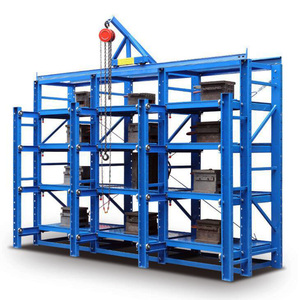
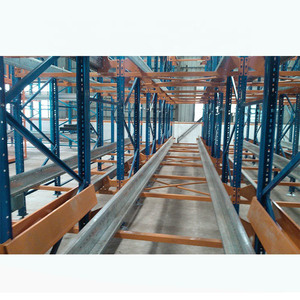
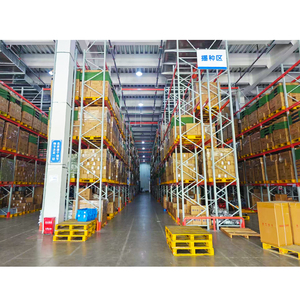
Designed to integrate seamlessly with our certified floor-mounted rack end barriers, each system is roll-formed and precision-engineered for maximum dynamic load absorption and operational uptime.
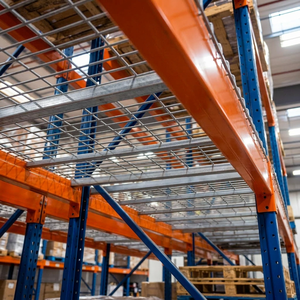
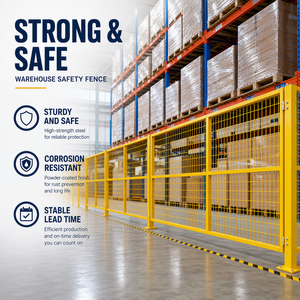
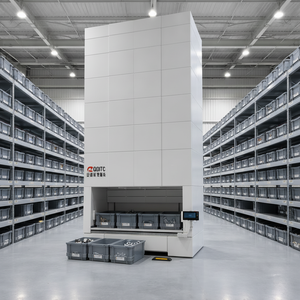
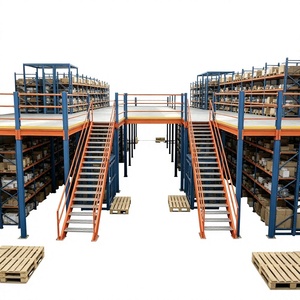
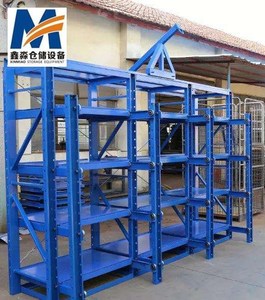
In high-velocity intralogistics ecosystems, aisle endpoints represent the highest-risk collision zones within the entire facility envelope. Counterbalance forklifts, reach trucks, and autonomous mobile robots (AMRs) executing tight 90-degree turning radiuses routinely generate concentrated lateral kinetic forces. Without heavy-duty, floor-isolated rack end protection, these glancing or direct impacts transfer non-axial shock loads directly into the main upright columns of structural pallet racks.
Standard industrial cold-rolled uprights are engineered exclusively for vertical axial compression; they exhibit low tolerance to torsional shear and perpendicular impact. A momentary collision from a loaded 3.5-tonne forklift traveling at merely 6 km/h produces an instantaneous kinetic energy transfer exceeding 14,000 Joules. Under EN 15635 and FEM 10.2.02 standards, an unreinforced rack column deflected laterally by more than 3mm over a 1-meter span requires immediate operational shutdown, destocking, and costly structural replacement.
As premier China wholesale rack end protectors factories and global exporters, our engineering team implements a decoupled shock-dissipation philosophy. Rather than fastening crash barriers directly onto the racking uprights—which invariably transmits damaging shear stresses directly through the baseplates into the anchor sleeves—our end-of-aisle protection assemblies are anchored autonomously into the slab at a minimum standoff distance of 50mm to 100mm from the rack frame.
Our heavy-duty curved tubular profiles and C-channel wraparound end protectors function through progressive elastic-plastic deformation. Upon point impact, the outer radius of the tubular guard deflects, converting kinetic motion into work through controlled material bending while subterranean chemical or mechanical expansion anchors distribute tension evenly across the concrete slab without provoking cone-breakout or slab spalling.
| Protector Architecture | Material Composition | Impact Energy Class | Substrate Anchor Stresses | Regulatory Compliance | Ideal Application Profile |
|---|---|---|---|---|---|
| Heavy-Duty Tubular Steel Barrier | Seamless Q235B Steel (∅114mm-165mm, 4.5mm wall) | 16,000J – 25,000J | Evenly distributed dual-flange shear | EN 15512 / OSHA 1910.178 | High-throughput 3PL, heavy palletizing, reach-truck turns |
| C-Section Floor Wrap Barrier | High-Tensile Cold Rolled Plate (6mm-8mm thickness) | 12,000J – 18,000J | Direct mechanical shear at four perimeter points | FEM 10.2.02 | Double-deep selective rack ends, narrow aisle paths |
| High-Molecular Polymer Composite | MEMAPLEX™ / High-Density Polyethylene Core | 8,000J – 15,000J (Memory shape) | Minimal (Elastic dynamic rebound) | PAS 13:2017 | Food & Beverage, cold-chain (-30°C), cleanrooms |
| Hybrid Steel-Polymer Dual Buffer | Solid Steel Internal Spine with Elastomer Dampener | 22,000J – 30,000J | Dampened mechanical dissipation | ISO 14122-3 | Heavy manufacturing, cast mold warehousing, AGV runways |
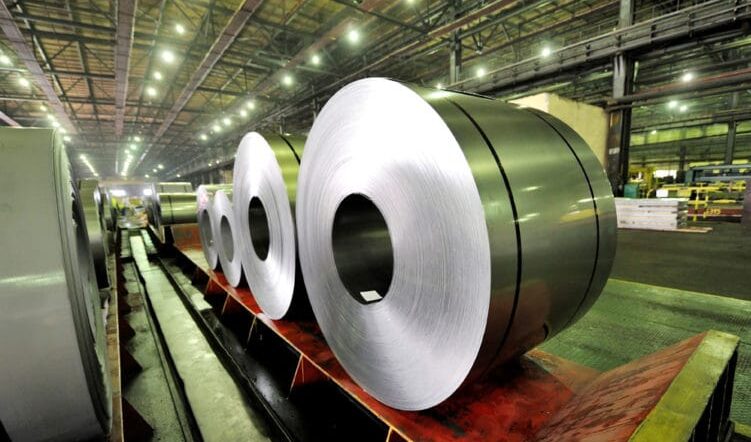
Controlling 100% of the manufacturing pipeline in-house. From raw coil slit-shearing to high-speed hydraulic bending, robotized seam welding, and electrostatic thermal curing, we ensure strict mechanical conformance.
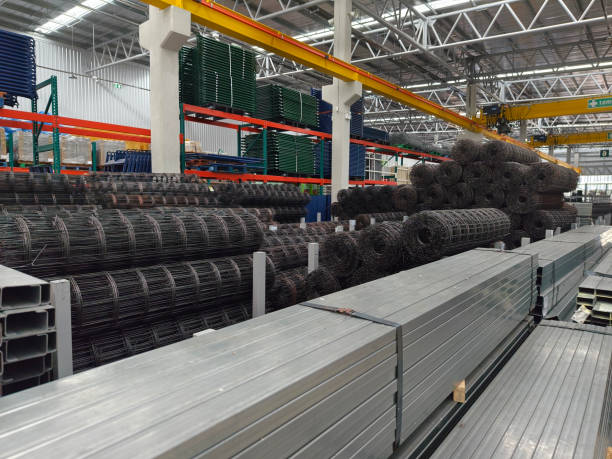
We source prime, certified cold-rolled and hot-rolled structural steel coils exclusively from premier domestic mills. Every heat number undergoes ultrasonic testing and spectroscopic carbon-equivalent verification prior to processing.
Our continuous automated roll-forming lines operate with custom-machined multi-stage roller dies, generating flawless C-sections and tubular contours with zero micro-fracturing along bend radii and pitch tolerance within ±0.1mm.
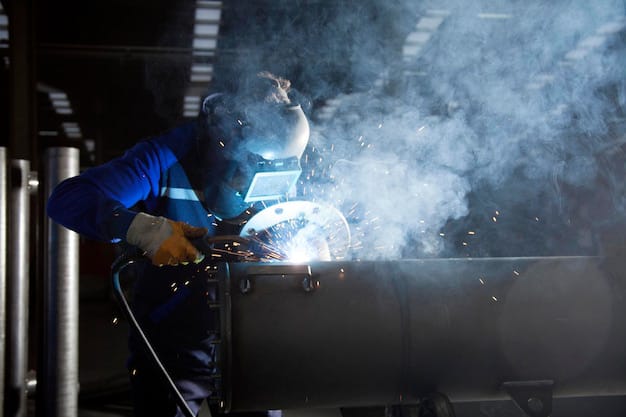
Baseplates, gusset reinforcements, and tubular cross-members are joined via automated multi-axis Panasonic robotic weld stations. Full-penetration robotic welds ensure uniform root depth, eliminating human welding inconsistencies.
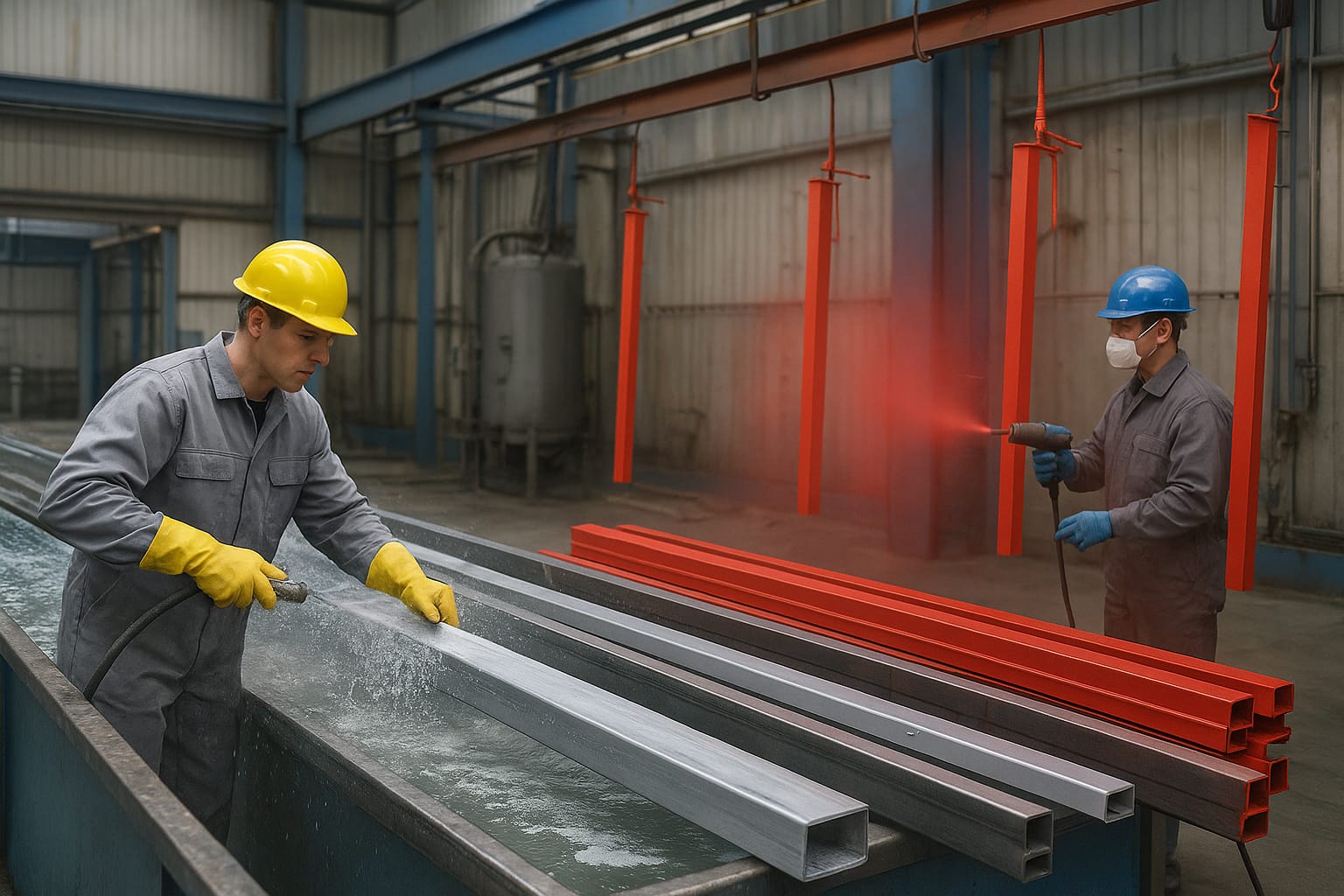
Components pass through an automated 8-wheel centrifugal shot-blasting chamber (Sa 2.5 standard), followed by multi-stage phosphate washing and electrostatic thermo-hardened epoxy-polyester powder coating (70-90μm thickness).
Our structural design department delivers complimentary 3D site-specific CAD layout schemes and ANSYS FEA impact simulation models tailored specifically to your forklift vehicle weight, turn velocity, and floor slab specification.
For cross-border EPC contractors and wholesale distributors, units are packed into reinforced steel cradle pallets wrapped with moisture-barrier VCI stretch film to ensure complete corrosion resistance across multi-week sea transit.
The global warehousing and logistics barrier market is undergoing a seismic architectural transition. As global fulfillment operators migrate rapidly toward lights-out automation, the functional requirements of rack end protection are moving far beyond passive steel obstacles. Procurement directors and supply chain decision-makers must account for these dominant future procurement developments:
With the pervasive deployment of Autonomous Mobile Robots (AMRs) and automated automated guided vehicles (AGVs), impact vectors are transforming. Unlike traditional manned forklift operators who cause high-elevation collisions (between 400mm and 1200mm above ground), autonomous chassis operate low-slung navigational LiDAR sensors. Modern rack end barriers are evolving with secondary low-profile LiDAR reflection bands and non-interfering floor returns that protect both the racking framework and the delicate optical navigation sensors of automated guided vehicles without triggering false emergency stops.
The traditional post-incident visual inspection model is obsolete. Tier-1 enterprise facilities are specifying rack end crash protectors integrated with tri-axial piezoresistive micro-electromechanical (MEMS) accelerometers. When an MHE vehicle strikes a barrier, the smart sensor measures deceleration G-forces, logs the precise timestamp, and broadcasts real-time telemetry over wireless Zigbee or LoRaWAN networks to the facility's Warehouse Management System (WMS). This eliminates unreported micro-fractures, alerts safety managers to immediate floor-anchor stress, and holds equipment operators accountable.
Scope 3 carbon emission disclosures are increasingly dictating industrial procurement across North America, Europe, and the Middle East. Wholesale importers and logistics developers are demanding environmental product declarations (EPDs) demonstrating lower embodied carbon. In response, our manufacturing facilities are shifting toward electric-arc furnace (EAF) recycled scrap steel and zero-VOC heavy-metal-free electrostatic powder coatings, enabling overseas partners to meet stringent BREEAM and LEED v4.1 green logistics facility criteria.
In ultra-high throughput cross-dock facilities, replacing a damaged barrier that requires jackhammering concrete or drilling new slab anchors causes unacceptable bay closures. Modern procurement protocols prioritize standardized modular sleeve-in-base architectures. In this configuration, the heavy subterranean steel sleeve remains undisturbed during collision, allowing maintenance teams to unbolt and replace the exposed crash pipe or buffer rail in less than 15 minutes.
Detailed engineering answers addressing load design, anchor calculation, tariff classifications, and export compliance.
Partner directly with an established China manufacturing powerhouse. Contact our structural engineering department today for custom CAD layout optimization, mill test certifications, and competitive wholesale volume price matrices.