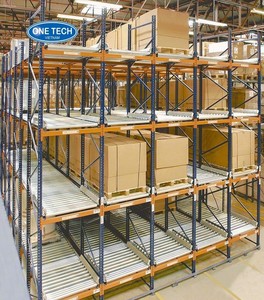
Engineered to millimetric tolerances for crane-guided high bays, automated guided vehicles (AGVs), and heavy distribution centres across New South Wales.
The industrial real estate landscape of Greater Sydney has reached an unprecedented inflection point. Driven by tight land allocations along the M4, M7, and M12 corridors, industrial land values in strategic precincts—including Eastern Creek, Erskine Park, Kemps Creek, and the Moorebank Logistics Park—have created record occupancy hurdles for enterprise 3PLs, cold chain operators, and retail giants. With prime industrial net effective rents rising over 45% in recent fiscal cycles and sub-2.0% vacancy rates across prime Western Sydney logistics pockets, traditional low-density, wide-aisle counterbalance storage frameworks are economically unsustainable.
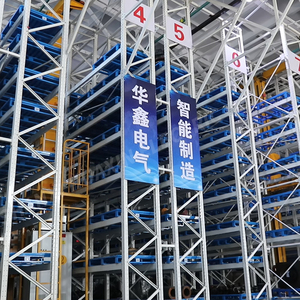
For warehouse operations directors and asset managers serving New South Wales, the only viable vector of margin protection is vertical volumetric densification. Transitioning from conventional 10-metre manual selective racking to 24-metre up to 40-metre Automated Storage and Retrieval Systems (ASRS) unlocks up to 400% greater pallet capacity over identical floor plate coordinates. However, implementing automated cranes, four-way radio shuttles, and Autonomous Mobile Robot (AMR) interfaces demands an order of magnitude higher manufacturing precision than typical static racking.
Pallet Capacity Increase over identical Western Sydney floor footprints
Cold-Form Roll Profile Tolerances for Crane Guide Rail Alignment
Strict Compliance with 2023 Australian Steel Storage Racking Code
Typical Full CapEx Amortization against Sydney Warehouse Labor Escalation
As China’s foremost original equipment manufacturer (OEM) and structural exporter specializing in automated warehouse infrastructure, our engineering division bridges the gap between high-precision Chinese structural fabrication scale and the rigorous technical expectations of the Australian industrial environment. We deliver fully integrated, custom-extruded ASRS rack matrices engineered specifically to withstand dynamic structural loads, seismic baseline shears under AS/NZS 1170.4, and the unforgiving duty-cycles of automated stacker cranes operating 24 hours a day, 7 days a week.
A rigorous examination of cold-formed structural design, robotic welding integrity, and dynamic crane rail tolerances.
Exporting structural storage racking to Australia is governed by one of the world's most exacting engineering standards: AS 4084:2023 (Steel Storage Racking). Unlike generic overseas standards that rely heavily on static unbraced frames, the updated 2023 Australian standard imposes strict limit state design calculations, dynamic upright twist constraints, and comprehensive verification of beam-to-column connector semi-rigidity.
| Engineering Parameter | Australian Standard (AS 4084:2023) Mandate | Our Precision Factory Export Standard | Sydney Operational Impact |
|---|---|---|---|
| Steel Grade & Yield Strength | Verified minimum yield strength conforming to AS/NZS 4600 cold-formed steel specs. | Certified Q355B / High-Tensile GR450 structural coils with full 3.1 Mill Test Certificates. | Guarantees complete ductility without structural embrittlement under intense load limits. |
| Seismic Design Actions | AS/NZS 1170.4: Sydney Basin Hazard Factor ($Z = 0.08$ to $0.09$) with live pallet reduction factor ($k_p$). | Finite element modal analysis evaluating non-linear P-Delta interaction and dynamic frame sway. | Prevents progressive collapse during subterranean tremors across Western Sydney clay strata. |
| Vertical Deflection Limits | Maximum deflection strictly bounded at $L/200$ for standard selective installations. | Engineered deflection threshold held to $L/400$ to $L/600$ for automated crane and shuttle rails. | Eliminates high-speed shuttle rail misalignment, sensor trips, and automated retrieval jams. |
| Upright Punching Pitch | Standardized incremental adjustability with verified net-section tensile strength. | Automated CNC punch line delivering a strict continuous 50mm / 75mm pitch with ±0.2mm cumulative tolerance. | Flawless connector lock engagement and frictionless field adjustment for reconfigured SKU heights. |
| Corrosion & Finish | Compliant with indoor industrial dry environments and cold-chain condensation mitigation. | Pre-treatment degreasing + 7-stage phosphate wash + thermosetting electrostatic powder coat (80–110µm). | Eliminates micro-cracking and flaking in humid Sydney summers and -30°C temperature-controlled freezers. |
In high-bay ASRS installations exceeding 18 metres in height, thermal expansion, building settlement, and foundation slab deflection come into sharp play. Our structural design teams collaborate directly with Sydney geotechnical reports and project engineering consultants (holding formal Registered Professional Engineer of Queensland [RPEQ] and Chartered Professional Engineer [CPEng] accreditations for cross-border sign-off). Every racking upright profile, diagonal bracing matrix, and base-plate anchoring pattern is tailored to the exact compressive strength and post-tensioned tendon spacing of the warehouse concrete slab.
From prime hot-rolled steel coils to automated robotic welding, we eliminate intermediaries to maintain 100% quality accountability.
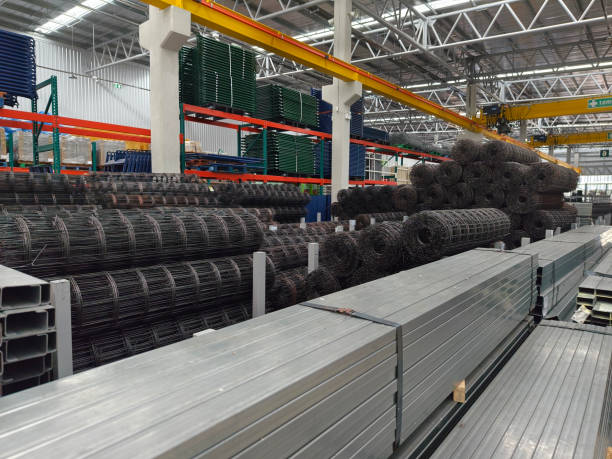
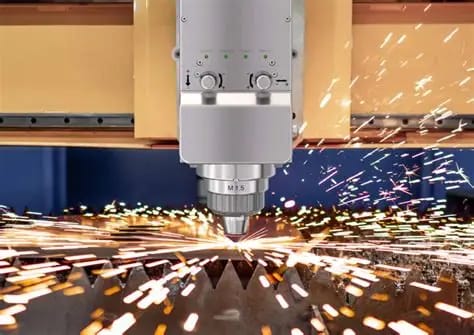
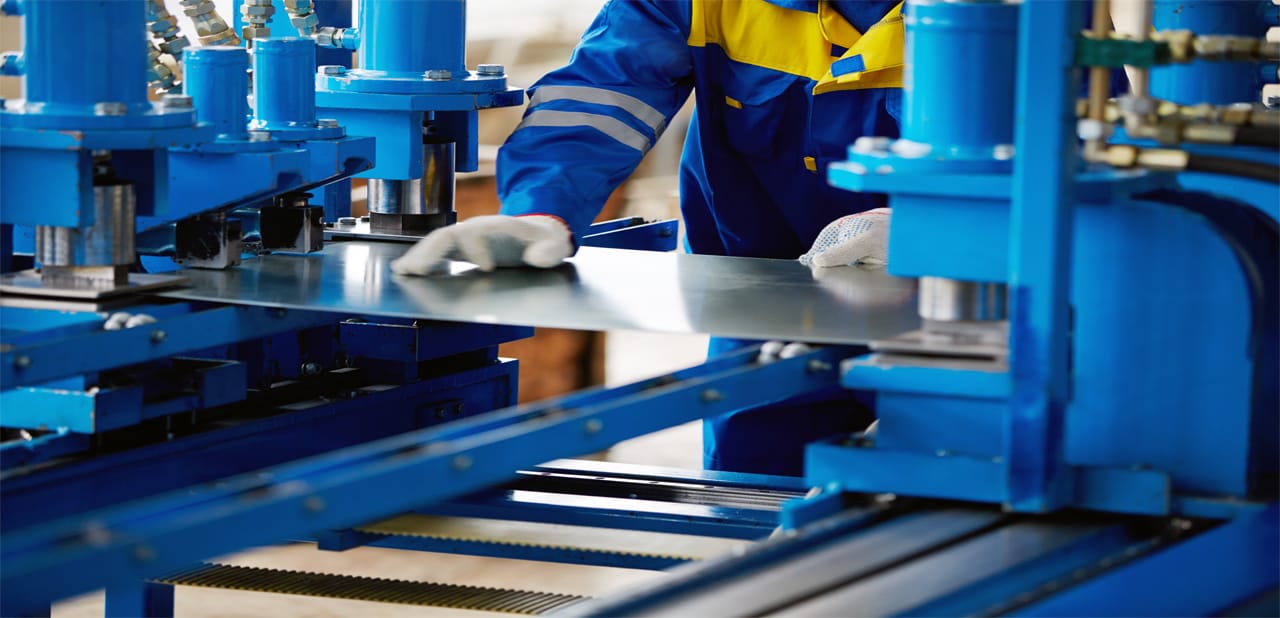
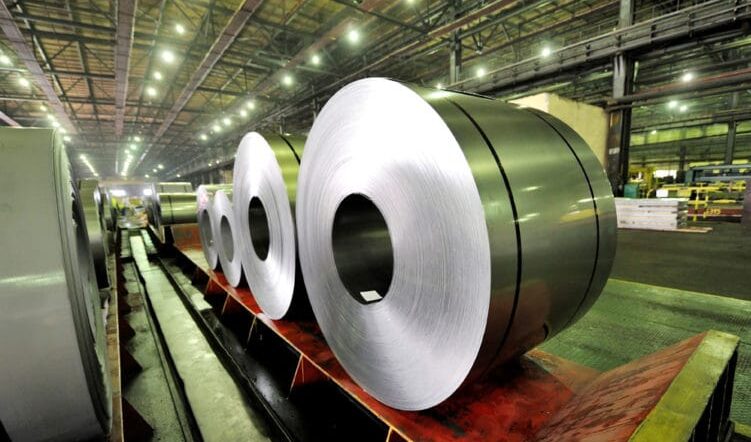
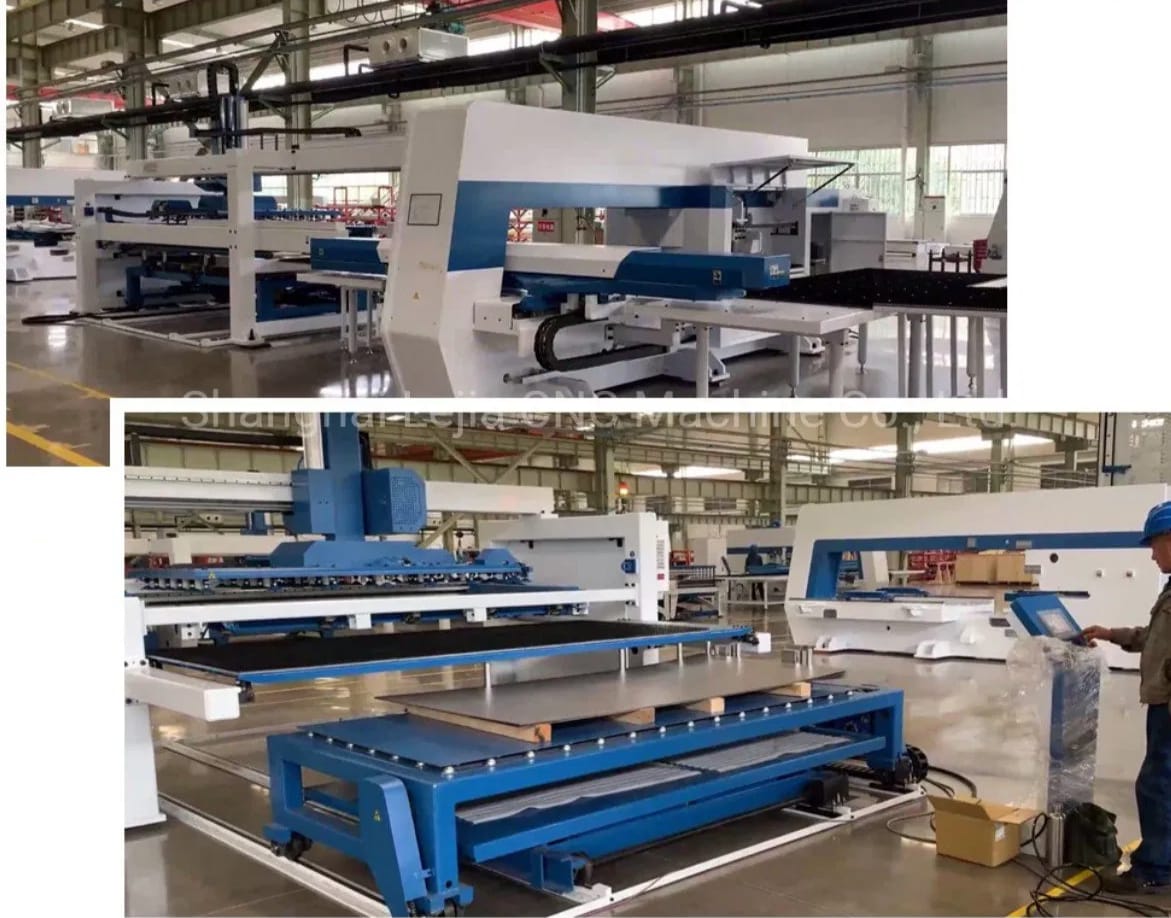
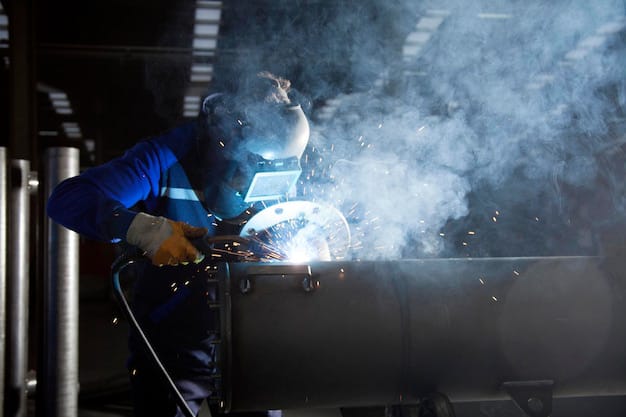
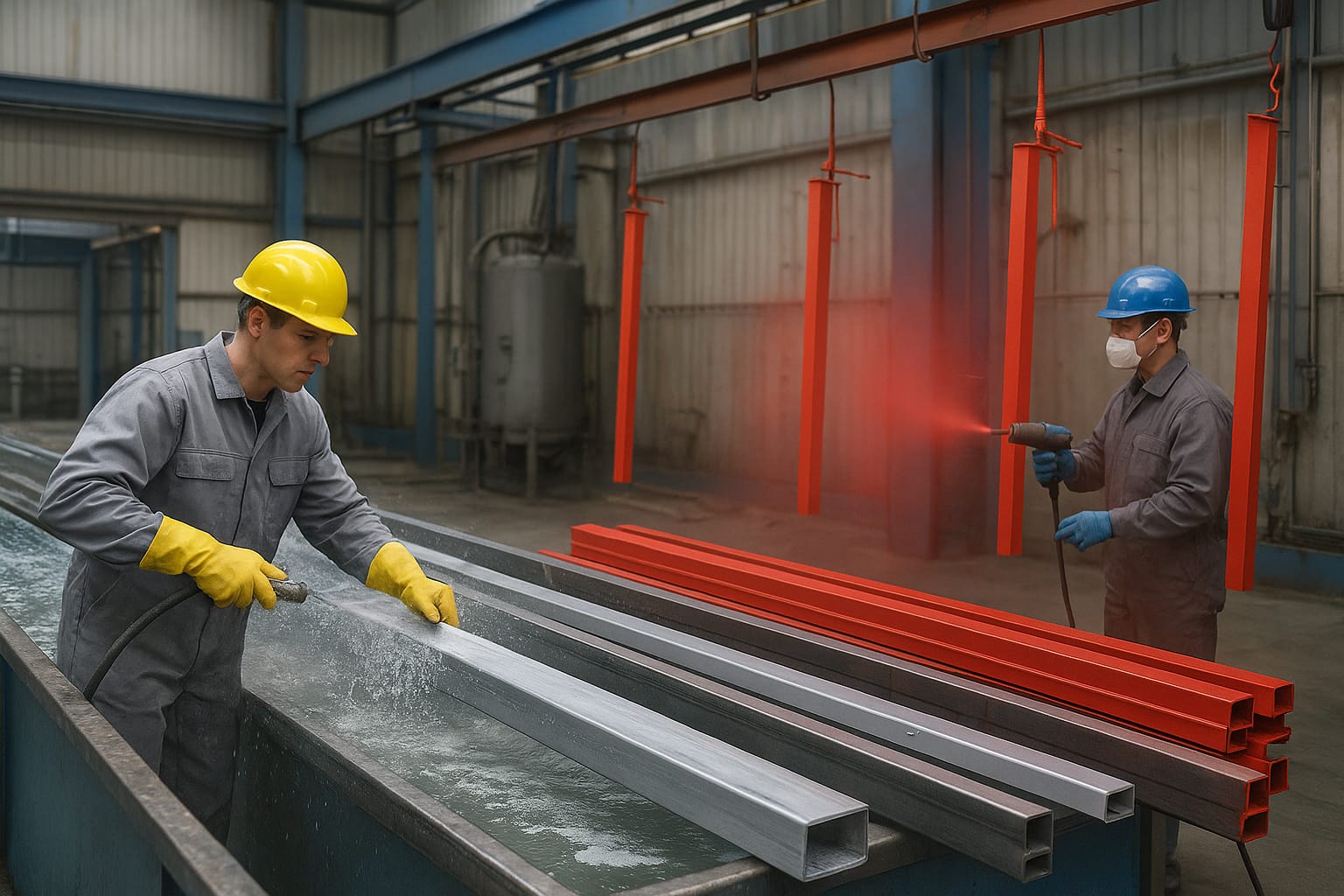
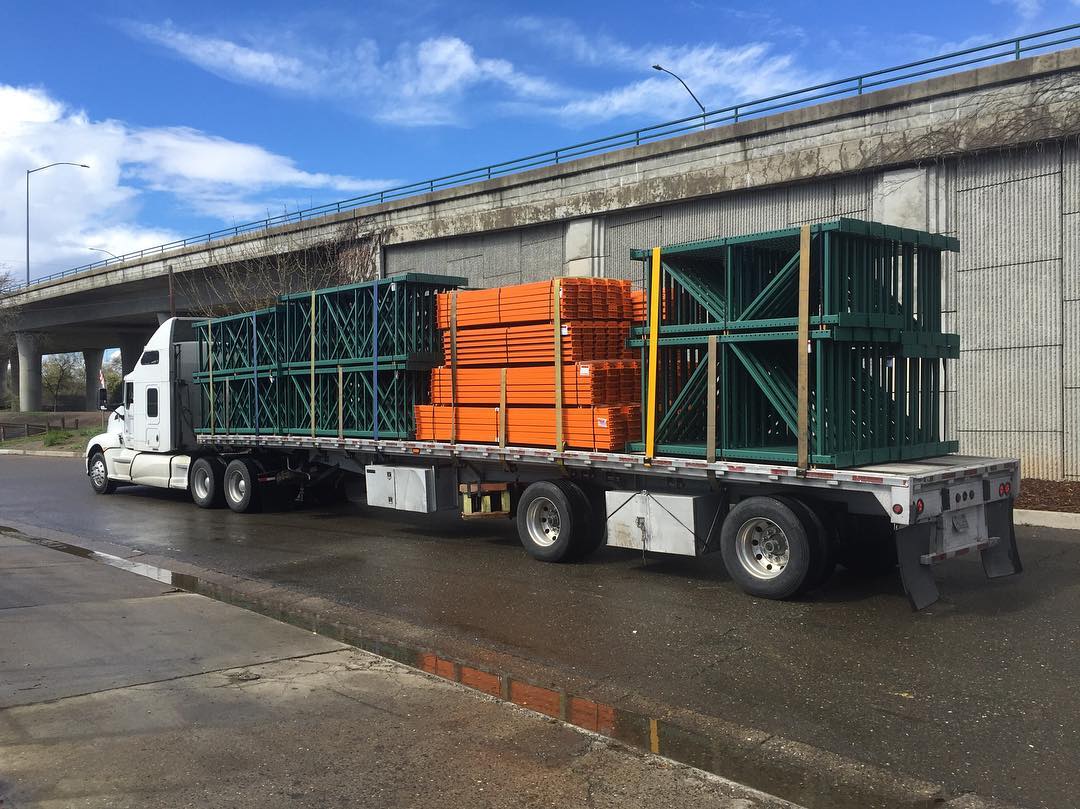
Custom structural integrations deployed across specialized commercial sectors in New South Wales.
Future-proofed 24/7 express e-commerce hubs designed for seamless high-throughput automated induction, robotic sorting, and continuous multi-tier parcel buffering.
Ultra-dense, multi-deep pallet shuttle racking built to service high-volume grocery distributors, temperature-controlled cold chains, and fast-moving retail consumer logistics.
Heavy-duty, container-matched buffer racking handling break-bulk de-stuffing, cross-docking operations, and rapid turn containerized freight staged for railway transfers.
Deep-lane automated crane-supported storage racks engineered to interface with overhead electrified monorails and automated terminal tractor drop-points.
A transparent breakdown of procurement capital, structural engineering fees, lead times, and long-term lifecycle ROI.
Historically, Sydney logistics operators procuring automated high-bay warehouses were locked into European or domestic brand conglomerates that bundle mechanical racking, cranes, and WMS software into opaque, cost-inflated turnkey packages. Today, enterprise procurement directors adopt an Unbundled Strategic Procurement Model: sourcing the high-precision structural racking directly from specialized Chinese heavy manufacturers while contracting local automation integrators for software, cranes, and commissioning.
| Evaluation Metric | Traditional European Turnkey Conglomerate | Direct China Factory OEM + Local Sydney Integration | Value Advantage |
|---|---|---|---|
| Structural Racking CapEx | Extreme premium ($180–$250 per pallet position purely for structural steel racking). | Direct manufacturing price ($75–$120 per pallet position engineered to AS 4084:2023). | 40% to 55% Direct CapEx Reduction |
| Manufacturing Lead Times | 36 to 48 weeks due to European fabricator backlogs and trans-Atlantic sea routes. | 12 to 16 weeks production + 18 to 22 days direct maritime freight from Ningbo/Shanghai to Port Botany. | 50% Faster Speed-to-Market |
| Custom Profile Extrusions | Rigid catalog standards; custom upright gauges incur exorbitant tooling surcharges. | In-house roll tooling allows rapid customization of upright thickness (2.0mm to 3.5mm) and column depth. | Tailored to exact crane dynamic loads |
| Spare Parts & Expansion | Proprietary profiles requiring expensive sole-source replacement beams shipped from Europe. | Standardized high-tensile modular components with open-source structural drawings provided. | Zero vendor lock-in for future bays |
By separating structural steel fabrication from electromechanical crane integration, Australian warehouse developers retain full control over structural asset ownership. Our factory provides detailed structural certification packs—including finite element analysis, weld inspection certificates, and complete mill test verification—which are directly peer-reviewed and signed off by independent Sydney-based Chartered Structural Engineers (CPEng/NER) for local council development approvals (DA) and Complying Development Certificates (CDC).
In high-bay automated racking exceeding 13.7 metres in New South Wales, ceiling Early Suppression Fast Response (ESFR) sprinkler systems reach physical hydraulic limits. SafeWork NSW and Fire and Rescue NSW require specialized in-rack sprinkler pipe integration conforming to AS 2118.1. Our ASRS rack engineering incorporates pre-punched structural beam tabs, designated sprinkler pipe saddles, and internal vertical flue clearances (minimum 150mm transverse and longitudinal flue spaces) directly into the automated profile roll-forming stage, eliminating costly on-site hot work and drilling.
Major institutional real estate investment trusts (REITs) across Australia—such as Goodman, Charter Hall, and Dexus—now require warehouse assets to achieve 5-Star or 6-Star Green Star Ratings from the Green Building Council of Australia (GBCA). Our manufacturing infrastructure supports this transition by utilizing high-scrap-ratio electric arc furnace (EAF) structural steel coils, VOC-free electrostatic powder coatings, and optimized structural profiles that reduce steel mass per pallet position by up to 18% without sacrificing structural safety factor limits.
Clear, definitive answers addressing Australian standards, customs tariffs, installation sign-offs, and logistics.
Every structural racking project destined for Australia undergoes independent static and dynamic stress verification. We provide finite element structural calculation reports, 3.1 Material Test Certificates confirming steel yield and elongation according to AS/NZS 4600, and collaborate with registered Australian structural engineering practices (holding CPEng / NER / RPEQ credentials) to issue formal Section 40 Design Compliance Certificates for local NSW certifiers.
Fabrication of an average 5,000 to 15,000 pallet-position ASRS racking structure typically takes 6 to 8 weeks. Direct container sea freight from our nearest deep-water port (Ningbo or Shanghai) to DP World or Patrick Terminals at Port Botany requires approximately 14 to 18 days on water. Components are flat-packed in high-density steel cradles designed for rapid side-loader container de-stuffing without component damage.
Under the China-Australia Free Trade Agreement (ChAFTA), qualifying structural steel and storage racking goods can enter Australia under preferential tariff classifications (often duty-free or subject to specific concessional tariff codes) provided that a valid Certificate of Origin (Form COO) is presented. Our specialized international trade documentation team coordinates closely with Sydney-licensed customs brokers to ensure 100% compliant border processing.
Yes. Automated cold storage facilities (operating between -20°C and -30°C) represent a core manufacturing competency. We utilize low-temperature notch-tough structural steel grades that resist cold-induced embrittlement. Upright and beam profiles receive zinc-rich epoxy powder primers beneath the topcoat to withstand condensation cycling during defrost routines without developing surface rust.
We offer two execution models: First, we can deploy factory-certified bilingual site commissioning directors to oversee, laser-align, and guide your local Australian union-certified riggers and installation crews. Second, we work in partnership with accredited Sydney-based installation contractors who hold complete SafeWork NSW tickets, White Cards, and comprehensive public liability insurances for turnkey project delivery.
High-bay stacker cranes operating above 2.5m/s require extreme rack dimensional discipline. Our continuous roll-forming lines guarantee upright straightness within 1:1000 length ratio and total column verticality tolerances under ±2.0mm across a 24-metre height span. Guide rails and shuttle runner beams are pre-drilled on automated multi-axis milling beds to ensure absolute joint smoothness for sensor-guided automated transit.
Connect with our senior structural engineering team today. Submit your warehouse CAD layout, pallet load profiles, and crane parameters for an optimized AS 4084:2023 design proposal and landed Sydney cost model.