Manufactured using premium grade structural steel, pre-treated anti-corrosive finishes, and robotic multi-point welding for harsh GCC industrial conditions.
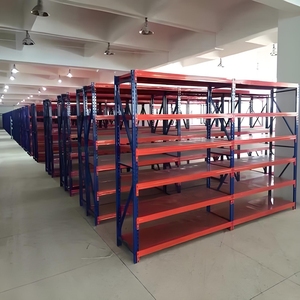
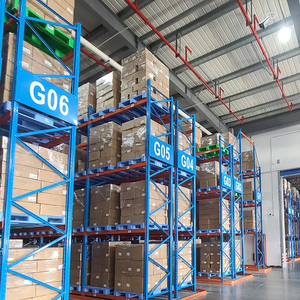
As the Sultanate of Oman solidifies its position as the premier transshipment and multi-modal logistics gateway linking the Arabian Gulf, East Africa, and the Indian Subcontinent, industrial storage standards must evolve beyond legacy methods.
Under the national mandate of Oman Vision 2040 and the expansion of the ASYAD integrated logistics network, mega-developments such as the Sohar Port and Freezone (SIPC), Special Economic Zone at Duqm (SEZAD), Salalah Free Zone, and Khazaen Economic City demand precision-engineered steel pallet racking systems capable of withstanding acute environmental and structural challenges.
For procurement directors, warehouse engineers, and supply chain operators across Oman, selecting the right racking exporter is no longer merely a pricing calculation. It requires deep compliance with stringent EN 15512 and RMI (Rack Manufacturers Institute) deflection standards, hot-dip galvanization (ISO 1461) to counteract coastal marine humidity, and optimized seismic resistance tuned to Southern Oman and Hajar Foothills tectonic specifications.
Direct Cross-Border Supply Chain: With complete roll-forming, automatic stamping, and robotic welding facilities based centrally in the regional GCC hub (Ajman Free Zone), we provide turnkey engineering, cross-border overland freight through the Hatta–Al Wajajah / Hafeet transit corridors, and rapid deployment within 48 to 72 hours across Northern and Southern Oman.
Distinct geographic zones across the Sultanate exhibit drastically differing microclimates, handling speeds, and product densities. Our systems are engineered around regional operating demands.
Primary Application: Petrochemical, Polymer Storage & Heavy Metals Logistics.
Technical Need: High load-bearing beam profiles (up to 4,500 kg per pair) using Q355B cold-rolled steel. Heavy single-deep and drive-in configurations withstand intensive 24/7 terminal operations, paired with structural column protectors to absorb container handler and reach truck impacts.
Primary Application: Oil & Gas Upstream Supply Bases, Marine Engineering Spares.
Technical Need: Extreme hyper-saline coastal exposure (ISO 12944 C5-M corrosivity). Systems utilize hot-dip galvanized uprights and epoxy-zinc coatings (min. 85 microns) to prevent oxidation from aggressive Arabian Sea salt mist, combined with heavy cantilever racking for drill pipes.
Primary Application: FMCG, E-Commerce, Retail Central Distribution (CDC).
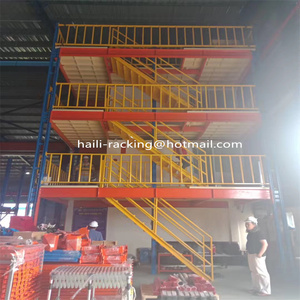
Technical Need: High SKU diversity and rapid inventory turns. Multi-tier rack-supported mezzanine floors and narrow aisle (VNA) systems maximizing 12m–15m clear warehouse heights. Equipped with automated pallet runner shuttles for fast-moving consumer consumables.
Primary Application: Pharmaceutical Cold Storage, Fresh Produce & Fisheries Export.
Technical Need: Operating environments down to -28°C. Cold-chain storage requires specialized low-temperature impact-resistant alloy steels to prevent ductile-to-brittle transitions. High-density shuttle systems maximize refrigerated volume, reducing thermal loss per pallet position.
Primary Application: Domestic Manufacturing, Assembly Plants, Electrical Components.
Technical Need: Flexible layout modifications. Teardrop and slotted omega upright designs with 50mm and 75mm beam adjustment pitches allow plant managers to adapt racking levels as product geometries change without costly downtime or structural re-welding.
Evaluate load dynamics, volumetric storage efficiency, and handling equipment compatibility before engineering your warehouse layout.
| Racking System | Typical Load Rating | Floor Space Utilization | Direct Pallet Selectivity | Optimal Omani Use Case |
|---|---|---|---|---|
| Selective Pallet Racking | 1,000 – 4,500 kg / beam level | 40% – 45% (Aisle dependent) | 100% Immediate Access | FMCG, 3PL distribution hubs in Khazaen, retail logistics |
| Double Deep Racking | 1,200 – 3,200 kg / level | 55% – 60% | 50% Immediate (Pantograph truck) | Dry food storage, manufacturing raw materials |
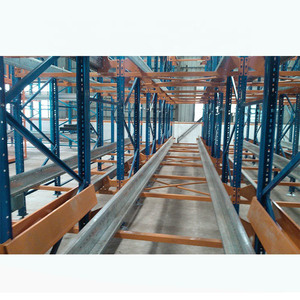
| Drive-In / Drive-Through | Up to 1,800 kg / pallet slot | 65% – 75% High Density | LIFO or FIFO by lane | Cold storage in Salalah, high-batch seasonal goods |
| Radio Shuttle Automation | 500 – 2,000 kg / pallet | 80% – 85% Maximum Cube | Semi-automated lane picking | Frozen seafood processing, large-scale pharmaceutical CDC |
| Heavy Duty Cantilever | 500 – 1,500 kg per arm | Adjustable linear footprint | 100% Unobstructed Access | Duqm steel pipes, aluminum extrusions, timber yards |
| Rack-Supported Mezzanine | 350 – 1,200 kg / m² deck load | 200% – 300% (Vertical doubling) | Multi-tier manual & palletized | Automotive spare parts in Muscat, e-commerce sortation |
Structural Steel Metallurgy Note: All upright profiles are roll-formed using certified SS400 or Q235B/Q355B cold-rolled coil with continuous automated hole punching at 50mm/75mm intervals. Beam connectors utilize 3-, 4-, or 5-claw high-strength interlocking hooks equipped with spring-loaded steel safety pins to prevent accidental dislodgement during seismic movements or operator error.

Oman's warehousing sector is experiencing a monumental transition driven by soaring land values in prime commercial zones, stringent safety audits by the Civil Defence and Ambulance Authority (CDAA), and sustainability directives under ESG governance.
Unlike trading intermediaries, we control every manufacturing step in-house—from cold-coil slitting to CNC robotic welding and electrostatic powder coating.
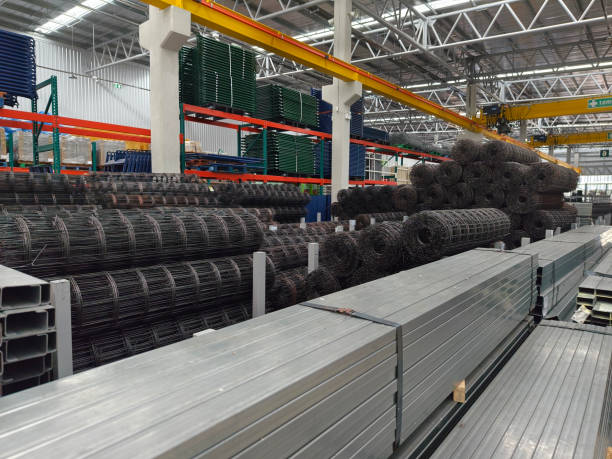
Every batch of Q235B/Q355B coils undergoes ultrasonic flaw inspection and tensile yield strength testing before slitting.
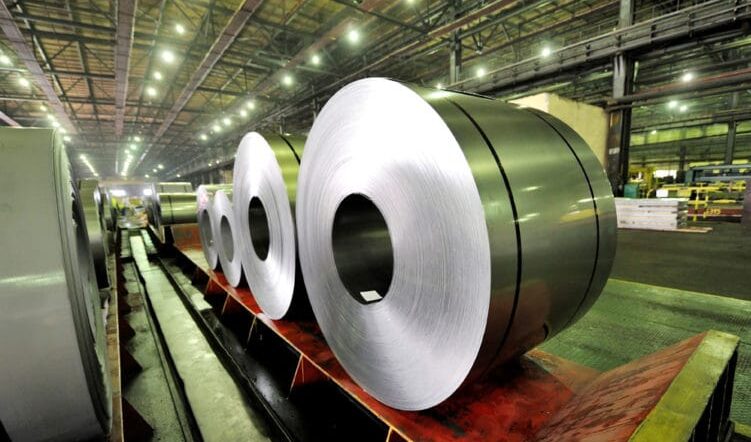
Multi-station computer-controlled continuous roll formers ensure exact dimensional tolerances across all upright and box beam profiles.
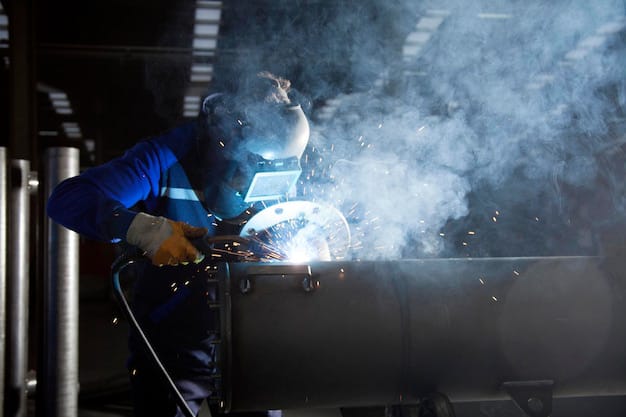
High-penetration robotic MIG welding secures connector brackets to beams, guaranteeing complete seam consistency without thermal distortion.
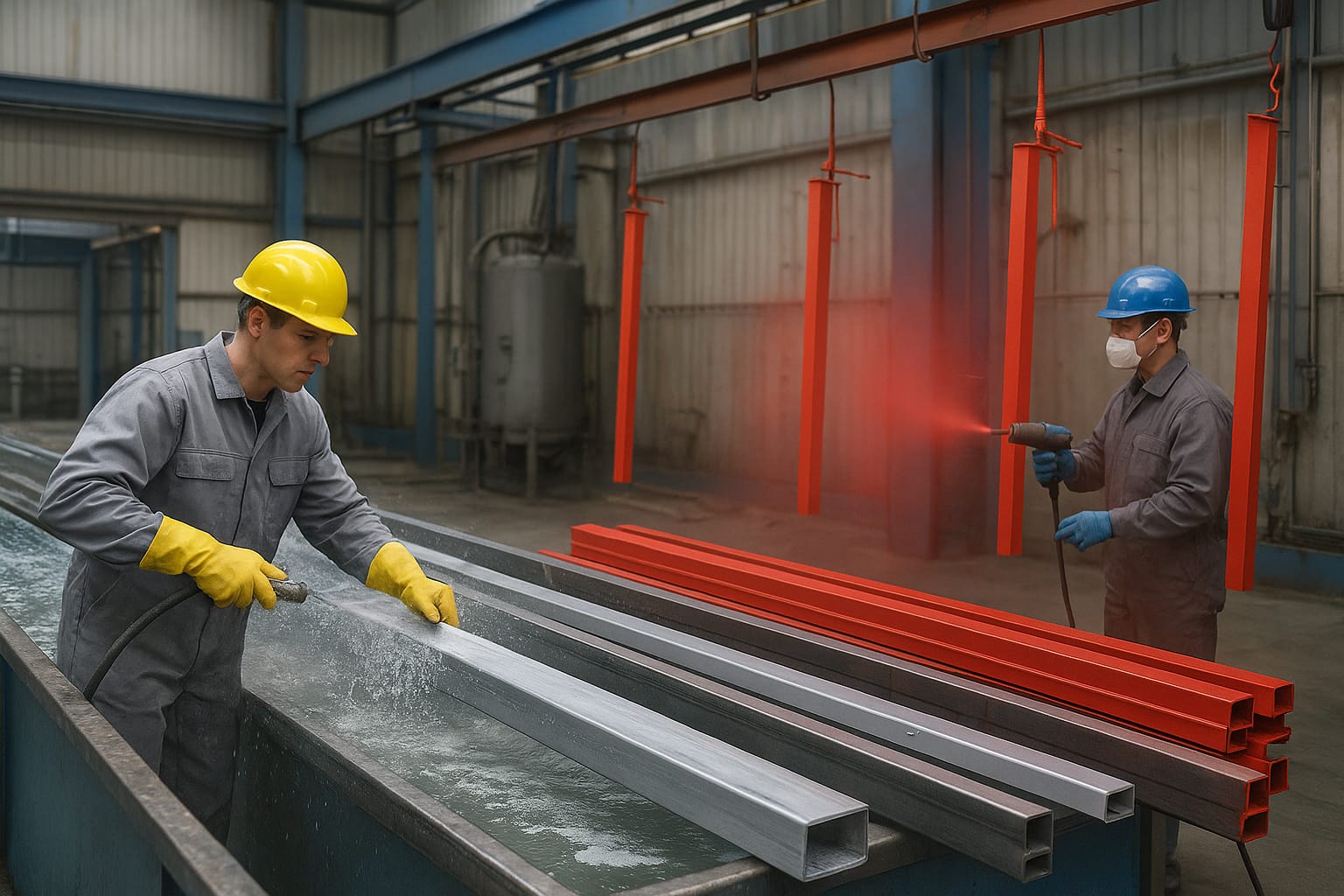
7-stage degreasing, zinc phosphate pre-treatment, and automated electro-static powder bake, followed by sea/overland export crating.
Strict QA protocols verify beam deflection (EN 15512 L/200 limit), weld penetration, coating thickness (70–90µm), and cross-section tolerances for every production lot destined for Oman.
Located in the regional manufacturing center with immediate access to cross-border routes into Oman. Standard shipments reach Muscat, Sohar, or Nizwa in under 48 hours via flatbed/curtain-side trucks.
Certified installation engineers handle ground floor levelling with laser shims, chemical baseplate anchoring (M12/M16 Hilti standards), load rating signage installation, and final safety handover sign-off.
Essential guidance on customs, certifications, seismic calculations, and environmental specifications for logistics directors.
Shipments originating from our manufacturing facility qualify under the GCC Unified Customs Tariff framework. Products manufactured in the GCC with minimum local value-addition criteria enter the Sultanate of Oman duty-free upon presentation of an authorized GCC Certificate of Origin and industrial exemption certificates via the Royal Oman Police (ROP) Bayan Customs single-window system. We prepare all necessary shipping documentation, export packing declarations, and commercial invoices to ensure frictionless border clearance at Al Wajajah or Hafeet border crossings.
The predominant pallet format in Oman and the broader GCC is the 1200mm (Depth) x 1000mm (Width) 4-way entry perimeter base pallet (standard ISO industrial pallet), followed by the 1200mm x 800mm Euro pallet in specialized food and pharmaceutical sectors. For standard two-pallet bays using 1000mm pallets, our engineers configure standard clear beam spans of 2300mm or 2700mm (for 3-pallet configurations) with minimum 75mm to 100mm clearance between pallets and upright frames to ensure safe forklift operator maneuvering.
For high-humidity and saline environments characteristic of Oman's coastal ports, standard electro-galvanizing or light paint is insufficient. We offer two levels of surface protection:
1) Outdoor / Semi-Covered: Continuous hot-dip galvanization conforming to ISO 1461, yielding an average coating thickness of 85–100 microns that acts as a sacrificial zinc barrier.
2) Enclosed Warehouses: A 7-stage chemical pre-treatment (degreasing, iron/zinc phosphating, deionized rinsing) followed by automated electrostatic deposition of architectural polyester-epoxy powder cured at 200°C for exceptional resistance against atmospheric salt spray (tested to ASTM B117 salt spray standards for over 500 hours).
Yes. Omani Civil Defence (CDAA) mandates precise open chimney effects across warehouse racking to facilitate early sprinkler activation and uninhibited water curtain penetration. Our CAD engineers incorporate dedicated 150mm longitudinal flue spaces (between back-to-back rows) and 75mm transverse flue spaces between adjacent pallet positions. We supply heavy-duty drop-in wire mesh decking or steel pallet backstops with integrated safety stop tabs to prevent pallet overhang from encroaching into critical fire safety voids.
To produce an optimized structural layout and structural engineering quote, our design team requires:
• Architectural floor plan (.DWG or dimensional PDF) detailing column grids, doors, and building clear heights.
• Concrete floor slab data (thickness, compressive strength, rebar mesh, and maximum allowable point load in kN).
• Pallet parameters: Dimensions (W x D x H including product), gross weight per pallet, and load overhang.
• Material handling equipment (MHE): Forklift / Reach truck model, mast collapsed height, maximum lift height, and minimum right-angle stacking aisle width (Ast).
Because all roll-forming, cutting, punching, and coating operations are centralized in-house, standard pallet racking projects of 1,000 to 5,000 pallet positions typically ship within 14 to 21 business days from approved CAD sign-off. High-bay automated systems or custom multi-tier mezzanines require approximately 3 to 4 weeks. Once delivered on site in Muscat, Sohar, or Salalah, our factory-trained installation technicians erect between 150 and 250 pallet positions per day, depending on clear height and building readiness.