Direct supply and global export of heavy-duty cold-formed upright columns, high-density shuttle racking, dynamic mold storage, and industrial safety barriers compliant with European structural guidelines.
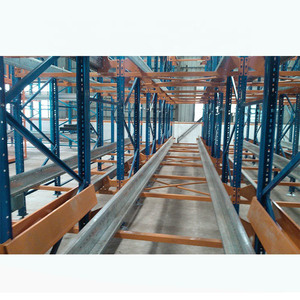
Analyzing cold-formed open profiles, second moment of area, residual stress relief, and European standard load transfers under operational strain.
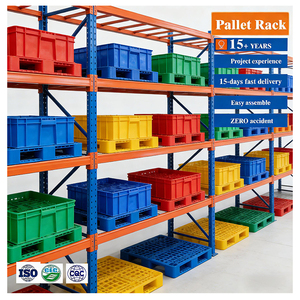
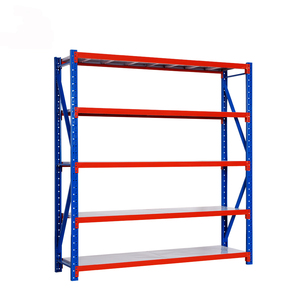
In modern industrial intralogistics, the racking upright column (puntal de estantería industrial) functions as the foundational compression and flexural member of any static storage installation. The upright does not merely support gravity dead-loads; it actively resists complex second-order axial bending moments, lateral sway induced by forklift material placement, floor settlement eccentricities, and dynamic seismic accelerations. For Spanish logistics facilities operating under rigorous European structural design frameworks, deploying uprights engineered to exact metallurgical specifications is paramount to preventing catastrophic localized buckling and global frame collapse.
Our upright columns are fabricated utilizing high-grade structural steel conforming to EN 10025-2 (grades S275JR, S355JR) and advanced cold-forming micro-alloyed steels conforming to EN 10149-2 (grades S355MC, S420MC). The cold-roll-forming procedure subjects the flat steel strip to continuous multi-station progressive bending rollers. This specific manufacturing discipline induces strain hardening (work hardening) along the profile bends and outer return flanges, deliberately elevating the material's yield strength by 8% to 15% across critical stress nodes without embrittling the steel core.
Technical Design Principle (UNE-EN 15512:2020 Compliance): Pallet racking uprights are thin-walled, open cold-formed sections prone to distortional and torsional-flexural buckling. Our continuous roll-forming lines integrate return flanges with structural stiffeners, maximizing the sectional radius of gyration ($i_x, i_y$) and raising the elastic critical buckling load ($N_{cr}$) under heavy combined stress.
Within the Iberian market, storage architects frequently evaluate the comparative structural performance between conventional C-profiles and multi-ribbed Omega (Ω) upright sections. Our standard upright design utilizes an optimized multi-bend Omega geometry characterized by continuous return lips and front-face return bends. This complex geometry dramatically enhances the polar moment of inertia and warping constant ($I_w$), providing superior structural resistance against torsional rotation caused by asymmetrical pallet placement.
| Profile Model | Width × Depth (mm) | Material Thickness | Steel Grade | Sectional Area (cm²) | Moment of Inertia Ix (cm&sup4;) | Maximum Frame Capacity |
|---|---|---|---|---|---|---|
| SP-Omega 80 | 80 × 70 mm | 1.8 mm – 2.0 mm | S355MC / EN 10149 | 3.82 cm² | 28.4 cm&sup4; | Up to 11,500 kg |
| SP-Omega 100 | 100 × 70 mm | 2.0 mm – 2.5 mm | S355JR / EN 10025 | 5.14 cm² | 61.2 cm&sup4; | Up to 18,000 kg |
| SP-Omega 120 | 120 × 95 mm | 2.5 mm – 3.0 mm | S420MC / EN 10149 | 7.68 cm² | 142.5 cm&sup4; | Up to 26,500 kg |
| SP-Heavy 140 | 140 × 115 mm | 3.0 mm – 3.5 mm | S420MC / EN 10149 | 10.42 cm² | 278.0 cm&sup4; | Up to 34,000 kg (High-Bay) |
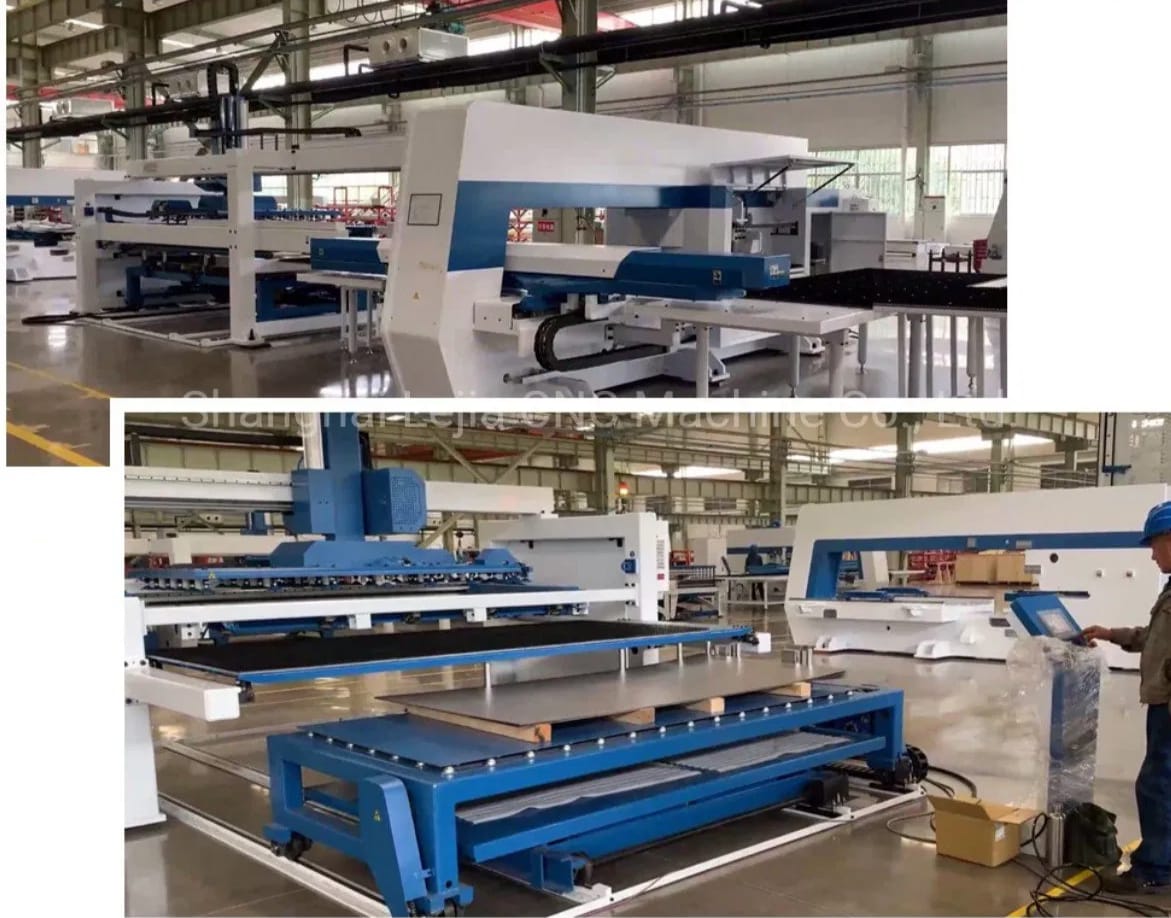
The frontal face of the upright column is perforated via high-speed, multi-stage automated CNC mechanical punching presses. In Spain and broader Western Europe, two perforation architectures dominate: the 50mm metric pitch and the 75mm standard pitch. The 50mm pitch delivers granular vertical adjustability, allowing warehouse operations to optimize vertical cube utilization by tailoring clearance levels precisely around standard European pallet heights (800 × 1200 mm EUR 1 / EPAL and 1000 × 1200 mm EUR 2). Our progressive tooling guarantees a punch tolerance of less than ±0.05mm, preserving beam-connector locking tang engagement and preventing notch-induced stress concentrations.
Tailoring upright configurations to Spain's primary logistics platforms, multimodal hubs, and climate-conditioned agricultural export facilities.
The Madrid-Guadalajara logistics axis (A-2) and the southern dry-port hubs in Illescas (La Sagra) handle Spain's highest concentration of high-velocity e-commerce and national FMCG distribution. Facilities require narrow-aisle (VNA) upright columns capable of supporting clear heights exceeding 14 meters with minimal deflection to ensure automated crane navigation and wire-guided turret truck efficiency.
Land availability premiums around the Zona de Actividades Logísticas (ZAL) and Vallès Occidental demand extreme vertical volume density. Our high-bay selective upright columns and rack-supported multi-tier platforms double usable square meters within existing industrial envelopes, engineered strictly in accordance with local urban fire compartmentation and floor loading limits.
As Southwestern Europe's largest rail-air-road intermodal platform, PLAZA connects trans-European freight corridors. Intensive rail shunting demands high-density, multi-deep Pallet Shuttle racking systems. Our upright columns integrate reinforced bottom sections and heavy baseplates engineered to endure dynamic vibration and aggressive shuttle docking cycles.
From Ribarroja in Valencia down through Murcia and Almería, the European export fruit, vegetable, and seafood trade mandates deep-freeze cold storage (-25°C). Upright columns deployed in these facilities receive specialized low-temperature impact-tested steel and high-adhesion powder coating to combat dew-point condensation, frost buildup, and cryogenic brittleness.
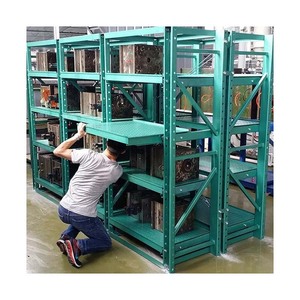
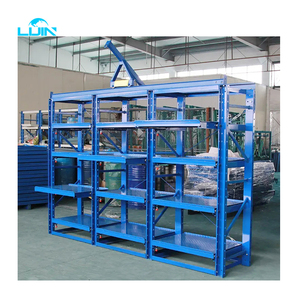
The northern industrial manufacturing ecosystem centers on Tier-1 automotive metal stamping, precision tooling, and machine fabrication. Storage systems here must support heavy dies exceeding 3,000 kg per shelf level. Our drawer-type mold racks utilize thick-gauge S420MC upright profiles with integrated structural roller guides for cantilevered die pull-outs.
Navigating the mandatory Spanish and European engineering codes governing cold-formed pallet racking installation, maintenance, and seismic resilience.
Within Spain, the commercialization, structural calculation, and validation of steel storage structures are governed by the harmonized European standards adopted by the Asociación Española de Normalización (UNE) and enforced under workplace safety guidelines (INSST - Instituto Nacional de Seguridad y Salud en el Trabajo). Procurement managers cannot treat upright columns as generic commodities; every component must be backed by a verified Memoria de Cálculo.
Our upright designs undergo stringent empirical full-scale testing at accredited laboratories to determine actual stub-column capacity, shear stiffness of beam-to-column connector assemblies, and baseplate anchor uplift resistances.
NTP 852 Compliance Notice: Under Spain's Nota Técnica de Prevención 852 (Almacenamiento en estanterías metálicas), industrial employers are legally required to maintain structural inspection logs and ensure that damaged upright columns are repaired or replaced immediately using certified manufacturer-original components.
Steel static storage systems – Adjustable pallet racking systems – Principles for structural design. Mandates limit state calculation methods for perforated cold-formed members.
Tolerances, deformations, and clearances. Establishes allowable column out-of-plumb verticality (≤ H/500) and clearance dimensions for Class 100 to Class 400 systems.
Application and maintenance of storage equipment. Dictates rigorous visual inspection protocols (Green, Amber, Red hazard classification levels for upright bends).
Norma de Construcción Sismorresistente. Mandatory dynamic earthquake design for installations in Southern Spain (Granada, Almería, Murcia, and Alicante).
How automation, warehouse electrification, nearshoring, and circular sustainability metrics are redesigning upright column engineering requirements.
Spanish supply chains are rapidly transitioning from manual forklift corridors to Autonomous Mobile Robots (AMRs) and automated stacker cranes (transelevadores). Automated handling eliminates manual driver tolerance, requiring upright columns to maintain ultra-precise dimensional consistency to prevent collision between robot sensors and steel upright profiles.
Geopolitical supply chain realignment has accelerated manufacturing nearshoring across Catalonia, Valencia, and the Basque Country. Stamping plants require dedicated modular drawer-type mold racks capable of housing heavy plastic injection tools and metal stamping dies, driving increased demand for high-section-modulus upright posts.
Spanish corporate logistics tenants operating under BREEAM and LEED certified buildings demand low-embodied-carbon steel solutions. Our facility incorporates pre-treatment degreasing baths free of heavy metals and 100% recyclable thermosetting polyester powder coatings that emit zero volatile organic compounds (VOCs).
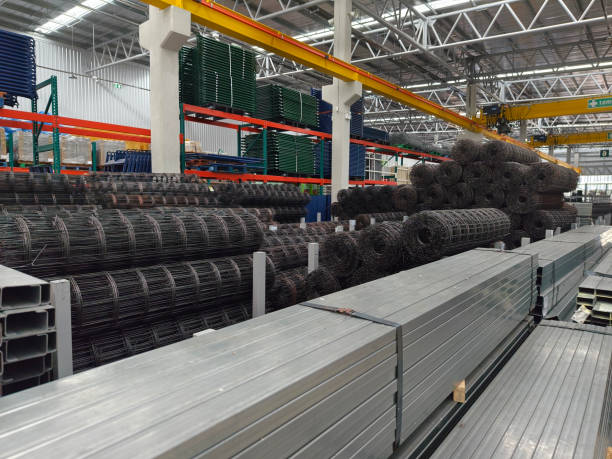
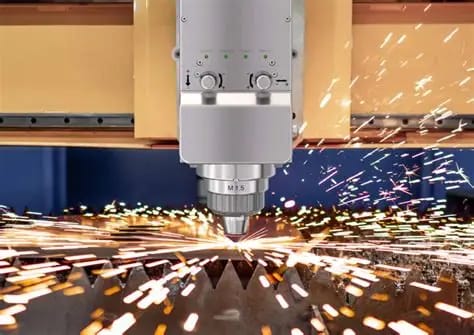
Operating a world-class manufacturing complex with certified raw material intake, CNC cold roll-forming lines, automated punching units, and direct export packing to major Spanish maritime ports.
Unlike trading intermediaries, our manufacturing backbone in the Ajman Free Zone encompasses over 20 years of hands-on structural storage engineering. By controlling every single phase of the fabrication process — from primary steel coil slit-cutting to multi-pass roll forming, automated high-speed punching, robotic welding, surface passivation, and powder coating — we guarantee consistent metallurgical tolerances and uncompromised supply chain agility for European engineering contractors.
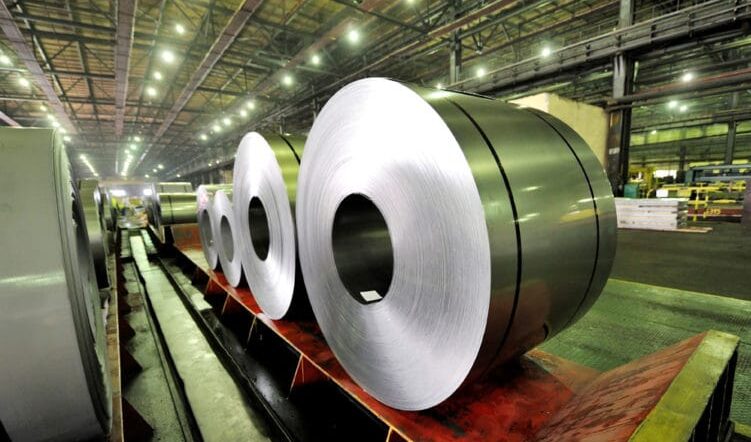
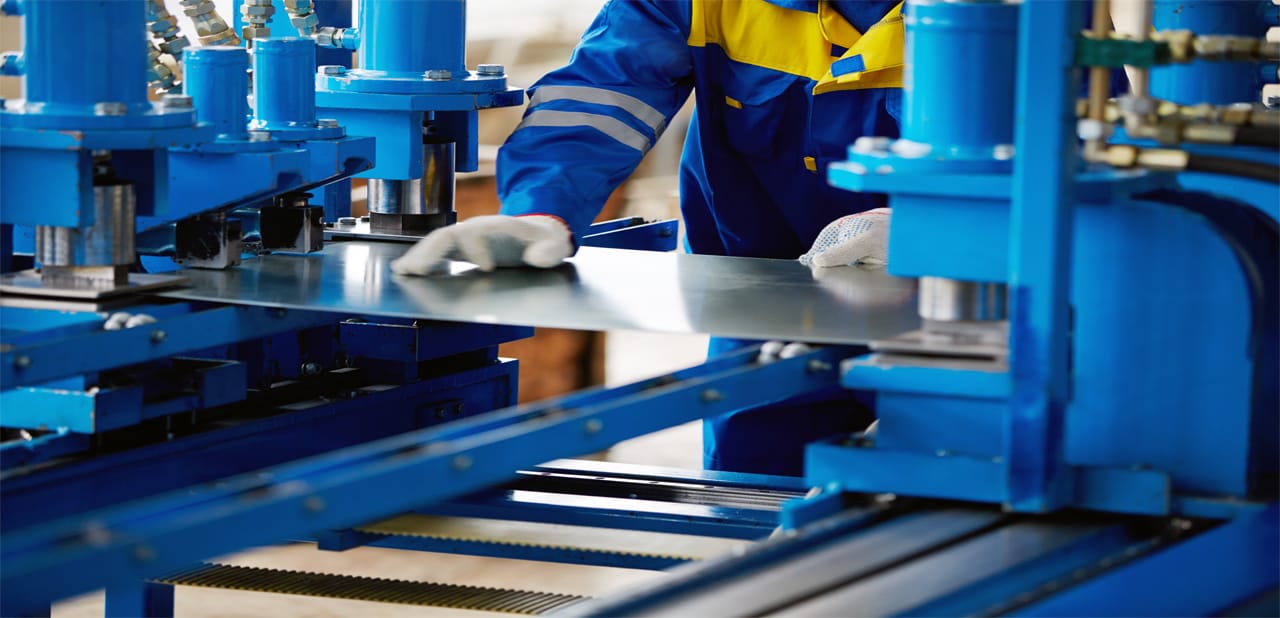
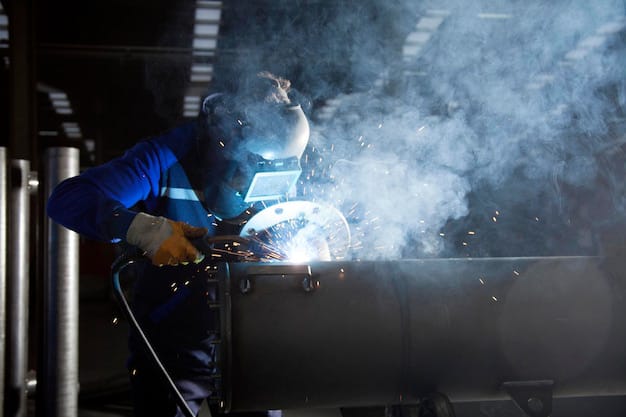
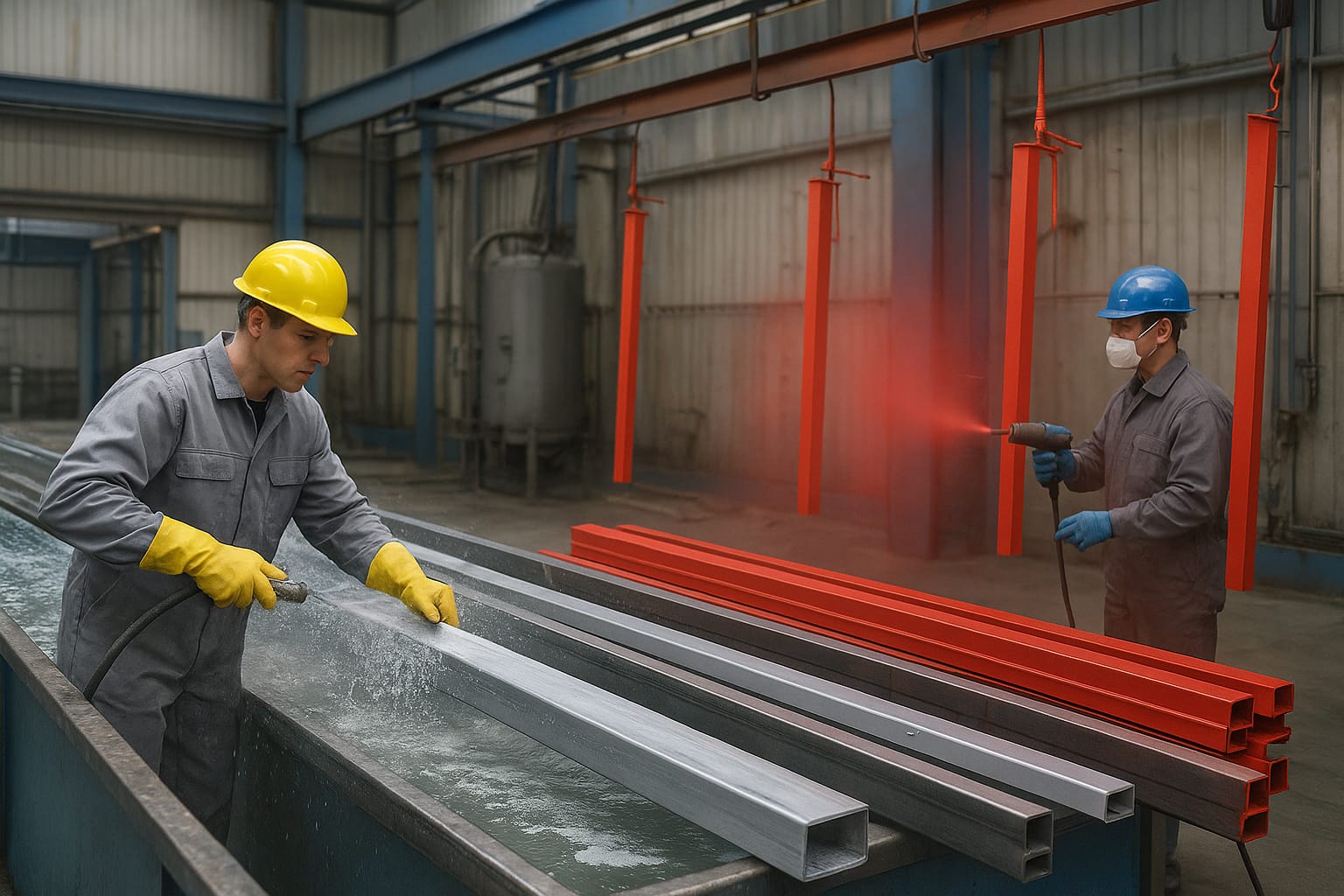
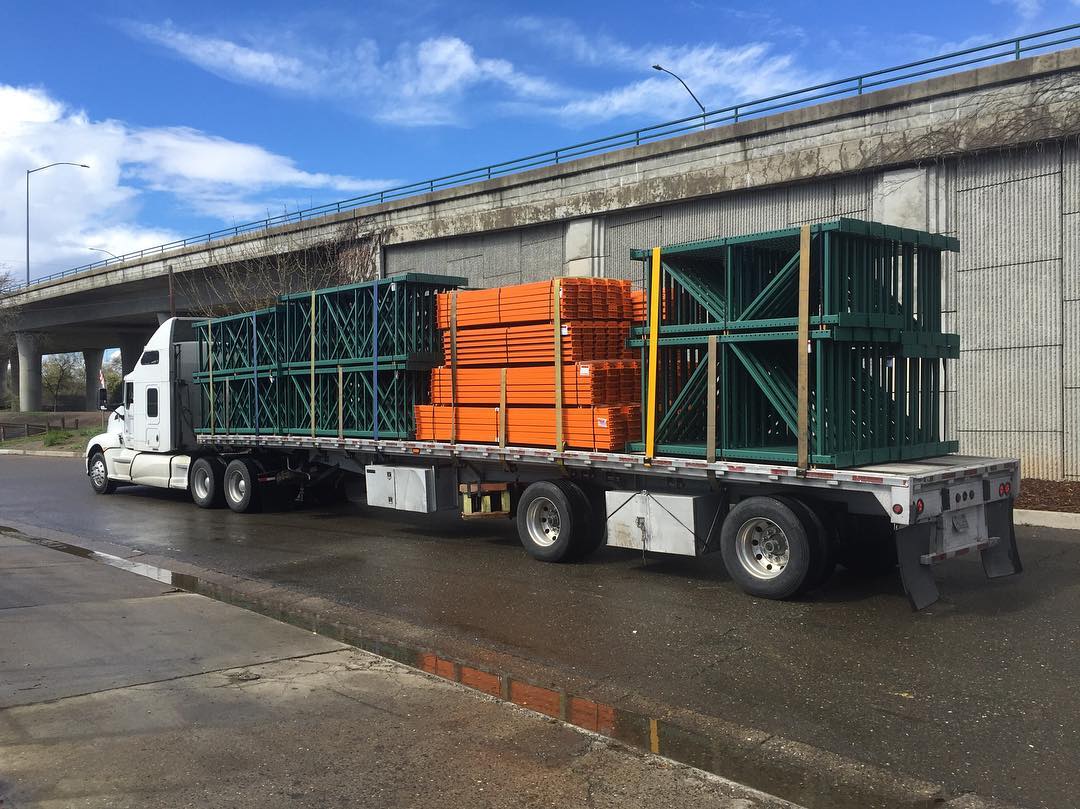
Export Route Logistics: Direct weekly containerized shipments from Jebel Ali Port to Spain's primary maritime gates — Port of Valencia, Port of Barcelona, Port of Algeciras, and Port of Bilbao. Upright frames are packaged in knock-down format, separated by moisture-barrier protective wraps, corner board armor, and heavy steel banding to prevent handling distortion or maritime corrosion during transhipment.
Detailed engineering, regulatory, customs, and logistical clarifications for project contractors, intralogistics architects, and warehouse operators in Spain.
Our upright columns are calculated and manufactured strictly adhering to the limit state design principles outlined in UNE-EN 15512. We test perforated cold-formed open profiles for stub-column axial strength, torsional-flexural buckling, and connection shear stiffness. With every commercial project quotation, our structural engineering department supplies an extensive calculation note (Memoria de Cálculo) verifying allowable bay load limits, deflection coefficients (≤ L/200), and steel mill inspection certificates conforming to EN 10204 Type 3.1.
We routinely execute shipments under CIF (Cost, Insurance, and Freight) or CFR to Spain's primary commercial container terminals: Port of Valencia (serving Madrid via the central rail dry port), Port of Barcelona (serving Catalonia and the Ebro Valley), Port of Bilbao (serving the Basque Country and Northern Spain), and Port of Algeciras (serving Andalusia). For clients requiring door-to-door delivery, we coordinate with accredited Spanish customs agents to offer DAP or DDP terms direct to job sites.
Yes. Our automated CNC punching machines support both standard 50mm Euro-pitch and 75mm teardrop/hook configurations. We regularly engineer replacement upright frames and frame extenders designed to seamlessly mate with existing major European profile designs, maintaining compatible hook-slot geometry, diagonal bracing hole patterns, and safety locking pin apertures.
For cold storage and deep-freeze logistics in regions like Murcia or Valencia, we utilize micro-alloyed cold-formed structural steel grades (such as S355MC or S420MC) tested for Charpy V-notch impact energy at -20°C and -40°C to prevent catastrophic brittle transition. For finish options, we recommend our automated high-thickness electrostatic polyester powder coating (minimum 80–100 microns) or pre-galvanized structural steel strips (Z275 coating) to resist condensation corrosion during defrost cycles.
Under the Spanish seismic building code (NCSE-02) and Eurocode 8 (EN 1998-1), provinces such as Granada, Almería, Murcia, and Alicante exhibit peak ground acceleration values ($a_g$) requiring rigorous seismic verification. We calculate upright cross-sections, baseplate anchoring shear cones, and portal frame bracing to resist dynamic horizontal inertia forces, preventing progressive frame collapse during low-to-medium seismic excitations.
Importing steel racking components into Spain (EU Customs Union) is classified under HS Code / TARIC Code 730890 (Structures and parts of structures of iron or steel). We provide complete commercial invoices, packing lists with net/gross weights per bundle, ocean bills of lading (B/L), Certificates of Origin (COO), and EN 10204 Type 3.1 chemical and mechanical mill test sheets, ensuring rapid customs dispatch at the port without administrative hold-ups.
Uprights can be delivered as completely welded frames or in knock-down (bolted) configurations. To optimize maritime freight container cube efficiency (reducing freight cost per ton), we predominantly export knocked-down upright frames. The cold-rolled uprights are strapped into dense, timber-padded bundles with VCI (Vapor Corrosion Inhibitor) plastic wrap, and all frame bracing and high-tensile grade 8.8 galvanized hardware are securely crated in fumigated ISPM-15 wooden boxes.
Because all profile cutting, roll forming, punching, and coating operations are conducted inside our own Ajman manufacturing plant, manufacturing lead times for full container loads (FCL) typically range between 15 to 25 working days. Maritime transit from Jebel Ali to Port of Valencia or Port of Barcelona is approximately 20 to 24 days, allowing Spanish logistics contractors to receive custom-engineered systems within 6 to 8 weeks from engineering approval.
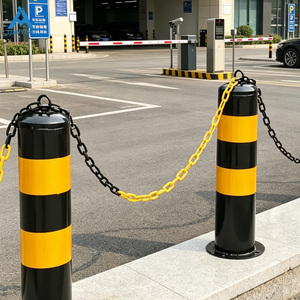
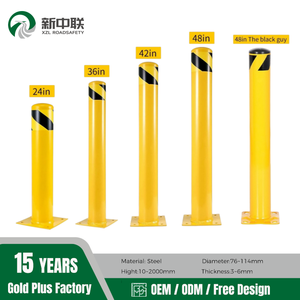
In accordance with NTP 852 and UNE-EN 15635, all end-of-aisle and tunnel upright columns exposed to forklift traffic must be equipped with independent floor-anchored steel column guards. We manufacture heavy-gauge C-channel and wrap-around polyurethane-steel composite upright protectors, as well as fixed baseplate warning posts and tubular aisle barriers engineered to absorb at least 400 Joules of kinetic impact energy without transferring shock loads into the upright frame.
Yes. Our engineering department translates your site architectural drawings into fully optimized 2D/3D CAD layouts detailing rack run layouts, clear heights under ceiling trusses, flue spaces, and aisle dimensions matched to your forklift mast clearances. For major Spanish installations, we provide on-site technical supervisors or collaborate directly with certified local Spanish installation teams to ensure leveling, anchoring, and final sign-off compliance.
Collaborate directly with our senior structural engineering team. Submit your warehouse dimensions, pallet load profiles, and seismic parameters for an immediate CAD layout proposal and factory-direct export quotation.