Tailored for logistics operators, automotive distributors, pharmaceutical warehouses, and industrial processors across Tashkent, Samarkand, Bukhara, and Navoi Free Industrial Economic Zone.
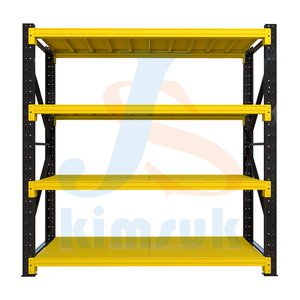
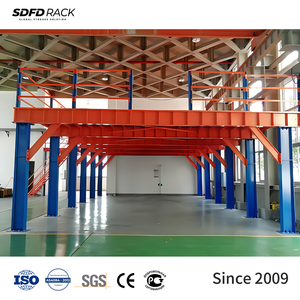
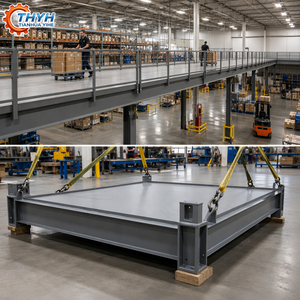
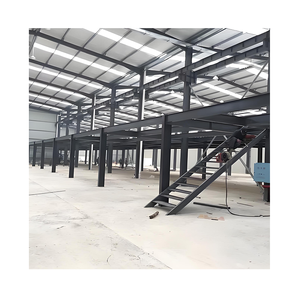
Analyzing the supply chain infrastructure shift driven by the "Uzbekistan - 2030" national strategy, Silk Road multimodal freight connectivity, and Class-A distribution constraints.
The Republic of Uzbekistan is experiencing unprecedented structural economic transformation. Situated at the geographic and economic crossroads of Central Asia, the nation serves as the primary gateway for intra-regional trade, Silk Road freight corridors (China–Kyrgyzstan–Uzbekistan transport axis), and Trans-Caspian multimodal transit. Under the overarching umbrella of the "Uzbekistan - 2030" Strategy, state-directed liberalization, deregulation of foreign trade, and aggressive industrialization have triggered double-digit growth in domestic manufacturing, third-party logistics (3PL), e-commerce ecosystems (notably Uzum Market and Zoodmall), and pharmaceutical distribution.
However, this phenomenal commercial expansion faces an acute physical bottleneck: the severe scarcity and escalating rental cost of modern industrial real estate. In prime industrial zones such as Tashkent City, the Sergeli and Bektemir districts, the Zangiata logistics node, and the specialized economic enclaves of Navoi, Angren, and Jizzakh, vacancy rates for Grade-A and Grade-B logistics hubs consistently register below 2.5%. Land acquisition costs, urban boundary rezoning regulations, and protracted municipal utility hook-up lead times make greenfield horizontal warehouse expansion commercially unviable or excessively slow for enterprises operating under rapid scale demands.
Tashkent's central logistics perimeter is bounded by strict zoning laws. Modular steel platforms allow retailers and freight forwarders to add thousands of picking square meters without acquiring additional urban industrial plots.
A freestanding or rack-supported modular mezzanine system costs 65% to 75% less per square meter than conventional civil building additions, provides full asset depreciation benefits, and qualifies as demountable capital equipment.
Because all uprights, main girders, joists, and decking panels are 100% pre-engineered, roll-formed, and punched in our facility, on-site assembly is 100% boltless or dry-bolted, eliminating disruptive on-site welding or wet civil work.
Rigorous dynamic load calculation, moment connection engineering, and base-plate anchoring designed specifically for the geological characteristics of the Tashkent and Fergana Basins.
A fatal vulnerability in standard imported racking and steel platforms in Central Asia is the complete disregard for localized seismic hazard profiles. Eastern and Southeastern Uzbekistan, encompassing Tashkent, the Fergana Valley (Namangan, Andijan, Fergana), and Samarkand, are classified under national building standard KMK 2.01.03-96 ("Construction in Seismic Regions") as zones vulnerable to seismic shocks measuring 7 to 9 on the MSK-64 scale. Applying standard static load criteria in these regions risks catastrophic progressive collapse during dynamic lateral ground acceleration events.
As a seasoned industrial manufacturer with two decades of structural engineering expertise, we execute comprehensive finite element modeling (FEM) for every mezzanine framework exported to Uzbekistan. Our engineering methodology integrates dynamic response spectrum analysis to determine inter-story drift limits, secondary lateral torsional buckling, and joint stress concentrations.
| Structural Parameter | Standard Static Mezzanine (Generic) | Our Engineered Mezzanine for Uzbekistan | Operational Benefit in Uzbek Facilities |
|---|---|---|---|
| Seismic Acceleration Coefficient | A = 0 (Static Assumption) | A = 0.1g to 0.4g (KMK 2.01.03-96 compliant) | Zero platform collapse risk under dynamic magnitude 7–9 ground shocks. |
| Main Structural Steel Grade | Commercial Grade Q195 / Low Carbon | High-Tensile Cold Rolled Q235B & Q355B (S355JR Equiv.) | 35% higher yield strength with optimal ductile plastic deformation capacity. |
| Column Upright Profile | Thin-gauge open C-channel (1.5mm) | Heavy-duty Omega (Ω) Boxed or Structural RHS Columns (2.0–4.0mm) | High resistance to torsion, horizontal impact from reach trucks, and axial buckling. |
| Beam-to-Column Connection | Friction clip-on tabs without lock pins | Multi-tooth safety lock connectors + High-Tensile 8.8 Structural Bolting | Prevents beam dislodgement under high-frequency vertical and lateral vibrations. |
| Lateral Bracing System | Minimal or zero perimeter bracing | Engineered X-bracing, K-bracing & heavy knee portal brackets | Distributes cyclic lateral shear forces directly into the slab foundation. |
| Anchorage Engineering | Standard sleeve expansion anchors | Chemical capsule anchors or Heavy-Duty M16–M24 Wedge Anchors | Resists anchor concrete breakout and dynamic cyclic pull-out forces. |
Furthermore, our engineering team verifies the load transfer mechanics to your facility's concrete foundation. In pre-engineered buildings (PEBs) throughout Uzbekistan's industrial corridors, floor slabs often feature varying thicknesses (150mm to 250mm) and reinforcement levels. By utilizing custom-engineered, load-distributing base plates (ranging up to 400mm x 400mm x 20mm), we ensure that punching shear pressures remain strictly within the allowable bearing capacity of your concrete substrate, avoiding costly sub-slab retrofitting.
Selecting the optimal mezzanine architecture based on SKU density, handling equipment, deflection parameters, and fire safety mandates.
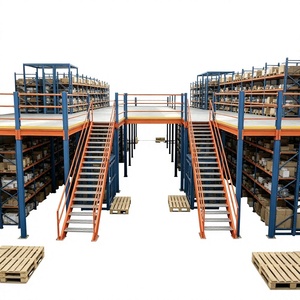
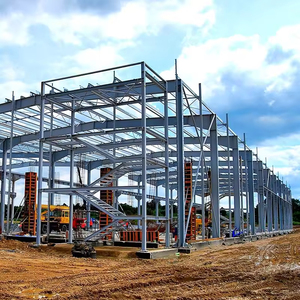
Utilizes structural I-beams, H-beams, and heavy RHS square hollow sections. Provides wide column spans (up to 8-10 meters) beneath the platform. Ideal for ground-level manufacturing, forklift lanes, assembly machinery, or automated sorting conveyors where open floor space is essential.
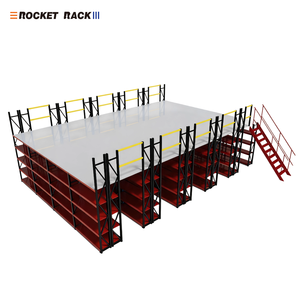
The platform floor is structurally supported by the heavy-duty pallet racking or longspan shelving uprights beneath it. Highly cost-effective for multi-tier carton picking, garment on hanger (GOH) operations, and automotive spare parts where dense shelving storage is required on all levels.
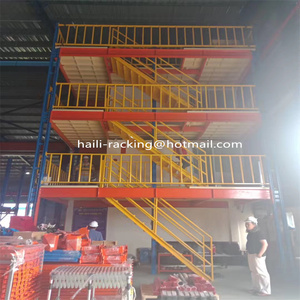
Engineered for intense e-commerce fulfillment hubs (3-tier to 4-tier designs). Integrates vertical continuous conveyors, spiral chutes, goods lifts, and integrated high-density carton flow channels to achieve massive daily throughput without expanding ground footprint.
Depending on fire safety standards enforced by the Ministry of Emergency Situations of the Republic of Uzbekistan, acoustic demands, and rolling equipment, we provide four proven floor decking configurations:
Engineered storage solutions solving regional infrastructure challenges from Tashkent's urban core to Navoi's specialized free trade zones.
In high-velocity sorting facilities handling thousands of SKUs daily, 3-tier rack-supported mezzanine platforms maximize SKU density for manual carton picking, integrated directly with automated spiral chutes and gravity discharge rollers.
Custom high-capacity structural platforms (1,500kg - 2,500kg/m²) supporting mining machinery spare parts, tooling stations, and overhead electrical equipment, keeping lower floor spaces clear for crane and heavy forklift transit.
Specialized multi-tier attic loft systems designed for high-density fabric rolls, yarn storage, and garment on hanger (GOH) modules. Features fire-rated galvanized open grating floors aligned with fire prevention inspection rules.
Sanitary, dust-free electrostatic powder-coated mezzanine modules for temperature-controlled pharmaceutical warehouses complying with national GDP (Good Distribution Practice) regulations, maintaining uniform thermal convection.
Direct manufacturer control over every millimeter of cutting, roll forming, automatic punching, welding, and surface treatment—eliminating middleman premiums and execution delays.
Unlike commercial trading companies or broker networks that outsource manufacturing to disparate subcontracting workshops, Signature Racking Systems operates a comprehensive, state-of-the-art manufacturing plant. With over 20 years of hands-on structural racking engineering, we maintain total ownership over the fabrication lifecycle from prime raw coil slitting to automated electrostatic powder coating.
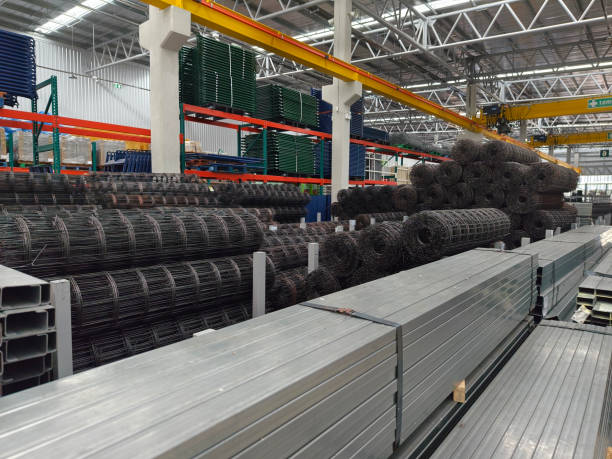
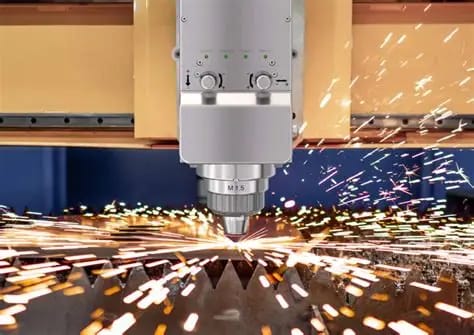
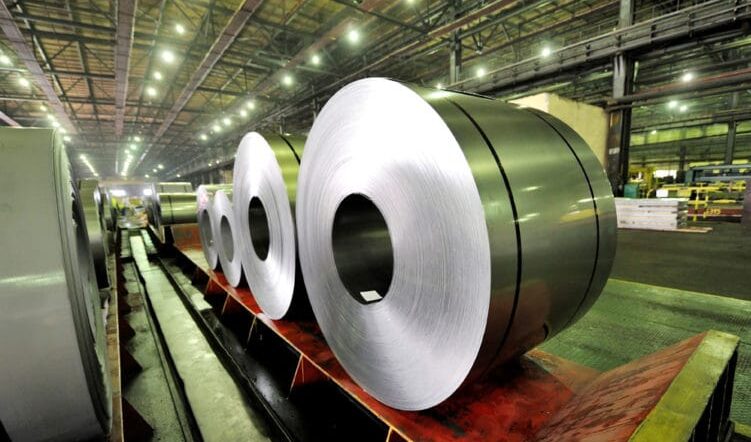
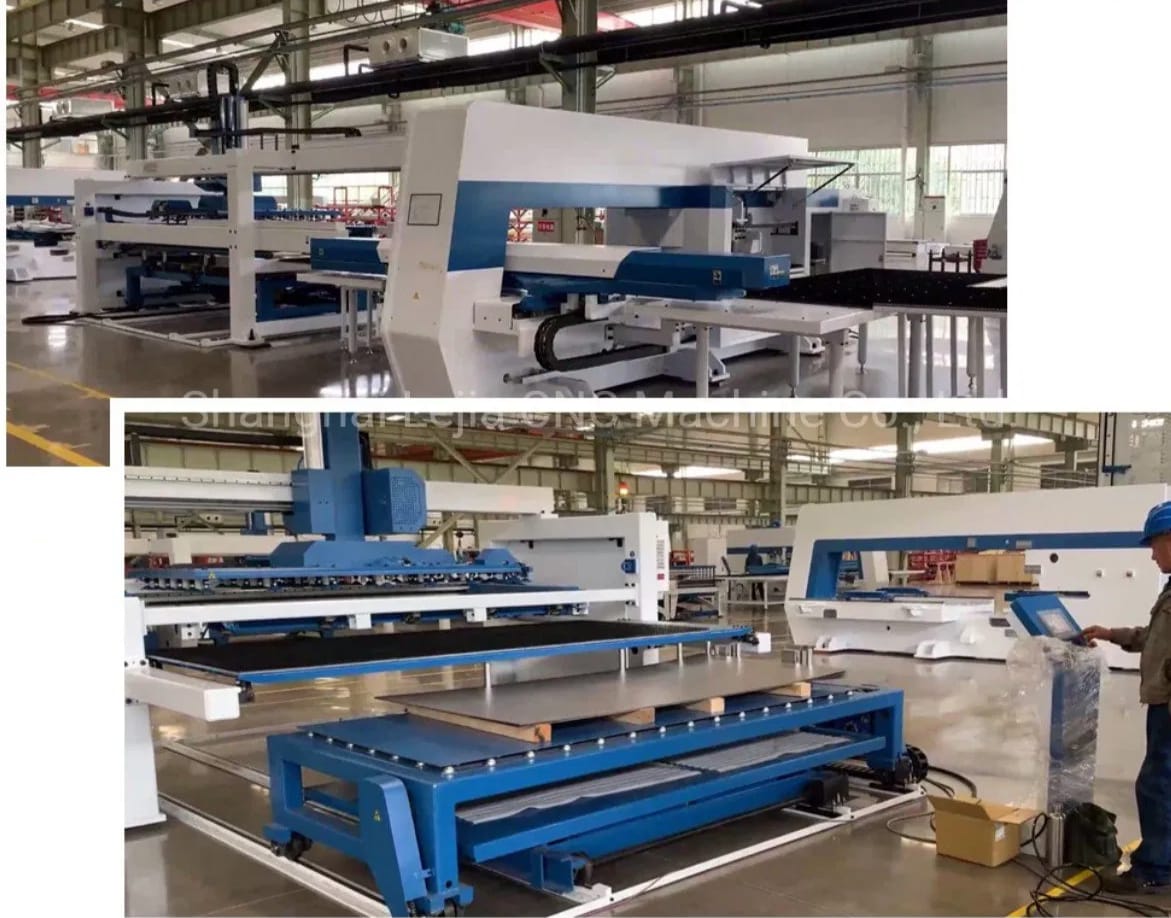
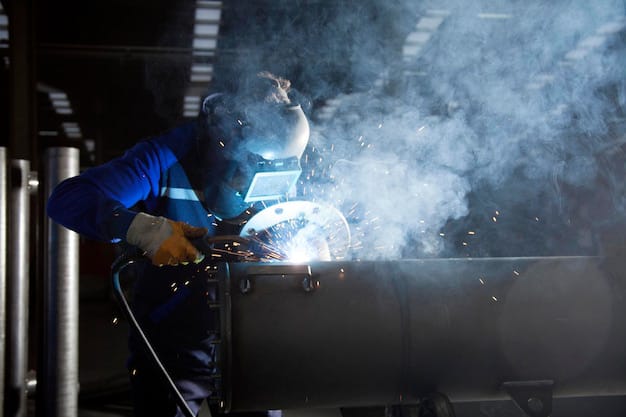
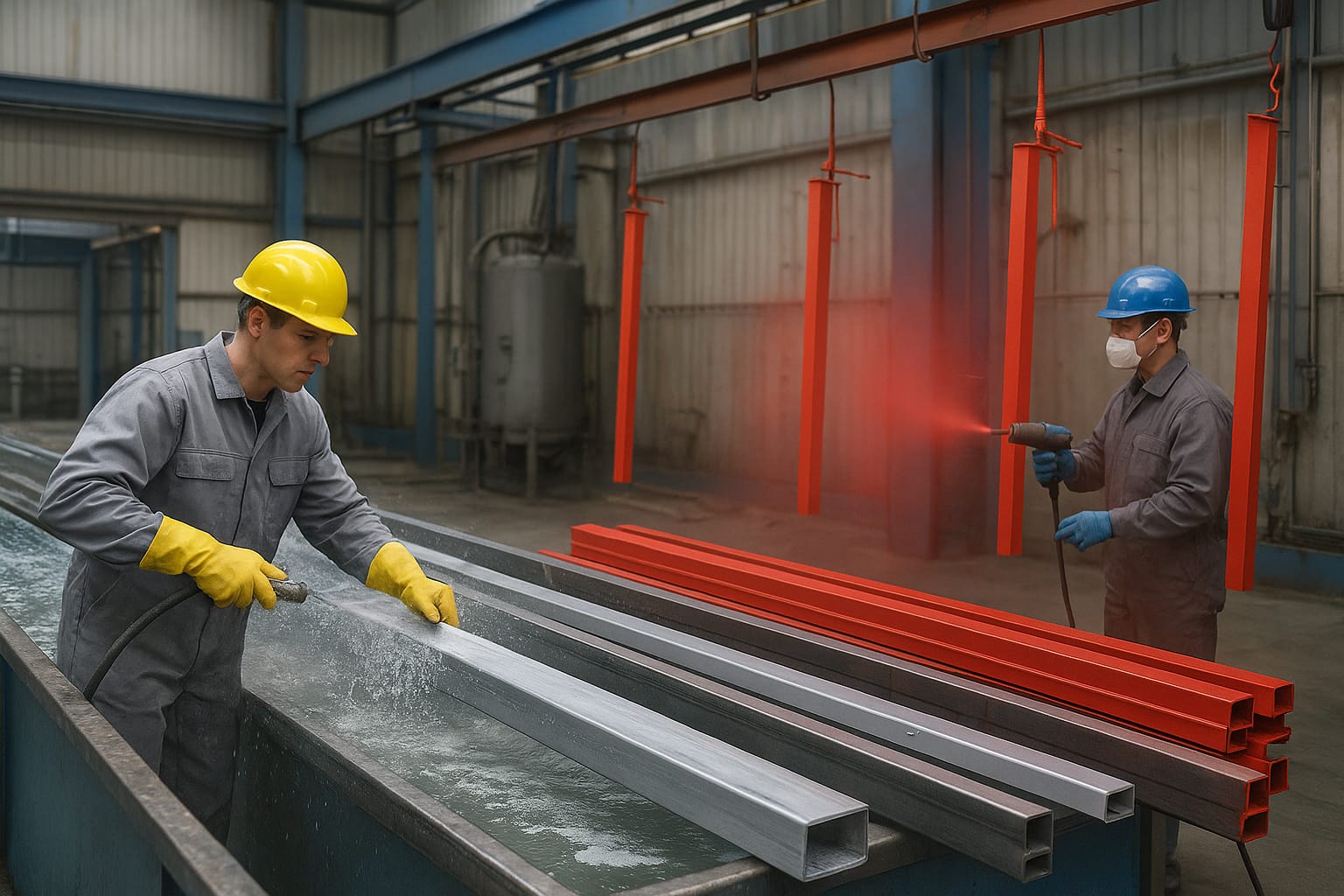
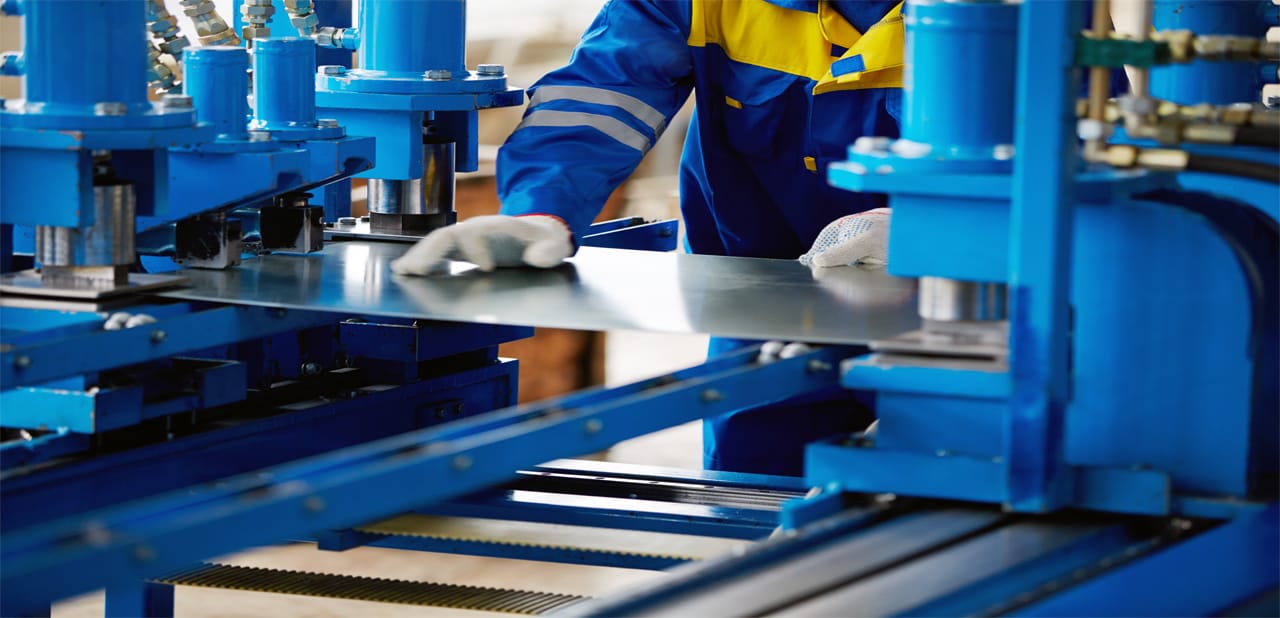
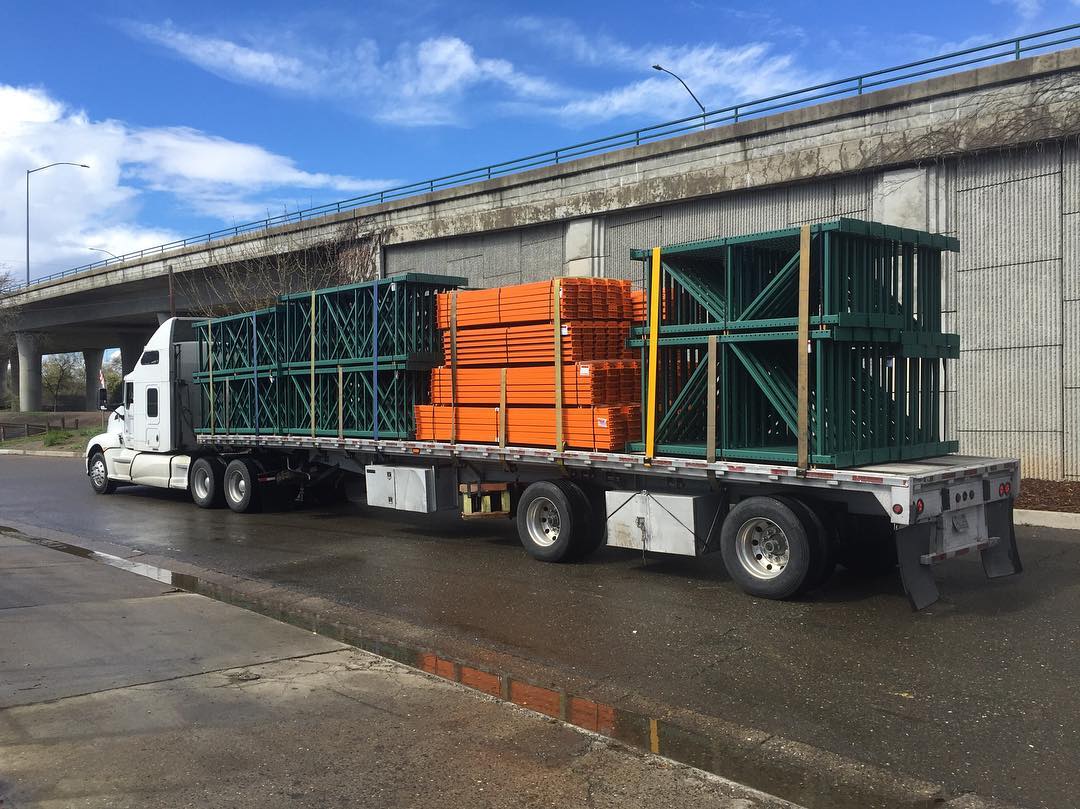

Over two decades dedicated to high-density warehouse racking and structural steel design, having engineered more than 1,500 comprehensive installations across the GCC, CIS, and international logistics corridors.

All raw materials arrive with mill test certificates (MTC). Every component undergoes structural tolerance verification, load testing, and powder coating thickness audits (minimum 60–80 microns).

We do not force rigid standard sizes. Our engineering department develops 100% custom-tailored 2D AutoCAD and 3D BIM structural layout models tailored around your warehouse columns, sprinkler pipes, and forklift turn radius.
End-to-end export execution designed to eliminate border friction, optimize container payload, and ensure zero-defect installation handover.
Exporting structural steel systems into landlocked Uzbekistan requires sophisticated supply chain orchestration. Transport logistics must navigate transcontinental railway networks or international road corridors (TIR). As an experienced exporter, Signature Racking Systems provides complete, stress-free delivery management from factory gate to your site foundation.
All beams, uprights, staircases, and floor panels are bundled in Completely Knocked Down (CKD) configurations. Uprights and beams are nested with protective polyethylene separators and heavy-duty steel banding, allowing maximum weight utilization (up to 26–28 metric tons per 40ft HQ container) without component scratching or transport distortion.
We provide comprehensive export documentation under international HS Code 730890 (Structures and parts of structures of iron or steel), including legalized Commercial Invoices, detailed packing lists with piece counts, Certificates of Origin (Form A / CT-1 where applicable), Mill Test Certificates, and technical passport blueprints for swift clearance through Uzbek Customs posts (Chukursoy, Ark-Bulak, Sergeyeli).
Clients can select either full turnkey assembly by our factory-trained installation crew or dispatch of our senior site engineer for on-site supervisory direction. Every project concludes with laser verticality verification, torque audit on all anchor bolts, load signage certification, and formal facility commissioning.
Practical, transparent answers regarding local compliance, structural engineering, delivery timelines, and technical integration.
Yes. Every mezzanine framework destined for Tashkent, the Fergana Valley, or other seismic-active zones is custom-engineered using finite element dynamic analysis. We integrate heavy-gauge cold-rolled or structural steel columns, multi-bolt beam connectors, engineered X/K lateral bracing systems, and oversized seismic anchor baseplates rated for horizontal accelerations corresponding to 7, 8, and 9 points on the MSK-64 scale.
To produce a comprehensive 2D CAD layout and load calculation, we require: (1) Architectural DWG floor plan or accurate site dimensions; (2) Clear height to the lowest overhead obstruction (roof truss, sprinkler, lighting); (3) Desired uniform distributed load (e.g., 300kg/m², 500kg/m², or 1,000kg/m²); (4) Concrete slab thickness and compressive strength; and (5) Handling equipment specifications (forklift type, lift height, pallet dimensions).
Components are pre-bundled in Completely Knocked Down (CKD) protective packaging and transported either via international railway container transit (40ft HQ rail wagons routed through Central Asian rail junctions) or direct TIR international multi-axle freight trucks. All shipments include detailed container loading plans, serial-numbered component manifests, and standardized HS Code documentation (730890) for straightforward clearance at customs terminals.
For warehouses exceeding specific floor areas, local fire safety inspectors and automated sprinkler regulations require high-ventilation open flooring. For these facilities, our heavy-duty hot-dip galvanized (GI) steel gratings (with 50% to 70% open aperture) are the ideal choice because they allow water from ceiling-mounted sprinkler nozzles and smoke detector airflow to penetrate seamlessly without requiring dedicated under-mezzanine sprinkler piping.
Absolutely. That is the foundational advantage of a modular pre-engineered system over a fixed civil concrete structure. Since all connections are bolted with high-tensile grade 8.8 bolts or clipped with heavy locking brackets, the entire platform, including stairways, safety handrails, and pallet drop gates, can be completely dismantled, transported, and re-erected in a new facility with minimal component loss.
Yes. Our engineering department routinely incorporates dedicated structural openings, perimeter safety interlocks, and reinforced boundary beams to accommodate vertical hydraulic freight elevators, mechanical reciprocating lifts, electric wire-rope hoists, and continuous spiral conveyor chutes for automated parcel handling operations.
Because all roll-forming, cutting, punching, welding, and powder coating lines operate under direct in-house control at our primary production plant, our fabrication turnaround typically averages between 18 and 28 working days following final CAD layout sign-off. Shipping transit to Uzbekistan via rail or road takes approximately 12 to 20 days depending on the selected border corridor.
We provide two flexible options: (1) Dispatching a dedicated installation supervisor to your job site in Tashkent, Samarkand, Navoi, or other regions to oversee, align, and direct your local labor crew; or (2) Supplying ultra-detailed, 3D color-coded assembly drawings, step-by-step installation manuals, and remote video engineering support for independent client execution.
Connect with our structural design department today. Send us your site dimensions, required load ratings, and ceiling clear heights to receive a complimentary 2D AutoCAD layout, load deflection report, and competitive direct factory export proposal.