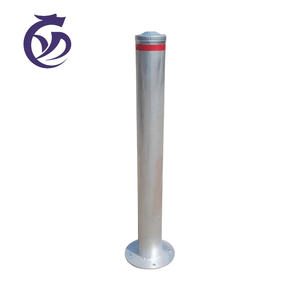
Aisle Protection

Engineered to withstand heavy dynamic pallet cycles, sub-zero warehouse ambient ranges, and high-cube facility demands across the Greater Moscow region.
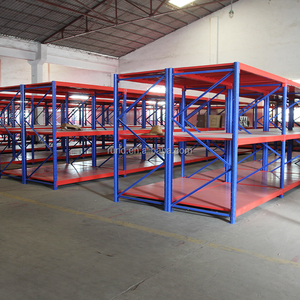
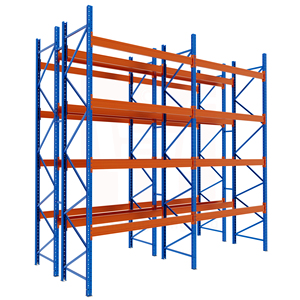
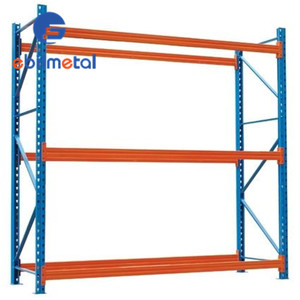
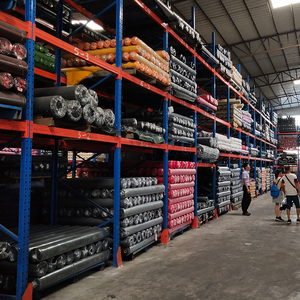
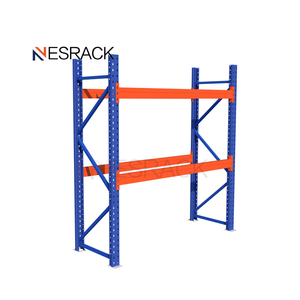
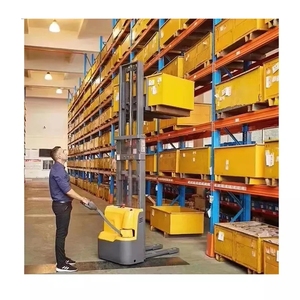
The logistics infrastructure across the Greater Moscow Region (Moskovskaya Oblast) is experiencing an unprecedented structural shift. Historically driven by standard wide-aisle selective pallet configurations, commercial logistics operators, third-party logistics providers (3PLs), and hyper-scale e-commerce operations (such as Wildberries, Ozon, and Yandex Market) now face critical land constraints. With Class A warehouse vacancy rates along the MKAD (Moscow Ring Road) and the Central Ring Road (CKAD/A-113) compressing below 1.2%, industrial rental rates per square meter have escalated significantly.
In response, industrial procurement directors and supply chain engineers must maximize volumetric storage density rather than simply calculating ground footprint. Transitioning from traditional 2.8-meter aisle selective racking to high-density architectures—such as Automated Radio Shuttle Pallet Racking, Drive-In/Drive-Through tunnels, Push-Back dynamic roller lanes, and multi-tier rack-supported platforms—enables warehouse operators to expand cubic pallet capacity by 65% to 85% within existing building envelopes.
Furthermore, serving the Moscow logistics corridor requires strict adherence to localized structural engineering parameters. Systems must comply with Russian state standards GOST R 55525-2017 (Warehouse Equipment - Pallet and Cantilever Racks) and GOST 57381-2017, taking into account seismic tolerances, strict vertical column deflection coefficients (typically L/200 under maximal permissible load), and sub-zero structural metallurgy to eliminate brittle failure risks in refrigerated fulfillment zones.
Comparative mechanical evaluations to optimize selective access, throughput speed, and storage volume index.
A semi-automated high-density platform where self-powered robotic shuttles navigate deep storage channels along precision-formed guide rails. Delivers maximum volumetric density without forklifts entering deep lanes, making it ideal for high-throughput SKU buffering and cold-storage operations down to -30°C.
Eliminates working aisles by allowing counterbalanced or reach trucks to drive directly into lane bays. Configured on a Last-In-First-Out (LIFO) or First-In-First-Out (FIFO) basis, this solution minimizes floor footprint for seasonal consumer goods, beverage distribution, and homogeneous raw materials.
Utilizes nested telescoping rolling carts or inclined gravity rollers on a 2–3% gradient. When a pallet is loaded from the front aisle, it smoothly pushes preceding pallets rearward. Upon retrieval, gravity advances subsequent pallets forward to the pick face, ensuring high SKU selectivity per level.
The following performance indicators highlight the structural thresholds, steel grades, and operational specifications engineered across our industrial production lines serving cold and ambient Moscow installations:
| Storage System Type | Space Utilization Index | Selectivity Profile | Max Pallet Load / Level | Operational Temperature | Primary Steel Spec |
|---|---|---|---|---|---|
| Radio Shuttle Automation | 85% – 90% | LIFO or FIFO by Channel | 500 kg – 2,000 kg | -30°C to +45°C | Q355D / Cold-Resistant Alloy |
| Drive-In Pallet Racking | 75% – 85% | Strict LIFO | 1,000 kg – 1,800 kg | -25°C to +40°C | Q235B / Q355B Hot-Dip Galv option |
| Push-Back Cart Racking | 70% – 78% | LIFO (2 to 6 pallets deep) | 800 kg – 1,500 kg | -15°C to +40°C | Cold-Rolled Structural Steel |
| Heavy Duty Selective Racking | 40% – 50% | 100% Direct Immediate Access | 1,500 kg – 4,500 kg | -25°C to +50°C | High-Yield Cold-Formed Profile |
| Rack-Supported Mezzanine | 100% Vertical Multi-Level | Carton & Hand-Picking Flow | 300 kg – 1,200 kg / m² | Ambient to Chilled (+2°C) | Structural Hollow Section & C-Channel |
*Note: Structural calculations utilize Eurocode 3 (EN 1993-1-3), FEM 10.2.02, and GOST R 55525-2017 load-testing standards. Upright column punch pitches are engineered at 50mm or 75mm intervals to allow beam elevation fine-tuning for standard EUR (800x1200mm) and FIN (1000x1200mm) pallet profiles.
Optimizing high-throughput distribution corridors, FMCG clusters, and manufacturing zones across the capital ring network.
Distribution centers along the southern M-2 and M-4 corridors utilize high-bay pallet racking combined with multi-tier rack-supported platforms. This configuration accommodates high SKU velocity, carton picking lines, and conveyor loading zones while maximizing cube density under 12-to-14-meter clear ceilings.
Sub-zero facilities (-18°C to -28°C) handling poultry, meat, dairy, and ice cream store products in Radio Shuttle and Drive-In systems. Maximizing cubic storage volume cuts electrical refrigeration costs per stored pallet by up to 45%, protecting margins against escalating utility expenses.
Regulated medical logistics zones around northern logistics corridors demand dust-free galvanized decking, rigid aisle protection bollards, and selective beam layouts that support automated batch tracking, validation inspections, and climate-controlled air circulation around critical medical inventory.
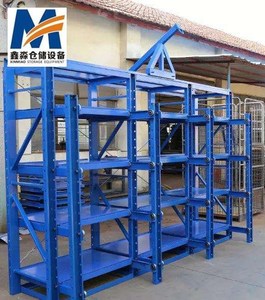
Heavy engineering facilities and injection molding facilities deploy drawer-type mold racks and heavy-duty 4.5-ton beam pallet racks. Ergonomic slide-out shelves allow overhead crane hoists to safely load stamping dies and heavy machine components without forklift collisions.
Industrial logistics inside the Russian Federation presents unique operating conditions rarely encountered in moderate climatic zones. Equipment suppliers serving the Moscow market must address four key engineering challenges:
At sub-zero temperatures (common in unheated peripheral buffers and -30°C freezer chambers), standard carbon steel risks brittle fracture. We utilize specialized hot-rolled and cold-formed coil stock (equivalent to Russian 09G2S and European S355JR/J2) that retains Charpy V-notch impact toughness under severe sub-zero thermal cycling.
Thermal shifts between outdoor winter staging bays (-20°C) and indoor loading docks (+15°C) generate intense condensation. Our pre-treatment includes multi-stage chemical degreasing, zinc-phosphate conversion coating, and high-adhesion electrostatic polyester powder curing (70–90 microns) or continuous hot-dip galvanization (HDG).
Permafrost margin ground dynamics and soil freezing across northern Moskovskaya Oblast require rigorous anchor pull-out verification. Upright baseplates are engineered with broadened footprint plates and M12/M16 chemical or expansion anchor arrays to distribute point loads across Class B25/B30 reinforced concrete industrial slabs.
Russian safety audits require mandatory load rating plates on every bay, certified safety locks on all beam connections, column protectors at aisle intersections capable of absorbing at least 400 J of impact energy, and documented full-scale load test protocols before municipal commissioning.
Operating from our modern production base in Ajman Free Zone, we supply structural steel racking worldwide, combining high precision with direct-from-manufacturer pricing.
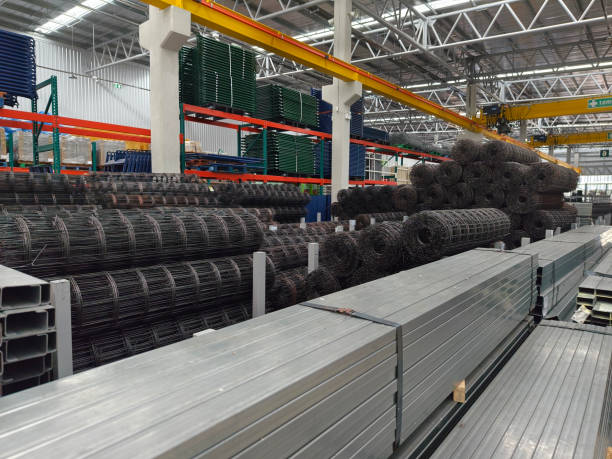
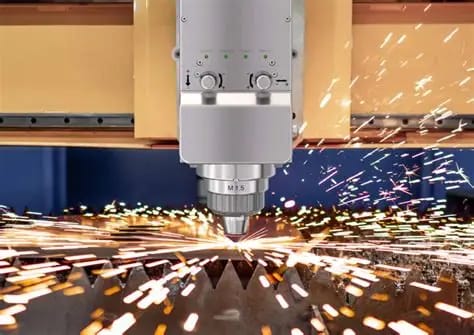
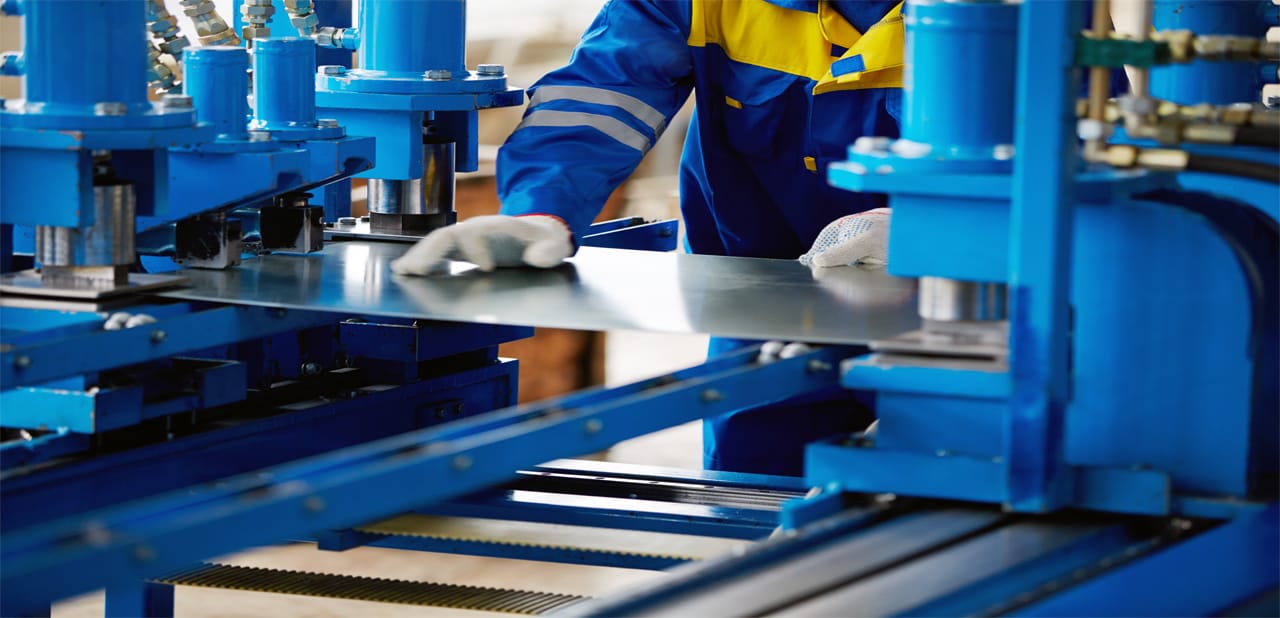
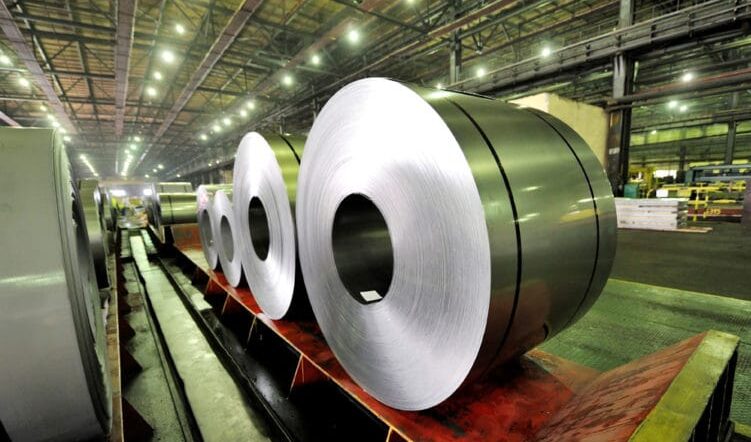
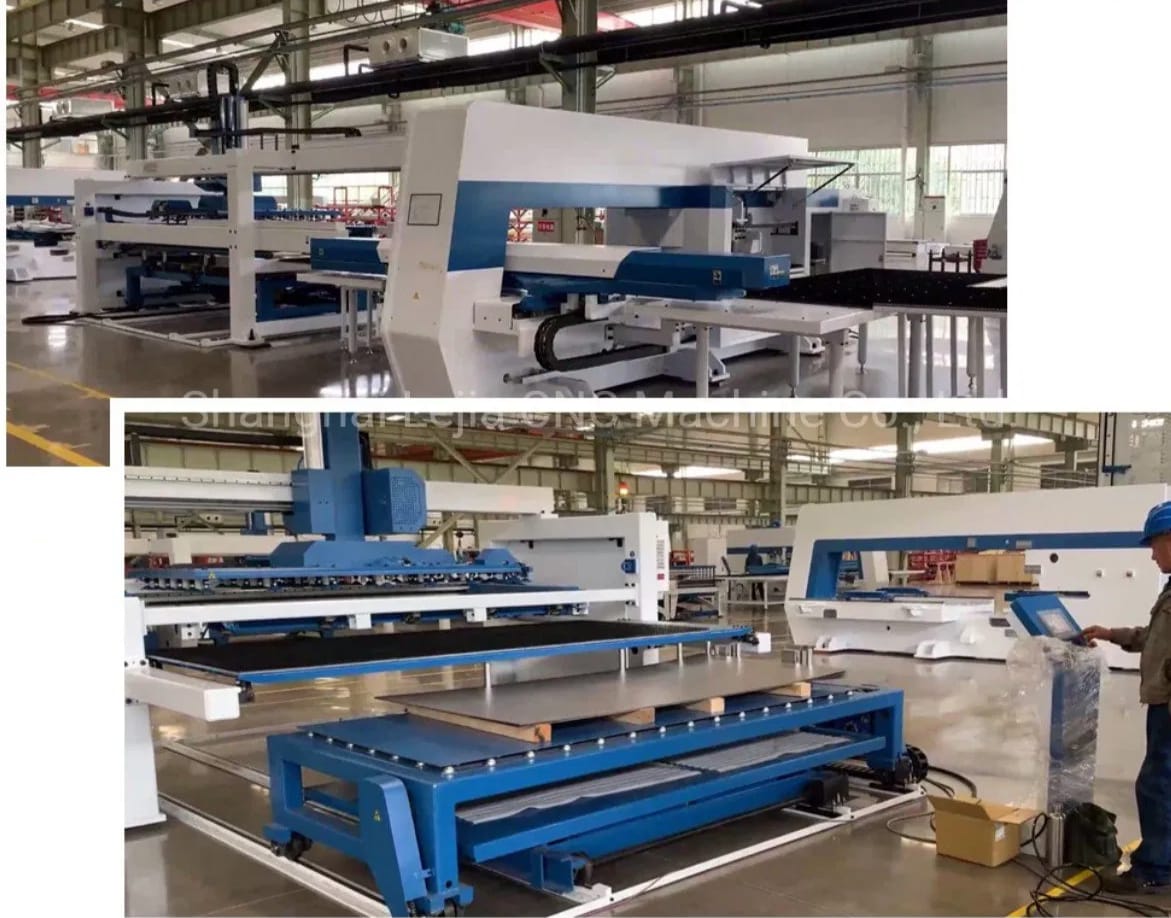
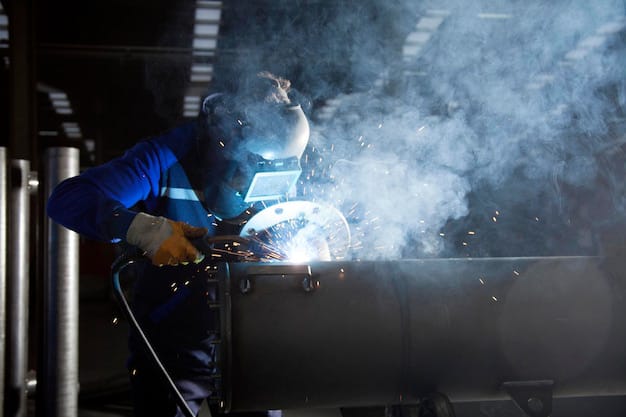
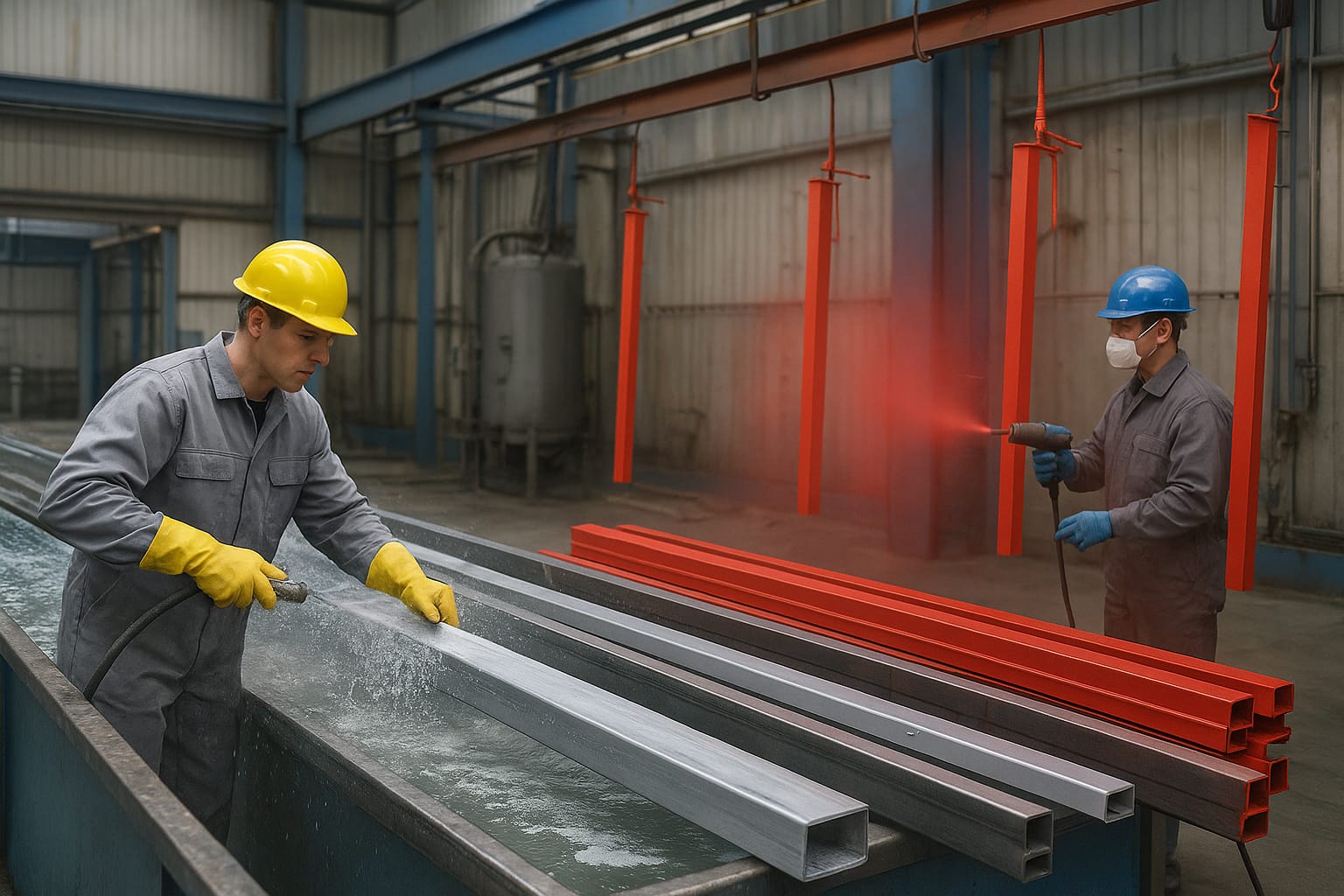
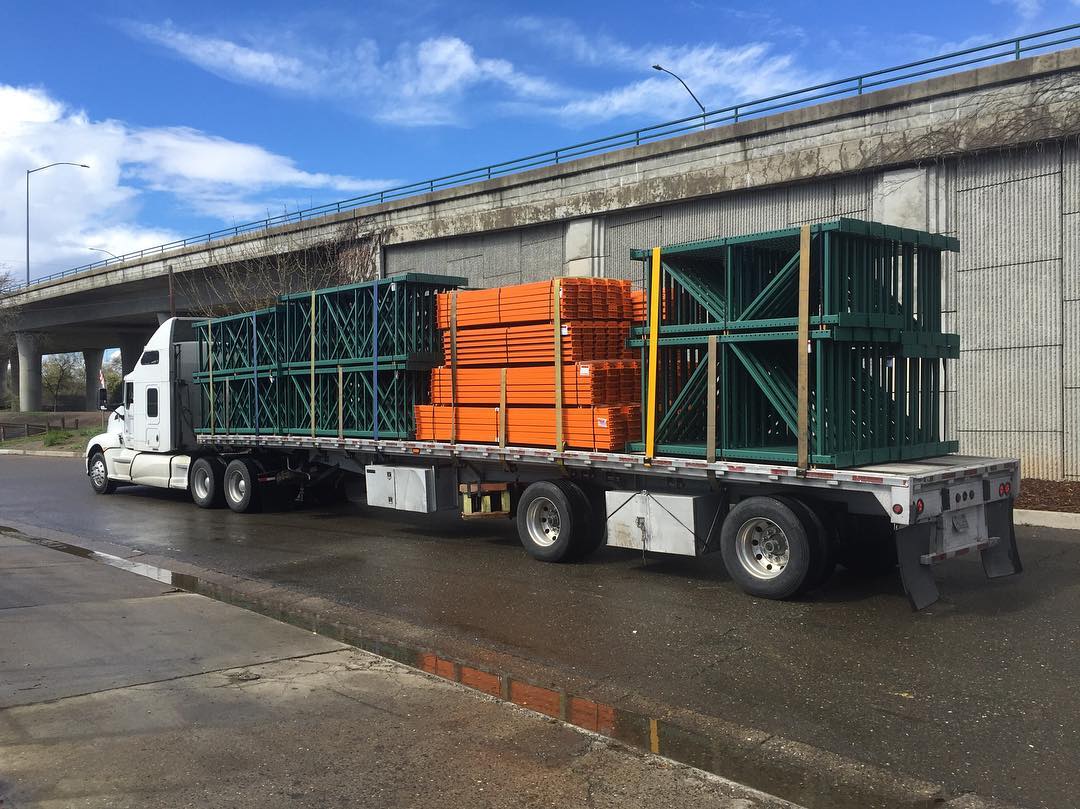
With more than 20 years of dedicated warehouse racking design, roll forming, and fabrication experience, Signature Racking Systems F.Z.C operates as an integrated end-to-end engineering partner. Because every upright profile, box beam, row spacer, baseplate, and safety barrier is manufactured directly inside our Ajman Free Zone facility, we maintain absolute quality control over structural tolerances, steel chemical composition, and delivery schedules.
For project contractors, 3PL developers, and enterprise procurement divisions in Moscow and the CIS region, we supply knock-down components bundled with export-grade protective wrapping, complete CAD layout drawings, finite element analysis (FEA) reports, and comprehensive installation manuals. Whether you need standard selective pallet racks delivered to a Class A park in Podolsk or a bespoke high-density shuttle installation for a cold facility in Dmitrov, our technical team provides complete engineering validation and dedicated export support.
Direct technical and operational answers to common inquiries from Russian logistics engineers, warehouse operators, and procurement specialists.
Connect with our technical design team for site capacity calculations, custom CAD layouts, and load-tested structural manufacturing quotes engineered for your warehouse footprint.