
Explore our industrial-grade storage racks, dynamic flow integrations, structural barriers, and smart warehouse solutions calibrated for modern European distribution centers.
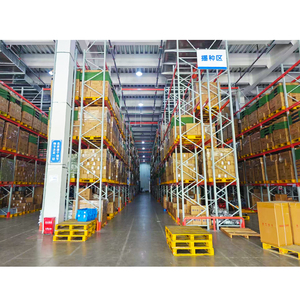
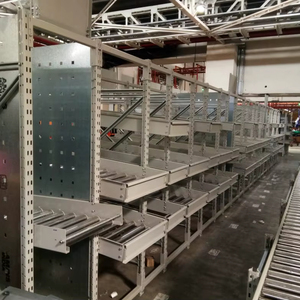
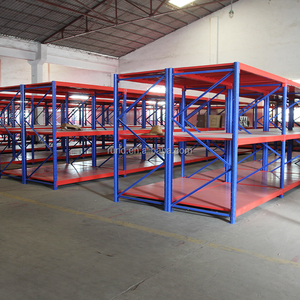
A rigorous look at dynamic angle gradients, centrifugal brake rollers, separating escapements, and high-tensile European steel compliance.
Standard carton flow requires an angle of 2.5° to 3.5° (approx. 4–6% grade), whereas heavy industrial pallets (EPAL 1, EPAL 2, or industrial CHEP formats) demand an engineered slope of 3.0° to 4.0°. Our computational CAD simulations evaluate packaging bottom friction, tote rigidity, and environmental ambient temperature to eliminate product stalling and excessive runaway kinetic impact.
For deep-lane gravity flow tracks exceeding 4 pallet depths (up to 20 pallets deep), speed regulation is vital. We incorporate internal planetary-gear centrifugal brake rollers positioned at exact pitch calculations. As pallet velocity reaches 0.25 m/s, the centrifugal brake activates dynamically, maintaining a smooth, governed gliding velocity from charge to discharge face.
At the picking face of deep gravity lanes, accumulated line pressure can create severe safety hazards during extraction. Our mechanical pedal-operated or pneumatic separator mechanisms hold back the trailing pallet queue by 150mm. This releases line pressure entirely against the front pallet, allowing forklift operators or automated AGVs to lift cleanly without load binding.
Positioned at the crossroads of Pan-European Transport Corridors IV, VIII, and X, Bulgarian distribution hubs demand ultra-dense, fast-throughput intralogistics architectures.
Surrounding Sofia's Northern Ring Road and Elin Pelin logistics district, large retail grocery distribution networks operate fast-moving SKU flow lanes. Integrating carton live storage with LED-guided picking (PTL) minimizes picker travel by over 60%, delivering dense FIFO buffer capacity for perishables, dairy, and confectionery goods.
In Plovdiv's booming automotive manufacturing cluster, Tier-1 and Tier-2 component producers implement modular gravity flow racks for sequenced line-side feeding. Bins containing electronic wire harnesses, sub-assemblies, and fasteners glide seamlessly to work cells, enforcing pure Lean manufacturing principles.
Ruse serves as Bulgaria's primary Danube logistics artery connecting to Romania and Central Europe, while Varna and Burgas anchor Black Sea maritime cargo. Here, heavy-duty pallet flow channels withstand high cyclic loading and humidity fluctuations with galvanized decking, anti-corrosive rollers, and robust structural steel guides.
How Nearshoring, rising Class-A warehouse rents, and workforce constraints are driving the transition from static selective racking to dynamic gravity live storage.
Over the last four years, the Bulgarian warehousing and industrial logistics sector has experienced unprecedented transformation. Fueled by European supply chain nearshoring—relocating manufacturing dependencies away from East Asia back to Southeastern Europe—Bulgaria has emerged as a premier high-value manufacturing and distribution bridge between the EU, the Western Balkans, and Turkey.
However, this structural growth has triggered two immediate operational bottlenecks for Bulgarian plant directors and logistics operators:
The Gravity Flow Solution: Gravity flow systems (live storage) solve both challenges simultaneously. By dedicating separate replenishment aisles (charging face) and picking aisles (discharging face), traffic collisions are eliminated. A gravity bed can compress 10 to 15 pallet rows into a single continuous block, eliminating up to 50% of the interior aisles mandated by standard selective pallet systems. For pharmaceutical distributors, dairy cooperatives, and e-commerce aggregators in Bulgaria, this yields unmatched FIFO compliance, lower energy costs in cold-storage facilities, and radically shortened cycle times.
| Storage System Type | Space Density | FIFO / LIFO Logic | Picking Efficiency | Aisle Space Mandate | Suitability for Bulgarian Hubs |
|---|---|---|---|---|---|
| Dynamic Gravity Flow Racking | Ultra-High (85%+) | Strict FIFO (100% Guaranteed) | Exceptional (Separated aisles) | Minimal (Charging + Discharge only) | High-throughput FMCG, Cold Store, Auto |
| Standard Selective Pallet Rack | Medium (40-50%) | Mixed (Operator Dependent) | Moderate (High travel distance) | High (Every lane requires an aisle) | Low-throughput, diverse SKU distribution |
| Drive-In / Drive-Through Rack | High (70-75%) | LIFO (Drive-In) / Flawed FIFO | Slow (Forklift enters rack cavity) | Low (Single entry point) | Deep seasonal batch storage, low SKU count |
| Mobile Electric Power Racking | Ultra-High (85-90%) | Random Access / Programmable | Slow (Requires motorized aisle opening) | Single dynamic mobile aisle | Low-throughput deep cold storage facilities |
Bulgaria sits in an active seismic belt within Southeastern Europe. Racking structures must conform strictly to European standards to protect warehouse personnel and high-value inventories.
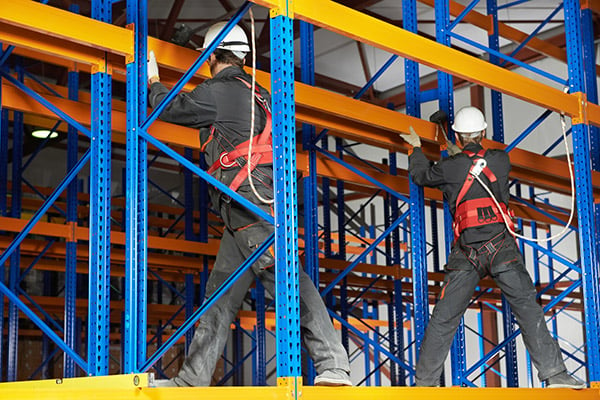
Every gravity flow upright, diagonal brace, and support beam is engineered in accordance with EN 15512 (Steel static storage systems – Adjustable pallet racking systems – Principles for structural design) and fabricated to satisfy EN 15620 tolerances, deflections, and clearances, ensuring zero risk of roller track deformation under full design payload.
Bulgaria features regions with significant peak ground acceleration ($a_g$), notably around Sofia, Maritsa, and the Krupnik-Kresna tectonic faults. Our structural calculations integrate EN 16681 seismic dynamic response spectrum analysis, utilizing oversized baseplates, high-ductility anchor bolts, and reinforced diagonal truss systems.
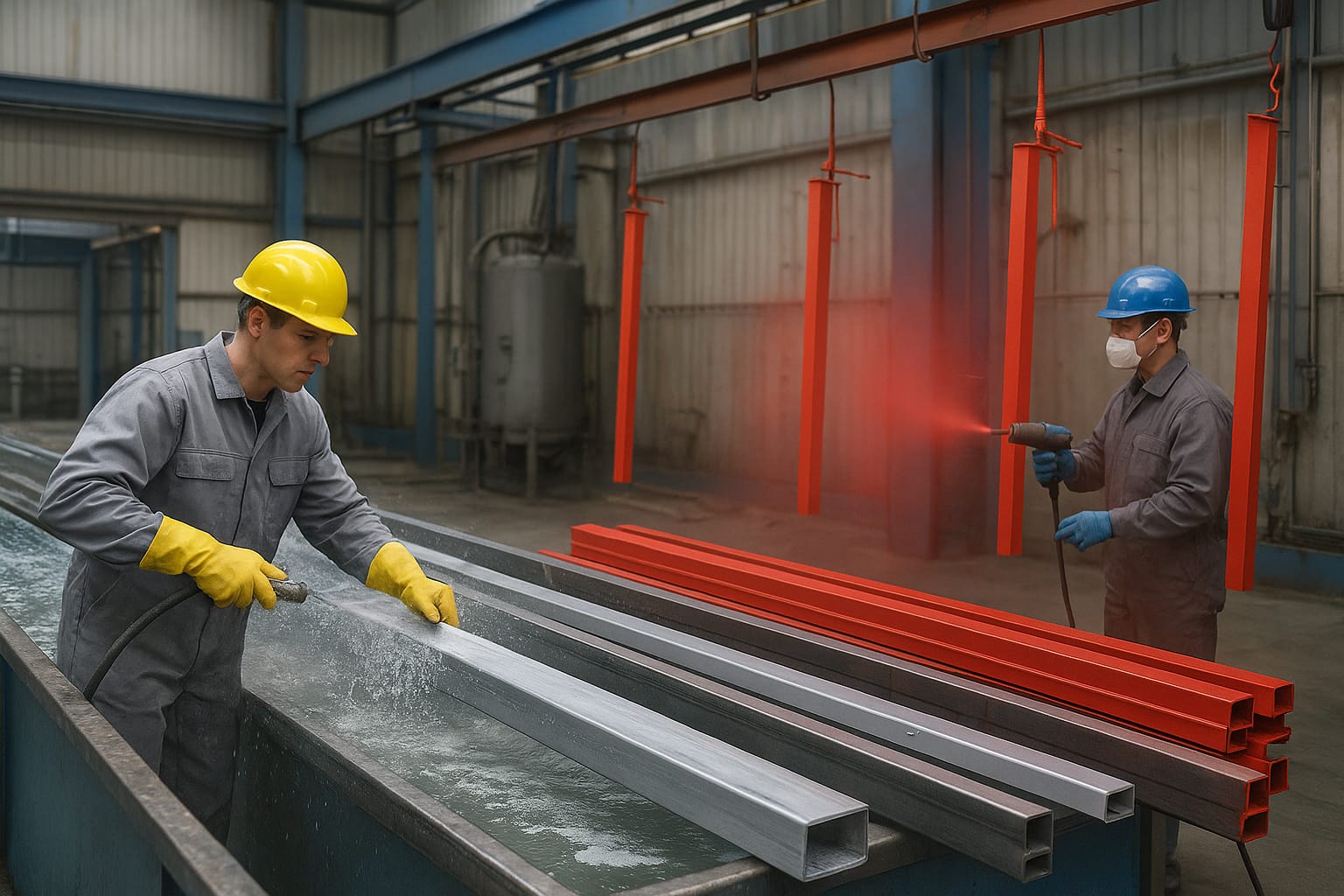
To resist condensation in cold storage operations (operating down to -25°C in frozen vegetable and meat facilities across Plovdiv and Dobrich), all roller track channels, framing members, and floor anchor brackets feature hot-dip galvanized or multi-stage epoxy thermoset powder coatings adhering to ISO 12944 corrosion category C3/C4.
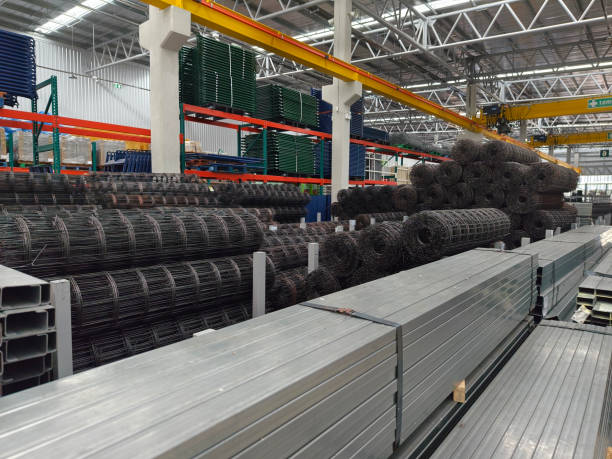
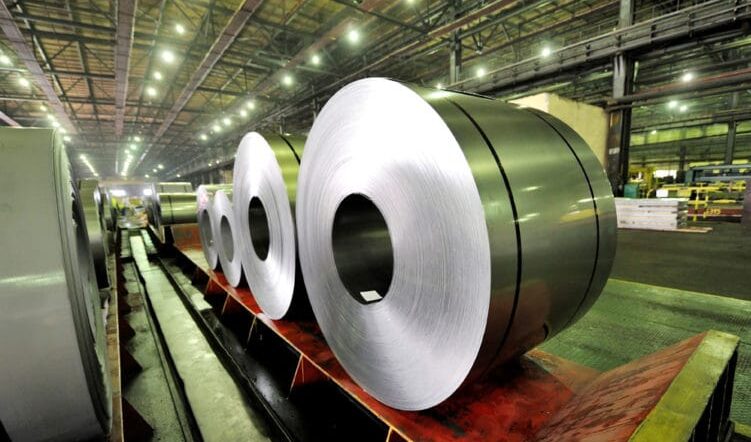
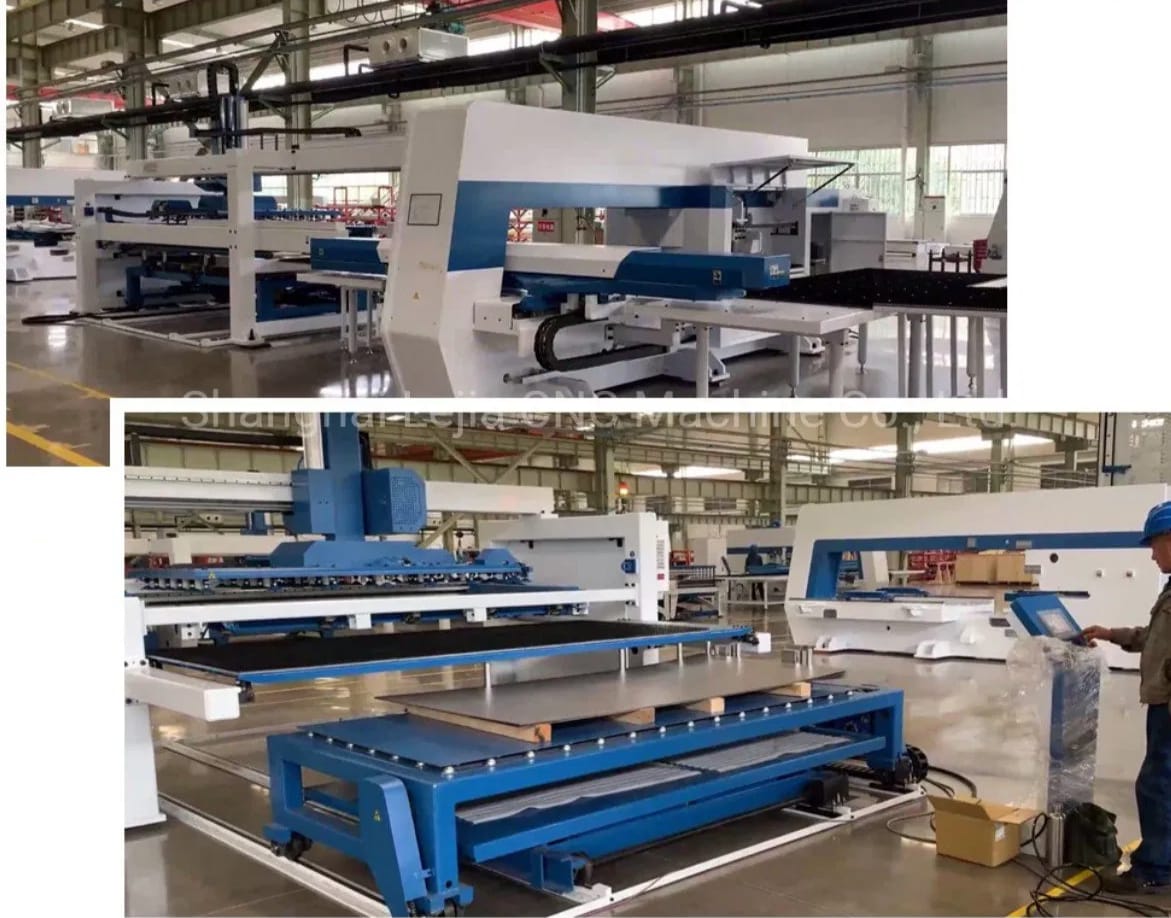
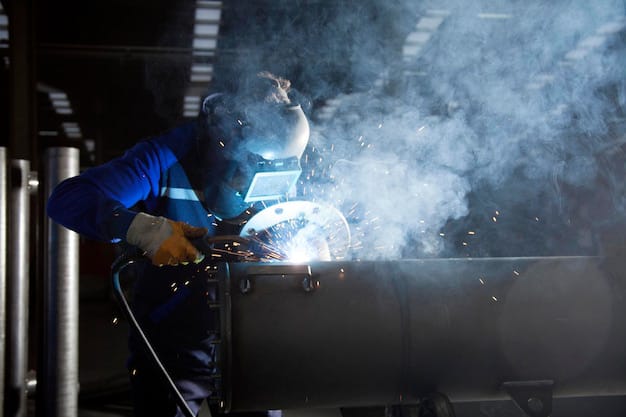
We maintain direct control over every cold-roll forming, automated CNC punching, robotic welding, and coating process from our modern manufacturing facilities.

Detailed engineering and logistical answers for supply chain managers, warehouse directors, and procurement heads across Bulgaria.
We require your architectural building drawings (DWG/PDF) highlighting clear ceiling height under beams, floor slab load capacity (kN/m²), pallet dimensions (e.g., standard Euro-pallet 1200x800mm or industrial 1200x1000mm) including pallet overhang and maximum gross weight, forklift model specifications with turning radius, SKU throughput velocity, and operating ambient temperatures.
We deploy indirect internal centrifugal brake rollers matched precisely to the calculated weight range of your pallets. Positioned at standard intervals along the dynamic bed, they restrict speed to a safe 0.15 to 0.25 m/s. At the discharge face, heavy-duty structural end-stops absorb residual momentum, while pallet separators isolate trailing forces during extraction.
Yes. All structural calculations are performed in full alignment with Eurocode 8 (EN 1998-1) and EN 16681 (Seismic design for adjustable pallet racking). We adjust upright steel thickness, frame bracing topologies, and baseplate anchoring depths according to the specific seismic zone classification of your site (Sofia, Plovdiv, Blagoevgrad, or coastal zones).
Absolutely. Our modular carton flow track beds (featuring durable polypropylene, high-density polyethylene, or steel skate wheels) utilize adjustable universal hanging brackets. These mount directly onto existing step beams or box beams from all major European racking brands without requiring on-site cutting or structural welding.
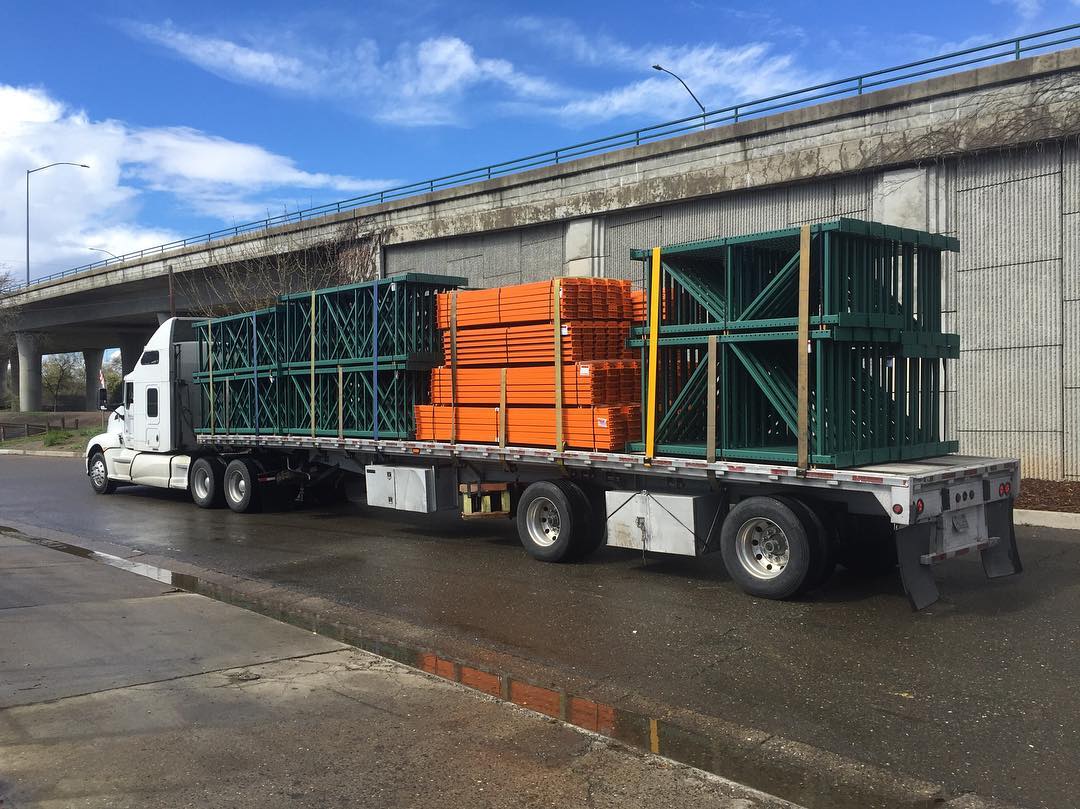
We routinely arrange direct sea freight to the Black Sea Port of Varna or Port of Burgas, or multimodal container transport through Greece (Thessaloniki) followed by direct bonded trucking to Sofia, Plovdiv, or Ruse. Components are knocked-down, bundled with edge protectors, and accompanied by detailed CAD assembly drawings and load rating plaques.
Gravity flow systems possess zero electrical motors, resulting in remarkably low maintenance costs. An annual inspection involves verifying roller free-rotation, clearing debris from track beds, inspecting centrifugal brake engagement, checking beam leveling, and ensuring the structural integrity of front safety separator mechanisms according to EN 15635 guidelines.
Whether you are outfitting a high-throughput distribution center along the Sofia Ring Road, a Kanban automotive lineside in Plovdiv, or a temperature-controlled regional hub in Ruse, our structural engineering team delivers high-density, Eurocode-certified live storage systems built for maximum ROI.
Inquire Now