
Engineered for Milan distribution hubs, fashion omnichannel pick faces, cold-chain pharma suites, and high-velocity freight terminals.
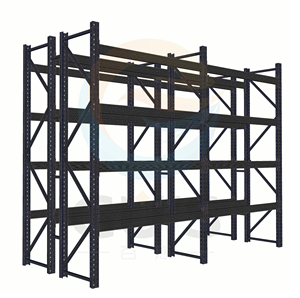
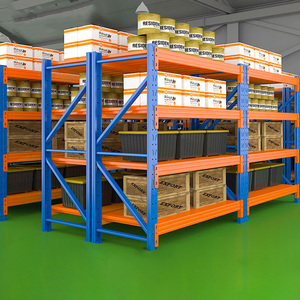
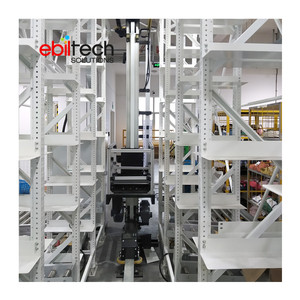
A rigorous examination of kinetic friction coefficients, gravitational slope optimization, dynamic braking rollers, and load separation mechanics in industrial facilities across Milan and Lombardy.
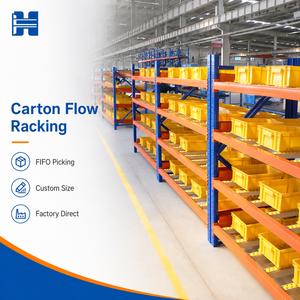
Gravity flow shelving (also classified under European intralogistics as live dynamic storage or roller-track flow racking) operates on the physical principle of controlled inclined displacement under earth gravity ($\vec{g} = 9.81 m/s^2$). By transforming static rack depth into active transport channels, warehouses eliminate human travel aisles between replenishing and dispatch faces.
In high-throughput Milanese facilities—ranging from high-turnover luxury fashion hubs in Landriano to temperature-sensitive pharmaceutical distribution nodes in Monza—the incline gradient ($\theta$) must be calibrated with exceptional precision. Standard carton flow installations require an operational declination angle between 3.0% and 4.5% ($1.7^\circ - 2.6^\circ$), depending on package friction factors, tote deflection coefficients, and moisture variability.
For heavy pallet live storage systems (utilizing ISO standard pallets or EUR EPAL 1-3 platforms carrying up to 1,500 kg per position), gradient angles are calculated between 3.5% and 4.0%. To prevent uncontrolled acceleration along deep storage beds (which can extend past 30 meters in depth), our systems incorporate continuous centrifugal brake rollers. These autonomous hydraulic-damped units interact directly with pallet bottom runners, regulating terminal transit velocity to a safe maximum of 0.3 m/s regardless of pallet mass.
The structural framework of our gravity flow racking systems is manufactured from high-tensile structural steel grades Q235B and S355JR, conforming rigorously to UNI EN 10025 European steel designations. Upright profiles undergo multi-stage continuous roll forming to generate complex Omega-shape ($\Omega$) or multi-bend cross-sections that provide superior moment of inertia ($I_x, I_y$) and torsional rigidity against lateral racking sway.
To adhere to the rigorous structural directives of UNI EN 15512 (Static Steel Storage Systems - Adjustable Pallet Racking: Principles for Structural Design) and UNI EN 15620 (Tolerances, Deformations, and Clearances), our beam-to-column connections utilize cold-stamped 4-claw and 5-claw high-strength connector brackets with tight geometric tolerances. In accordance with Italian national building norms (NTC 2018 - Norme Tecniche per le Costruzioni), all racking layouts deployed within seismic micro-zones of the Lombardy plain incorporate specialized diagonal cross-bracing towers, heavy ductile footplates, and chemical capsule anchorage rated for concrete slab dynamic shear loads.
| System Architecture | Kinematic Principle | Picking Throughput | Floor Space Efficiency | Seismic Resilience (NTC 2018) | Ideal Milan Industrial Application |
|---|---|---|---|---|---|
| Carton Gravity Flow | Dynamic Incline FIFO | Very High (Pick-to-Light) | 70% - 85% Density | Class High (Low Mass Centroid) | Milan Omnichannel Fashion, E-commerce, Pharma Hubs |
| Pallet Live Flow Racks | Hydraulic Brake FIFO | High Turnaround | 80% - 90% Density | Class Medium-High (Requires Dampers) | Lombardy Cold Storage, Fast-Moving Beverage, FMCG |
| Push-Back Trolley/Roller | Counter-Slope LIFO | Moderate (Single Face) | 65% - 75% Density | Class High (Interlocked Frames) | Industrial Manufacturing Buffers, Raw Materials |
| Standard Selective Rack | Static Cantilever/Beam | 100% Direct Selective | 40% - 50% Density | Requires Specific Column Ties | General Freight Warehouses, Low-SKU Logistics Depots |
| Automated Miniload ASRS | Automated Stacker Crane | Continuous Automated | 90%+ Maximum Height | Rigid Tolerance Verification | Automotive Tier-1 Clusters, High-Bay Technology Depots |
A critical engineering failure point in poorly designed gravity storage is line pressure—the cumulative hydrostatic force exerted by trailing pallets or cartons against the front unloading face. In deep-lane pallet flow storage, ten 1,000 kg pallets on a 3.8% incline generate a residual forward pressure vector exceeding 3.8 kN. If unmitigated, this force jams the lead pallet against discharge stops, prevents clean forklift extraction, and induces dangerous dynamic shock loads.
Our solutions integrate heavy-duty mechanical automatic pallet separators. When the lead pallet arrives at the retrieval stop, an articulated trip-tappet activates a mechanical brake arm that locks the second pallet 450 mm upstream. The front pallet is thus completely isolated from backpressure, enabling smooth, zero-resistance extraction by reach trucks, counterbalance forklifts, or automated guided vehicles (AGVs). Once the lead pallet is removed, the trip arm resets, indexing the lane forward by precisely one pallet length in continuous, automated safety succession.
At the carton flow level, our pick trays feature integrated knuckle-down angled front shelves (adjustable between $0^\circ$ and $20^\circ$). This geometry eliminates lumbar torque for manual pickers, optimizes visual line-of-sight for digital pick-to-light LED address displays, and accelerates manual sorting speed by up to 45 picks per operator-hour compared to conventional flat shelving.
High-density gravity flow integrations engineered for the operational realities of Lombardy's world-class supply chains.
Milan is the global capital of high fashion, where seasonal turnover and rapid order dispatch dictate warehouse mechanics. Our carton flow racks integrate directly into high-bay mezzanine pick towers, providing ultra-clean, snag-free polypropylene roller tracks that safeguard high-value apparel, leather footwear, and luxury cosmetics packaging during high-speed fulfillment.
With massive chemical-biomedical clusters in Monza, Cinisello Balsamo, and San Donato Milanese, FIFO rotation is an uncompromising regulatory mandate under EU Good Distribution Practice (GDP). Gravity flow lanes guarantee that older pharmaceutical expiration dates advance automatically to the discharge face, eliminating batch expiration waste in ambient and +4°C cold suites.
The manufacturing spine along the A4 corridor connecting Bergamo, Brescia, and outer Milan produces precision machinery components requiring instant line-side assembly staging. Heavy-duty carton flow tracks equipped with galvanized steel rollers carry plastic tote boxes weighing up to 80 kg, delivering raw parts seamlessly into ergonomic manual assembly cells.
Situated near the Po Valley agricultural logistics gateway, refrigerated facilities handle extreme inventory velocity with finite thermal footprints. Pallet live storage beds maximize chilled cubic volume, condensing up to 12 pallet depths into a single continuous thermal envelope while eliminating reach truck traffic inside sub-zero freezer chambers.
Strategic analyses for chief supply chain officers, commercial property developers, and European procurement executives.
Prime warehouse lease rates across Greater Milan have surged to record heights, averaging between €68 and €85 per square meter annually in core locations like Landriano, Pioltello, and Malpensa Cargo City. At these land valuation levels, conventional selective racking with 3.5-meter forklift access aisles represents an unacceptable operational cost liability.
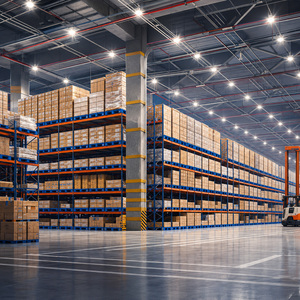
Gravity flow storage converts wasted aisle surface area into active, revenue-generating inventory capacity. By consolidating multiple rows into a single loading aisle and a single picking aisle, gravity systems increase usable warehouse cubic capacity by 35% to 50%. This enables growing businesses to double their SKU throughput within their existing facility footprint, deferring or completely avoiding expensive building expansions.
The European Union's Corporate Sustainability Due Diligence Directive (CSDDD) and regional Italian environmental regulations are pushing logistics operators to demonstrate measurable carbon reductions. Powered mechanical conveyor belts, automated shuttle tracks, and battery-reliant autonomous vehicles represent significant kilowatt-hour energy footprints and complex maintenance overhead.
Gravity flow shelving operates on 100% kinetic energy derived naturally from gravitational slope. Once pallets or cartons are staged at the replenishment face, zero electricity is consumed to transport them across 10, 20, or 30 meters of storage depth. For large Milan logistics platforms operating under ISO 50001 energy management frameworks, switching to gravity live beds delivers immediate, auditable Scope 2 greenhouse gas reductions.
Following updates to Italy's National Technical Standards for Construction (NTC 2018), racking structures across northern Italy are legally classified as structural elements subject to strict seismic verification. Facilities throughout the Po Valley and Lombardy plains must be engineered to withstand horizontal ground acceleration ($a_g$) without progressive structural collapse.
Our gravity flow racking systems feature custom-designed seismic portal bracing, high-ductility steel anchoring plates, and dynamic locking pins. Because our gravity lanes decouple pallet loads from the main upright frame through damped roller tracks, internal kinetic energy is dissipated through the roller suspension rather than transferring directly as destructive shear stress into the building slab.
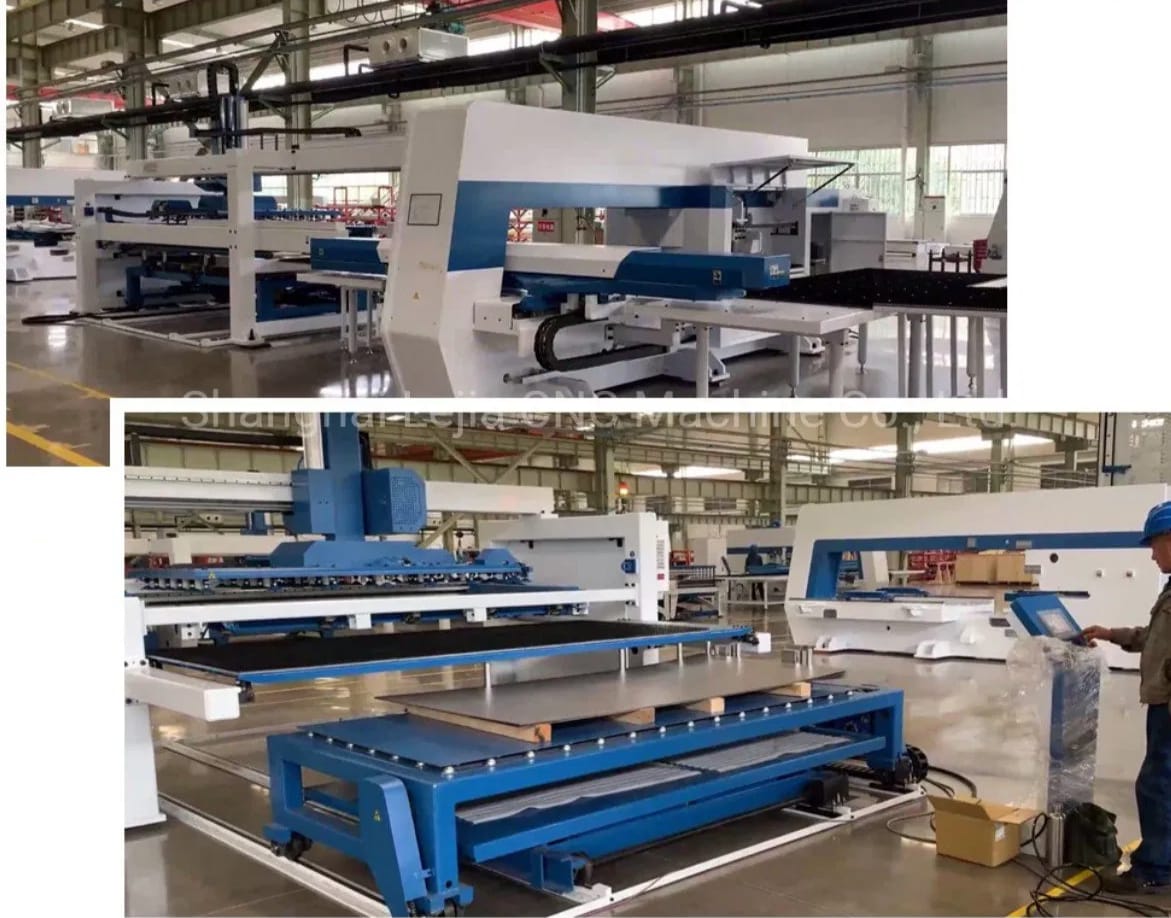
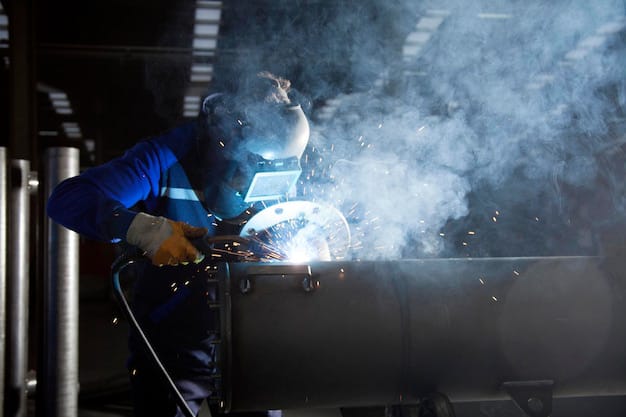
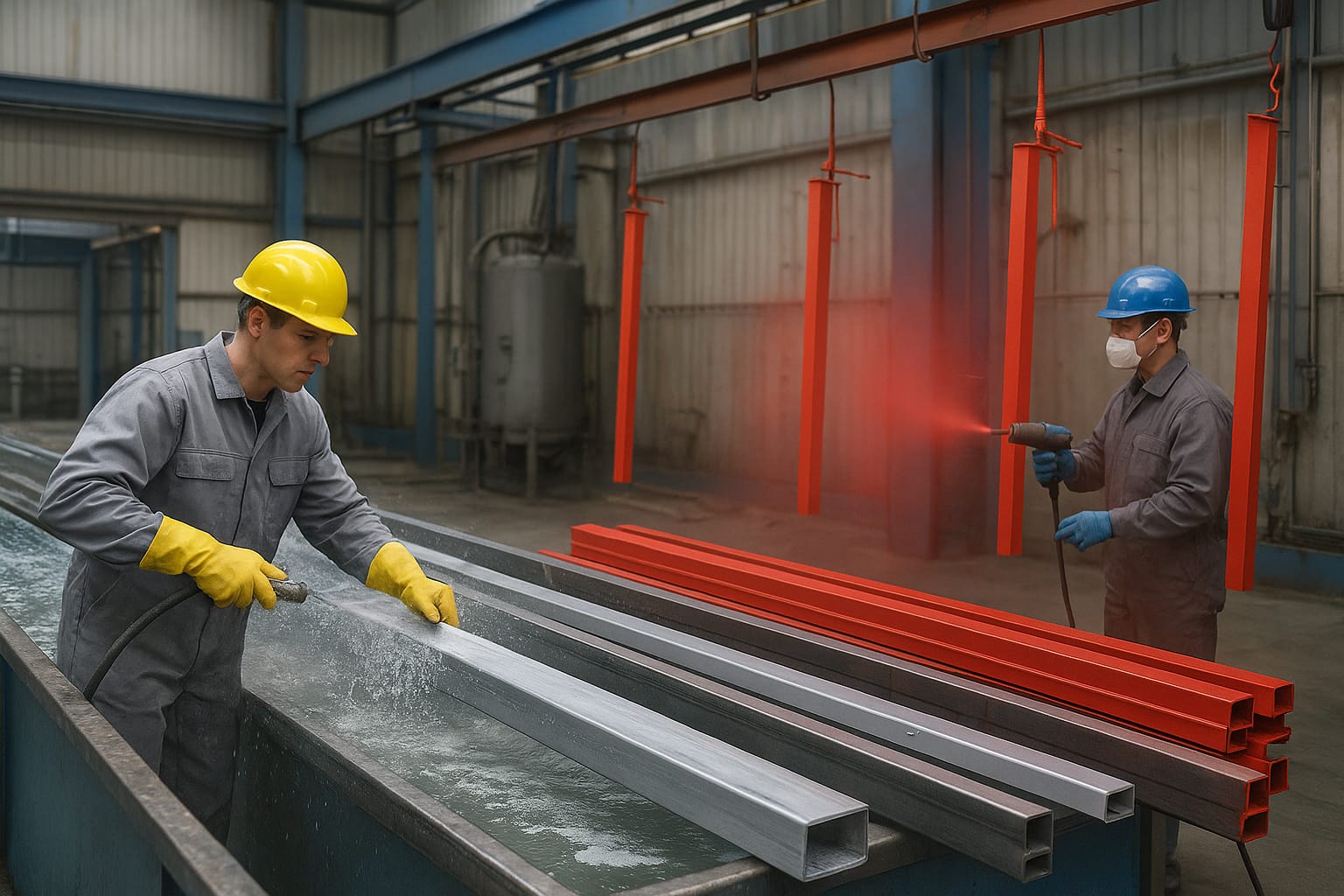
With over two decades of heavy industrial racking fabrication experience, we maintain direct control over every cold-forming, punching, welding, and surface treatment process.
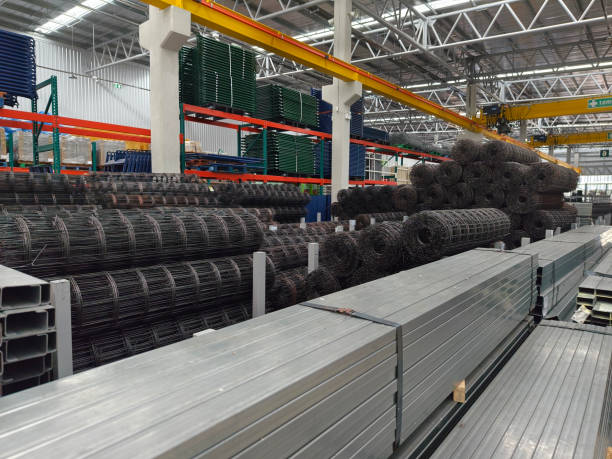
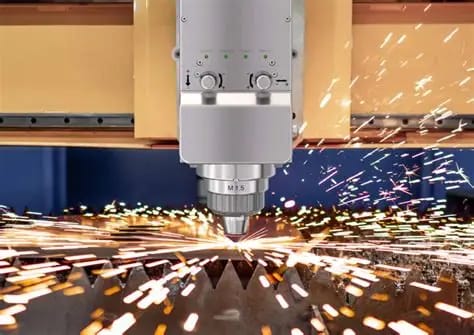
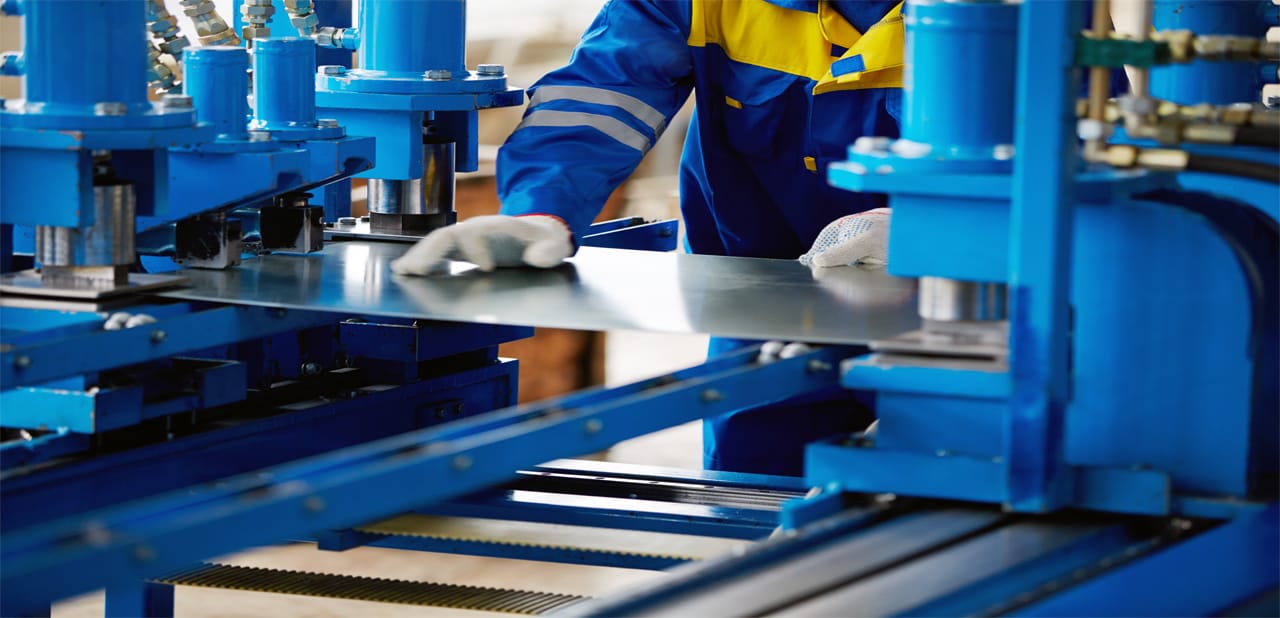
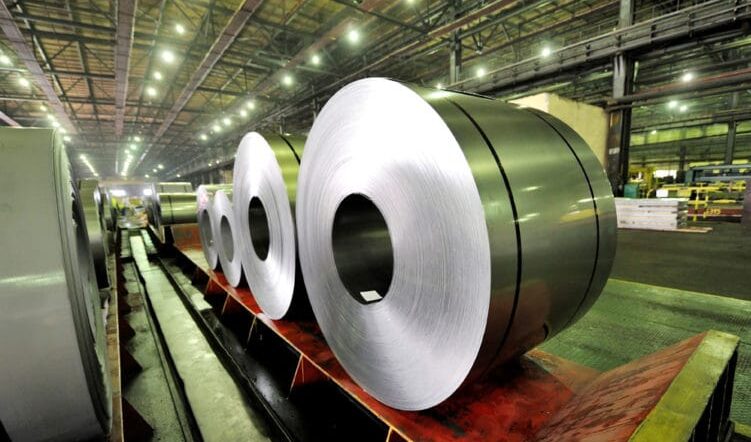
Unlike supply traders and re-sellers who outsource fabrication across fragmented subcontractors, we execute 100% of our roll forming, laser cutting, robotic welding, and powder coating inside our own ISO 9001 and ISO 14001 certified manufacturing plants. From certified coil intake through final installation handover in Milan, our clients interface with a single engineering entity held accountable for every millimeter of tolerance and every metric ton of load capacity.
Comprehensive engineering and commercial clarifications to support your capital expenditure (CAPEX) evaluations.
Because gravity flow racking concentrates multiple storage depths into a single footprint, point-load forces transmitted through upright baseplates are significantly higher than in standard selective racking. A typical high-bay carton flow or pallet live installation requires a reinforced concrete slab rating between 35 kN/m² and 80 kN/m² (approx. 3.5 to 8.0 tons per square meter), with concrete compressive strength conforming to at least Euroclass C25/30 or C30/37.
Prior to finalizing any structural project in Milan or the Lombardy industrial basin, our civil structural engineers evaluate your existing core drill data and subgrade modulus ($k_s$). We can engineer wide-flange seismic load distribution plates to spread baseplate shear loads safely across older industrial slabs without costly floor reconstruction.
Fire safety compliance under UNI EN 12845 (Fixed firefighting systems - Automatic sprinkler systems - Design, installation, and maintenance) is a fundamental consideration for dense storage arrays exceeding 7.5 meters in height. Deep gravity flow lanes create continuous horizontal fuel packages that can obstruct ceiling-level sprinkler water distribution.
Our gravity flow racking systems are specifically engineered with pre-punched structural clearance windows inside the upright frame diagonals. This allows intermediate in-rack ESFR (Early Suppression Fast Response) sprinkler pipes and quick-response brass spray heads to be routed directly between flow levels without reducing dynamic roller incline or snagging moving cartons. Our CAD layouts integrate fully with your certified fire prevention technician (Professionista Antincendio) to ensure swift approval from the Milan provincial fire department (Vigili del Fuoco).
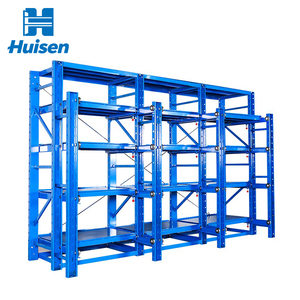
In many instances, yes. If your existing upright frames are structurally sound, plumb within UNI EN 15620 tolerances, and manufactured from certified structural steel with sufficient cross-sectional capacity, we can engineer custom drop-in roller bed assemblies. These modular beds clamp securely to existing step beams or box beams via heavy-duty zinc-plated structural brackets.
However, because live storage introduces dynamic braking loads and forward line pressure that static racks were not originally designed to support, our engineering team must perform a static and seismic recalculation of your existing upright frames to certify total system safety under current Italian NTC 2018 standards.
Pallet live storage relies on smooth physical interaction between the pallet underside and the roller bed. Standard wooden EUR EPAL 1 (800 x 1200 mm) and EUR EPAL 2 (1200 x 1000 mm) pallets must travel along the direction of their bottom skids/runners to ensure continuous multi-roller support.
Pallets must be intact, free of missing bottom boards, protruding nails, or severe splintering that could lodge within roller housings. For operations using non-standard wooden skids, broken pallets, or plastic containers with irregular ribbed bases, we supply full-width cylindrical steel rollers or multi-track skate wheels equipped with continuous tracking guides to ensure straight tracking without skewing.
Our carton flow systems utilize full-length extruded aluminum or galvanized steel entry and exit guides, along with full-depth plastic lane separators that clip securely into front and rear mounting beams. These dividers can be adjusted laterally on a 10 mm pitch without tools, creating designated channels perfectly matched to your carton widths.
At the discharge face, heavy-gauge steel impact stop plates absorb the carton's kinetic momentum. For fragile consumer goods, electronic instruments, and luxury cosmetics, we fit soft polyurethane cushioned stops that decelerate boxes gently, preventing product jostling or structural carton crushing.
Because we control all roll forming, stamping, and finishing operations directly in-house, custom fabrication cycles typically span 3 to 5 weeks depending on project scale and custom color requirements. Standard component configurations are stocked for immediate dispatch.
Shipments to European logistics hubs are packed in knocked-down condition with export-grade protective timber packaging, moisture-barrier wrapping, and complete CAD installation schematics. Transit and customs clearance through Italian maritime ports (such as Genoa or La Spezia) or direct continental intermodal rail terminals into Milan are coordinated by our international logistics desk under DDP, CIF, or FOB Incoterms.
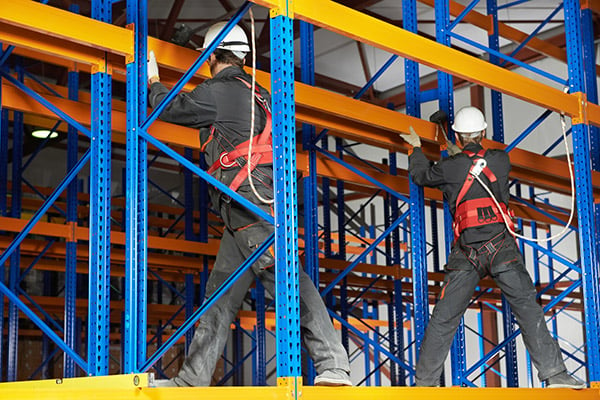
Yes. Our installation technicians and site project managers execute site delivery, mechanical erection, precision laser leveling, chemical baseplate anchoring, and load-testing commissioning across Milan, Bergamo, Brescia, Monza, and Pavia. Upon project completion, we issue official conformity declarations, load capacity plaques, and maintenance manuals required by Italian workplace safety authorities (INPS / ATS / Testo Unico Sicurezza D.Lgs 81/08).
Submit your warehouse layout drawings, ceiling clear heights, and SKU movement metrics. Our structural engineers will generate a complimentary CAD design layout and load-based economic proposal within 48 hours.