
Manufactured in our state-of-the-art facility using certified structural steel, automated roll forming lines, and precision corrosion-proof treatments for blast freezers, ambient buffer storage, and distribution staging.
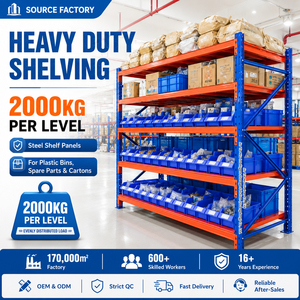
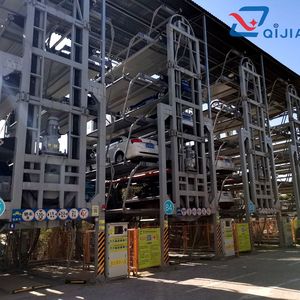
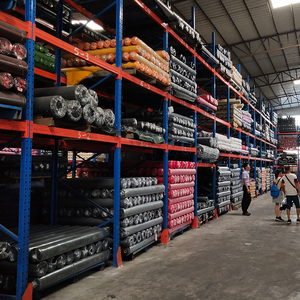
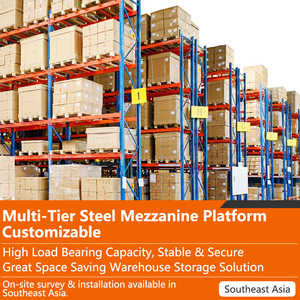
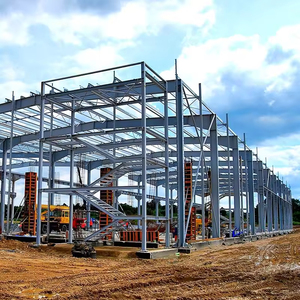
Cold storage shelving and high-density industrial racking in tropical archipelago climates like the Philippines encounter a violent structural challenge rarely seen in temperate environments: the continuous thermodynamic contrast between external tropical relative humidity (regularly exceeding 85% RH in coastal regions like Batangas, Cebu, and General Santos) and intense internal cryogenic temperatures ranging from +4°C chill rooms down to -40°C quick-freeze blast tunnels.
When atmospheric moisture infiltrates anterooms during frequent loading dock cycles, rapid condensation and microscopic ice lens crystallization occur within perforated upright columns and beam clip slots. If standard commercial grade carbon steels or inadequate thin-film surface finishes are specified, structures face catastrophic risks: low-temperature embrittlement fracture (Ductile-to-Brittle Transition), galvanic corrosion creeping beneath standard powder coatings, and premature bolt shear failure induced by cyclical thermal shrinkage.
Under sub-zero refrigeration (-18°C to -35°C), common Q235A carbon structural steels lose atomic dislocation mobility. Dynamic micro-impacts from forklift tines can trigger instantaneous cleavage fractures instead of plastic deformation. Our cold room export racking uses specialized fine-grain killed structural steels conforming to Q355D / S355NL standards, impact-tested at -40°C to guarantee minimum Charpy V-notch energy absorption exceeding 27 Joules.
| Finish / Material Technology | Coating Thickness (μm) | Operating Temperature | Corrosion Resistance (Salt Spray ASTM B117) | Food Safety Hygiene (NMIS / HACCP) | Ideal Philippine Application |
|---|---|---|---|---|---|
| Hot-Dip Galvanized (HDG ISO 1461) | 85 μm – 110 μm | -45°C to +60°C | Exceeds 2,000 hrs (Exceptional self-healing) | Certified Food Grade | Seafood Blast Freezers, Meat Processing, Coastal Logistics |
| Continuous Pre-Galvanized (Z275 Sendzimir) | 20 μm – 25 μm | -20°C to +40°C | 500 – 800 hrs (Moderate protection) | Approved Dry Pack | Internal Shelving Panels, Dry Anterooms, Distribution |
| Sub-Zero Epoxy-Polyester Powder | 70 μm – 90 μm | -25°C to +50°C | 600 – 1,000 hrs (Requires primer) | Approved Sealed | Selective Pallet Racking, Retail Walk-in Chillers |
| Grade 304 / 316 Austenitic Stainless | Solid Substrate | -196°C to +300°C | Indefinite (Passive chromium oxide) | Zero Microbial Leaching | Direct Meat Carcass Hanging, Brine Exposure Zones |
Moreover, cold chain civil engineering demands specialized slab anchoring methods. Cold store subfloors incorporate multilayer assemblies comprising a reinforced wear slab, high-density extruded polystyrene (XPS) insulation boards, a sub-floor heating grid (to stop frost heave), and continuous polyethylene vapor retarders. Standard heavy anchor embedment can puncture thermal barriers, causing sub-slab freezing and floor bucking. Our engineering team prepares custom foundation calculations specifying chemical adhesive anchoring or specialized under-reamed expansion anchors calibrated to maintain slab integrity under National Structural Code of the Philippines (NSCP 2015) seismic requirements.
From the agricultural breadbaskets of Mindanao to the hyperscale cold distribution corridors of CALABARZON and Metro Manila, storage layouts must be strictly engineered for specific commodity flows, humidity loads, and turnover speeds.
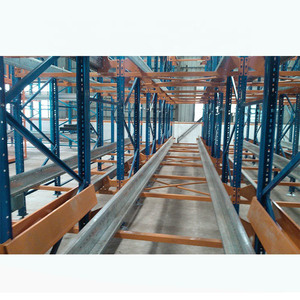
The tuna export capital of the Philippines requires extreme duty racking capable of withstanding brine immersion, continuous ocean fog, and blast freezing cycles down to -40°C. Standard paint coatings peel within 18 months under salt vapor. We supply heavy-duty hot-dip galvanized drive-in and selective pallet racks with galvanized perforated steel decks that accommodate raw whole yellowfin tuna and blast-frozen vacuum loins without harboring bacterial colonies.
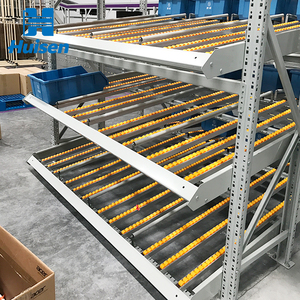
Agribusiness cold storage throughout Davao del Norte, Bukidnon, and Cagayan de Oro operates at controlled relative humidity (85–90%) and positive temperatures (+13°C to +14°C for bananas to prevent chilling injury, +2°C to +4°C for mangoes). High ethylene concentrations accelerate atmospheric oxidation. We configure wide-span longspan shelving and high-density pallet flow systems engineered with high-flow perforated wire decking to maximize vertical convection cooling.
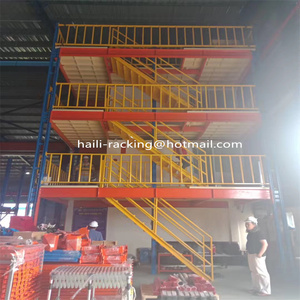
Industrial corridors in Laguna, Cavite, and Bulacan experience sky-high cubic meter leasing costs. Facility managers cannot afford sprawling low-density single-level staging. We engineer deep-lane Radio Shuttle racking systems and multi-tier mezzanine pick towers that exploit full 12-meter clear roof heights, expanding pallet positions by up to 220% within identical refrigerated building envelopes while integrating seamlessly with WMS routing.
As the primary inter-island logistics cross-docking junction, Cebu cold hubs process thousands of fast-moving SKUs arriving via domestic container ships from Manila and Mindanao. Pallets of imported pork cuts, poultry, and frozen dairy require instantaneous selectivity. We implement heavy-duty Selective Pallet Racking systems equipped with heavy column impact guards, guide rails, and heavy-gauge box beams to endure intense multi-shift reach truck traffic.
Pharmaceutical cold hubs handling temperature-sensitive biologics, vaccines, and insulin require strict 2°C to 8°C tolerance control under Philippine Food and Drug Administration (FDA) and WHO Good Storage Practices (GSP). Any steel rust particulate or chemical off-gassing invalidates cleanroom validation. We manufacture clean-line boltless steel shelving with smooth antimicrobial baked finishes, eliminating dust-collecting crevices and enabling clean wipedowns.
The vegetable bowl of Luzon in Benguet handles highland carrots, cabbages, and potatoes requiring high-moisture precooling. Sites are situated in mountainous terrain with steep thermal swings and severe seismic activity along the Philippine Fault Zone. We provide rigid braced mezzanine systems and heavy-duty carton flow shelving anchored to withstand localized ground acceleration while accommodating high crate density.
Strategic modernization mandates, rising power tariffs, and regional supply chain integration are driving unprecedented transformation across Philippine refrigerated warehousing.
The Philippines continues to record some of the highest commercial electricity rates in Southeast Asia, with peak rates in the Meralco grid frequently exceeding PHP 10.00 to PHP 12.00 per kilowatt-hour. Refrigeration systems consume between 60% and 75% of a cold facility's total energy budget. Consequently, conventional low-density selective layouts are being rapidly phased out. Cold chain operators are migrating to high-density Pallet Shuttle, Drive-In, and Mobile Racking systems that reduce refrigerated cubic airspace per pallet by up to 45%, directly cutting refrigeration compressor kilowatt draw per metric ton stored.
Under the Philippine Cold Chain Roadmap spearheaded by the Board of Investments (BOI) in partnership with the Cold Chain Association of the Philippines (CCAP), substantial fiscal incentives—including Income Tax Holidays (ITH) and duty-free capital equipment imports—are granted to greenfield cold projects. Crucially, BOI accreditation mandates strict compliance with international thermal envelope guidelines, structural safety codes, and energy efficiency benchmarks, disqualifying uncertified, second-hand, or non-traceable steel racking systems.
Enforcement of Republic Act 10536 (amending the Meat Inspection Code of the Philippines) by the National Meat Inspection Service (NMIS) has tightened operational sanitation rules. Floor stacking of imported pork, chicken, and beef carcasses is strictly forbidden; all goods must be stored on non-porous, corrosion-free racking elevated at least 300mm above finished floor level with inspection aisles. Additionally, the rapid emergence of Halal-certified cold storage facilities in Mindanao and Southern Luzon requires physical segregated racking lines with zero risk of structural cross-contamination.
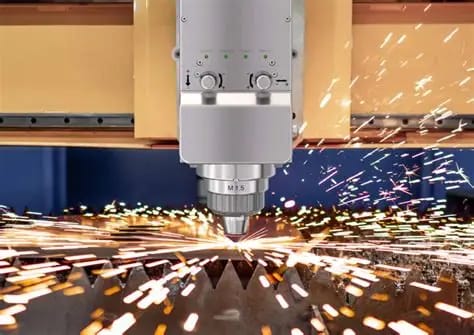
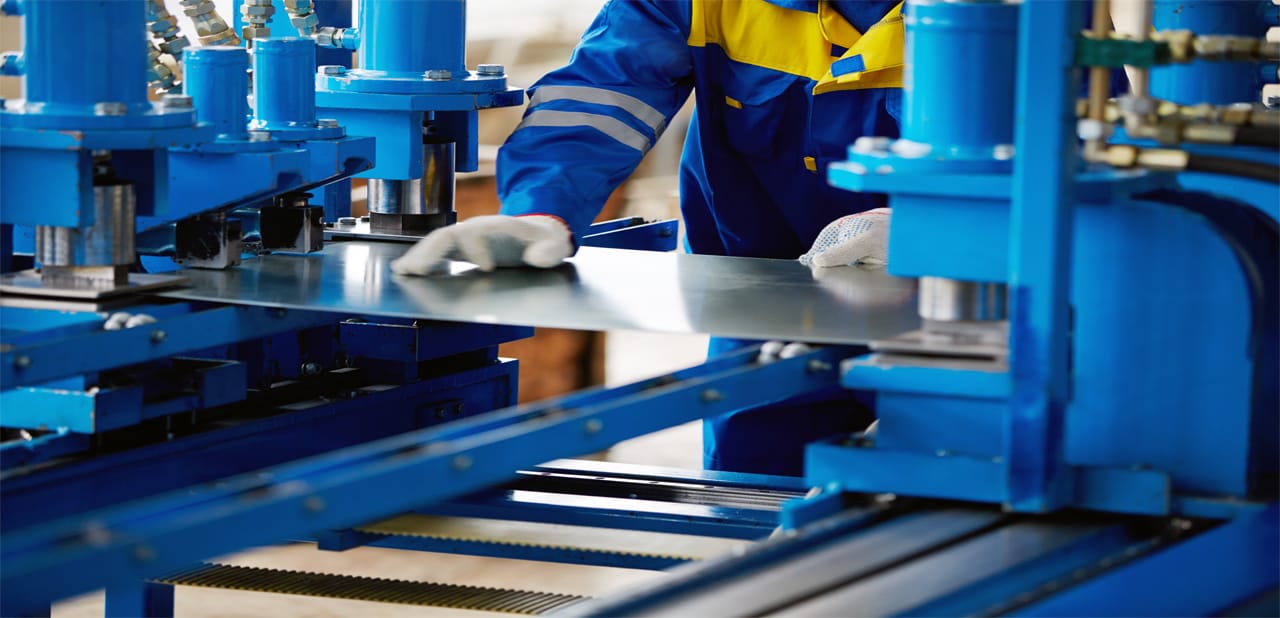
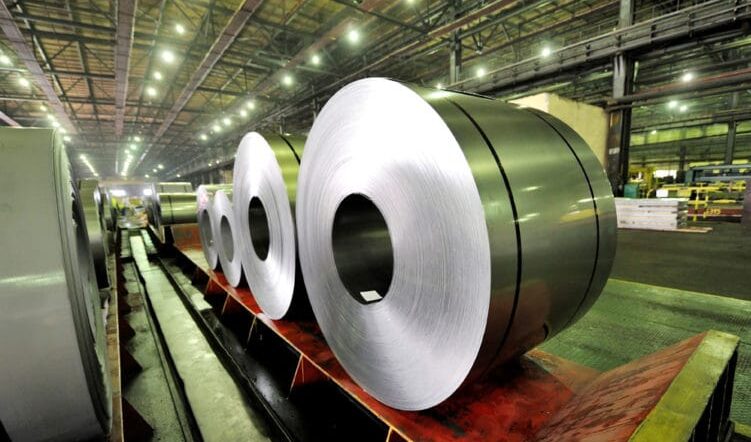
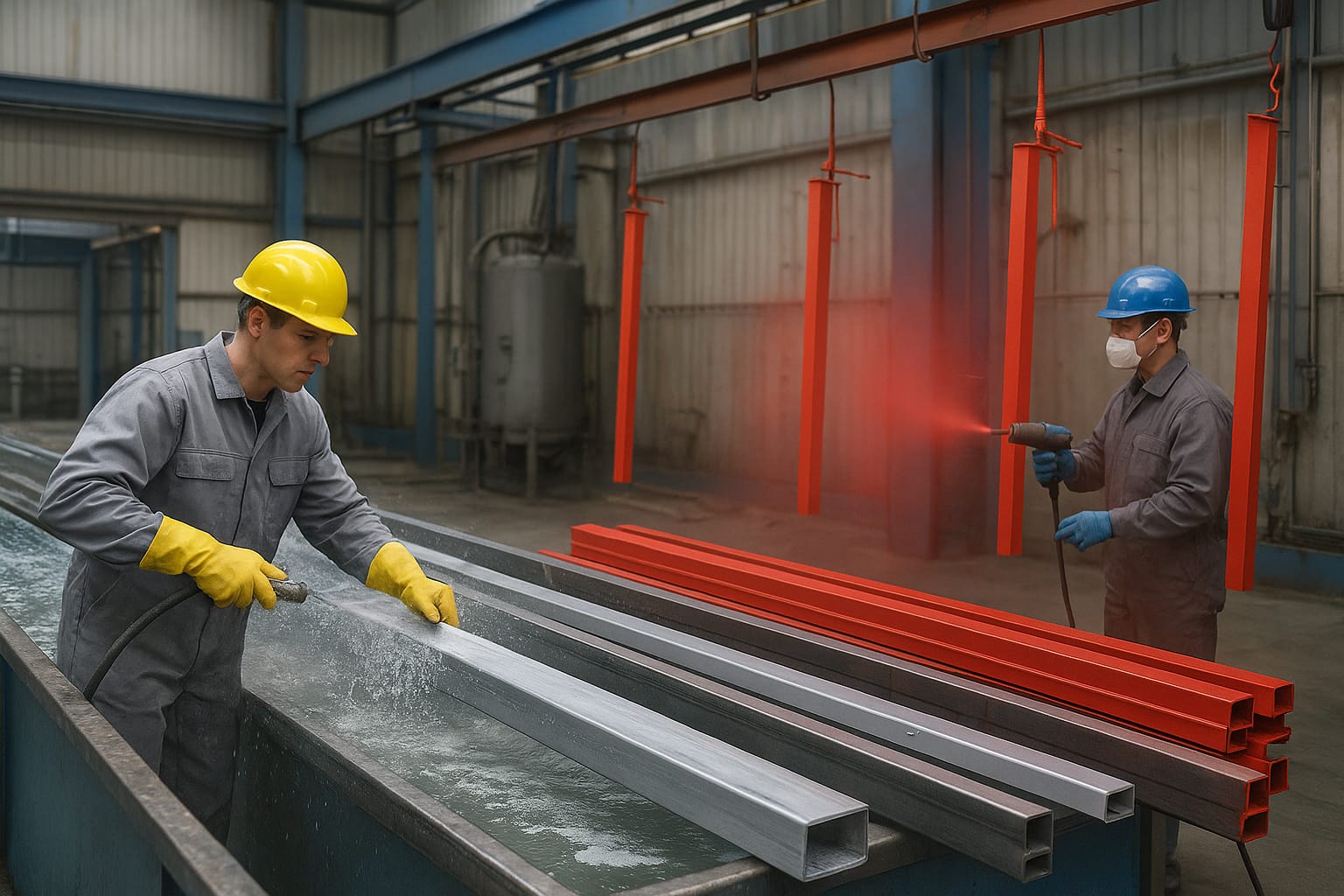
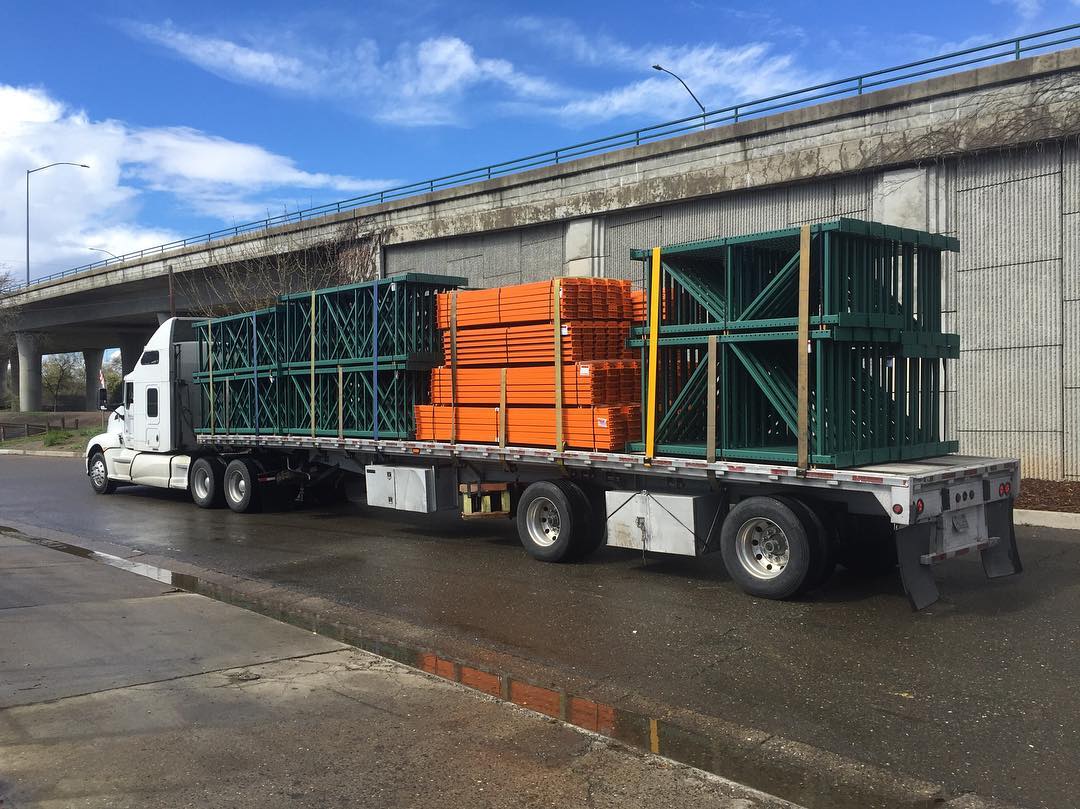
Unlike trading intermediaries, our modern automated industrial manufacturing plant controls the entire metallurgical lifecycle—from raw steel coil verification to specialized punch profiling, robotic welding, and export knock-down packaging.
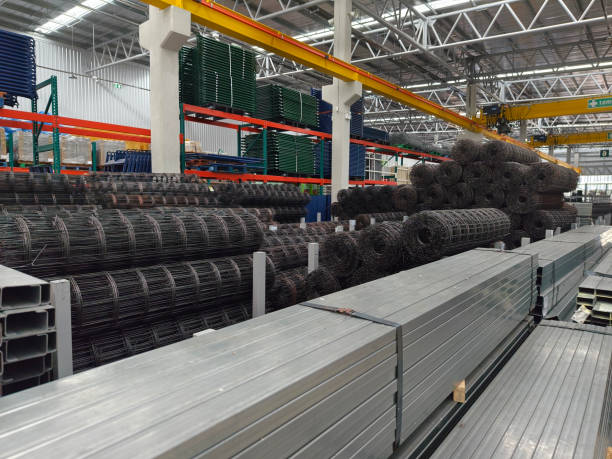
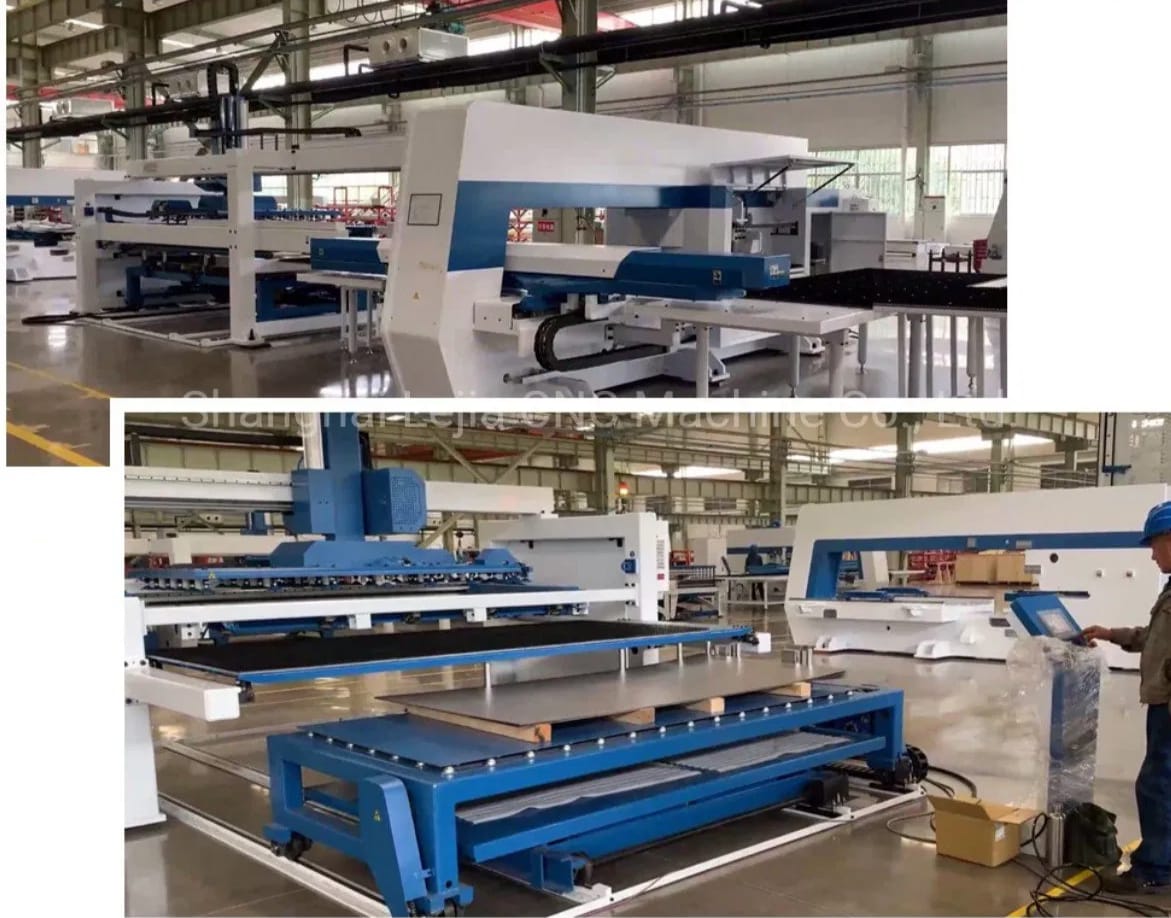
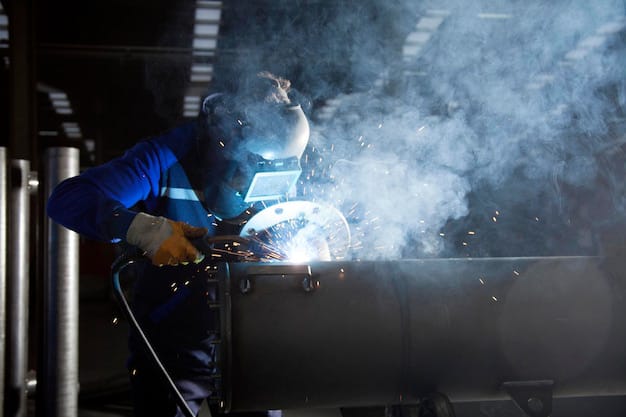

Over two decades designing complex structural warehouse layouts that conform to European EN 15512, American RMI, and FEM standards. Our senior structural engineers calculate beam deflection limits at L/200 and L/300 under dynamic sub-zero forklift impact loads, preventing beam sag and pallet lockup.

Every single mill bundle of structural steel undergoes spectroscopic chemical assay analysis and tensile yield verification before roll-forming begins. Automated laser alignment guarantees punch pitch consistency over 12-meter upright lengths, eliminating assembly misalignments during on-site erection.

We deliver knocked-down components packed in moisture-resistant vapor barrier wrapping (VCI) optimized for container cube utilization. We supply complete bilingual CAD erection drawings, 3D structural connection schematics, and full documentation to fast-track Philippine Bureau of Customs and PEZA duty-free clearance.
Clear, direct answers regarding seismic codes, marine corrosion mitigation, slab installation integrity, and international logistics logistics.
Standard mild steels experience extreme cold brittleness when operational temperatures dip beneath their transition temperature, risking catastrophic brittle fracture under sudden reach truck impacts. For blast freezer projects in the Philippines (such as tuna processing in General Santos or ice cream manufacturing in Laguna), we specify structural steels with elevated manganese content and specialized deoxidation (Q355D or European S355NL/J2). These steel grades undergo rigorous Charpy V-notch impact testing at -40°C, guaranteeing high impact energy absorption of ≥27 Joules, ensuring structural safety under heavy dynamic handling.
Pre-galvanized (Sendzimir) steel is fabricated from pre-coated coils with a thin zinc layer (typically 15–20 μm / Z275). When upright columns are punched, the cut edges and hole perimeters expose bare carbon steel to humid air. In coastal Philippine environments like Subic, Batangas, or Mandaue, sea-salt vapor rapidly attacks these raw cut edges, causing red rust within months. Hot-Dip Galvanizing (HDG) involves immersing fully fabricated, punched, and welded components into a 450°C bath of molten zinc, achieving an alloy-bonded metallurgical coating of 85–110 μm covering 100% of internal and external surfaces, delivering decades of maintenance-free lifespan.
Almost the entire Philippine archipelago (excluding Palawan) lies in high-risk Seismic Zone 4 (seismic zone factor Z=0.40). High-bay cold storage racks carry immense mass; an earthquake induces severe base shear and overturning moments. Our engineering team utilizes finite element analysis software to model the entire rack-pallet frame. We engineer oversized high-ductility baseplates (minimum 12mm–16mm thickness), heavy horizontal and diagonal bracing with tubular profiles, double column splices, and high-tensile grade 8.8 structural bolts to ensure compliance with NSCP Section 208 and American RMI seismic standards.
Cold room floors feature a complex sandwich: a top reinforced concrete wear slab (typically 150mm–200mm thick), an impermeable vapor barrier, rigid extruded polystyrene (XPS) insulation boards, and a sub-base heating system. If floor anchors penetrate the sub-slab vapor barrier, groundwater vapor migrates into the insulation, forming ice lenses that lead to severe frost heave and floor structural failure. Our engineers calculate anchor embedment depth precisely to remain within the upper 60% of the concrete wear slab, using approved chemical resin adhesive capsules or high-shear internal undercut mechanical anchors.
Components are container-stuffed with moisture-absorbing desiccant bags and VCI protective anti-corrosion barrier film to prevent sea-sweat condensation during maritime transit. Direct sea-freight transit time to the Port of Manila (MICP/South Harbor) or Cebu International Port is approximately 14 to 21 days. For enterprises registered with the Philippine Economic Zone Authority (PEZA) or Board of Investments (BOI), we issue certified Commercial Invoices, detailed Packing Lists with itemized net/gross weights, Mill Test Certificates (MTC), Certificates of Origin, and complete bill of lading consignee formatting to ensure zero-rated VAT and custom import duty exemption.
Yes. Many Philippine operators start with traditional drive-in or selective racking due to initial budget constraints, then transition to semi-automated shuttle systems as throughput climbs. We design our heavy-duty upright frames and front upright configurations with universal punching pitch and heavy load capacity headroom. When upgrading to shuttle automation, our team supplies galvanized shuttle guide rails, pallet entry funnels, and mechanical pallet buffer stops that bolt directly onto the existing structural uprights without requiring costly foundation replacement.
Connect directly with our senior structural storage engineers. Send us your site CAD drawing, building clear height, temperature targets, and pallet load specs for a complimentary 3D layout optimization and comprehensive factory export quote.