
Engineered for seamless order preparation, multi-tier mezzanine picking towers, and heavy-duty carton retrieval across Southern African fulfillment centers.
Addressing rapid retail decentralization, e-commerce scale, and infrastructural realities in Gauteng, KwaZulu-Natal, and the Western Cape.
The warehousing landscape across the Republic of South Africa is experiencing an unprecedented structural pivot. With the entrance of multinational e-commerce platforms alongside domestic powerhouses such as Takealot, Makro, and Shoprite, distribution centers are moving away from traditional bulk pallet holding toward high-frequency, unit-level item picking. This operational shift requires specialized order picking racks, multi-tier picking structures, and precision-engineered access platforms that deliver rapid order turnaround, dense vertical SKU saturation, and uncompromised operator safety.
In South Africa, supply chain resilience is continuously tested by unique localized operating conditions. Unscheduled power interruptions (load shedding) demand warehouse layouts that maximize ambient airflow and optimize natural illumination through open-grid wire decking, while ensuring manual accessibility without complete reliance on fully automated electrical stackers. Furthermore, strict enforcement of the Occupational Health and Safety Act (OHS Act 85 of 1993), combined with municipal fire bylaws (such as SANS 10287 sprinkler design clearances), requires that order picking racking installations balance ultra-dense inventory positioning with precise flue spaces, drop-prevention back netting, and ergonomic roll-step interfaces.
Centering around Pomona, Midrand, and City Deep, facilities prioritize high-bay multi-tier carton picking racks and mezzanine systems to counter rising industrial land leasing rates.
Durban container terminals and Clairwood logistics hubs demand heavy galvanized and anti-corrosive powder finishes to withstand coastal humidity and high-salt sea air.
Brackenfell and Montague Gardens serve high-velocity cold-chain fruit export, wine distribution, and omnichannel grocery fulfillment needing wash-down sanitary shelves.
Gqeberha (Port Elizabeth) and East London automotive component clusters rely on heavy-duty carton-live flow racking to sustain Just-In-Time (JIT) line-side assembly delivery.
Comparing heavy-duty steel picking profiles, connector kinematics, and decking resilience for intense distribution cycles.
Continuous cold roll-formed uprights featuring multi-bend Omega geometry. 50mm and 75mm teardrop or butterfly punch pitch provides maximum torsional rigidity under eccentric manual picking loads and forklift impacts.
Engineered with double-groove step recesses specifically tailored to hold flush-fit steel shelf panels, wire mesh decks, or carton live roller beds without compromising clear picking aperture heights.
First-In, First-Out (FIFO) roller tracks with split polypropylene or steel wheels set on a 3° to 5° declination. Separator guides maintain pristine SKU lane discipline in high-velocity pharmaceutical and cosmetics fulfillment.
Heavy-gauge cold-drawn steel wire welded on structural channels. Drop-in design meets SANS 10287 automatic in-rack fire suppression requirements by offering over 70% open water penetration surface area.
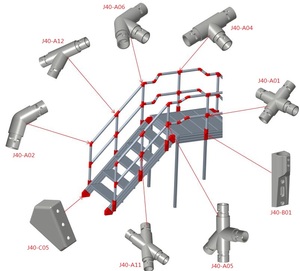
Rack-supported multi-tier structures that double or triple usable cubic warehouse capacity. Incorporates cold-formed steel floor grating, high-visibility perimeter kick plates, self-closing safety gates, and stairway runs.
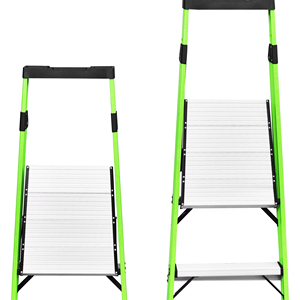
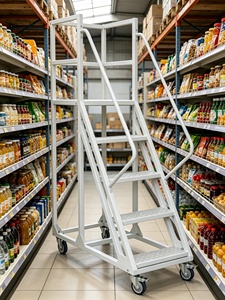
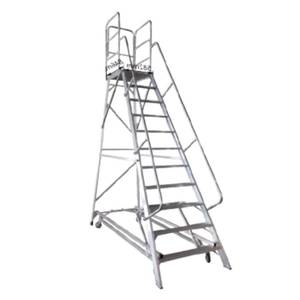
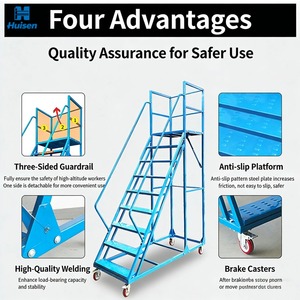
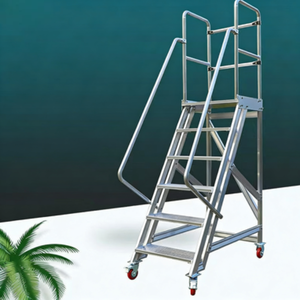
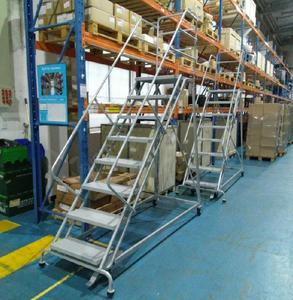
Lock-and-step rolling maintenance and picking ladders fabricated from tubular steel or high-tensile aluminum. Spring-loaded swivel casters retract under operator load to secure four solid rubber-cushioned feet on concrete floors.
| Racking System Type | Typical SKU Velocity | Standard Load Capacity (UDL) | Picking Access Efficiency | South Africa Target Industry |
|---|---|---|---|---|
| Heavy-Duty Longspan Shelving | Medium to High | 300 kg – 1,000 kg / level | 100% Direct Manual Selective Access | Automotive Parts, Hardware, Mining MRO |
| Carton Live Gravity Flow Racks | Ultra-High (Fast Moving) | 150 kg – 450 kg / lane | Strict FIFO (Separate loading & picking) | Retail FMCG, E-Commerce Apparel, Pharma |
| Multi-Tier Rack-Supported Mezzanines | High Split-SKU Volume | 350 kg – 750 kg / m² | Multi-Level Simultaneous Manual Picking | 3PL Mega-Fulfillment, Fashion Distribution |
| Narrow Aisle (VNA) Picking Racks | Continuous High Volume | 800 kg – 2,500 kg / level | Man-Up Order Picker Guided Access | Industrial Wholesale, Bonded Port Warehousing |
| Boltless Medium-Duty Rivet Shelves | Low to Medium | 100 kg – 250 kg / level | Configurable Open-Hand Picking | Back-of-Store Retail, Archival, Light Spares |
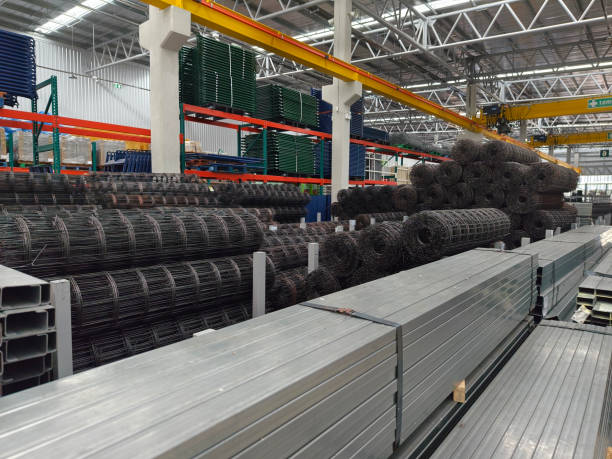
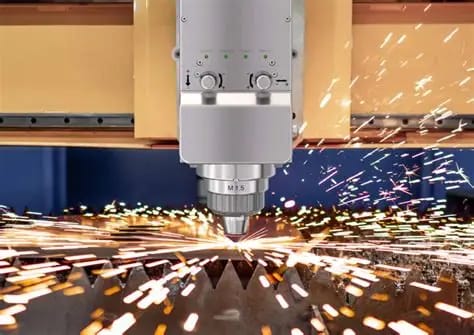
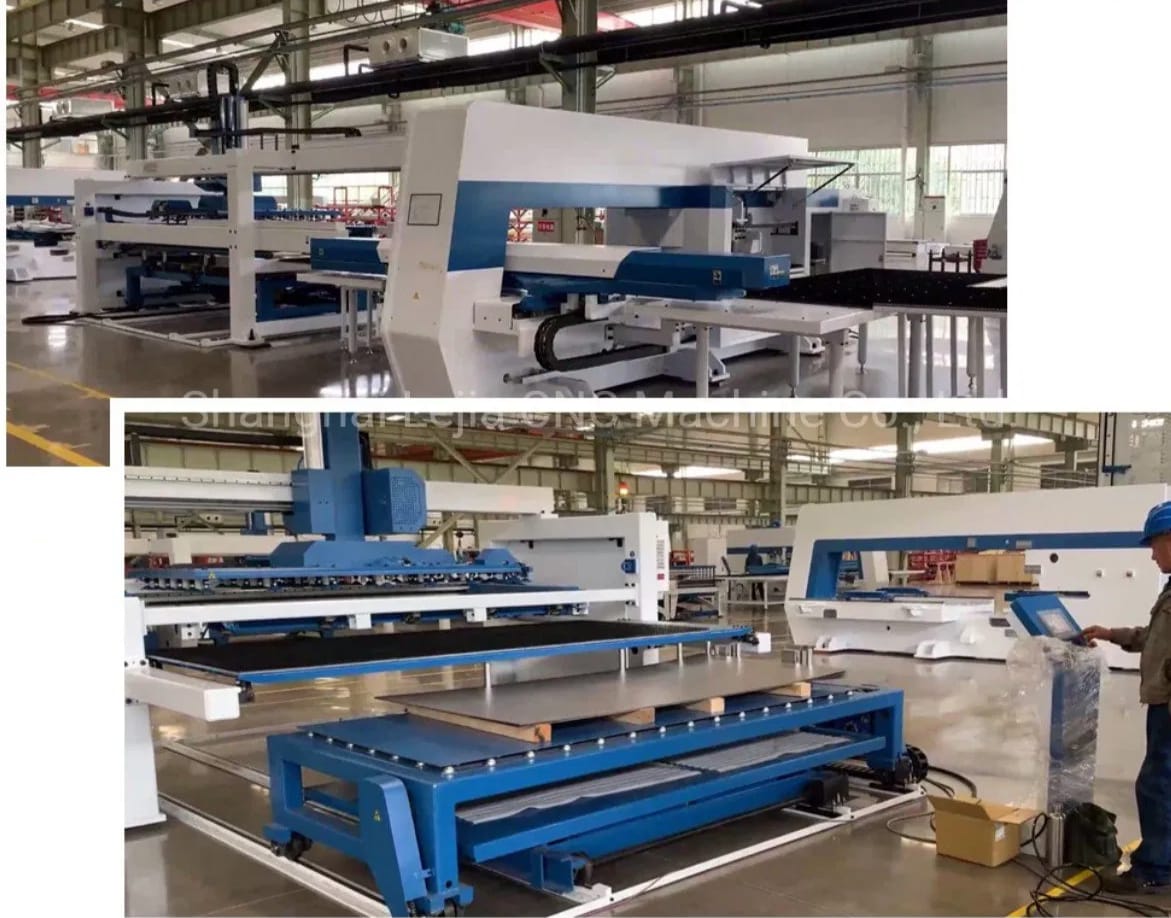
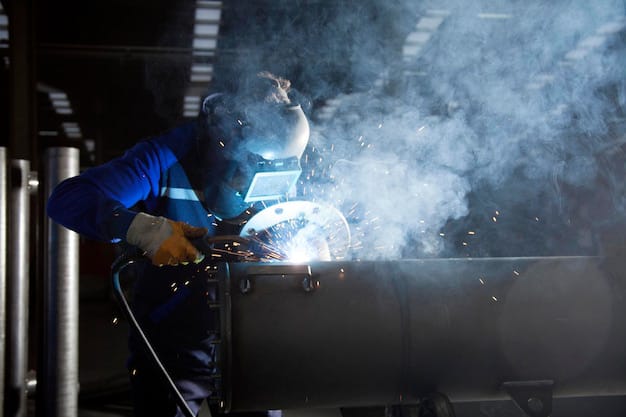
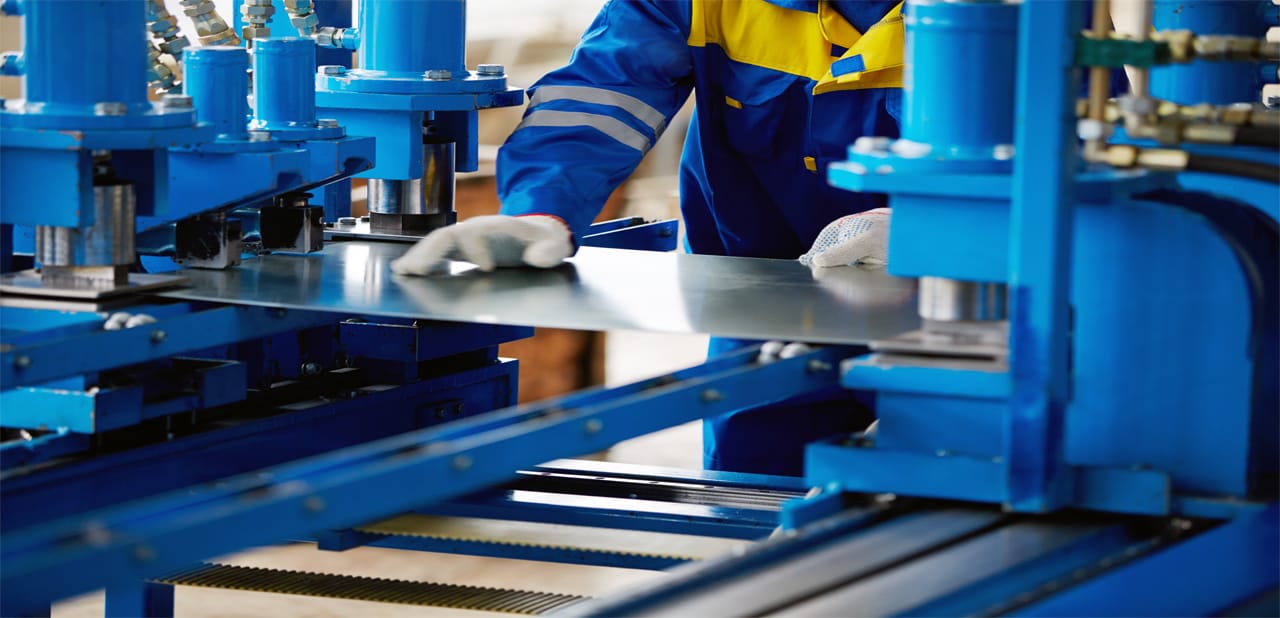
Every structural component is roll-formed, laser-punched, and robotically welded in-house for absolute batch-to-batch repeatability and dimensional tolerance.
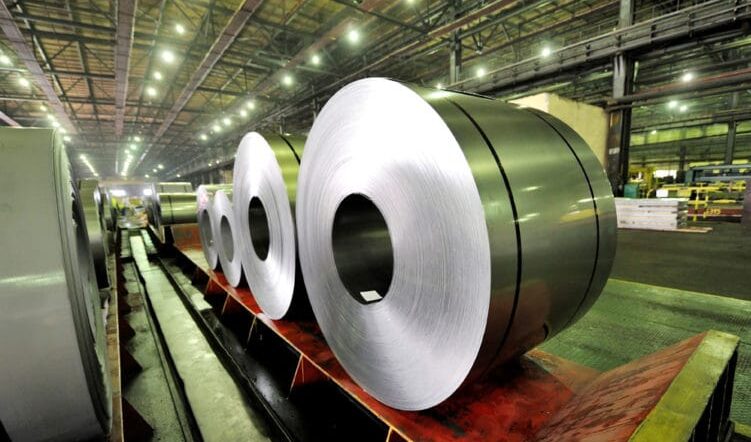
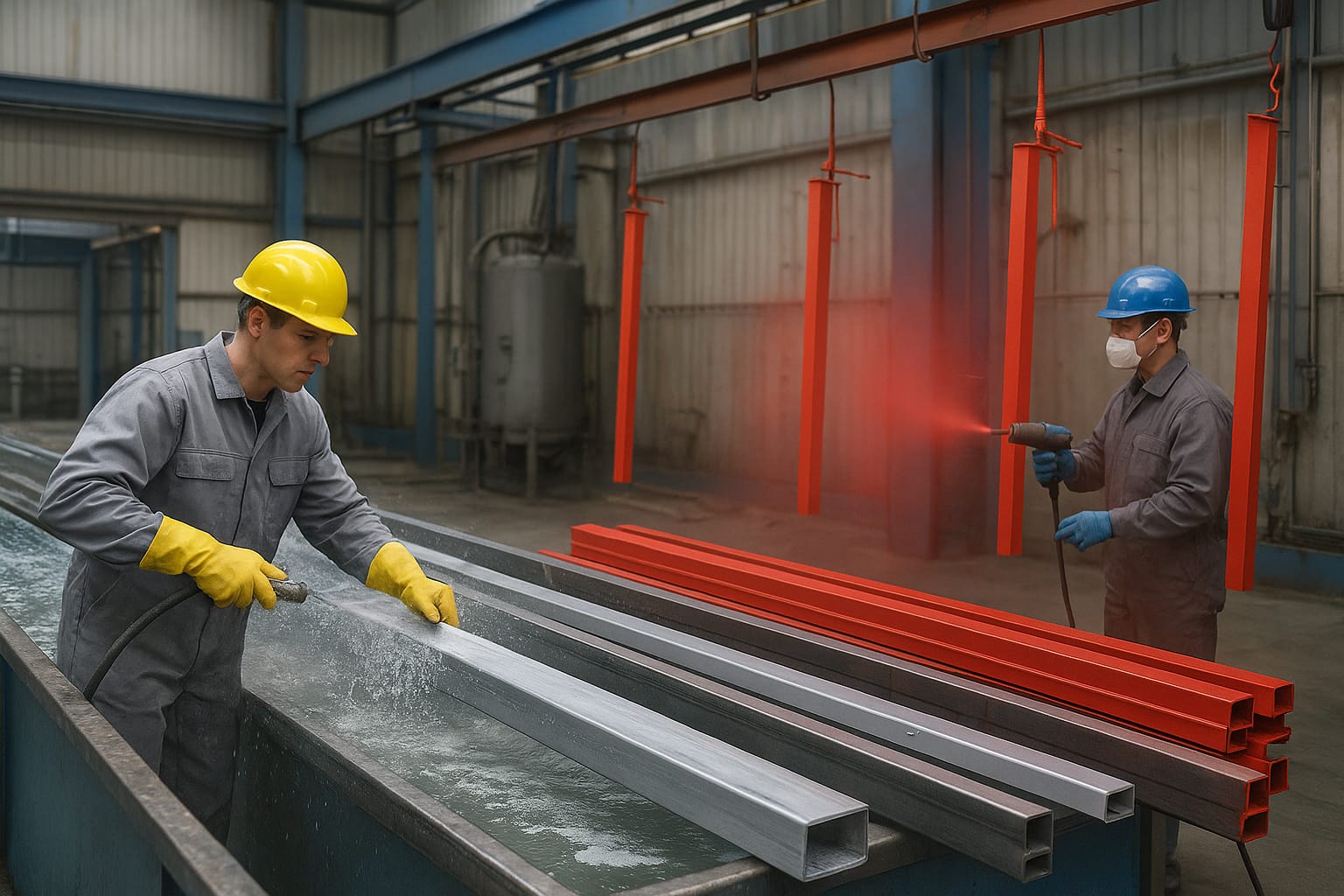
As a specialized direct manufacturer and exporter to the South African development zone, our production infrastructure operates under certified ISO 9001:2015, CE, and SGS quality management protocols. Our continuous manufacturing line eliminates the variances inherent in fragmented outsourcing. From primary raw coil uncoiling to multi-stage degreasing, ultrasonic phosphating, and automated electrostatic powder curing, every stage is monitored by ultrasonic thickness gauges and tensile stress test benches.
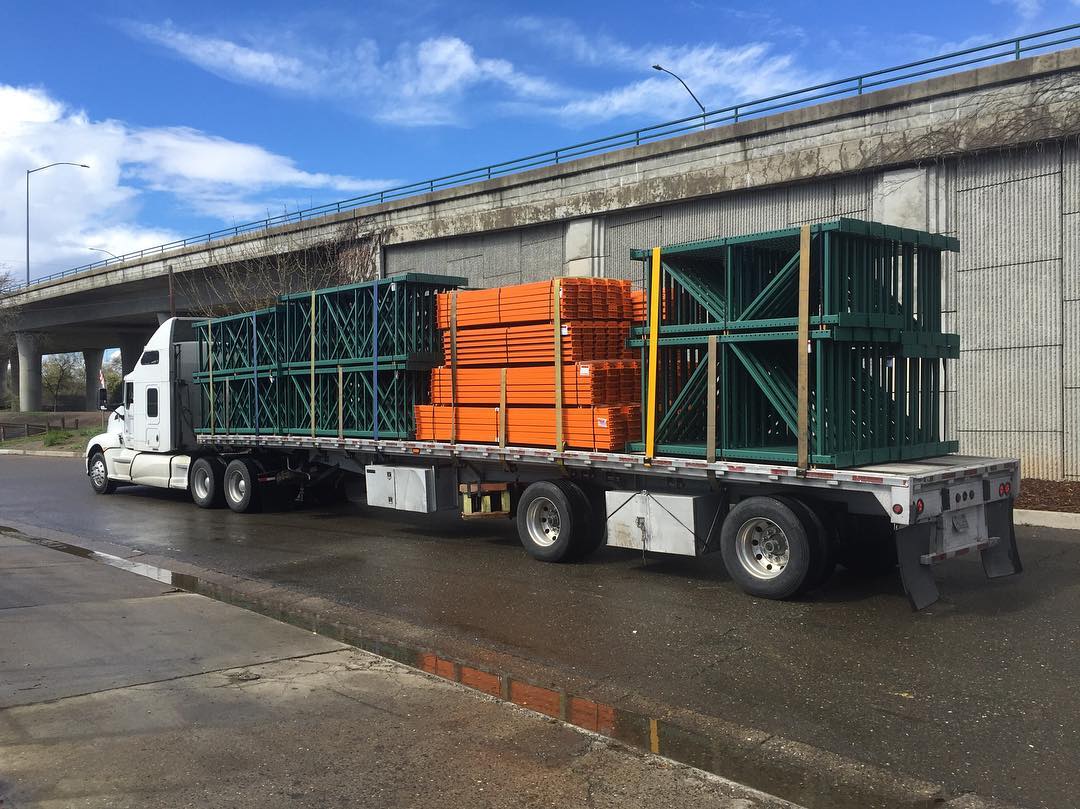
Our engineering team delivers turnkey DWG layouts, load calculations (UDL deflection ratios ≤ L/200), and complete maritime container packing configurations optimized for Durban and Cape Town discharge.
A clear economic breakdown of importing factory-direct wholesale order picking racking compared to local South African assembly.
When procurement managers in Johannesburg, Durban, or Cape Town evaluate structural storage systems, the true metric is the Total Landed Cost of Ownership (TCO). While localized steel distributors exist across South Africa, raw material constraints, rising local energy tariffs, and limited continuous automated roll-forming infrastructure frequently lead to extended fabrication lead times and 25% to 40% price premiums over direct Chinese supply.
Essential answers to technical, commercial, and regulatory questions asked by South African logistics directors.
Yes. Our order picking racks and mobile maintenance ladders are engineered in strict alignment with international safety codes (EN 15512, ANSI ASC A14.7, and SABS guidelines). All components are designed with generous safety factors (minimum 1.5 against yield, 1.95 against ultimate rupture). We supply comprehensive load capacity warning plaques, column floor anchors, back mesh screens, and beam safety pins to ensure your facility satisfies General Machinery Regulation 4 of the South African Occupational Health and Safety Act 85 of 1993.
All upright columns and step beams are finished with high-adhesion thermosetting epoxy-polyester powder coating (70–90 microns thickness) tested against ASTM B117 salt spray for up to 500 hours. Steel shelf panels and components are grouped with heavy-duty structural steel straps, corner plastic edge protectors, and multiple layers of heavy-gauge stretch wrap and moisture-absorbing silica gel packs inside every 20GP or 40HC container to prevent sea-air moisture damage.
Absolutely. We operate full in-house tooling and CNC roll-forming facilities. We regularly manufacture custom upright depths (400mm, 600mm, 800mm, 1000mm, 1200mm), column heights up to 12 meters, and beam lengths customized to your specific tote, bin, or carton dimensions. We also offer standard 50mm and 75mm hole pitches to guarantee dimensional integration with existing racking layouts.
Every commercial export order includes a full set of certified trade documents: Commercial Invoice with precise HS Code classification (e.g., 7308.90 / 9403.20), detailed Packing List with container piece counts, Clean on Board Ocean Bill of Lading (B/L), Certificate of Origin (COO), and Mill Test Certificates (MTC) verifying Q235B/Q355B chemical and physical tensile integrity, allowing smooth clearance through SARS customs brokers.
Each container shipment is accompanied by comprehensive, color-coded CAD assembly drawings, exploded 3D component diagrams, and step-by-step installation manuals. Upright frames are bolted using provided grade 8.8 structural fasteners, and beams lock securely into position with tool-free safety pins. If required, we can coordinate with vetted independent local installation contractors throughout Gauteng, KwaZulu-Natal, and the Western Cape.
Our standard production lead time is 14 to 20 days from final CAD sign-off and deposit confirmation. Because we manufacture standard and custom profiles in large automated production runs, our optimal economic order quantity starts at one 20GP container (approx. 10–13 tons), but we routinely handle multi-container 40HC turnkey projects exceeding 500 tons for national regional distribution centers.
Decades of structural engineering integrity, modern machinery, and direct factory-to-port logistics support.
We source cold-rolled coils exclusively from top-tier primary steel mills. Every coil arrives with batch chemical analysis and tensile verification ensuring no micro-fractures during intensive roll-forming.
Our experienced structural engineering department produces full DWG architectural layouts, flue spacing calculations, and Finite Element Analysis (FEA) deflection simulations tailored to your specific forklift pathways.
By controlling design, profile rolling, automatic punching, welding, powder curing, and container stowage under one roof, we eliminate third-party subcontractor markups and guarantee verifiable production timelines.
Connect with our technical export directors to discuss load capacities, pallet-to-carton split configurations, and container shipping schedules direct to Durban, Cape Town, or Coega.