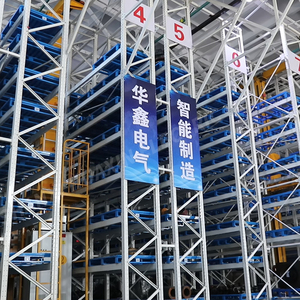
Explore our top-tier heavy structural storage solutions, automated retrieval hardware, and modular industrial handling components engineered for high-throughput logistics hubs.
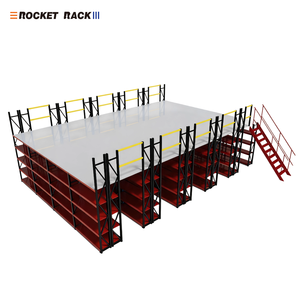
Storing long, heavy, and awkward goods—such as structural steel beams, extruded aluminum profiles, industrial pipes, timber packs, and sheet composites—has historically imposed severe spatial penalties on modern logistics facilities. Traditional static cantilever racks require dedicated forklift handling aisles between every single rack row, resulting in a facility where up to 60% to 70% of total warehouse floor area is consumed by open gangways rather than revenue-generating inventory.
Mobile Cantilever Racking fundamentally shifts this operational dynamic. By mounting heavy-duty structural cantilever columns onto electronically synchronized, motor-driven mobile bases (chassis bogies) that glide on precision-leveled steel rails embedded directly into the concrete floor slab, the entire storage block becomes a monolithic, mobile block. Only one single operating aisle is opened when access is required, commanded automatically via radio frequency remotes, warehouse management systems (WMS), or localized PLC touchscreens.
As premier manufacturers headquartered in the Ajman Free Zone, UAE, with over two decades of heavy steel fabrication expertise, Signature Racking Systems engineers each mobile cantilever installation to rigorous international norms including FEM 10.2.02 (Design of Static Cantilever Racking), FEM 9.831 / EN 15095 (Power-Operated Mobile Racking Safety), and local seismic building codes.
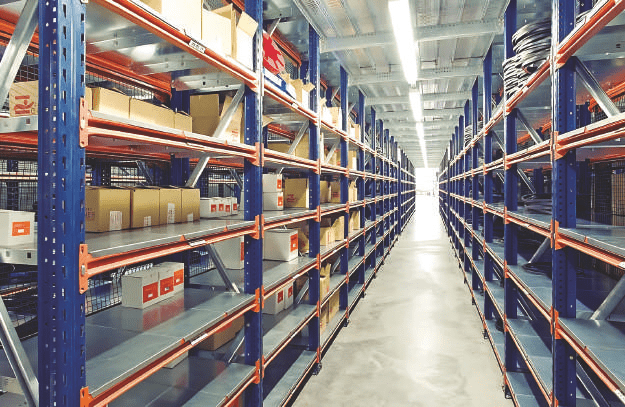
Engineered for extreme reliability under cyclic lateral and torsional stresses. Here are the core structural and electro-mechanical sub-assemblies.
Manufactured from high-tensile European standard hot-rolled I-profiles (IPE, HEA, or HEB in Q235B/Q355B structural steel). Unlike roll-formed uprights, solid hot-rolled steel absorbs dynamic impact shocks from heavy side-loaders and 4-way reach trucks without torsional deformation.
Arms are tapered towards the front tip to optimize structural bending moments while maximizing vertical clearance for forklift tines. Featuring pinned pivot connections, the arms swing upward if bumped from below during crane or forklift retrieval, preventing structural column damage.
Constructed from welded box girders with high torsion rigidity. Each mobile base is supported by double-flanged forged steel drive wheels and idle wheels riding on specialized flat-top embedded guide rails, dissipating multi-ton point loads into the sub-slab.
Carriages are driven by an array of synchronized shaft-mounted geared motor units managed by Variable Frequency Drives (VFD). This ensures ultra-smooth ramp-up (soft start) and gentle braking (soft stop), preventing pipe rolls or load shifting during carriage translation.
Safety is paramount. Long-range multi-beam optical light curtains sweep the full length of the open aisle. Floor-level optical trip bars and emergency bumper switches immediately halt carriage movement within milliseconds if any personnel, forklift, or dropped item is detected.
Machined steel guide rails and load-bearing run-tracks are laser-aligned to within ±1.0 mm tolerance over 30 meters. Rails are set with non-shrink structural grout and anchored to the floor slab, creating a flush concrete surface that allows conventional forklift crossing without vibration.
As supply chains pivot toward higher automation, strict safety compliance, and carbon footprint reduction, procurement directors must evaluate mobile cantilever systems against next-generation criteria.
Modern procurement demands rack control systems that hook directly into Tier-1 WMS software via OPC-UA industrial protocols. When an incoming order for steel bundle SKU #8812 is received, the WMS automatically commands the mobile racks to open aisle #4 while the forklift is still traveling from the receiving dock, eliminating truck waiting idle times completely.
Next-generation cantilever arms are increasingly integrated with strain-gauge sensors and IoT gateways. These transmit real-time telemetry on arm deflection and structural load balance. Procurement teams are specifying this technology to prevent un-reported overload events in high-throughput pipe distribution centers.
In temperature-controlled and cold-storage operations, refrigeration compressors work overtime to cool wasted airspace. Mobile cantilever systems reduce the refrigerated cubic volume by up to 50%. New procurement tenders mandate VFD inverter systems equipped with regenerative braking that feeds power back into the grid during carriage deceleration.
Quantitative decision framework for supply chain directors, warehouse architects, and operations managers balancing throughput, density, and capital investment.
| Evaluation Metric | Static Cantilever Racks | Motorized Mobile Cantilever | High-Bay Heavy AS/RS Crane |
|---|---|---|---|
| Floor Space Footprint Utilization | Low (30% to 40% rack footprint, remainder aisles) | Maximum (80% to 85% storage density) | Very High (Vertical cube optimization up to 30m) |
| Direct SKU Selectivity | 100% Immediate Direct Access | 100% Direct Access (via 18-25 sec aisle open) | 100% Automated Automated Crane Access |
| Initial Capital Expenditure (CapEx) | Low (Baseline 1.0x) | Moderate (Approx. 2.2x - 2.8x of static) | Extremely High (6.0x - 10.0x of static) |
| Forklift & Crane Fleet Required | Standard Side-loader or Counterbalance | Standard Side-loader or 4-Way Reach Truck | Integrated Automated Stacker Crane Unit Only |
| Relocation & Scalability Flexibility | High (Easily disassembled & re-anchored) | High (Modular rails and expandable chassis) | Extremely Low (Permanent building-integrated) |
| Maintenance & Lifecycle Operating Cost | Negligible (Periodic visual inspections) | Low (Standard industrial motor/rail greasing) | High (Specialized crane technicians required) |
| Typical Payback Period (ROI) | N/A (Baseline reference) | 14 to 22 Months (via land & building savings) | 48 to 72 Months |
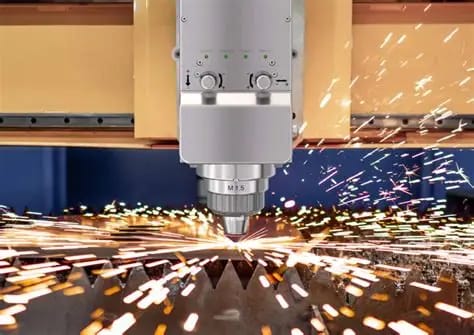
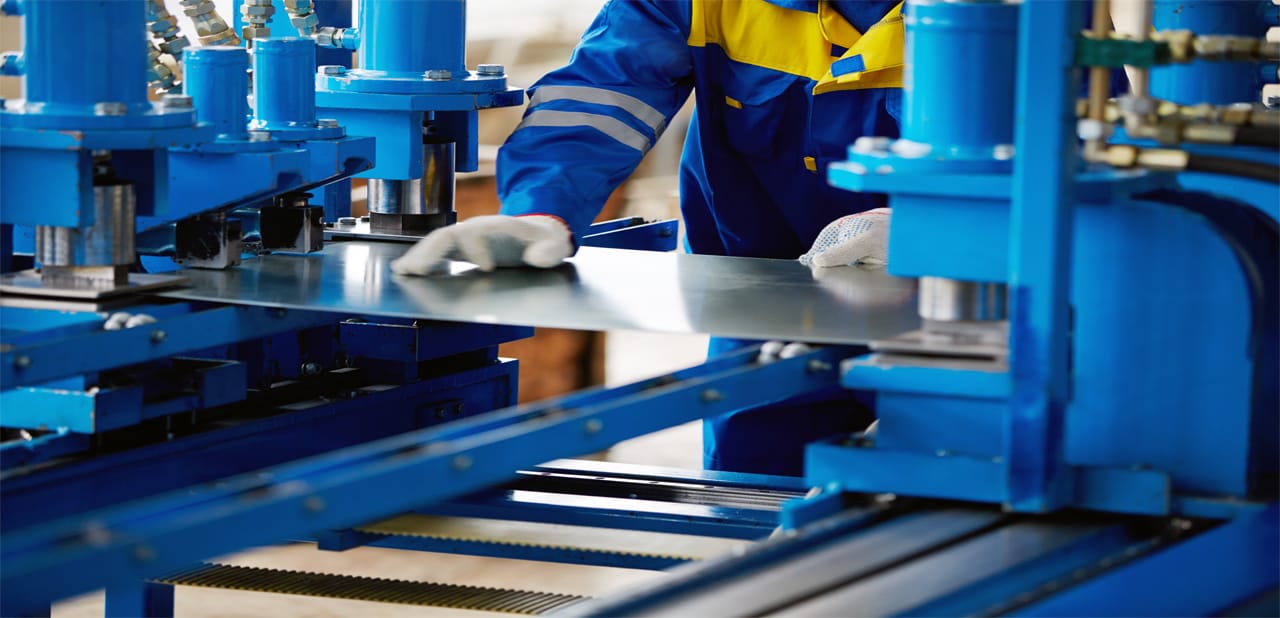
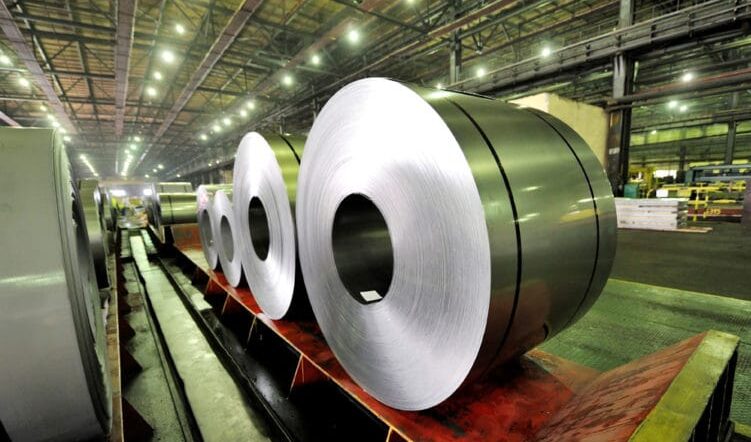
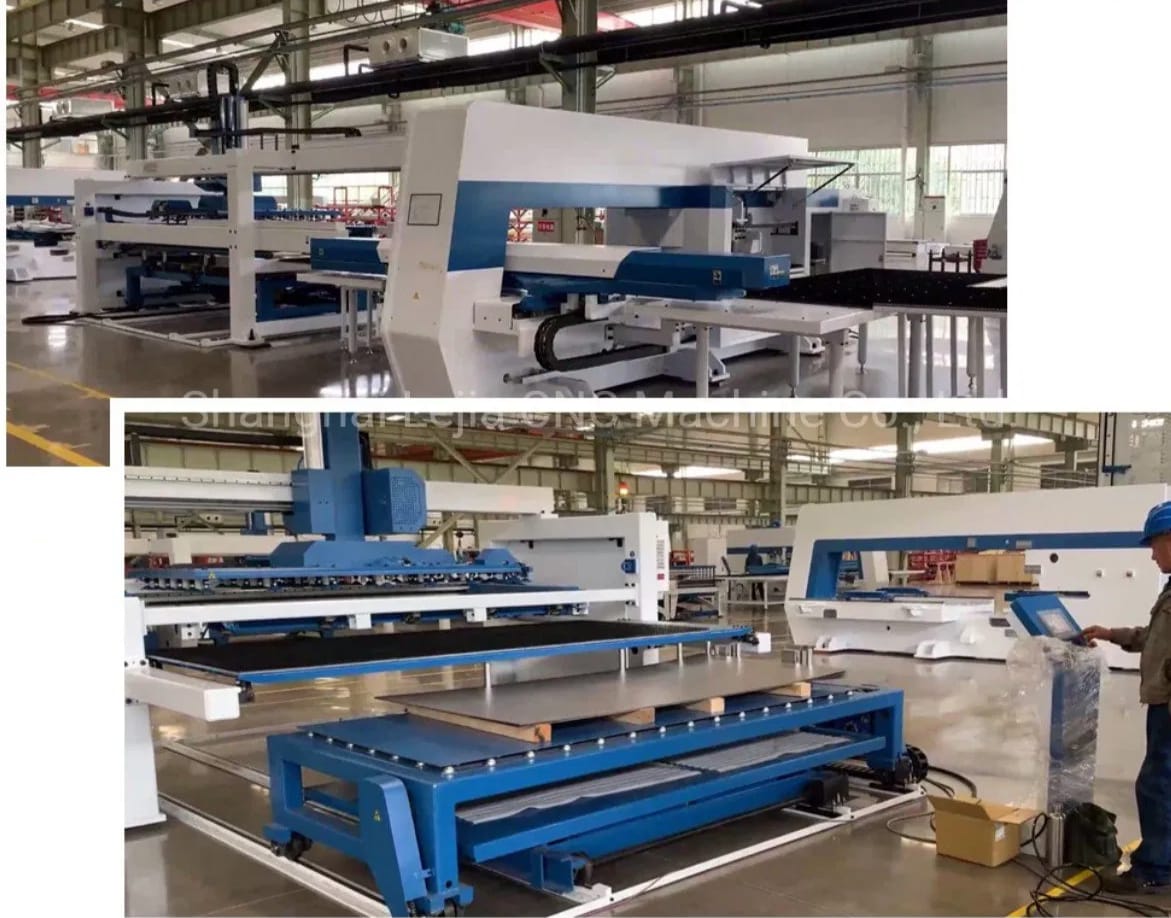
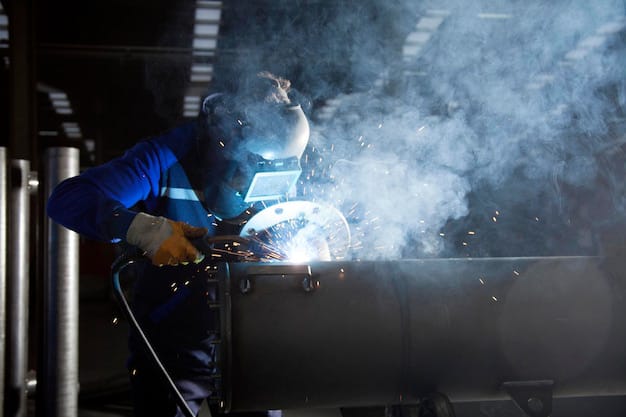
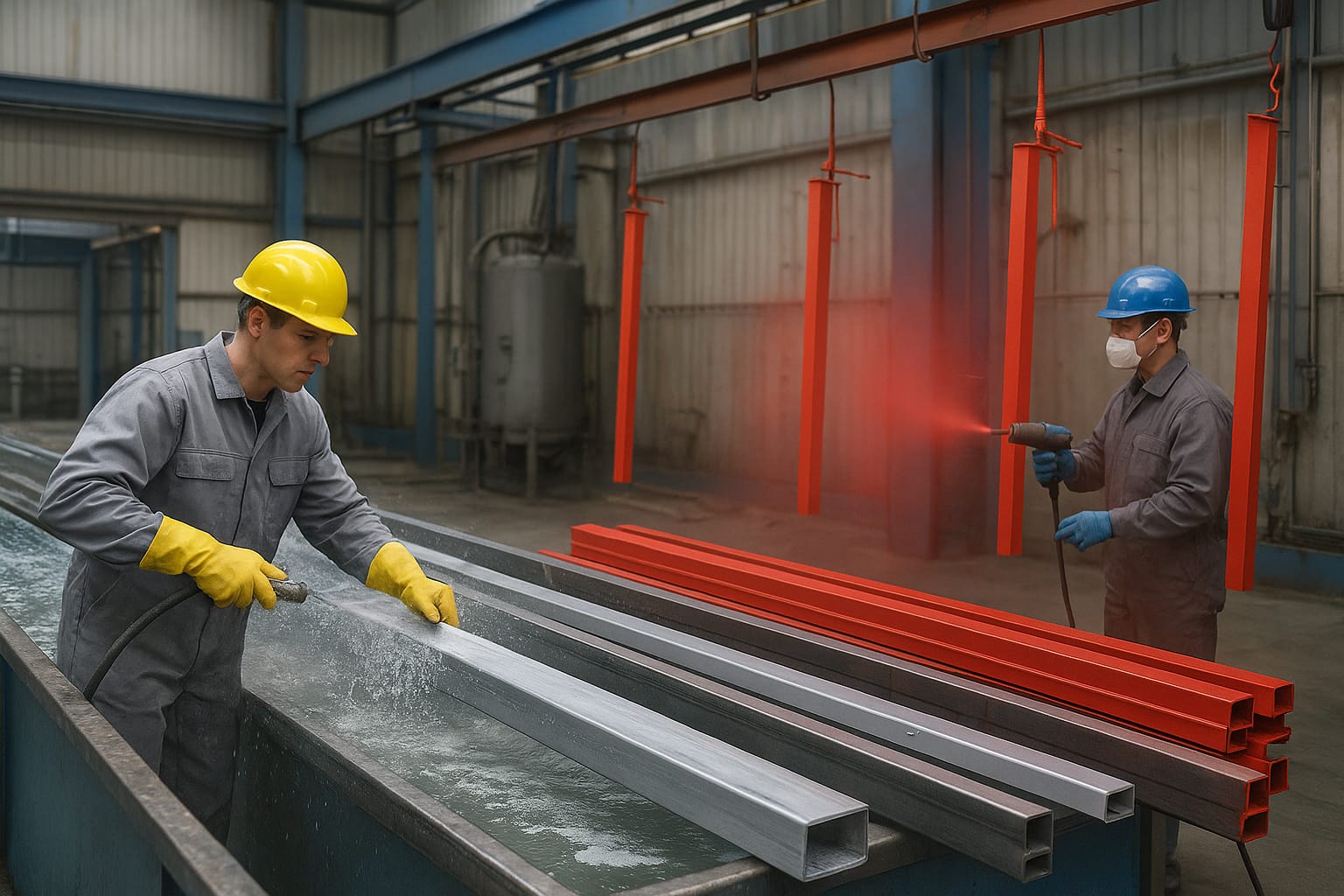
Founded on over 20 years of hands-on structural engineering, Signature Racking Systems operates a fully integrated, state-of-the-art manufacturing campus in the Ajman Free Zone, United Arab Emirates. Unlike brokers or catalogue traders, we control 100% of the value chain in-house—from metallurgical steel verification, precision CNC auto-punching, and heavy roll forming to automated robotic welding, multi-stage phosphate pretreatment, and electrostatic powder coating.
This vertical integration ensures absolute adherence to tight dimensional tolerances (±0.5mm), critical for mobile cantilever rack wheels traveling over embedded guide tracks. Furthermore, owning our production scheduling enables us to reliably commit to fast lead times for complex turnkey projects across Dubai, Abu Dhabi, Saudi Arabia, Oman, and global export destinations.
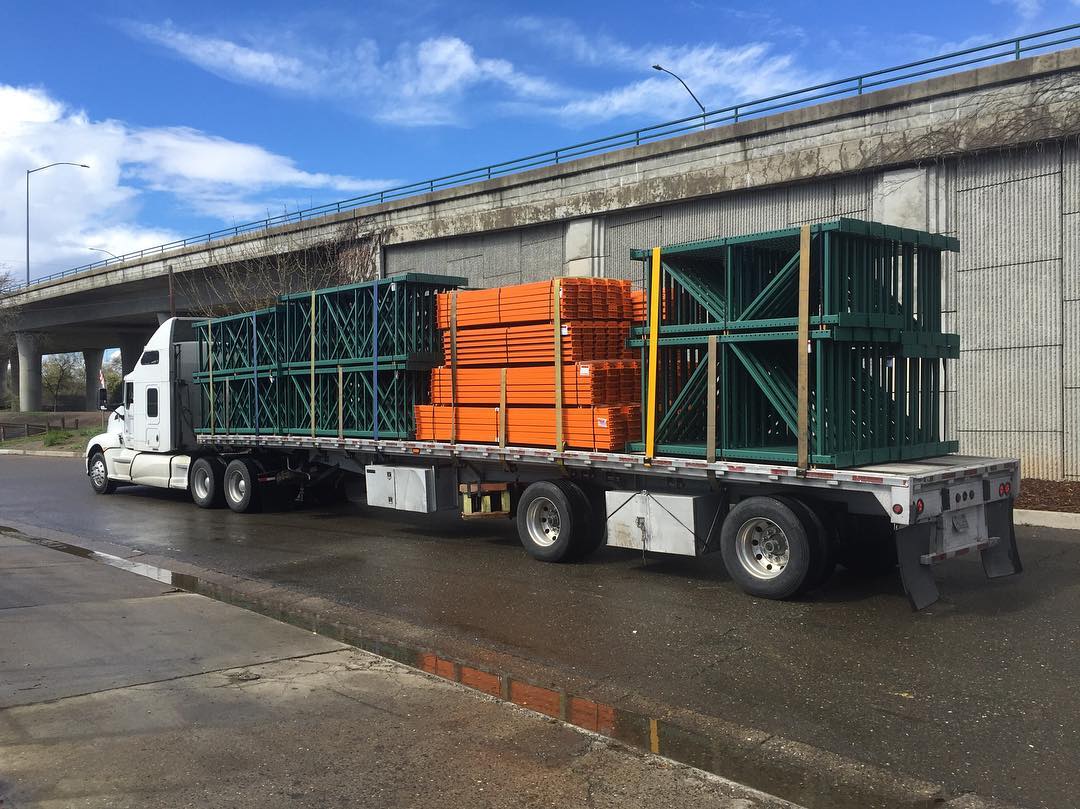
Step inside our production lines engineered for heavy structural fabrication and dynamic mobile base assembly.
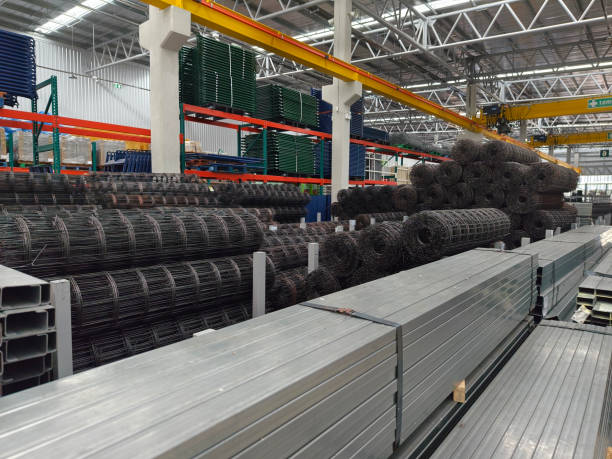
From structural geotechnical slab evaluation to final load certification, our dedicated engineering team ensures flawless execution.
We perform on-site 3D laser scanning of floor levelness, evaluate core-sample compressive slab strength (C30/37 minimum recommended), and model SKU dimensions and forklift mast envelopes.
Our structural design office utilizes Finite Element Analysis (FEA) to simulate dynamic cyclic loading, cantilever deflection curves under maximum capacity, and rail shear stresses per FEM 10.2.02 codes.
Component parts are manufactured in our Ajman Free Zone facility under ISO 9001 quality protocols. Every mobile bogie undergoes weld ultrasonic testing and motor drive gear alignment verification.
Our rigging crews channel the concrete, set the guide rails with high-strength non-shrink grouting, assemble chassis units, wire optical Category-4 safety circuits, and conduct complete proof-load trials.
Answers to common structural, civil, mechanical, and safety questions raised by warehouse engineers and facility procurement directors.
Because a mobile cantilever block concentrates multiple rows of heavy materials into a single rolling unit, floor slab requirements are more stringent than for static racks. The concrete slab should typically possess a minimum compressive strength of C30/37 or 30 MPa to 35 MPa, reinforced to withstand concentrated point loads transmitted through carriage wheels (often 60 kN to 120 kN per wheel). The floor levelness must conform to DIN 18202 Table 3 Line 3 or EN 15620 standards. Our engineers provide full floor slab load calculations during the preliminary CAD phase.
Our systems conform to international safety standard EN 15095. Safety features include: (1) Optical Category 4 photoelectric safety curtains running along the longitudinal aisle openings; (2) Low-level photoelectric beams across carriage wheel tracks to detect dropped tools or pallet fragments; (3) Mechanical emergency-stop bumpers at both ends of every mobile carriage; (4) Flashing beacon alarms and acoustic sirens that operate before carriage movement begins; and (5) Emergency stop push-buttons mounted at every carriage corner and central control console.
Carriage bogie translation speed is calibrated at 4.0 to 5.5 meters per minute. To open a typical clear working aisle of 3.5 to 4.2 meters for a side-loader or counterbalanced forklift, the system takes approximately 35 to 45 seconds. When integrated with warehouse management systems (WMS) or remote radio transmitters mounted inside forklift cabins, operators initiate aisle opening while transporting their previous load, virtually eliminating wait times during typical operating cycles.
Signature mobile cantilever control panels are designed with emergency integration capabilities. In standard facilities, the system can be linked to an on-site standby emergency diesel generator (typical power draw is modest, usually 15 kW to 30 kW depending on the number of driven carriages). Additionally, the drive motors feature manual mechanical shaft overrides, allowing maintenance personnel to manually wind carriages open if all electrical backup is offline.
Yes, provided the existing cantilever uprights and arms meet structural integrity standards and are fabricated from certified hot-rolled structural steel profiles (such as IPE or HEA). Signature Racking Systems can design and fabricate custom mobile carriages, embed the guide rail network into your current floor, and mount your existing columns onto our motorized chassis, providing a cost-effective path to double storage capacity without buying all-new upright steel.
Because we engineer our systems using heavy structural steel, standard arm capacities range from 500 kg up to 3,500 kg per arm under Uniformly Distributed Load (UDL). For specialized heavy engineering, steel coil storage, or heavy die applications, we fabricate custom reinforced cantilever arms supporting up to 5,000 kg per arm, with total column capacities exceeding 25,000 kg per side.
Planning to optimize an existing profile distribution center or constructing a new long-goods logistics hub? Provide our engineering office with your building dimensions, clear roof heights, and inventory weight profiles. Our CAD team will return an optimized mobile cantilever layout along with capacity projections and CapEx payback modeling.
Contact Us