
Manufactured on fully automated multi-spot CNC welding lines from certified Q235B low carbon structural drawn steel. Designed to fit standard teardrop, box, and structural step beams with uniform load capacities from 500 kg to beyond 1,500 kg per level.
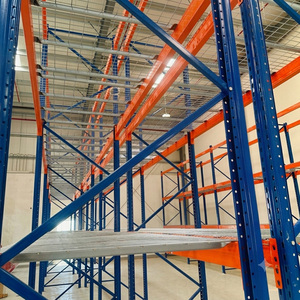
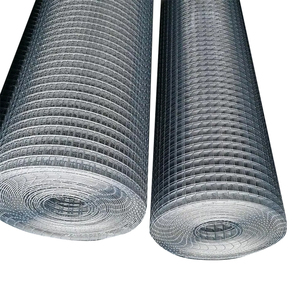
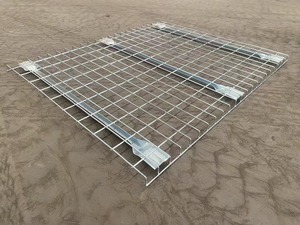
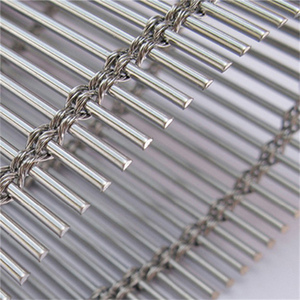
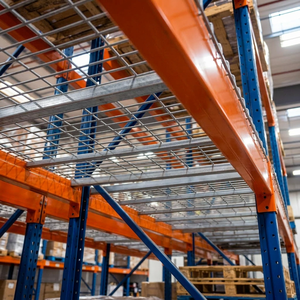
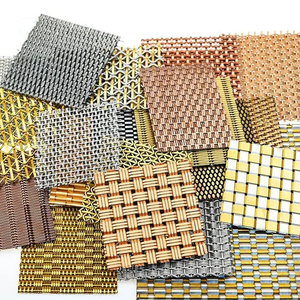
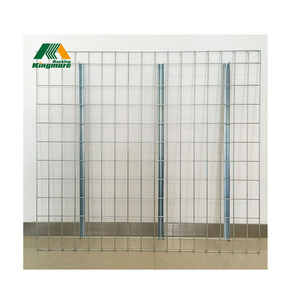
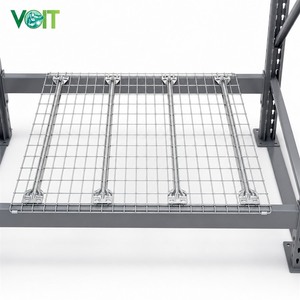
Modern high-bay logistics facilities demand structural storage accessories that combine absolute load-bearing reliability with active life-safety compliance. Unlike conventional timber panels—which warp, introduce particulate dust, and present severe fire fuel loading—precision cold-drawn welded wire mesh decking represents the global standard for industrial selective racking, drive-in systems, and automated sorting centers.
Engineered wire decking functions as a distributed safety grid. The load is transferred from the cold-drawn steel longitudinal wires into transverse roll-formed steel channel supports (typically 14 to 16 gauge), which seat squarely upon the structural rack step or box beams. Under ANSI MH26.2 standard calculations, the maximum permissible deflection under maximum uniformly distributed load (UDL) cannot exceed L/240 (where L equals the beam depth span). This rigorous mechanical threshold guarantees that automated handling equipment (AS/RS, AGVs, and reach trucks) can place and extract pallets without snagging or irregular tilt.
| Engineering Parameter | Standard Specification | Compliance Benchmark |
|---|---|---|
| Raw Material Metallurgy | Q235B / Q195 Low Carbon Steel | ASTM A510 / GB/T 700-2006 |
| Weld Joint Shear Strength | > 5.5 kN per weld intersection | AWS D1.1 / EN ISO 15614 |
| Deflection Limit Ratio | ≤ L / 240 under full rated UDL | ANSI MH26.2-2017 Sec 5.2 |
| Sprinkler Hydrological Void | > 70% open aperture area | NFPA 13 Fire Sprinkler Flow |
| Electro-Zinc Plating Thickness | 8 – 15 Microns with Cr3+ seal | ASTM B633 / ISO 2081 |
| Hot-Dip Galvanizing | 45 – 65 Microns (Cold Storage) | ASTM A123 / ISO 1461 |
Selecting the precise channel profile prevents structural beam rotation, eliminates point-load stress concentrations, and optimizes clearance for carton picking and pallet runners.
Features flared sheet-metal support brackets that sit flat across standard structural channel beams, box beams, and step beams. Ideal for retrofitting diverse legacy racking configurations without replacing load beams.
Engineered with formed channel ends that nest precisely into the standard 1-5/8" beam step recess. Restricts lateral walk while providing maximum vertical rigidity for standard 40"x48" GMA pallet distribution.
The roll-formed U-channel faces downward, preventing dust, food residue, and carton lint from accumulating inside the channel trough. The definitive choice for food-grade, cold chain, and pharmaceutical facilities.
Sits completely flush inside the step beam without an external front waterfall lip. Essential for order-picking operations where workers slide cartons onto hand trucks without catch points or label scratching.
As omni-channel logistics, automated fulfillment, and carbon border adjustment mechanisms (CBAM) transform global warehousing, procurement directors must evaluate wire decking beyond basic steel tonnage.
Micro-mesh decking designs (25x50mm or 50x50mm grids) are replacing wide apertures to support small polybags, totes, and plastic bins directly on racking without dedicated slave boards, preventing sag under robotic vision scanning.
Procurement is pivoting toward cold-drawn wires with higher tensile yield strengths (>550 MPa). This metallurgical advancement permits a 12% reduction in dead tare weight while increasing live capacity, directly reducing international sea container freight costs.
Environmental standards restrict hazardous hexavalent chromium plating. Tier-1 China exporters have upgraded to trivalent chromium (Cr3+) electro-galvanizing and low-VOC thermo-set powder coatings with 1,000-hr salt-spray corrosion resistance for cold storage down to -30°C.
Logistics engineering has introduced inter-locking nested channel designs. Precision CNC channel spacing allows up to 2,800 pieces per 40ft High Cube container (vs. 1,900 pieces under legacy stacking), dropping per-unit ocean freight amortizations significantly.
Controlling every manufacturing stage in-house eliminates subcontractor delays, maintains tight dimensional tolerances (±0.5mm), and ensures 100% traceability from raw carbon steel rod to finished packed export pallets.
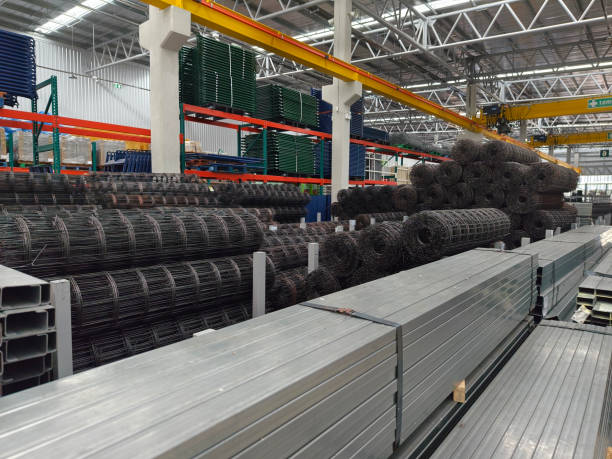
Prime grade Q235B wire rod coils inspected for metallurgical composition, tensile consistency, and surface purity.
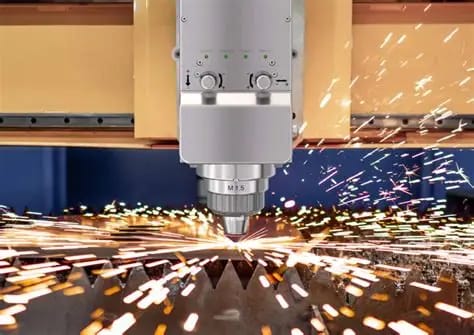
Automated wire drawing and rotary fly-shear systems cut wires to exact dimensional lengths with clean, burr-free ends.
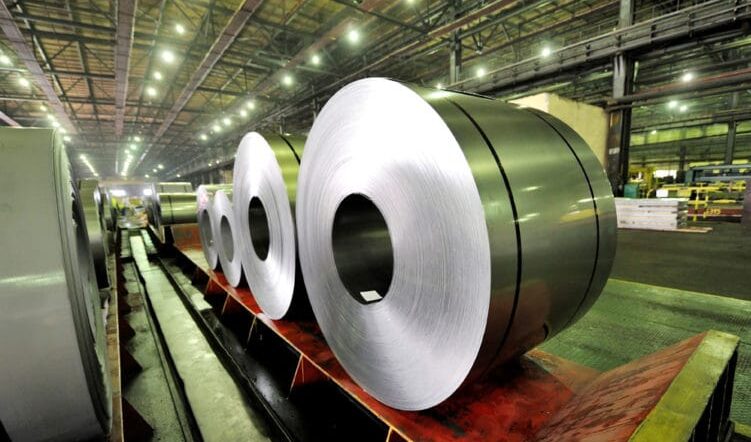
Continuous progressive roll-forming machines shape 14-gauge and 16-gauge steel strip into high-moment U and F-channel profiles.
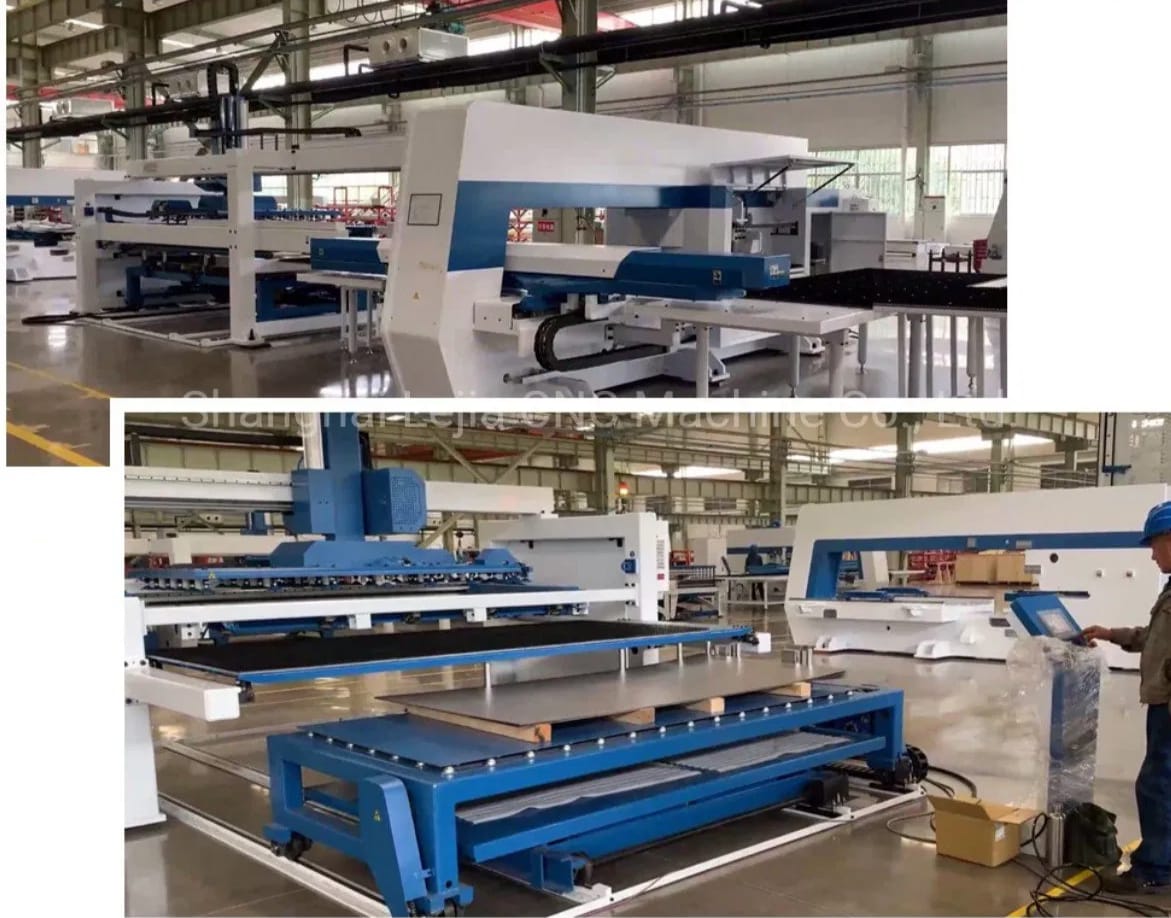
Automated press punches create the exact step notch or flared geometry to fit specific customer beam widths perfectly.
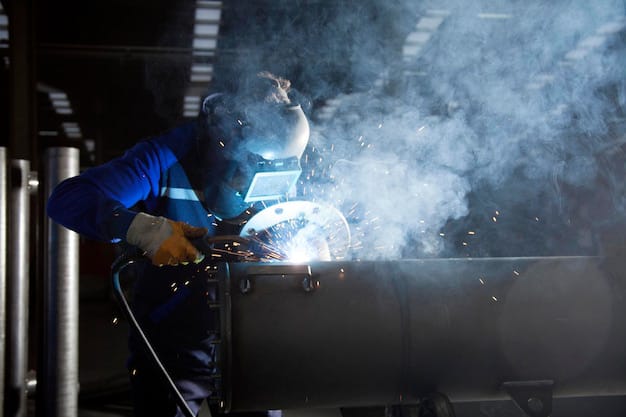
Synchronized multi-electrode gantry resistance welders bond cross wires simultaneously for deep metallurgical fusion.
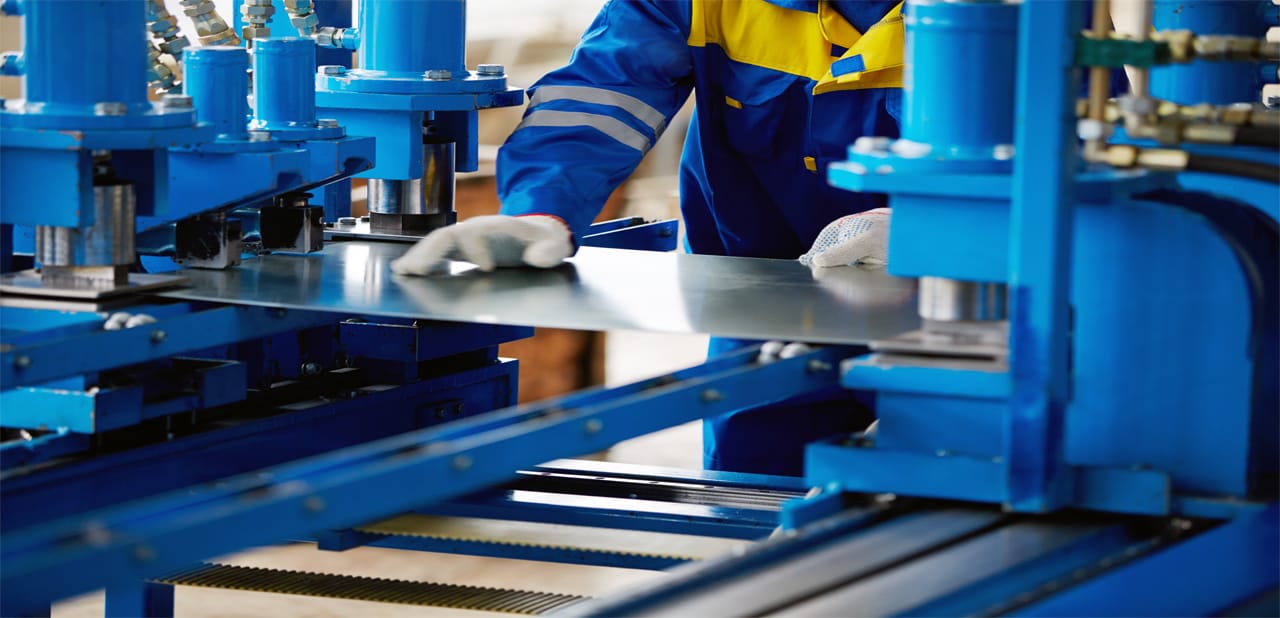
Support channels are fused to the wire mesh mat under high-tonnage resistance welders, eliminating brittle manual tack welds.
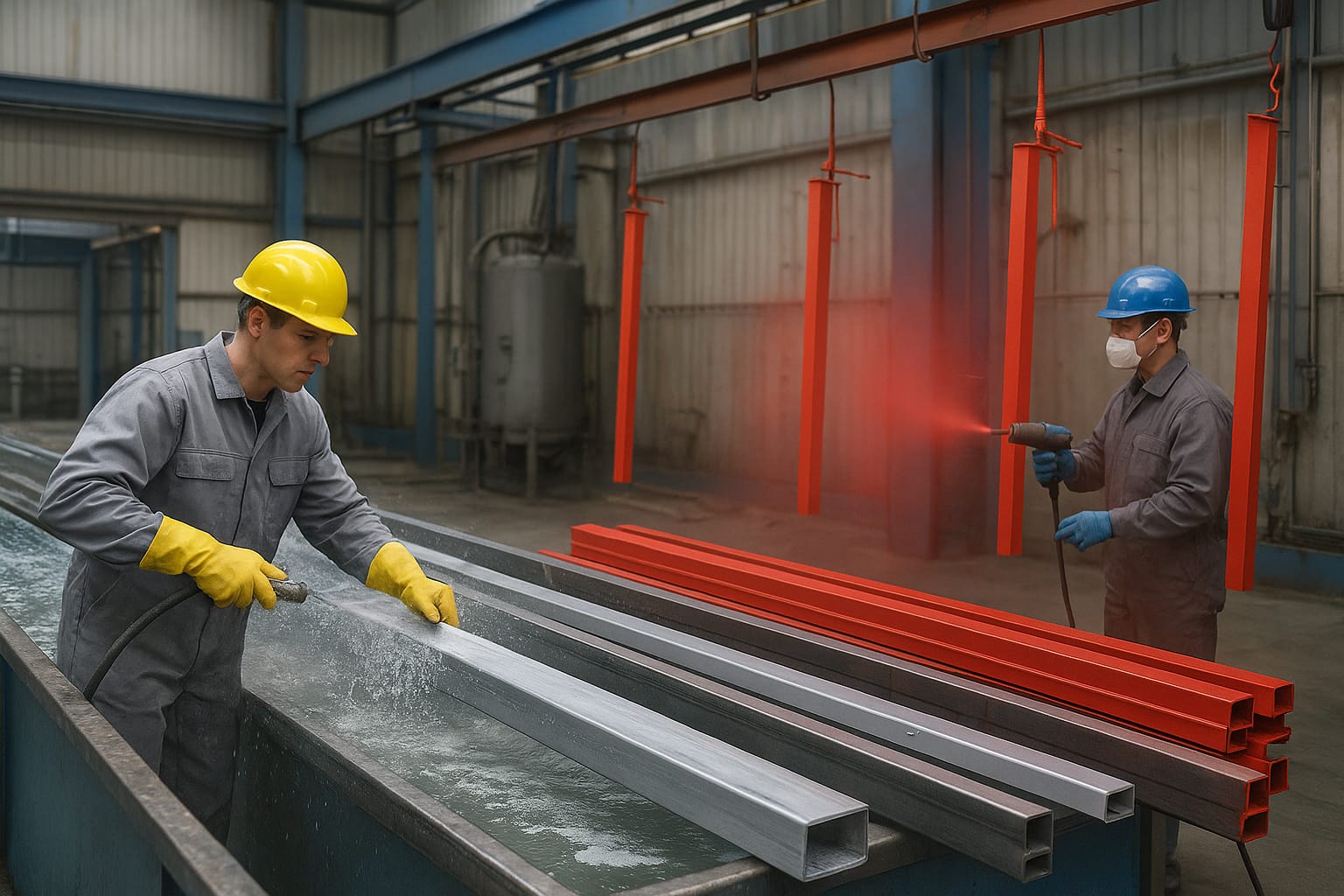
Multi-stage acid wash, phosphate passivation, followed by electro-galvanizing or automated electrostatic powder curing.

Continuous hydraulic deflection testing, strapped bundling with metal corner protectors and moisture-proof wrapping.
Direct technical answers addressing fire safety regulations, beam compatibility, load engineering, and international shipping configurations.
Under the International Fire Code and NFPA 13 (Standard for the Installation of Sprinkler Systems), solid shelving exceeding 20 sq. ft. acts as an internal roof, deflecting ceiling ESFR sprinkler discharge and requiring costly in-rack sprinkler heads. Welded wire mesh decking provides an open hydrological area of over 70%, allowing sprinkler water to penetrate instantly through high-bay tiers to reach lower-level combustion origins quickly while maintaining natural warehouse lighting and HVAC circulation.
Channel quantity is mathematically determined by the target Uniformly Distributed Load (UDL) and the clear rack depth. A standard 46" wide x 42" deep deck rated for 2,500 lbs (1,134 kg) typically employs three 14-gauge U-channels. For heavy industrial applications exceeding 3,500 lbs (1,587 kg) or situations involving point-loaded pallet runners or skids, our engineering team specifies four to five formed channels to prevent wire shear and uphold the ANSI MH26.2 L/240 deflection threshold.
A Step Channel deck features a precisely notched vertical profile designed to drop strictly into the 1-5/8" step of roll-formed step beams. A Flared Waterfall deck features a flattened horizontal bracket that extends across the top face of structural C-channel beams, box beams, or irregular steps. While Step Channels provide superior lateral beam lock-in, Flared designs provide universal compatibility across mixed-vendor racking installations.
For climate-controlled ambient warehouses, standard electro-galvanizing (8–12 microns with Cr3+ passivation) or electrostatic powder coating provides optimal economic protection against indoor humidity. For sub-zero cold rooms (-20°C to -30°C) with continuous condensation cycling, we specify hot-dip galvanizing (HDG) per ASTM A123 with 55–65 microns of metallurgical zinc alloy coating to permanently eliminate micro-crack flaking and corrosion creep.
Global freight damages frequently occur during rough ocean transit and heavy forklift handling. Our factory implements a dedicated export bundling standard: wire decks are interlocked and nested in sets of 40–50 pieces, bound with heavy-duty steel strapping over heavy gauge structural edge protectors, mounted on custom fumigated solid-wood skids, and wrapped with waterproof VCI anti-rust stretch membrane with desiccant packs.
Yes. In addition to standard 46"x42", 46"x48", and 46"x36" dimensions, our engineering center produces custom CAD-designed decking layouts with integrated hanging dividers, rear back-stops (to prevent pallet push-through), front and back waterfall offsets, and specialized underside pass-through recesses designed specifically for structural rack tie-bars and sprinkler pipe clearance.
Send your warehouse floor plans, beam section profiles, and required UDL load specifications. Our structural engineering team will deliver a comprehensive proposal with complete deflection analysis and full container loading schedules within 24 hours.