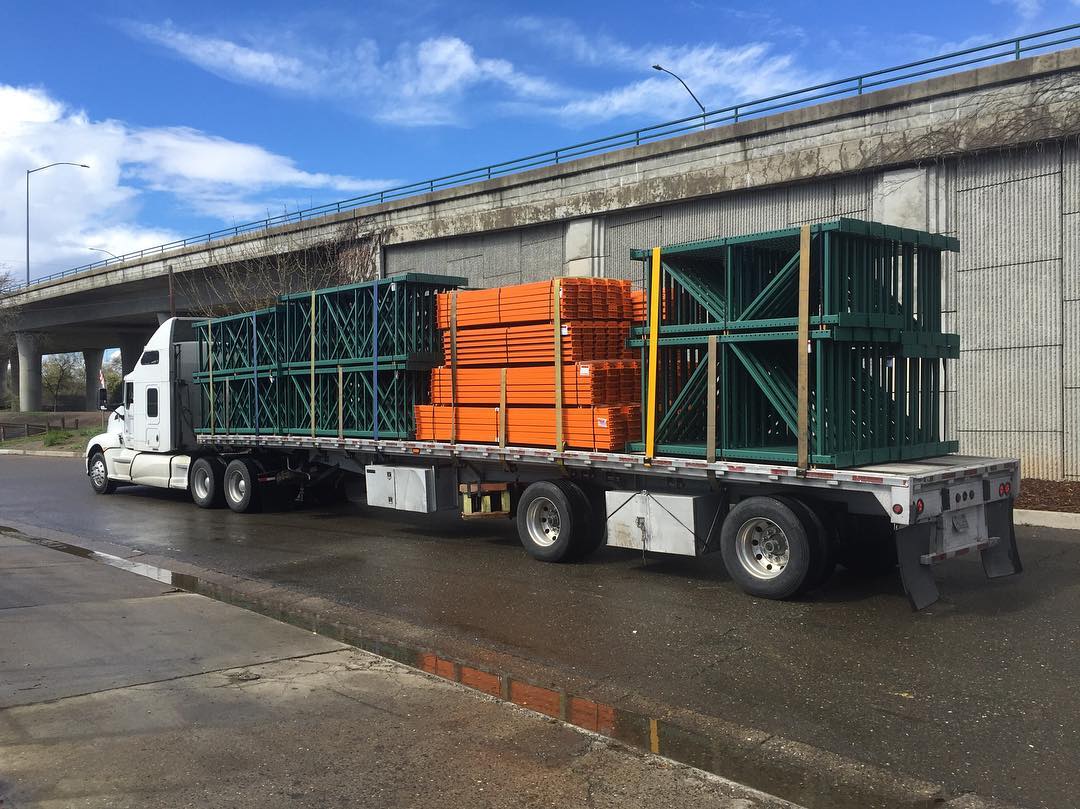
Direct SKU Selectivity & Full Traceability Testing
Structural Metallurgy & Safety Engineering
Engineering Principles of Selective Pallet Racking Architecture
A technical evaluation of structural load distribution, cold-formed section geometry, and beam-to-column connector mechanical mechanics.
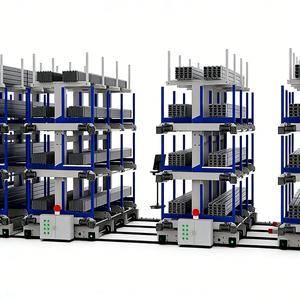
Selective pallet racking represents the foundational backbone of contemporary global supply chain storage. Operating on a 100% immediate accessibility index, selective configurations empower warehouse operators to service every individual stock keeping unit (SKU) without re-handling or staging pallets. However, the engineering complexity behind selecting a top-tier Chinese manufacturing partner lies far beyond surface aesthetics or steel tonnage pricing. High-performance selective systems rely on cold-formed thin-walled structural members governed by stringent international structural design codes, including European standard FEM 10.2.02 / EN 15512, Australian AS 4084-2023, and American ANSI/RMI MH16.1.
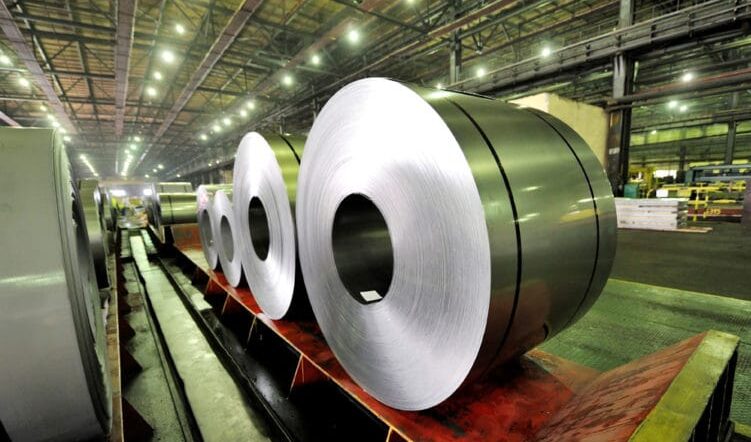
The core structural element is the cold roll-formed upright frame, manufactured from hot-rolled carbon steel coils (predominantly Q235B and high-tensile Q355B). The cold-forming process introduces localized work hardening at the profile bend radii, which significantly boosts yield strength while necessitating precise finite element analysis (FEA) to avert local buckling, torsional-flexural distortion, and web crippling under dynamic loading conditions. Continuous punching lines execute high-precision hole matrices (such as 50mm, 75mm, or 76.2mm pitch) to maintain structural integrity across unbraced frame lengths.
Critical Beam Deflection Metric: The L/200 vs L/250 Standard
Under fully loaded static conditions, international standards stipulate that maximum vertical beam deflection (δ) must not exceed 1/200th of the clear horizontal beam length (L) for normal pallet operations, or L/250 when interfacing with Automated Guided Vehicles (AGVs) or sensitive optical material handling scanners. Our engineering teams mandate certified cold-rolled box beams equipped with 3, 4, or 5-claw high-moment end connectors, secured with spring-steel safety pins rated for shear loads exceeding 10.0 kN to eliminate dislodgement risks caused by improper forklift elevation.
Additionally, structural base plates, seismic base shims, and high-strength floor anchor bolts (M12 to M16 Class 8.8 chemical or wedge mechanical anchors) dissipate seismic horizontal accelerations and forklift wheel impact forces. A structural configuration designed by an audited Chinese rack supplier must factor in both dynamic overturning moments and building concrete slab compressive strength (minimum C20/25 to C30/37) to prevent structural punch-through and foundation anchor failure.
Full Direct SelectivityDirect access to 100% of stored pallet positions without shifting adjacent loads, facilitating high SKU rotation.
Q355B Alloy OptimizationHigh-yield structural grade steel options delivering up to 30% reduction in tare weight while preserving ultimate tensile strength.
Electrostatic Powder Coating60–90 μm uniform dry film thickness (DFT) cured at 180°C–200°C for exceptional resistance to scratches and humidity.
Seismic Structural DampingEngineered bracing profiles (horizontal & diagonal C-sections) calibrated for seismic performance in high PGA zones.
Aisle Dimension FlexibilityConfigurable for Wide Aisle (3.5m–4.0m), Narrow Aisle (2.5m–2.8m), or Very Narrow Aisle (VNA: 1.5m–1.8m) turret systems.
Review exact physical properties, standard dimensions, steel grades, and certified uniform load limits (UDL) manufactured in our facility.
Profile Model
Member Type
Material Spec
Section Size (mm)
Thickness
UDL Max Payload
Compliance Standard
UP-80/20
Upright Post
Q235B Cold Formed
80 × 60 mm
1.8 mm – 2.0 mm
8,500 kg / Frame
FEM 10.2.02
UP-90/20
Upright Post
Q235B / Q355B
90 × 70 mm
2.0 mm – 2.3 mm
12,000 kg / Frame
AS 4084-2023
UP-120/25
Heavy Upright
Q355B High-Yield
120 × 95 mm
2.5 mm – 3.0 mm
24,000 kg / Frame
ANSI MH16.1
BM-80/50
Interlock Box Beam
Q235B Double-C
80 × 50 mm
1.5 mm
1,500 kg / Pair (2700mm)
EN 15512
BM-120/50
Interlock Box Beam
Q235B Double-C
120 × 50 mm
1.5 mm – 1.8 mm
3,000 kg / Pair (2700mm)
EN 15512 / RMI
BM-160/50
Heavy Box Beam
Q355B Certified
160 × 50 mm
1.8 mm – 2.0 mm
4,500 kg / Pair (3300mm)
AS 4084-2023
DK-GI-50
Galvanized Decking
DX51D+Z275 GI
Channel Ribbed
0.8 mm – 1.2 mm
1,200 kg / m² UDL
ISO 1461
Industry Strategic Forecasting
Future Procurement Trends in Warehouse Storage (2025–2030)
How automation, carbon compliance, and smart supply chain integration are redefining the procurement specifications of selective pallet racks worldwide.
1. AGV/AMR Hybrid Tolerances
Standard selective racking traditionally tolerated operational deflections that human forklift drivers naturally compensated for. With the massive rollout of Vision-Guided Automated Guided Vehicles (AGVs) and Autonomous Mobile Robots (AMRs), procurement blueprints now require micro-tolerance fabrication. Upright perpendicularity must stay within 1:1000, beam levelness within ±1.5mm across spans, and high-contrast floor guide integration has become standard specification.
2. Green Steel & Decarbonized Auditing
International enterprise buyers across the US, Europe, and the Middle East are shifting procurement scoring towards Scope 1, 2, and 3 embodied carbon metrics. Leading Chinese racking manufacturers are adopting Electric Arc Furnace (EAF) scrap-recycled green steel coils, zero-wastewater continuous zirconium conversion pre-treatment, and low-temperature thermosetting epoxy coatings that reduce the carbon footprint per manufactured pallet position by up to 28%.
3. Digital Twin & BIM Structural Modeling
Procurement teams no longer accept flat 2D DWG drawings. The modern procurement standard demands full 3D Building Information Modeling (BIM) Level 2 integration (Revit/IFC formats) complete with spatial clash detection against overhead HVAC, fire sprinkler networks, and roof trusses. Advanced Chinese suppliers provide comprehensive FEA stress-strain displacement simulations to validate rack performance prior to factory coil roll-forming.
Turnkey Factory Capabilities
Vertical Integration: Inside Our Production & Roll-Forming Lines
Direct ownership of every manufacturing stage guarantees consistent dimensional tolerances, verified welding integrity, and strict adherence to project delivery schedules.
01
Consultation & FEA Load Calculation
Analysis of slab concrete compression, live load coefficients, seismic PGA values, and warehouse SKU turnover to design the optimal frame layout.
02
Custom CNC Profile Roll-Forming
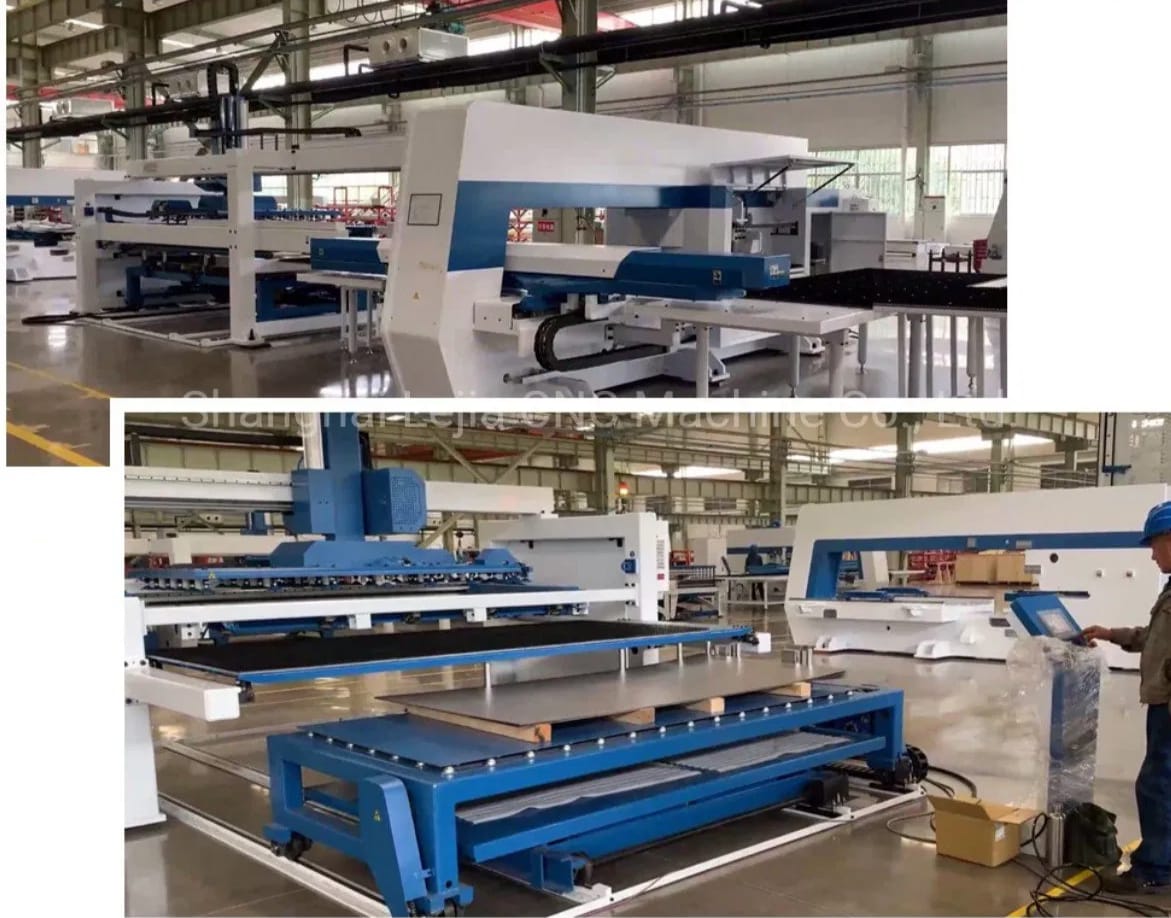
Precision multi-stage progressive cold roll-forming lines shaping high-yield steel coils into upright profiles with continuous uniform wall thickness.
03
Robotic Welding & Powder Coating
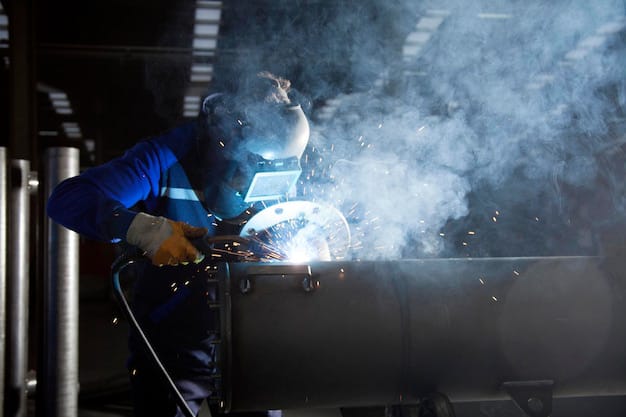
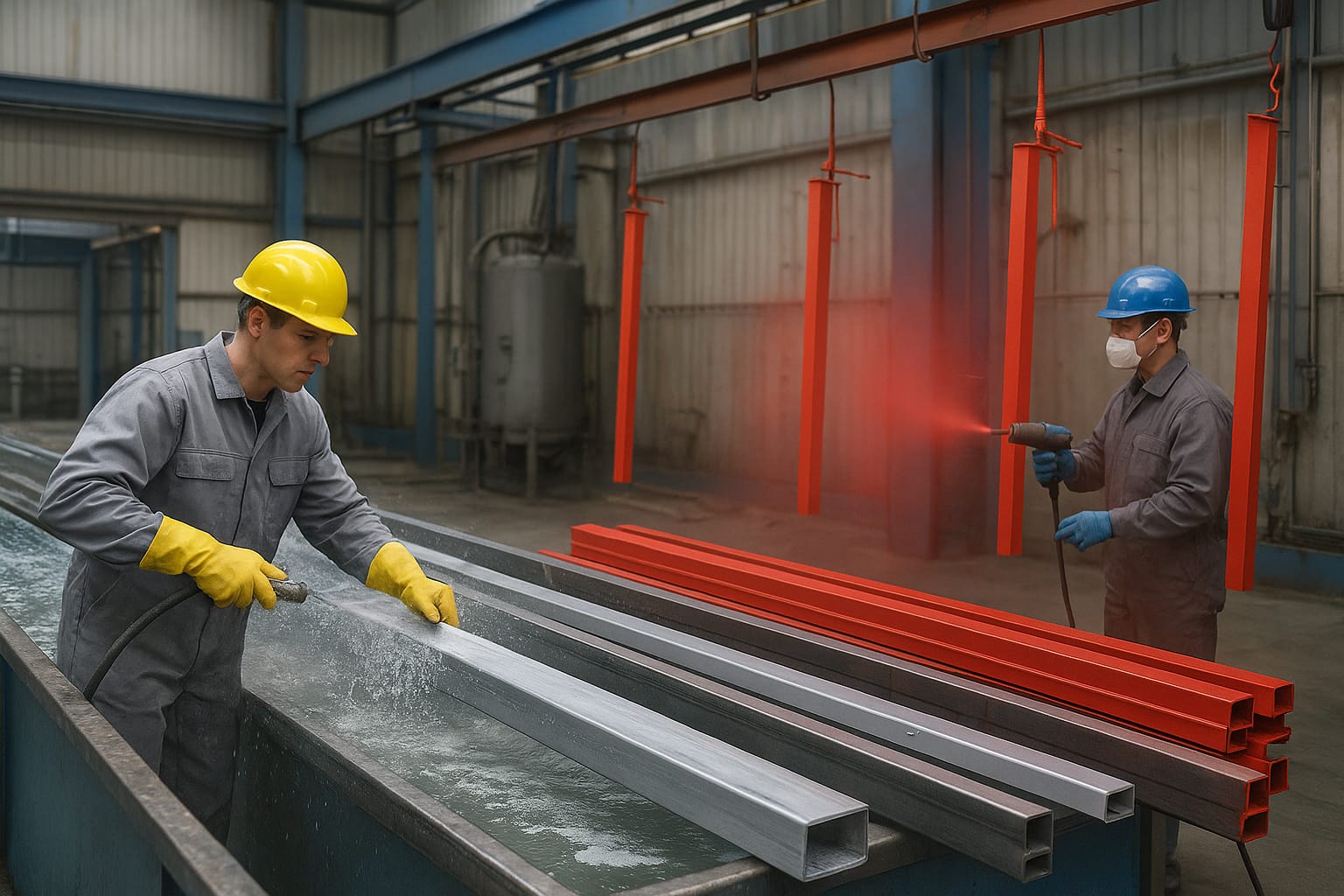
Automated MIG welding of beam connectors followed by multi-stage shot blasting, iron phosphating, and electrostatic powder baking at 200°C.
04
Knocked-Down Export Packaging
Bundled with steel strapping, corner edge protectors, and waterproof vapor-barrier film optimized for sea freight container stuffing and rapid site assembly.
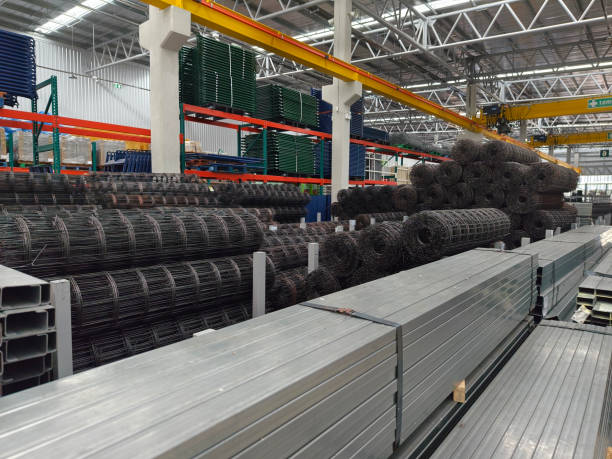
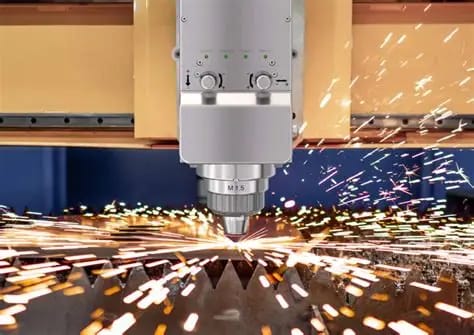
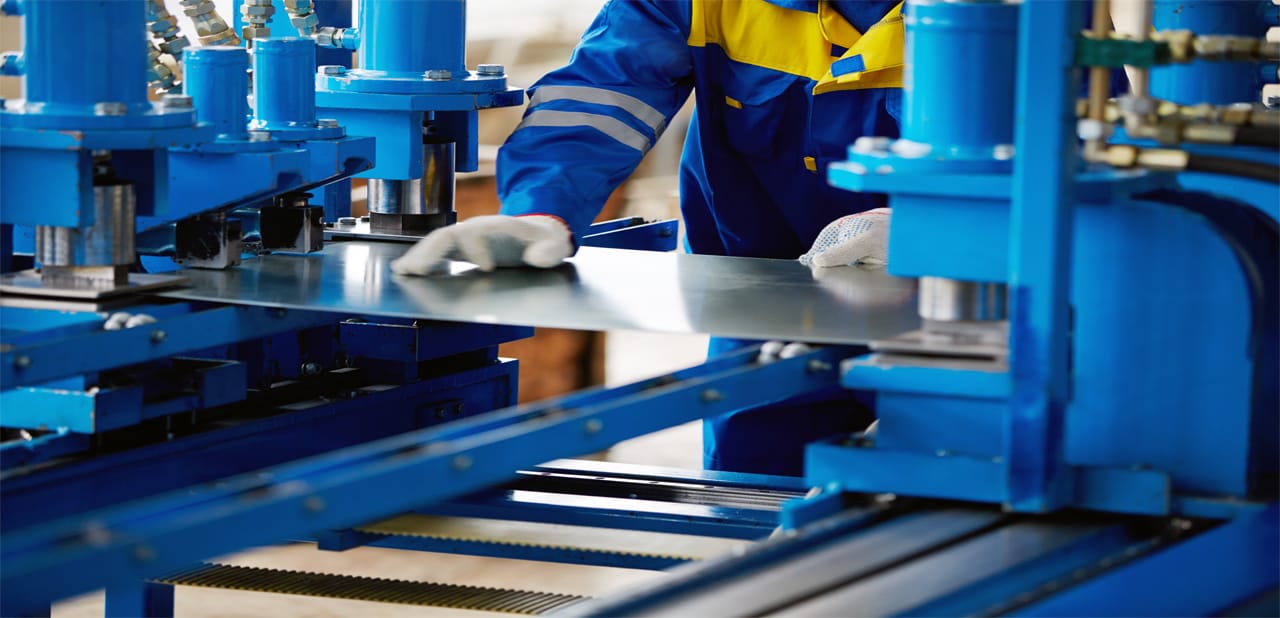
Raw Material IntakeVerified Q235B/Q355B coils with Mill Test Certs (MTC)Precision Steel CuttingHigh-speed cold cut-off saws ensuring millimeter tolerancesHeavy Hydraulic PressingConsistent shaping of 3-claw & 4-claw beam connectorsContinuous Roll FormingMulti-station roll forming lines minimizing residual stressHigh-Speed CNC PunchingRepeatable 50mm/75mm/76.2mm pitch accuracyRobotic MIG/MAG WeldingDeep weld penetration verified via non-destructive testingElectrostatic Powder CoatingDegreasing, phosphating, electrostatic powder cureExport Staging & LogisticsHeavy container packing engineered to protect coatings
Procurement Knowledge Base
Frequently Asked Questions on Selective Pallet Racking Sourcing
In-depth engineering and commercial guidance for industrial warehouse procurement directors, project managers, and logistics general contractors.
How do Chinese steel grades Q235B and Q355B translate to ASTM and European standards?
Q235B features a minimum yield strength of 235 MPa and tensile strength of 370–500 MPa, chemically and mechanically equivalent to ASTM A36 and European EN 10025 S235JR. It serves as the industry workhorse for selective rack uprights and box beams under standard load regimes. Q355B (formerly Q345B) delivers a minimum yield strength of 355 MPa, comparable to ASTM A572 Grade 50 and EN 10025 S355JR. Q355B is selected for high-bay upright frames (exceeding 8 meters), heavy seismic zones, and cold-storage operations where impact resistance at lower temperatures is required.
What safety factors are applied to beam load calculations under international standards?
Under RMI (ANSI MH16.1) and FEM 10.2.02 / EN 15512, beam calculations incorporate both Limit State Design and Allowable Stress Design principles. The standard safety factor against ultimate material tensile failure ranges between 1.50 and 1.65. Crucially, beam capacity is almost universally governed by deflection limits rather than ultimate yield: under maximum Uniformly Distributed Load (UDL), vertical deflection (δ) must not exceed L/200 of clear span (or L/250 for automated operations) to prevent pallet binding and connector fatigue.
How do you prevent post-weld distortion in cold-formed box beams?
Selective pallet rack box beams are manufactured by interlocking two nested C-channel profiles, which are continuously seam-welded either along their longitudinal joints or robotic-welded to the end connectors. Without strict thermal control, weld shrinkage causes longitudinal camber or rotational twisting. Our factory utilizes multi-station pneumatic clamping fixtures, automated pulse MIG/MAG welding with low-heat Argon-CO2 shielding gas mixtures, and synchronized dual-head robotic torches to balance thermal dissipation, maintaining longitudinal straightness tolerances within ±1.0mm per meter.
What surface treatment is best for hot, humid, or high-salinity warehouse environments?
For standard indoor ambient warehouses, a high-durability electrostatic epoxy-polyester thermosetting powder coating (60–90 μm DFT) over an automated iron-phosphate or zirconium conversion coating provides superior protection (exceeding 500 hours neutral salt spray test per ASTM B117). For coastal logistics parks (e.g., UAE, Southeast Asia) or cold storage freezers (-25°C to -30°C) with condensation cycles, we recommend Continuous Hot-Dip Pre-Galvanized steel (GI) with Z275 zinc coating (275 g/m²) or post-fabrication Hot-Dip Galvanizing (HDG per ISO 1461) with 65–85 μm zinc thickness for lifelong rust protection.
What information is required to generate an accurate CAD layout and load proposal?
To generate an optimized structural layout and quotation, we require: (1) Warehouse architectural drawings indicating clear height under roof joists, column grids, fire riser lines, and slab expansion joints; (2) Pallet dimensions (Width × Depth × Height, including cargo overhang) and maximum/average gross weights; (3) Handling equipment specifications, specifically forklift model, turning radius (Aisle width Ast), maximum mast lift height, and residual capacity at full extension; (4) Local seismic acceleration parameters (Ss, S1) and design building code.
How are selective pallet rack components packaged for global containerized sea shipping?
All components are knock-down designed (KD) to maximize container space utilization (typically achieving >92% volume efficiency in 40ft High Cube containers). Upright frames are either shipped disassembled (posts, bracings, and base plates packed flat for maximum freight economy) or fully pre-bolted into modular assemblies. Uprights and beams are bundled with high-tensile PET strapping, heavy-duty wooden dunnage, protective corrugated corner edge protectors, and stretch-wrapped in anti-static moisture-barrier film to prevent maritime transit abrasion.
What installation support and structural engineering certification do you supply for export projects?
We provide a complete engineering handover dossier with every export shipment. This package includes comprehensive 3D assembly shop drawings, numbered part manifests, torque specification tables for base anchors (typically 80–120 Nm depending on anchor diameter), and professional engineer (PE) structural calculation packages covering FEM 10.2.02, EN 15512, or AS 4084 compliance. Furthermore, our seasoned site installation supervisors can deploy globally for on-site crew training or turnkey installation execution.
What are the recommended inspection routines to maintain rack safety after installation?
According to EN 15635 guidelines (Steel static storage systems – Application and maintenance of storage equipment), rack owners must maintain three tiers of inspection: (1) Daily/Weekly visual checks by warehouse staff for sheared locking pins or damaged upright protectors; (2) Monthly reviews by the designated Rack Safety Officer focusing on base plate anchor tightness and aisle clearances; (3) An annual formal audit by an independent certified rack engineer checking frame plumbness (≤ 1:500 out-of-plumb), beam permanent deflection, and updating load warning signage plaques.
Ready to Engineer Your Warehouse Storage Infrastructure?
Connect directly with our senior structural engineers for custom CAD layouts, seismic load calculations, and competitive FOB/CIF quotation breakdowns tailored to your precise operational footprint.