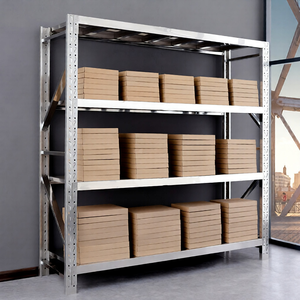
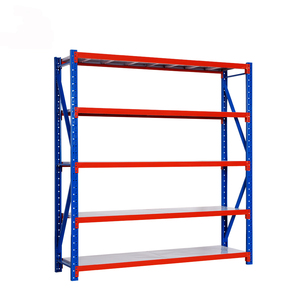
Direct-from-manufacturer selective racking systems, automated high-density configurations, wire mesh decks, and heavy-duty structural accessories.
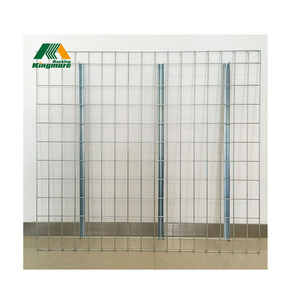
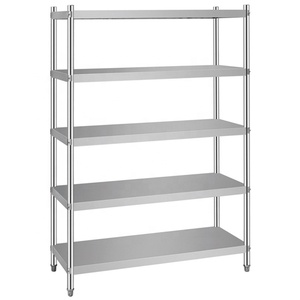
An in-depth technical analysis of cold-roll-formed teardrop geometry, load-path kinematics, connector pin shear limits, and dynamic seismic stability.
Teardrop pallet racking remains the definitive industrial standard throughout North America, the GCC, and modern supply chain corridors worldwide. Defined by its distinctive inverted teardrop punch pattern along the column face, this boltless structural framing system delivers exceptional logistical flexibility, rapid tool-free assembly, and unmatched modular scalability. However, for engineering directors, procurement heads, and structural consultants, evaluating an OEM/ODM teardrop racking manufacturing partner requires a detailed understanding of cold-formed steel mechanics, structural load distribution, and strict compliance with the Rack Manufacturers Institute (RMI) Specification ANSI MH16.1.
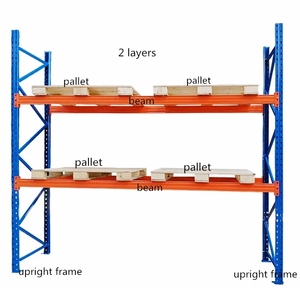
Premium OEM teardrop uprights feature an open C-channel profile enhanced with stiffening return flanges and longitudinal continuous ribs. These geometric roll-formed features shift the shear center closer to the centroid, drastically mitigating torsional-flexural buckling modes under asymmetric warehouse pallet loading. Fabricated using high-strength low-alloy (HSLA) structural steels—predominantly ASTM A1011 SS Grade 50 or certified Q355B/Q235B equivalent grades—the columns achieve minimum yield strengths ranging from 36,000 PSI to 50,000 PSI (250 MPa to 345 MPa).
Precision CNC multi-stage punching machines stamp the teardrop openings at uniform 2-inch centers along the centerline. The upper circular lobe accepts the tapered locking rivet of the beam connector, which then glides under gravitational settling and frictional contact into the tapered lower slot. This creates an automatic mechanical wedging effect: as vertical load increases from heavy pallet placements, the connector wedges tighter into the column face, increasing connection moment resistance and stiffening the overall frame bay.
OEM/ODM teardrop fabrications utilize two predominant horizontal member profiles based on the required load spectrum and decking interfaces:
Manufactured with an integrated 7/8-inch inside step recess designed specifically to seat wire mesh decking, drop-in galvanized shelf panels, or front-to-back pallet support bars flush with the top beam surface. Excellent for general distribution centers where pallet drop-through prevention and carton-picking versatility are simultaneously required.
Engineered with double-thickness seam welds along the neutral axis to provide maximum torsional and lateral torsional resistance. Ideal for extreme heavy-duty applications (loads exceeding 3,500 kg per level) and seismic environments where high localized dynamic moments are exerted on the horizontal stringers during earth tremors or heavy forklift impact.
To comply with OSHA and RMI specifications, every beam end-connector incorporates an automatic snap-in spring-lock or j-bolt safety locking pin capable of withstanding a minimum 1,000 lbs (4.45 kN) vertical upward dislodgement shear force. This prevents catastrophic beam detachment caused by operator error during rapid forklift upward pallet extractions.
The following engineering matrix outlines standard dimensional configurations and static capacity ratings for heavy-duty industrial teardrop pallet racking systems:
| Component Group | Dimensional Profile | Material Thickness | Yield Strength | Design Load / Capacity Limit |
|---|---|---|---|---|
| Upright Column 300 | 3.00" x 1.625" (76.2 x 41.3 mm) | 15 Gauge / 14 Gauge | 50,000 PSI (345 MPa) | 19,500 – 24,000 lbs frame static capacity |
| Upright Column 325 | 3.00" x 3.00" (76.2 x 76.2 mm) | 14 Gauge / 12 Gauge | 50,000 PSI (345 MPa) | 28,500 – 38,000 lbs frame static capacity |
| Heavy Step Beam 40 | 4.00" Face x 1.625" Step | 16 Gauge / 14 Gauge | 46,000 PSI (317 MPa) | 4,200 – 5,500 lbs / pair (96" span, L/180) |
| Heavy Step Beam 55 | 5.50" Face x 1.625" Step | 14 Gauge / 13 Gauge | 46,000 PSI (317 MPa) | 7,800 – 9,600 lbs / pair (108" span, L/180) |
| Continuous Box Beam 60 | 6.00" Face x 2.00" Flange | 12 Gauge Tubular | 50,000 PSI (345 MPa) | 11,000+ lbs / pair (144" span, L/180) |
| Seismic Footplate | 5.00" x 8.00" x 3/8" Baseplate | Structural Steel Plate | 36,000 PSI (250 MPa) | Engineered for dual 3/4" Hilti wedge anchors |
The transition from static mechanical shelving to dynamic, smart-warehouse automation interfaces and ultra-durable nanotechnology coatings.
Modern teardrop architectures are no longer isolated static steel structures. OEM manufacturers now engineer modified teardrop profiles built with tighter roll-forming tolerances (±0.5 mm cumulative deviation) to host automated pallet runners, 2D four-way shuttles, and top-guide crane rails for Automated Storage and Retrieval Systems (AS/RS).
Specialized guide channels and sensor-reflective laser positioning brackets are pre-punched directly on CNC fabrication lines, allowing facilities to upgrade from manual reach-truck operations to autonomous robotic put-away without costly structural replacements.
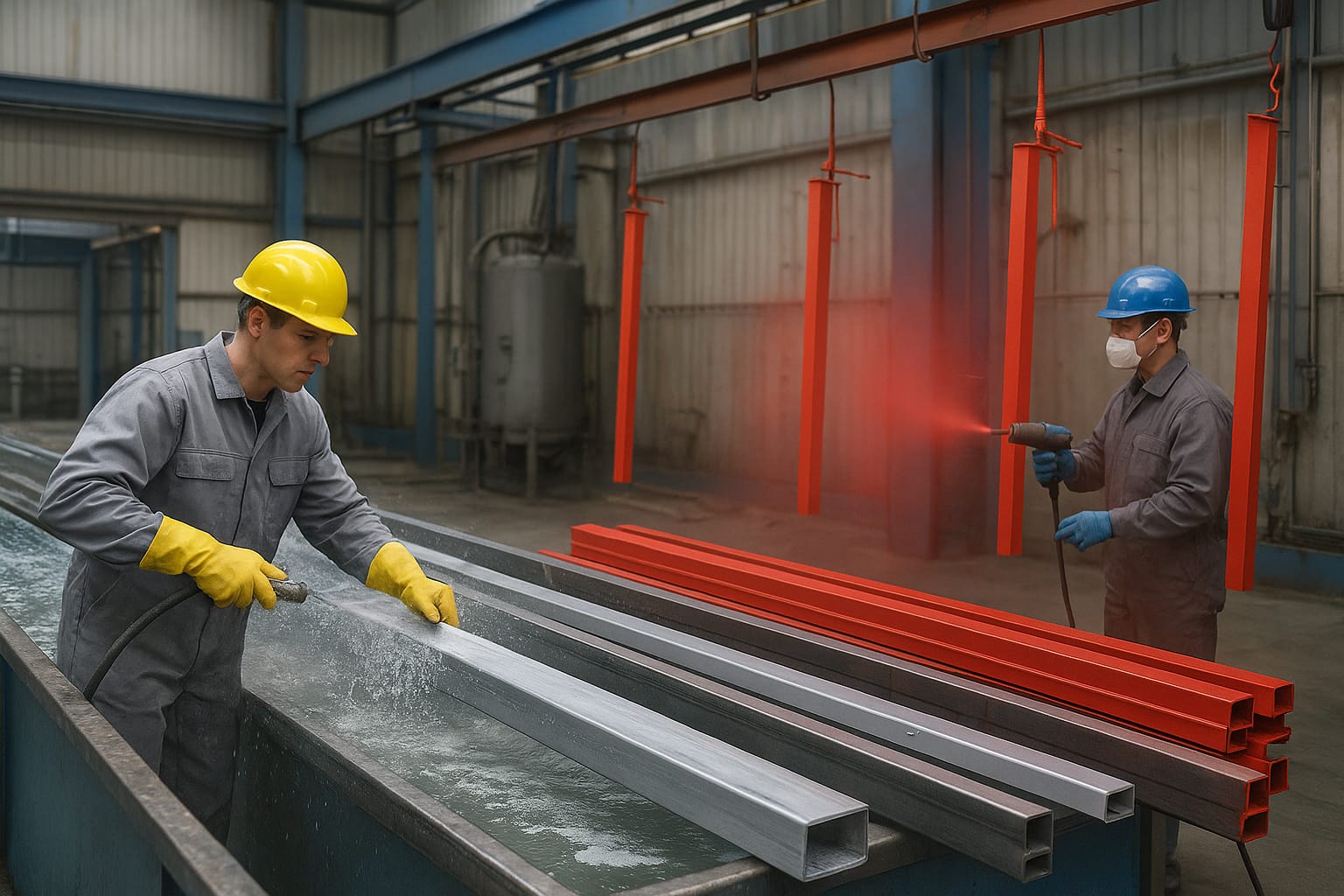
Traditional solvent-based paint dip lines have been superseded by eco-friendly zirconium-based nano-ceramic conversion wash pretreatments followed by thermoset polyester TGIC-free powder coating. This produces an impervious 70–90 micron dry-film layer with exceptional resistance to chemical corrosion, chipping, and abrasion.
For sub-zero cold-chain operations and corrosive coastal humidity, continuous in-line Hot-Dip Galvanizing (HDG compliant with ASTM A123 / ISO 1461) delivers unmatched zinc metallurgical bonding, safeguarding structural steel down to -30°C without micro-fissuring.
Next-generation logistics facilities are pioneering structural health monitoring (SHM). By embedding miniature industrial IoT strain-gauge sensors along critical beam mid-spans and aisle-end columns, warehouse management platforms receive instant alerts if forklift impacts exceed critical shear stress thresholds or if pallet overweight violates the L/180 deflection parameter.
This transforms warehouse maintenance from reactive annual rack safety audits to proactive, algorithmic risk management, drastically reducing rack collapse incidents.
Strategic purchasing roadmaps for enterprise 3PLs, cross-border supply chains, and procurement leaders seeking Total Cost of Ownership (TCO) optimization.
Procuring warehouse storage infrastructure on an international scale has fundamentally changed over the past five years. Industrial buyers can no longer rely purely on local steel job-shops or catalog distributors. Escalating land costs, globalized supply shocks, fluctuating hot-rolled coil (HRC) indexes, and ESG carbon mandates require supply chain heads to construct robust OEM/ODM partnerships directly with original manufacturers.
Experienced procurement executives increasingly analyze storage investments through a 15-year TCO framework. A low upfront bid from non-certified fabricators often hides critical long-term liabilities: steel thickness thinning (under-gauging), compromised weld penetration on beam end-connectors, inadequate powder coat pretreatment causing premature rust, and proprietary non-standard punch patterns that lock the enterprise into sole-source accessory replacements.
Conversely, partnering with an established OEM offering standard North American teardrop compatibility provides universal interchangeability. Facilities can seamlessly integrate existing teardrop beams, wire decks, and safety accessories across facilities, drastically lowering salvage depreciation and future warehouse re-profiling expenditure.
Corporate sustainability mandates are penetrating heavy storage equipment procurement. Tier-1 enterprise tenders now demand verified Environmental Product Declarations (EPDs) tracking the carbon footprint per ton of cold-formed steel. OEM manufacturers leveraging electric arc furnace (EAF) steel with high recycled scrap content (exceeding 70%), integrated solar-powered production facilities, and volatile organic compound (VOC)-free powder coating lines enjoy a distinct procurement advantage among Fortune 500 logistics operations.
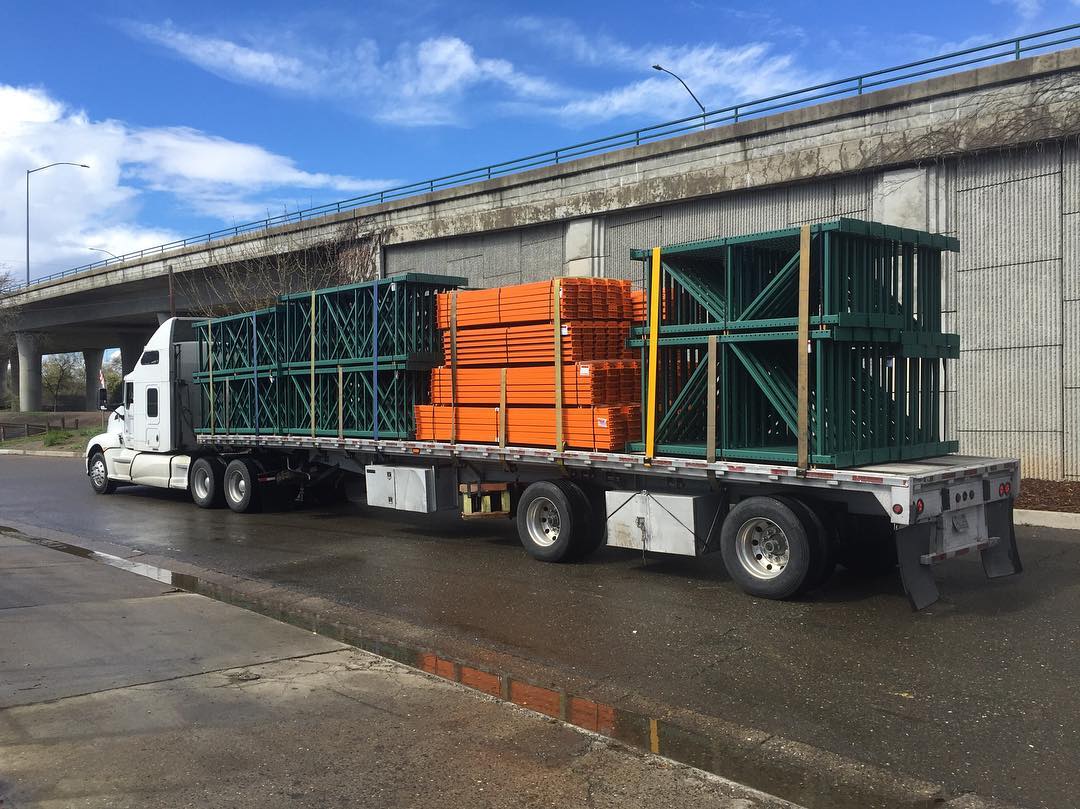
Ocean freight fluctuations require intelligent shipping design. Advanced OEM/ODM suppliers engineer fully demountable, bolted-truss upright frames shipped knocked-down (KD). By nesting upright columns and bundling diagonal/horizontal bracings with specialized steel-banding frames, container volumetric filling efficiency reaches over 92% in 40ft High Cube containers. On-site assembly crews easily bolt the frames together using Grade 8.8 structural hardware, saving up to 40% in international shipping expenses compared to pre-welded rigid upright frames.
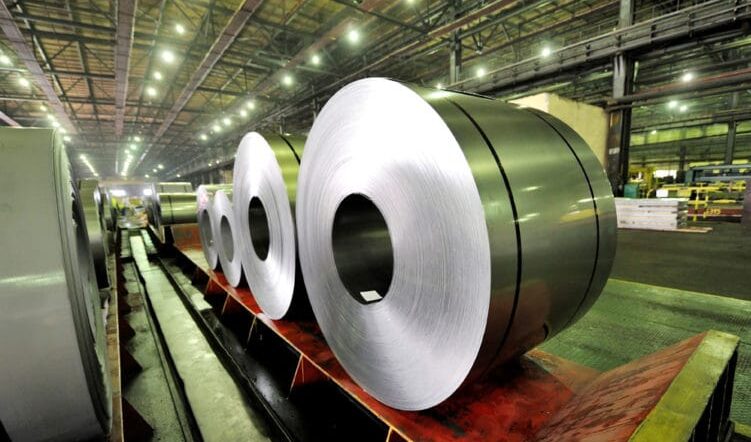
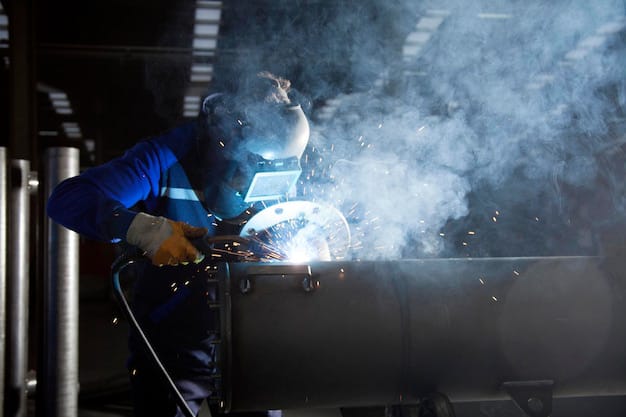
Operating from our modern production facility in Ajman Free Zone, Signature Racking Systems maintains end-to-end control from raw steel intake to final robotic assembly.
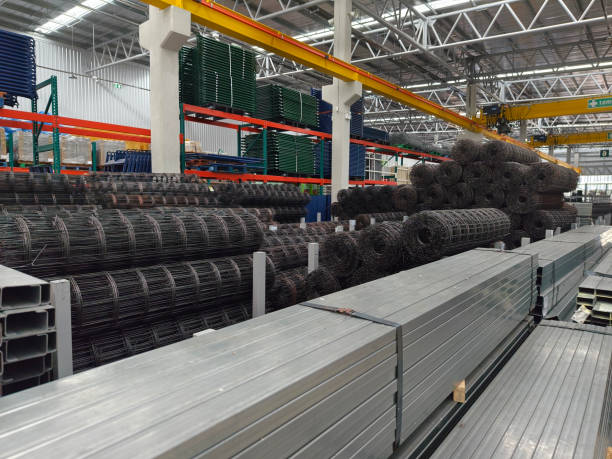
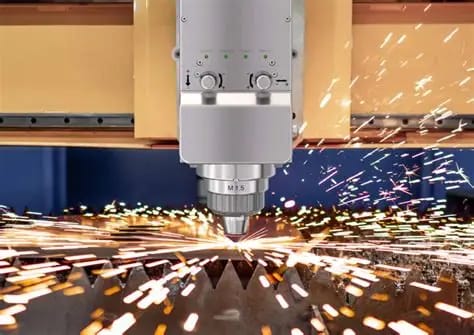
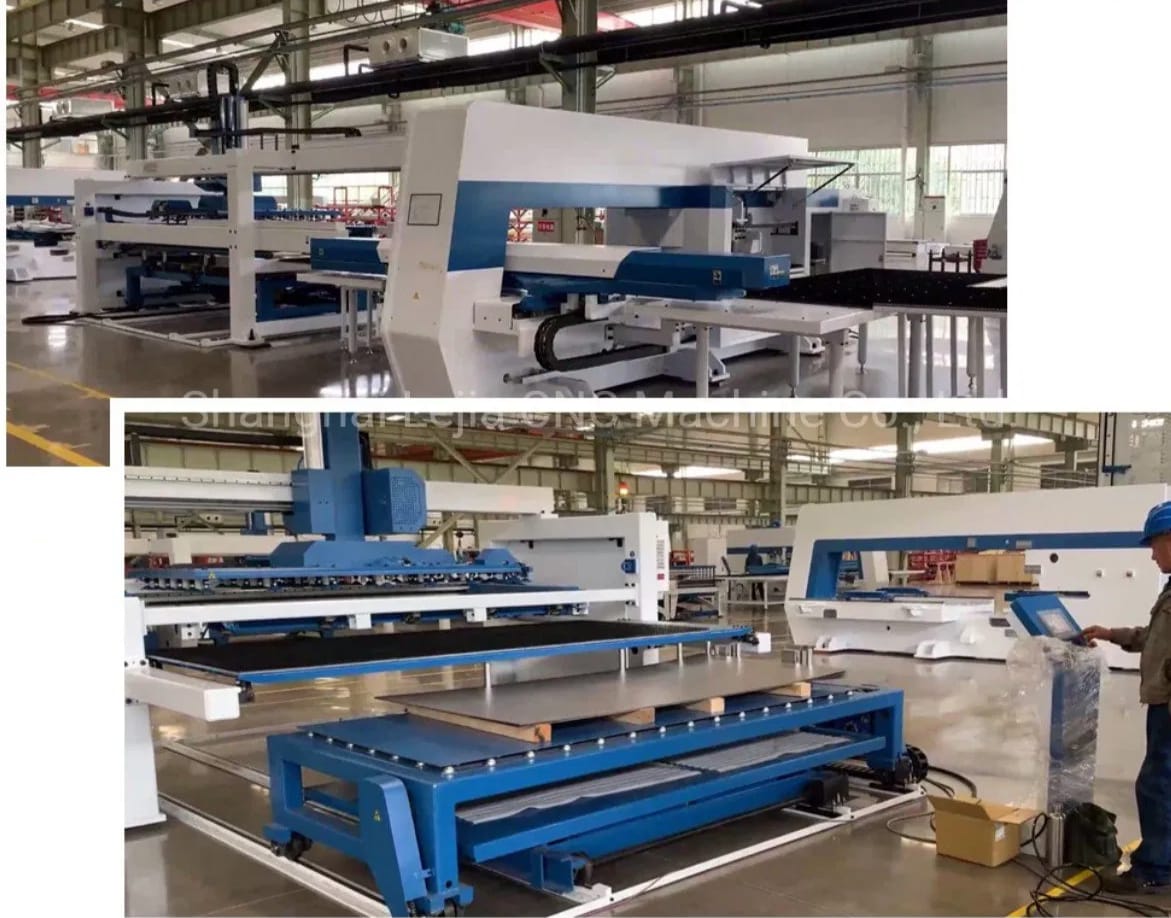
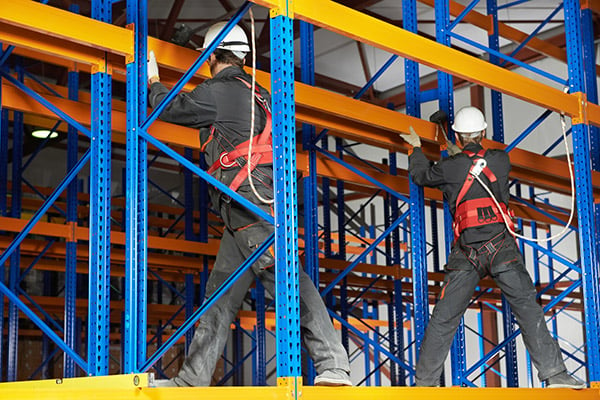
Every warehouse racking layout is engineered from the ground up around your floor slab capacity, building clearance, material handling equipment (MHE) turning radii, and exact pallet weight spectra. Our structural engineering department provides comprehensive static calculations and 2D/3D CAD layouts that adhere strictly to international codes, optimizing throughput while ensuring full life-safety compliance.
From metallurgical spectrometer validation of incoming coil tensile strengths to ultrasonic weld seam testing, dimensional micrometer audits, and dry-film cross-hatch adhesion verification, our factory operates under rigid ISO 9001 protocols. Each completed production batch undergoes physical test loading to verify that beam deflection remains well within the RMI standard limit of length divided by 180 (L/180).
With multi-line roll-forming machines operating under one roof in our Ajman Free Zone facility, we control the entire manufacturing schedule directly without third-party outsourcing dependencies. This enables our enterprise clients to secure reliable project timelines, rapid custom prototype sampling, and scheduled container vessel dispatch for seamless project commissioning worldwide.
Detailed engineering and procurement answers covering teardrop compatibility, seismic anchoring, beam safety calculations, and international shipping.
Yes. Our teardrop uprights and beam connectors are engineered to universal industrial specifications, guaranteeing mechanical interchangeability with standard American teardrop designs. The punched 2-inch adjustability pitch, rivet head diameter, and neck tapers interface seamlessly with major industry brands, enabling cost-effective warehouse expansions and phased component retrofitting without requiring complete rack replacements.
We fabricate exclusively with prime certified structural steel coils. Uprights and heavy-duty load members utilize ASTM A1011 Grade 50 (or certified Q355B equivalent) offering a minimum yield strength of 50,000 PSI (345 MPa). Standard components utilize ASTM A1011 SS Grade 36 / Q235B. Every production order is accompanied by original 3.1 Mill Test Certificates (MTC) documenting chemical composition and mechanical tensile-yield performance.
Under RMI ANSI MH16.1 standards, horizontal pallet rack beams are designed so that maximum vertical deflection under uniformly distributed static load (UDL) does not exceed length divided by 180 (Deflection ≤ L/180). For a standard 96-inch (2,438 mm) beam span, the permissible vertical deflection under full rated load is capped at 0.533 inches (13.5 mm). Safety factors are established at a minimum of 1.65 to 1.9 against yield point failure.
For installations in Seismic Design Categories C through F, our engineering team executes site-specific response spectrum analyses. We incorporate oversized, high-ductility structural baseplates (3/8" or 1/2" thickness) with multi-hole patterns allowing dual-anchor placement in cracked concrete slabs. Additionally, upright column profiles are upgraded with heavier wall gauges and reinforced lower-column internal doubler sleeves to absorb ground acceleration moments.
Welded upright frames feature diagonal and horizontal bracing members factory MIG-welded directly to the column posts. While offering immediate installation, they consume massive cubic space during ocean freight. Knock-Down (KD) frames utilize bolted diagonal and horizontal trusses joined by high-shear Grade 8.8 flange bolts. KD frames significantly reduce ocean shipping costs and allow rapid, cost-effective replacement of individual damaged braces on-site.
To deliver an accurate CAD design and load proposal, our engineering team requires: (1) Facility architectural floor plans indicating clear building heights, column grids, and egress doors; (2) Concrete slab thickness and compressive strength rating; (3) Pallet specifications including overall dimensions, overhangs, and maximum gross pallet weight; (4) Material handling equipment (forklift) type, maximum lift elevation, and required operating aisle clear width.
Connect directly with our senior racking design engineers. We provide static structural load analyses, custom OEM/ODM roll-forming specifications, and competitive direct factory pricing for your warehouse expansion.