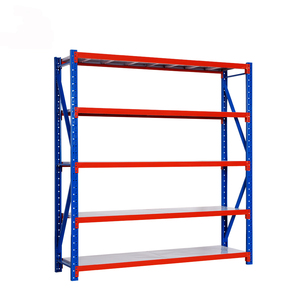
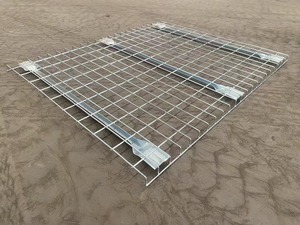
Engineered for high-throughput logistics, heavy raw materials, and strict facility safety. Inspect our specialized warehouse beam systems, safety containment stanchions, wire decking, and high-yield storage racks below.
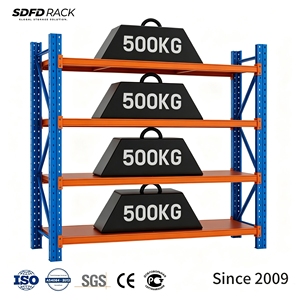
A rigorous examination of dynamic cart nesting kinematics, gravitational force management, structural upright profiling, and LIFO throughput efficiency for high-density modern facilities.
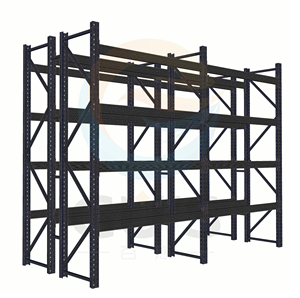
In modern industrial supply chains, footprint economics dictate that facilities maximize storage volume per cubic meter while reducing forklift transit distances. Push back pallet racking represents the pinnacle of high-density dynamic storage engineering. Operating on an inclined rail framework nested with telescoping structural steel carts, push back systems allow pallets to be stored from 2 to 6 pallets deep while providing immediate picking-face access along a single operational aisle.
Unlike drive-in systems that require material handling equipment (MHE) to enter the internal storage bays, push back racks keep forklifts safely in the main access aisle. The loading process utilizes the forklift's pushing force to thrust earlier deposited pallets uphill against gravity. During unloading, gravitational acceleration propels trailing carts smoothly toward the picking face, precisely governed by inclination gradients (typically calibrated between 1.5% and 2.5%) and heavy-duty mechanical dampening systems.
Critical Engineering Takeaway: By eliminating forklift drive-in travel, push back racking reduces rack upright collision rates by over 73% and slashes pallet loading/retrieval cycles by up to 40% compared to traditional Drive-In or Drive-Through configurations, without compromising operational density.
The system relies on cold-rolled high-tensile carbon steel (typically certified Q235B or Q355B grade) configured into precision upright omega profiles. Heavy-duty nesting trolleys feature encapsulated flanged steel wheels machined with low-friction sealed bearings. These bearings are rated for broad thermal spectrums ranging from deep-freeze cold stores (-30°C) to high-humidity distribution hubs (+50°C), preventing grease crystallization or rolling stiction.
| System Architecture | Volumetric Density | SKU Selectivity | Forklift Cycle Time | MHE Impact Risk | CapEx / Pallet Pos. |
|---|---|---|---|---|---|
| Push Back Racking (2–6 Deep) | High (75% – 85%) | Lane Selectivity (LIFO) | Fast (Aisle-Only MHE) | Very Low | Moderate ($$) |
| Selective Pallet Racking | Low (45% – 55%) | 100% Immediate Direct Access | Moderate (Deep Travel) | Low | Economical ($) |
| Drive-In Racking | Extremely High (80% – 90%) | Very Low (Bay-locked LIFO) | Slow (Internal Driving) | High to Severe | Moderate ($$) |
| Pallet Flow (Gravity Roller) | Extremely High (85% – 92%) | Lane Selectivity (FIFO) | Fast (Dual-Aisle Separation) | Very Low | High ($$$) |
| Automated Radio Shuttle | Maximum (88% – 95%) | Programmable FIFO / LIFO | Ultra-Fast (Robotic Carriage) | Minimal | Premium ($$$$) |
Leveraging 20+ years of heavy structural fabrication, end-to-end roll-forming lines, load-tested steel certification, and global export packaging tailored for zero-defect sea freight delivery.
Every structural upright, box beam, rolling carriage, and inclined guide rail is formed inside our specialized factory lines. By controlling slitting, hydraulic cold profiling, automated continuous punching, and multi-axis welding, we eliminate subcontractor variances and guarantee millimeter-precise tolerances.
We do not sell static catalog parts; our seasoned structural engineers provide end-to-end consulting. We ingest your facility architectural drawings, slab load-bearing capacities, MHE turning radii, and exact pallet weights to calculate finite element analysis (FEA) compliant with FEM 10.2.02, RMI, and EN 15512 safety codes.
We source certified prime cold-rolled steel coils verified with mill test certificates (MTC). Uprights undergo destructive tensile tests and mechanical cart rollover endurance cycles simulating over 100,000 continuous pallet strikes to certify zero cart binding or rail warping under maximum rated deadweights.
Racks leave our loading docks in knock-down (CKD) configurations with steel-banding reinforcement, multi-layer bubble wrap, and fumigated corner shields. Each sea container is 3D-modeled to maximize space utilization while safeguarding beam connectors and pre-assembled telescoping cart frames from salt air and transport friction.
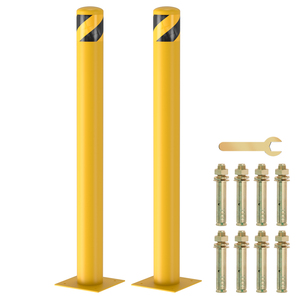
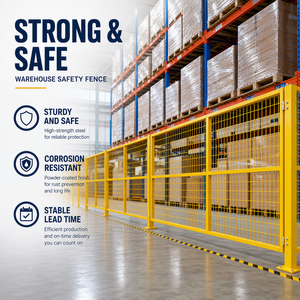
Beyond main structural push back racks, our manufacturing portfolio integrates custom heavy-duty traffic safety bollards, column protector jackets, rack-supported end-of-aisle safety barriers, and wire mesh security partitions, delivering an integrated warehouse ecosystem that passes rigorous international occupational audits.
We provide bilingual engineering schematics, step-by-step 3D exploded assembly diagrams, and dispatched technical supervisor support for on-site commissioning across the Americas, Europe, the Middle East, and Southeast Asia. Every installation is protected with multi-year structural warranties and certified replacement availability.
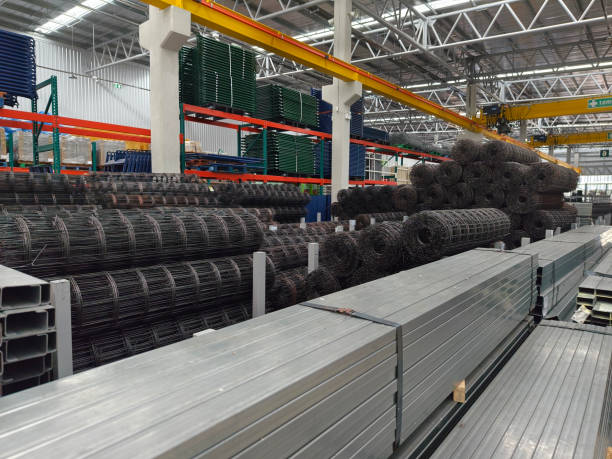
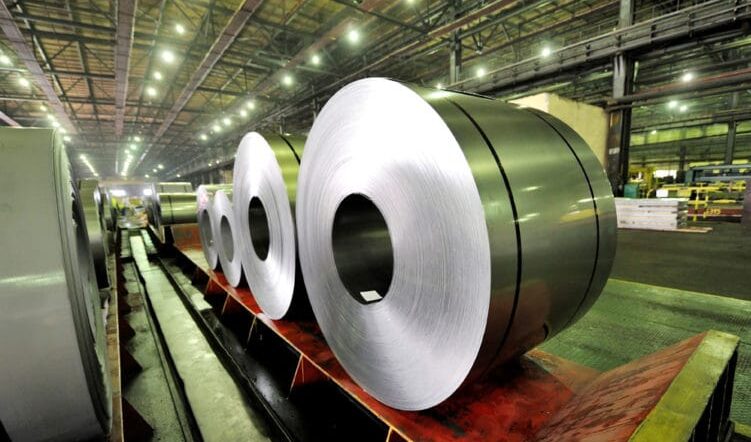
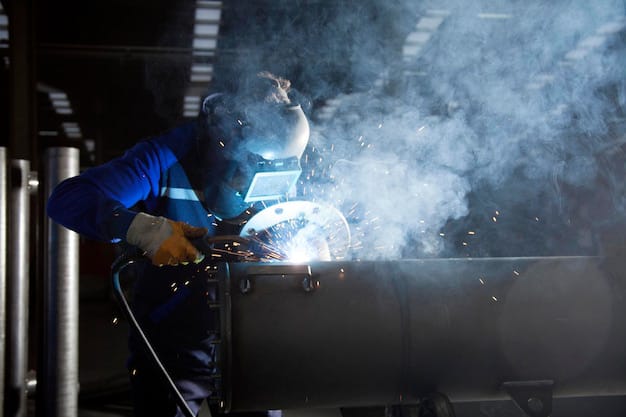
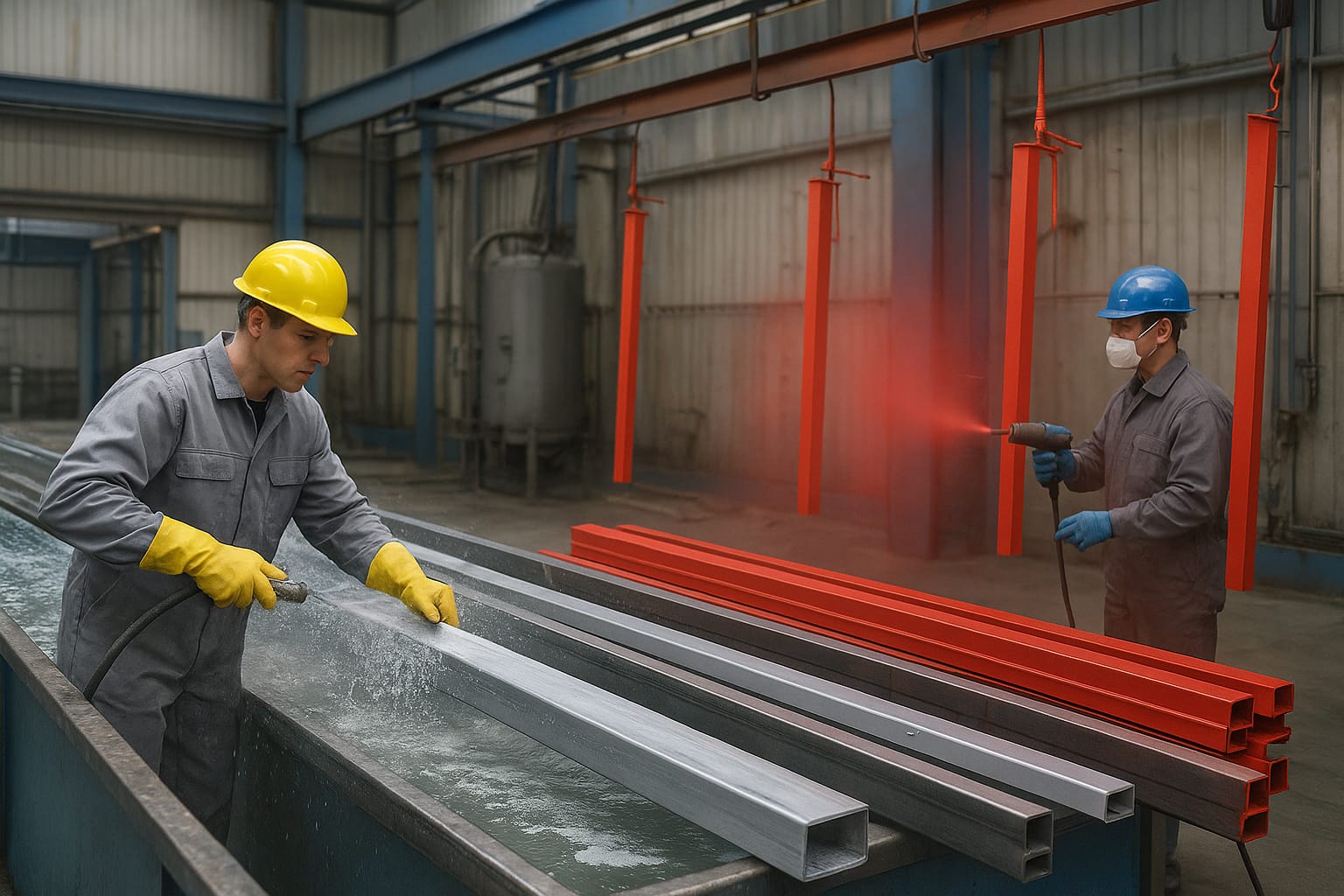
Global economic pressures, nearshoring dynamics, cold chain expansion, and automated guided vehicles (AGVs) are fundamentally reshaping warehouse rack acquisition strategies.
Procurement directors are turning away from low-bid lightweight racks that buckle under real warehouse impacts. Sourcing criteria are prioritizing lifecycle TCO: calculated by factoring in steel gauge integrity, replaceable cart bearings, beam deflections below 1/200th of clear span, and guaranteed parts interchangeability across 15+ years.
With refrigerated and blast-freezer square-footage costing upwards of 3.5 times more to operate than ambient warehouses, push back racks have become the premier procurement solution for -20°C to -30°C food, pharmaceutical, and biologics facilities seeking extreme cubic fill without relying on complex electronics prone to freezing.
Next-generation push back systems are being engineered with precise cart-front positioning tolerances and optical reflector targets to facilitate smooth pallet push-and-pick actions executed by vision-guided robotic reach trucks and automated high-mast AGVs, bridging mechanical simplicity with dark-warehouse automation.
Logistics developers are bypassing middle-tier distributors to source push back systems directly from certified Chinese mega-manufacturers. Direct factory engineering partnerships afford deep layout customization, direct mill traceability, transparent weld x-ray certifications, and 30–45% capital expenditure savings on large-scale logistics developments.
Continuous mechanical R&D is revolutionizing dynamic cart systems. From low-profile nesting geometries to smart telemetry, explore the cutting-edge innovations redefining warehouse operations.
The historical limitation of push back racking was vertical height loss: early generations stacked multiple heavy cart frames, consuming 150mm to 200mm of vertical beam clearance per level. Contemporary Chinese manufacturers have pioneered low-profile nested carriage architectures. By engineering stamped high-strength steel chassis that inter-nest within a shared vertical horizontal plane, contemporary 5-deep and 6-deep systems preserve critical vertical clearance, allowing warehouses to add an additional vertical storage tier within the same building envelope.
Simultaneously, mechanical braking and speed governors have advanced. In deep configurations (4-deep to 6-deep), uncontrolled pallet release can create dangerous momentum hazards. Our research-driven design implements magnetic eddy-current deceleration and mechanical friction escapements integrated into the guide rails. These systems automatically regulate cart return velocity to a controlled 0.2 to 0.3 meters per second, irrespective of whether the pallet weighs 300 kg or 1,500 kg.
Employing hermetically sealed, hardened chrome-steel flanged wheels with low-viscosity synthetic fluoropolymer lubricants. These assemblies eliminate cart "binding" caused by warehouse dust, chemical vapor exposure, or sub-zero temperature condensation, ensuring smooth glides under intense 24/7 operational cycles.
Engineered for earthquake-active logistics regions (PGA > 0.4g). Upright bases integrate oversized ductile anchor shoes with chemical epoxy fixings and flexible cart catch retainers that prevent carts from jumping their tracks during ground acceleration shocks, adhering strictly to AS4084 and RMI guidelines.
Modern push back trolleys incorporate multi-profile decking surfaces capable of handling standard Euro-pallets (800x1200mm), ISO standard industrial pallets (1000x1200mm), North American GMA pallets (40x48 inch), and specialized cylindrical cradles for heavy carpet rolls or cable spools without requiring re-racking adjustments.
Direct, technically authoritative answers to the most common structural, operational, and commercial questions raised by international racking buyers and EPC supply chain executives.
Push back rack systems are manufactured in 2, 3, 4, 5, and 6-deep pallet configurations. While 2 to 4-deep systems represent over 75% of global installations due to standard forklift pushing force parameters, 5 and 6-deep configurations are routinely deployed in high-density cold storage. Depths beyond 6 pallets are rarely engineered because the mechanical pushing force required from standard reach trucks becomes excessive, at which point Automated Radio Shuttle or Pallet Flow systems are recommended.
Push back racks drastically reduce forklift damage. In a drive-in system, forklift drivers must enter narrow rack tunnels, frequently colliding with structural uprights, base footings, and load beams. In contrast, push back systems keep forklifts positioned entirely within the main access aisle. Uprights can be fitted with heavy steel bollards and deflector guards, virtually eliminating structural collision risks and cutting annual maintenance costs by up to 80%.
Because push back racking concentrates substantial pallet deadweights into concentrated vertical upright lines, the concrete slab should generally have a minimum thickness of 180mm to 250mm, with a compressive strength of at least 25 to 30 MPa (C25/C30). Slabs must be constructed to DIN 18202 or ASTM E1155 flatness tolerances to ensure proper vertical plumbness and maintain the precise cart inclination angle (1.5° to 2.5°) essential for gravity-assisted cart return.
Yes. Push back systems are one of the most reliable options for cold storage because they are entirely mechanical and do not rely on electronics, batteries, or sensors that degrade in sub-zero environments. For freezer installations, our factories use cold-temperature structural steel, specialized low-temperature synthetic grease in all flanged wheel bearings to prevent freezing, and multi-layer electrostatic powder coating or hot-dip galvanization to stop moisture condensation corrosion.
To receive a validated CAD layout and load-calculated proposal, buyers should provide: (1) Facility DWG/CAD floor plan detailing column grids, building clear height, and floor slab specifications; (2) Pallet dimensions (width, depth, overall height including cargo overhang); (3) Maximum and average gross pallet weights; (4) Pallet bottom construction (2-way, 4-way, or perimeter base); (5) Handling equipment model, mast collapsed/lift height, and aisle turning radius; and (6) Ambient temperature conditions.
Standard factory manufacturing cycles range from 20 to 35 business days depending on total project tonnage and whether custom tooling or hot-dip galvanization is required. Components are packed in knock-down (CKD) bundles, protected with moisture-barrier wrapping and steel banding, and loaded into 40ft High Cube (40HQ) containers. We ship CIF, FOB, or DDP to all major global sea ports, complete with container load plans, commercial invoices, packing lists, and certified mill test certificates.
Our carts are engineered with interlocking safety flanges and captive retaining lugs that physically capture the inclined guide rail. Even if an MHE operator impacts a pallet abruptly, the cart cannot dislodge or twist sideways. Low-profile wheels ride on machined precision channels with anti-pinch guards, and heavy-duty front rubber bumpers absorb kinetic impact, preventing carts from jamming or binding under full load.
Our design, roll-forming, and welding procedures comply rigorously with international structural storage standards, including the European Standard EN 15512 (Steel Static Storage Systems), FEM 10.2.02, the US Rack Manufacturers Institute (RMI MH16.1) specification, and the Australian AS 4084-2012 code. Full third-party structural engineer stamps, FEA finite element analysis reports, and welding certificates are available upon project contract signing.