
Certified heavy-duty storage racks, vertical storage machinery, and industrial handling modules engineered for high durability in dynamic African operating environments.
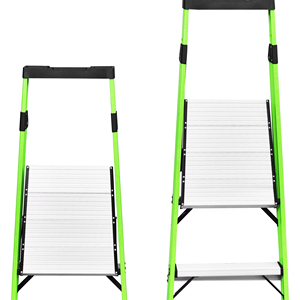
Non-conductive, weatherproof fiberglass reinforced plastic ladder designed for high-voltage chemical plants and fuel storage yards.
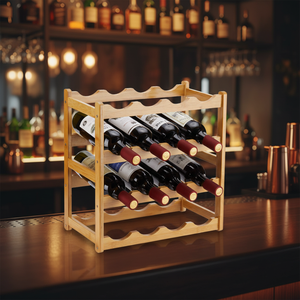
High-precision modular bottle and liquid merchandise dispenser unit with moisture-resistant bamboo finish.
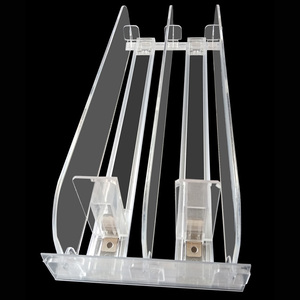
Continuous gravity-feed pusher systems ensuring front-facing presentation for packaged lubricants, oils, and retail containers.
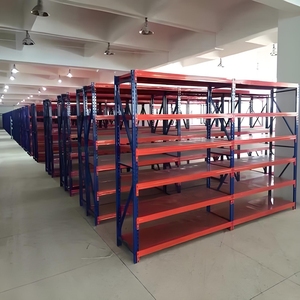
Heavy-gauge cold-rolled steel racking designed to hold secondary containment pans and vertical drum arrangements with zero deflection.
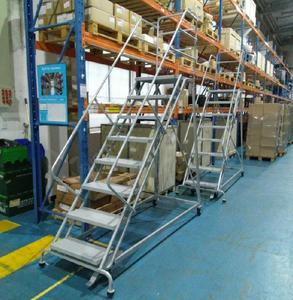
Locking castor rolling stairs engineered for upper-tier drum valve inspection, liquid sampling, and maintenance tasks.
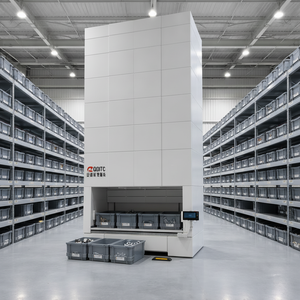
Smart enclosed vertical buffer module providing climate-controlled and secure storage for high-value chemical and reagent drums.
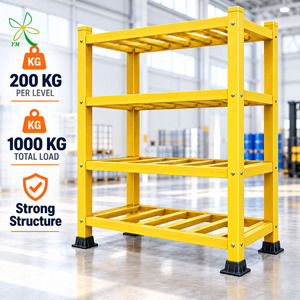
100% spark-proof and acid-alkali resistant shelving system ideal for battery banks, solvent drums, and sensitive electrical enclosures.
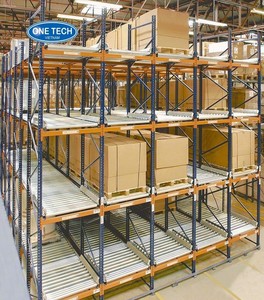
Heavy-duty roller tracks enabling first-in, first-out (FIFO) logistics flow for small barrel drums, carboys, and fast-moving containers.
Ethiopia is undergoing the most rapid industrial transformation across East Africa. Guided by the Federal Government’s 10-Year Development Plan and heavy state investments managed by the Industrial Parks Development Corporation (IPDC), the nation has transitioned into a premier manufacturing powerhouse. From the textile and garment clusters in Hawassa and Bole Lemi, to the pharmaceutical mega-hubs in Kilinto, and agro-processing clusters along the Adama-Mojo corridor, manufacturing output is expanding exponentially.
However, industrial expansion brings rigorous fluid management challenges. Hundreds of factories handle thousands of 55-gallon (200-208 liter) steel and high-density polyethylene (HDPE) drums containing critical fluids: base lube oils, transformer oils, hazardous solvents, synthetic textile dyestuffs, agricultural chemicals, and food-grade edible oils. In the past, primitive floor-level ground stacking led to irreversible concrete slab contamination, catastrophic fire vulnerability, and severe punctured drum spillages.
Critical Engineering Notice: Standard pallet racking systems are structurally unsuited for cylindrical fluid storage without engineering retrofits. Liquid loads in 55-gallon drums exert concentrated dynamic point loads and hydraulic wave forces during forklift handling. Facilities in Ethiopia must comply with environmental spill containment mandates (such as EPA 40 CFR 264.175 and international safety standards) requiring integrated catch basins, drum cradles, and seismic anchoring designed specifically for the East African Rift System.
Ethiopia is landlocked, relying on the Port of Djibouti as its primary maritime gateway. Heavy equipment is railed via the Ethio-Djibouti Railway to the Modjo Dry Port or trucked across 900+ kilometers of varied terrain. This logistical corridor exposes equipment to substantial mechanical shocks, severe vibration, and extreme temperature fluctuations—from coastal humidity in Djibouti to the high-altitude plateau of Addis Ababa (2,355 meters above sea level).
Consequently, drum storage systems imported into Ethiopia must feature robust structural yield strength (minimum ASTM A36 or S235JR equivalent high-grade steel), high-durability electrostatic powder coating capable of resisting chemical vapours, and knocked-down modular engineering to optimize 40-foot high-cube sea container cube utilization.
An authoritative evaluation of leading global structural manufacturers possessing verifiable export throughput, international engineering certification, and active logistics channels into the Ethiopian market.
Comparative parameter guide for warehouse engineers assessing structural capacities for 200L/55-gallon oil and chemical drums.
| Storage Architecture | Typical Configuration | Bay Capacity (UDL) | Spill Containment Strategy | Best Ethiopian Industry Fit |
|---|---|---|---|---|
| Horizontal Drum Racks | 2 to 3 drums per level on chocks; up to 4 tiers | 2,500 – 4,000 kg | Integrated bottom Galvanized Sump Basin (110% drum capacity) | Machinery maintenance, lubricants, active chemical decanting stations |
| Vertical Palletized Drum Racks | 4 drums strapped per 1200x1200mm heavy skid | 3,000 – 4,500 kg | Modular Polyethylene or Heavy Steel Spill Pallets | Kilinto Pharmaceutical zone, edible oil refining, base chemical storage |
| Drive-In Drum Racking | High-density lane storage for identical fluid batches | Up to 10,000 kg/lane | Aisle-level epoxy floor bunding and drainage interceptors | Beverage syrup concentrates, bulk molasses, edible palm oil reserve |
| Gravity Drum Flow Racks | Heavy steel rollers on 3° incline with friction brakes | 1,200 kg per lane | Drainage channels under roller tracks | Textile dyeing auxiliaries, time-sensitive catalyst staging (FIFO) |
| Cantilever Drum Arm Racks | Radial cradle arms holding horizontal barrels | 1,500 kg per arm pair | Trough catchment basins along central column line | Mining lubricants, remote infrastructure utility yards |
How specialized fluid storage racks are deployed across distinct industrial clusters throughout Ethiopia to maintain environmental compliance and operational throughput.

Active pharmaceutical ingredient (API) manufacturers utilize high-grade powder-coated vertical drum racks fitted with stainless steel drip pans to store sterile solvents, USP-grade ethanol, and pharmaceutical excipients under strict cGMP protocols.

High-volume fabric mills and wet-processing dye houses store bleaching agents, caustic soda drums, and pigment bases. Heavy acid-resistant epoxy powder coating stops rust caused by continuous ambient vapor emissions.

Central consolidation depots for imported lubricants, hydraulic fluids, and synthetic greases. Racks are reinforced with seismic baseplates and column corner guards to withstand frequent, fast-paced forklift movement.
Severe-duty horizontal storage for gear oil drums and industrial solvents used in high-tonnage cement mills (e.g., Mugher, Dangote, National Cement) with integrated drum taps, manual decanting stations, and earth grounding wires.
Based in the Ajman Free Zone, UAE, Signature Racking Systems combines world-class industrial fabrication with unprecedented shipping advantages for the Horn of Africa.
No subcontracted third parties. We directly control cold-roll forming, high-tonnage precision stamping, automated punching lines, and structural gas metal arc welding (GMAW). Every beam and upright meets exact design tolerances.
While European and Far East shipments endure 30 to 50 days of shipping time and steep ocean surcharges, our vessels sail from Jebel Ali / Sharjah straight to the Port of Djibouti within days, minimizing project delays.
We do not sell rigid catalog sizes. Our certified structural engineers draft complete 2D and 3D CAD layout schemes around your clear building eaves, forklift mast heights, specific drum diameters, and calculated floor slab load ratings.
Equipped with a specialized industrial 5-stage chemical pre-treatment wash and high-bake electrostatic polyester powder finish. Racks resist prolonged exposure to aggressive industrial chemical vapours and altitude-induced condensation.
Engineered for maximum container space efficiency. Uprights, step beams, cross-ties, and drum cradles are bundled with high-density protective edge guards and steel banding, preventing maritime chafing and transit damage.
We supply precise assembly diagrams, color-coded components, torque charts, and certified load capacity warning placards. Where needed, our supervisors deploy directly on-site to direct your local installation crew.
Answers to common queries regarding foreign currency allocations, customs clearance at Modjo Dry Port, Ethiopian Standards, and installation.
Industrial storage racking falls under heavy capital equipment classifications (HS Code 7308.90). Ethiopian commercial banks prioritize LC allocation for manufacturing, export-oriented textile facilities, and pharmaceutical plants located within IPDC zones. Signature Racking Systems provides full documentation—including detailed Proforma Invoices, CAD technical data sheets, and Certificate of Origin (COO) from the UAE Chamber of Commerce—required by the National Bank of Ethiopia (NBE) and private banks to issue swift LCs or process Franco Valuta approvals.
Shipments depart from Jebel Ali Port (Dubai) or Khalid Port (Sharjah) directly to the Port of Djibouti via the Red Sea corridor, with sea transit taking only 5 to 7 days. From Djibouti, containers are transported by the Ethiopian Shipping and Logistics Services Enterprise (ESLSE) via the Ethio-Djibouti Railway or highway trucks directly to Modjo Dry Port, Comet Dry Port, or Kality Customs Terminal in Addis Ababa. Total door-to-terminal turnaround typically ranges from 18 to 25 days.
Yes. The Ethiopian Environmental Protection Authority (EPA) and industrial park zone management enforce strict environmental regulations preventing hazardous chemicals and oil residues from contaminating local water tables and factory wastewater treatment plants (such as the Zero Liquid Discharge systems at Hawassa Industrial Park). Racks designed for flammable, toxic, or hazardous fluids must include integrated galvanized steel spill catch basins or heavy-duty polyethylene sumps capable of holding at least 110% of the single largest drum's volume.
Cities such as Adama, Hawassa, Dire Dawa, and portions of Oromia lie within or adjacent to the active Main Ethiopian Rift (MER) fault system, categorized as higher seismic acceleration zones. Storing heavy cylindrical fluids requires dynamic load engineering to avoid harmonic wobble and catastrophic beam dislodgement during earth tremors. We engineer heavy-duty footplates anchored with M12–M16 seismic expansion anchor bolts and rigid safety locking pins with heavy bracing geometry.
Absolutely. Signature Racking Systems fabricates specialized horizontal barrel racks featuring a deliberate forward pitch (1-2 degrees), drum cradle saddles, lower roll chocks, and front spigot clearances. This allows operational personnel to tap fluids easily into safety cans while catching residual drips directly in the lower grating sump basin.
Our engineering team requires five core parameters: (1) Factory warehouse architectural layout with clear height under roof trusses, (2) Drum specifications (steel vs. plastic, 200L/208L, filled weight, total volume), (3) Operational orientation (vertical on pallets vs. horizontal on chocks), (4) Forklift model, turning radius, and maximum reach height, and (5) Environmental conditions (ambient humidity, chemical corrosiveness, and floor slab thickness).
Collaborate directly with our senior structural racking engineers. Receive custom CAD layouts, certified load calculations, and competitive FOB/CIF Djibouti Port price estimates within 24 hours.