Picking Logistics
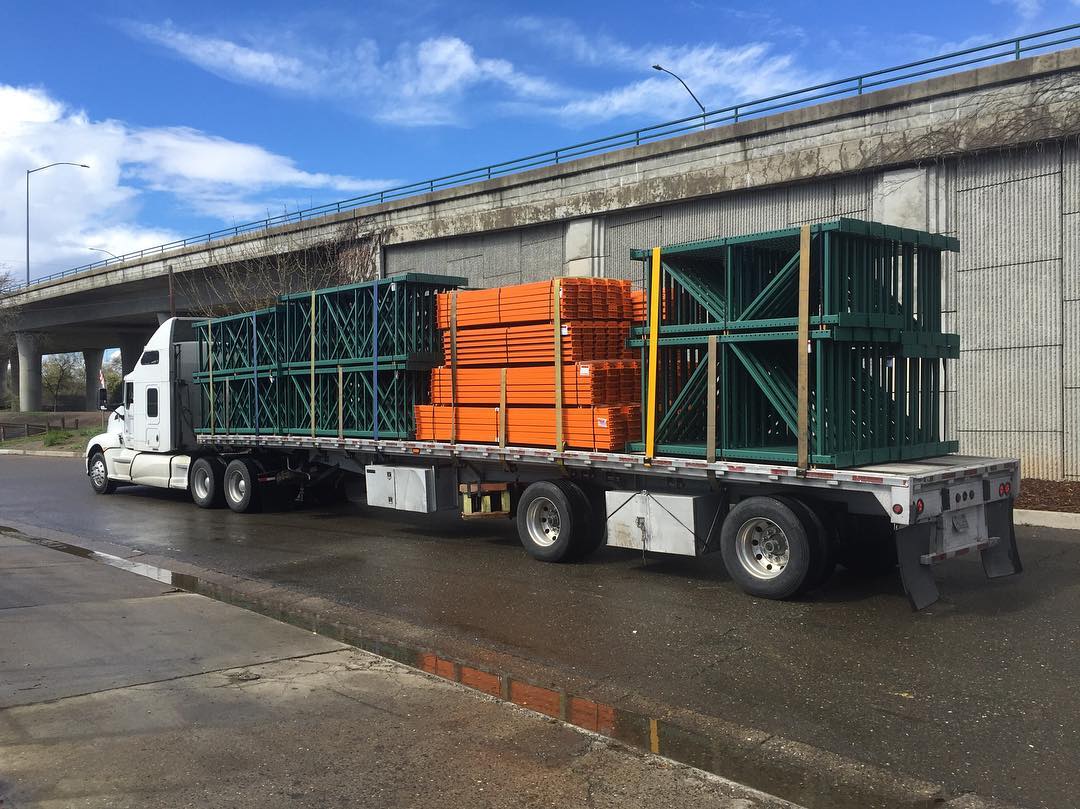
Direct factory manufacturing for containerized knock-down delivery across Vancouver, Prince Rupert, Montreal, and Halifax ports.
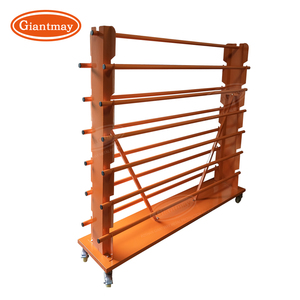
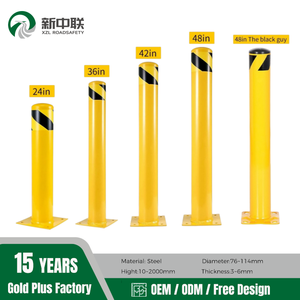
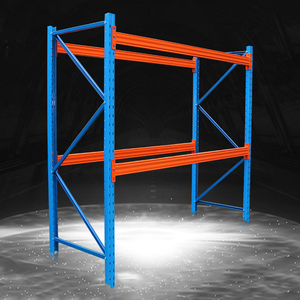
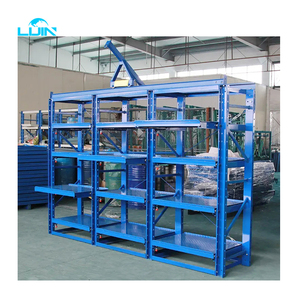
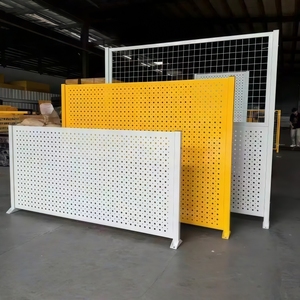
Industrial rivet shelving—frequently designated as boltless keyhole shelving or teardrop-interlock racking—represents one of the most mechanically reliable and rapidly deployable storage frameworks in modern supply chain infrastructure. Unlike conventional slotted angle systems requiring time-consuming nut-and-bolt assembly or welded cantilever frames that lack spatial reconfigurability, rivet shelving relies on precision-tapered teardrop or keyhole slots rolled into upright angle posts, paired with dual-tapered cylindrical studs welded to the ends of structural horizontal shelf beams.
When subjected to vertical loading, gravitational and payload forces drive the rivet studs deeper into the narrowed taper of the keyhole punch. This mechanical wedge action induces a rigid, moment-resistant connection without necessitating diagonal cross-bracing. In the Canadian logistics context—where commercial warehousing square footage commands escalating real estate premiums in markets such as Mississauga, Richmond, and Laval—rivet shelving delivers total four-way clear access, maximizing aisle volume utilization and decreasing pallet pick cycle times.
Structural Parameter: Our rivet shelving lines utilize cold-rolled ASTM A1011 or CSA G40.21 50W equivalent structural high-tensile carbon steel. Uprights are CNC roll-formed from 14-gauge (1.98mm) or 16-gauge (1.52mm) profiles with a consistent 38.1mm (1.5-inch) or 50mm vertical pitch adjustment, guaranteeing zero deformation under maximum point loading.
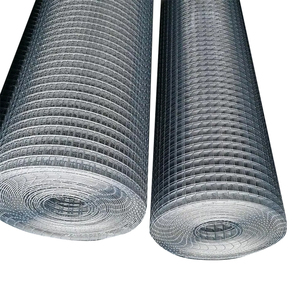
Furthermore, Canadian fire prevention standards dictated by the National Building Code of Canada (NBCC) and NFPA 13 sprinkler penetration rules necessitate adaptable decking substrates. Our factory engineers manufacture structural galvanized wire mesh decks with open area porosity exceeding 50%, alongside high-density pre-treated melamine panels and heavy-gauge galvanized steel decking inserts, providing full modularity for chemical, cold storage, and e-commerce picking lines.
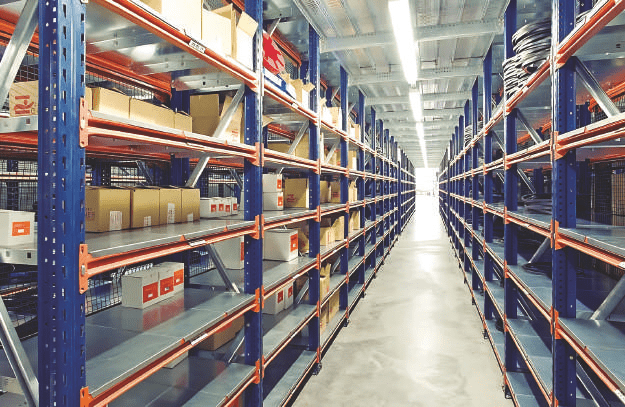
Operational logistics and climatic challenges differ drastically from maritime ports to sub-zero prairie corridors. Our export engineering designs account directly for provincial operational demands.
Focused on Peel Region (Mississauga, Brampton), Milton, and Vaughan. High-throughput 3PL, e-commerce fulfillment, and automotive parts staging requiring high-bay tiered mezzanine configurations and pick carts.
Calgary, Edmonton, and Nisku manufacturing zones. Facilities demand extra heavy-duty rivet shelving with double-rivet angle beams capable of supporting sub-zero unheated storage, machine tooling, and heavy drill valves.
Metro Vancouver and Delta port staging. Racking systems are structurally anchored to withstand strict NBCC Seismic Zone 4 accelerations, combined with hot-dip galvanized decking to counteract coastal marine salt humidity.
Demanding sterile, ultra-clean powder-coated boltless systems for aerospace MRO and Health Canada GMP certified pharmaceutical storage, utilizing non-porous galvanized panels and anti-microbial epoxy coatings.
Procuring industrial racking for commercial Canadian sites requires adherence to stringent national and provincial engineering statutes. Signature Racking Systems engineers each rivet racking component to exceed structural safety factors.
Racking uprights, beams, and cold-formed structural channels conform strictly to CAN/CSA S136 (Cold-Formed Steel Structural Members) and CSA S16 (Design of Steel Structures), verifying beam deflection ratios do not exceed L/240 under full operational load.
For installations throughout Ontario, our engineering packages furnish verified structural data sheets, dimensional CAD layouts, and beam capacity calculation reports facilitating expedited Pre-Start Health and Safety Reviews (PSR) by Canadian Professional Engineers (P.Eng.).
Under the National Building Code of Canada (NBCC), racking systems deployed in high-risk zones (such as coastal British Columbia or the Ottawa-St. Lawrence seismic corridor) feature widened 12-gauge anchor footplates and certified dynamic wedge anchoring hardware.
Evaluate load dynamics, assembly velocities, and structural footprint to determine the exact racking architecture for your distribution facility.
| Storage Architecture | Typical Shelf Capacity | Assembly Speed | 4-Way Picking Access | Seismic Resistance | Canadian Compliance Status |
|---|---|---|---|---|---|
| Industrial Boltless Rivet Shelving | 250 kg – 1,200 kg / Level | Fastest (Rubber Mallet Only) | 100% Unrestricted | High (With Welded Baseplates) | Full CSA S136 & NBCC Alignment |
| Traditional Slotted Angle Shelving | 80 kg – 180 kg / Level | Slow (Nuts, Bolts, Gussets) | Restricted by Gussets | Low to Moderate | Light Duty Only (Non-Industrial) |
| Selective Pallet Racking | 1,000 kg – 4,500 kg / Level | Crane / Forklift Required | Forklift Aisle Dependent | Engineered per P.Eng | Mandatory Ontario PSR for Pallet Loads |
| Heavy-Duty Longspan Shelving | 400 kg – 800 kg / Level | Moderate (Clip & Stepped Beam) | Open Front & Back | Moderate to High | CSA Standard Design Validation |
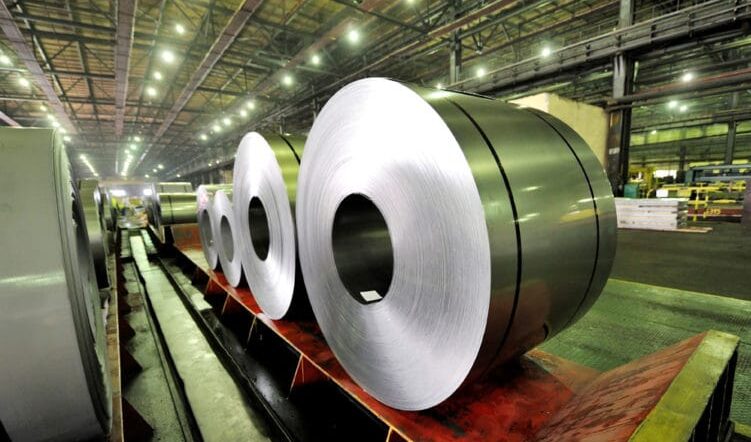
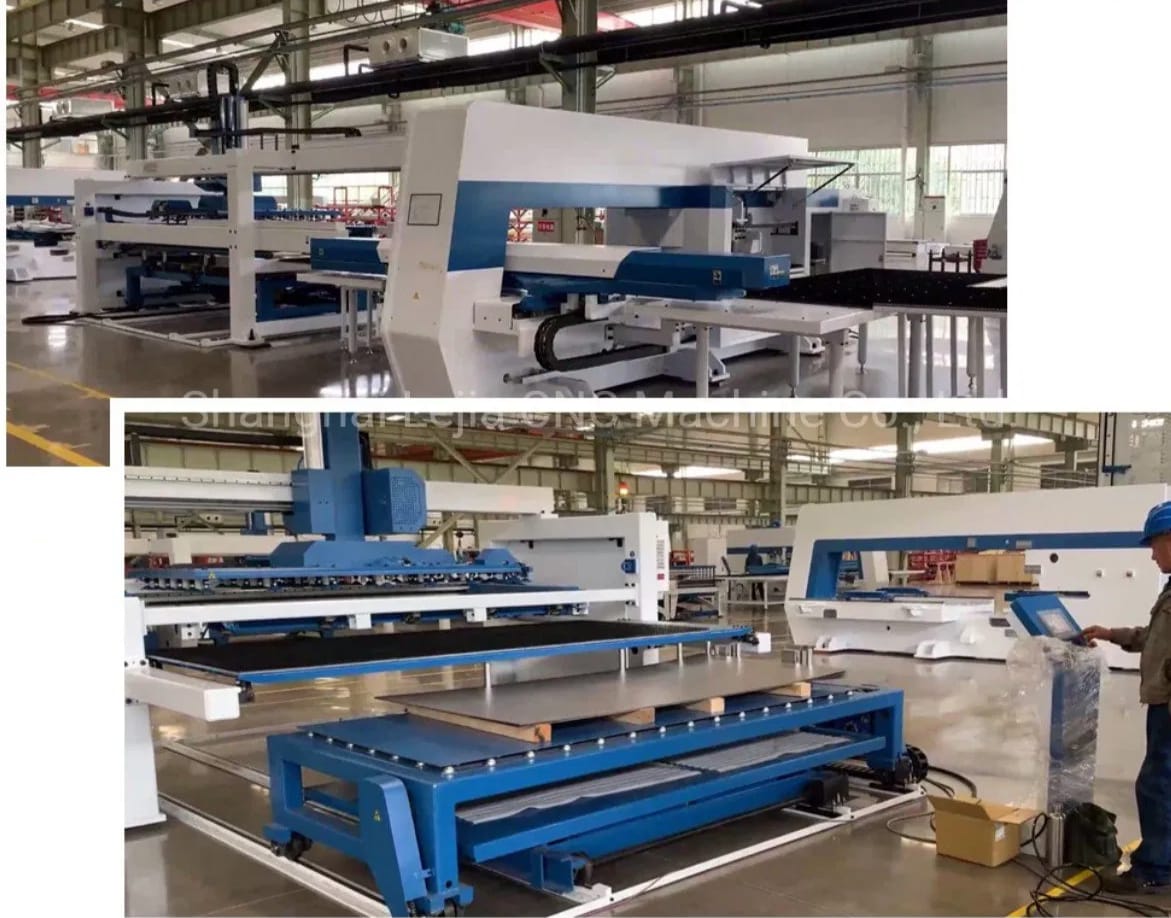
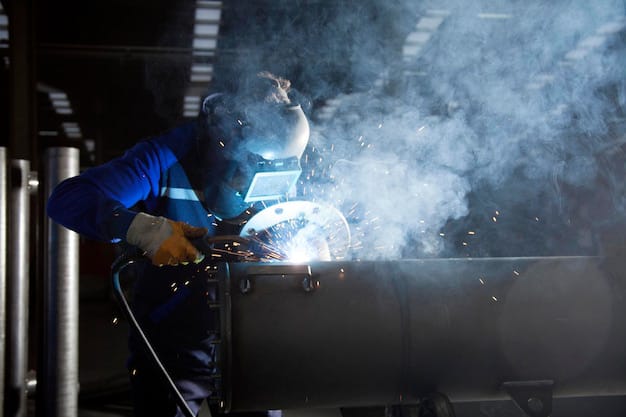
Operating dedicated CNC profiling, roll-forming, automatic stamping, and robotic welding lines under ISO 9001 quality supervision. Every unit exported to Canadian ports undergoes rigorous metallurgical and dimensional inspection.
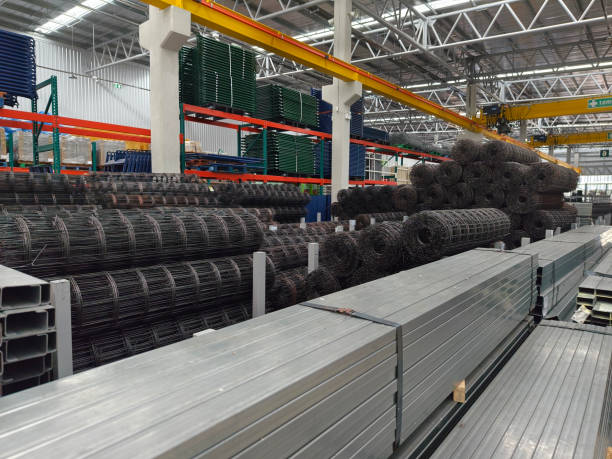


Essential answers regarding customs tariffs, structural certifications, logistics dispatch, and site installation throughout Canada.
We supply complete engineering drawings, certified steel mill test certificates (MTRs), exact section moduli, and maximum uniform distributed load (UDL) calculation matrices. These documents provide the precise structural data required by Canadian Professional Engineers (P.Eng.) to sign off on Ontario Ministry of Labour Section 7 PSR compliance.
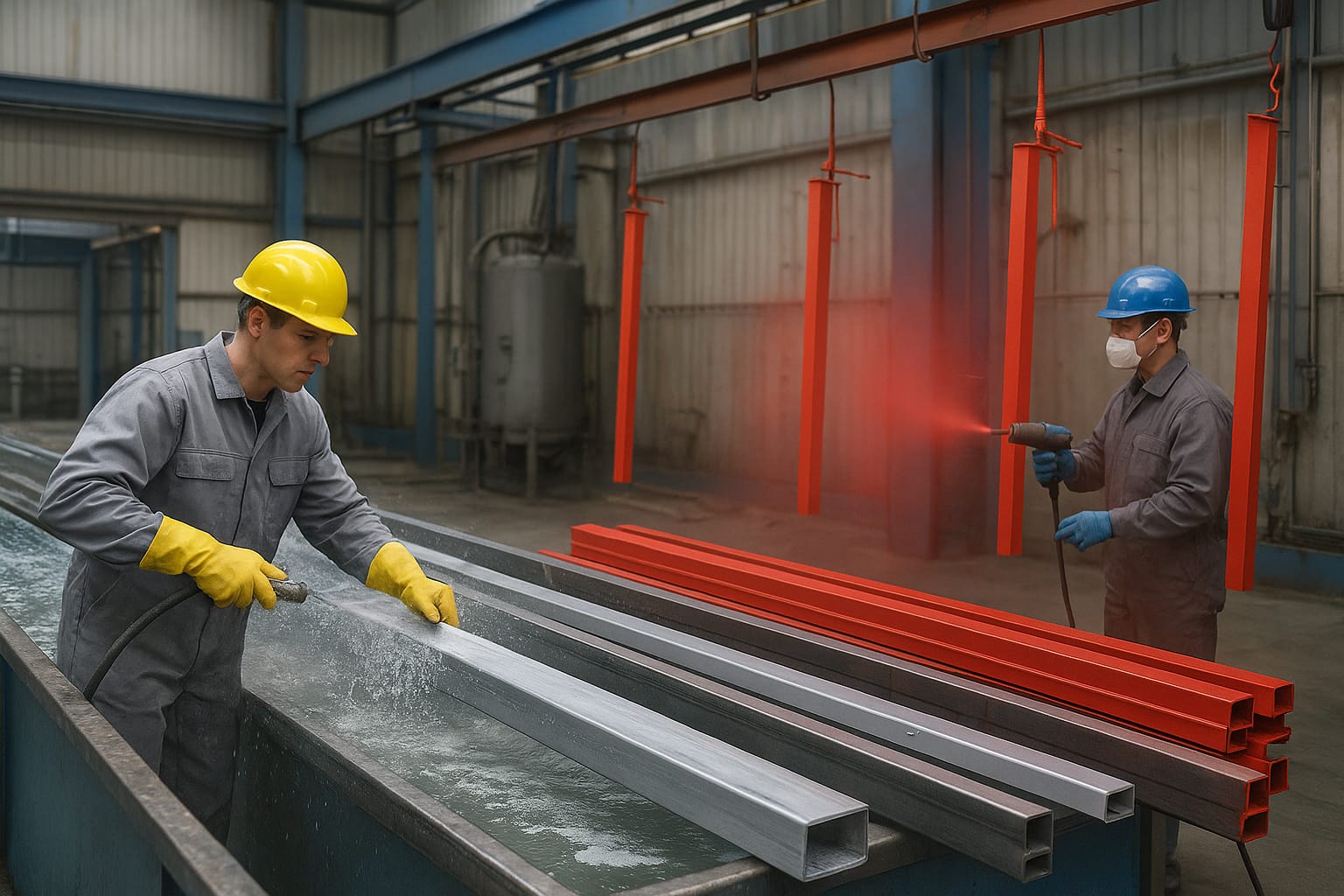
Unheated facilities in Alberta, Saskatchewan, or Northern Ontario experience temperatures dropping below -30°C. We utilize structural cold-formed carbon steel with verified ductile impact performance to prevent cold brittleness. Our electrostatic thermoset powder coating resists condensation-induced thermal shock, blistering, and chemical degradation from salt tracked into facilities.
Shipments are dispatched under HS Code 9403.20 (Other Metal Furniture and Storage Fixtures) or 7308.90 (Structures of Iron or Steel). We work under flexible Incoterms including FOB, CIF (Port of Vancouver, Montreal, or Halifax), and DDP directly to your distribution center door, coordinating clearance with Canadian CBSA licensed customs brokers.
Yes. Canadian commercial fire codes, governed by municipal bylaws and the National Fire Code of Canada, frequently mandate that shelf levels larger than 20 sq. ft. maintain at least a 50% open area for in-rack sprinkler water penetration. We supply custom-fitted, cold-drawn welded wire mesh panels with drop-in waterfall contours that sit flush on rivet stepped beams.
Standard fabrication runs for full container loads (FCL, 20ft GP or 40ft HQ) average 2 to 3 weeks from engineering drawing approval. Ocean transit to West Coast Canadian ports (Vancouver/Prince Rupert) ranges from 18 to 22 days, while transit to East Coast ports (Montreal/Halifax) via intermodal rail connections typically spans 28 to 34 days.
Absolutely. Because our vertical posts are cold roll-formed from heavy 14-gauge structural steel with high axial load capacity, our engineering department designs two-tier and three-tier rack-supported catwalk mezzanines. These integrate safety staircases, kickplates, and Canadian CCOHS-compliant handrails to double usable warehouse picking square footage.
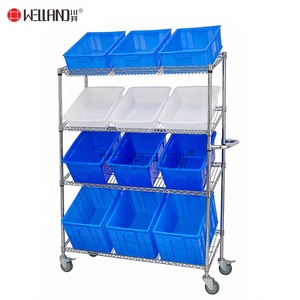
Whether you require standard 1,000-lb boltless shelving units, automated order-picking slanted carts, or CSA-compliant multi-tier installations in Toronto, Montreal, Calgary, or Vancouver—our engineering office provides complimentary CAD layouts and competitive container-direct export quotations within 24 hours.