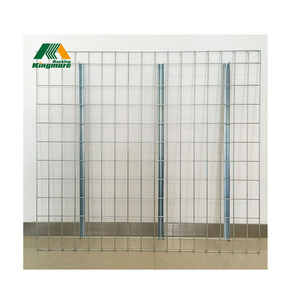
Safety Decking / 1000KG Tier
Direct-from-factory structural steel solutions certified under global safety thresholds, optimized for high seismic compliance, high vertical clearance, and maximum floor payload efficiency.
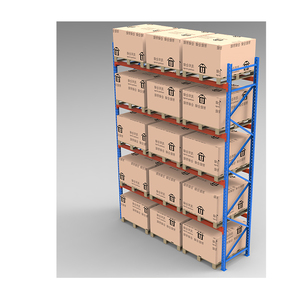
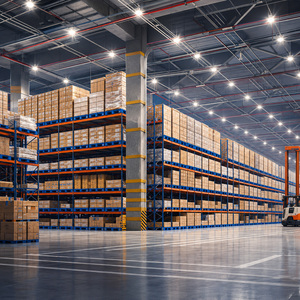
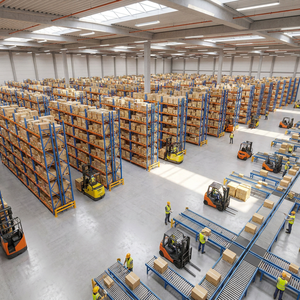
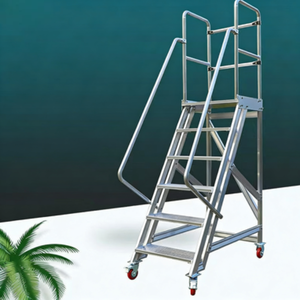
In ultra-dense modern storage environments, the upright column (rack leg) is the paramount structural member determining whether an intralogistics system withstands dynamic impact, vertical gravity loads, and lateral seismic shearing.
Unlike standard generic channel profiles, our high-bay upright columns are roll-formed into proprietary 11-to-13-fold Omega (Ω) profiles. Each cold-formed bend introduces localized strain hardening, drastically increasing the moment of inertia along the major (Ix) and minor (Iy) axes. This multi-rib geometry mitigates torsional-flexural buckling under non-uniform pallet placements.
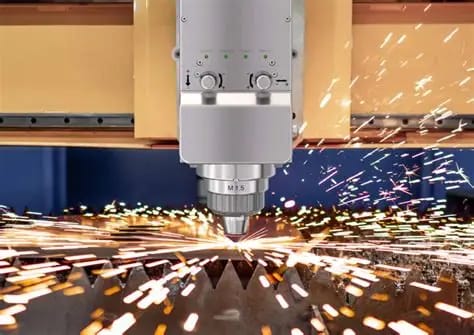
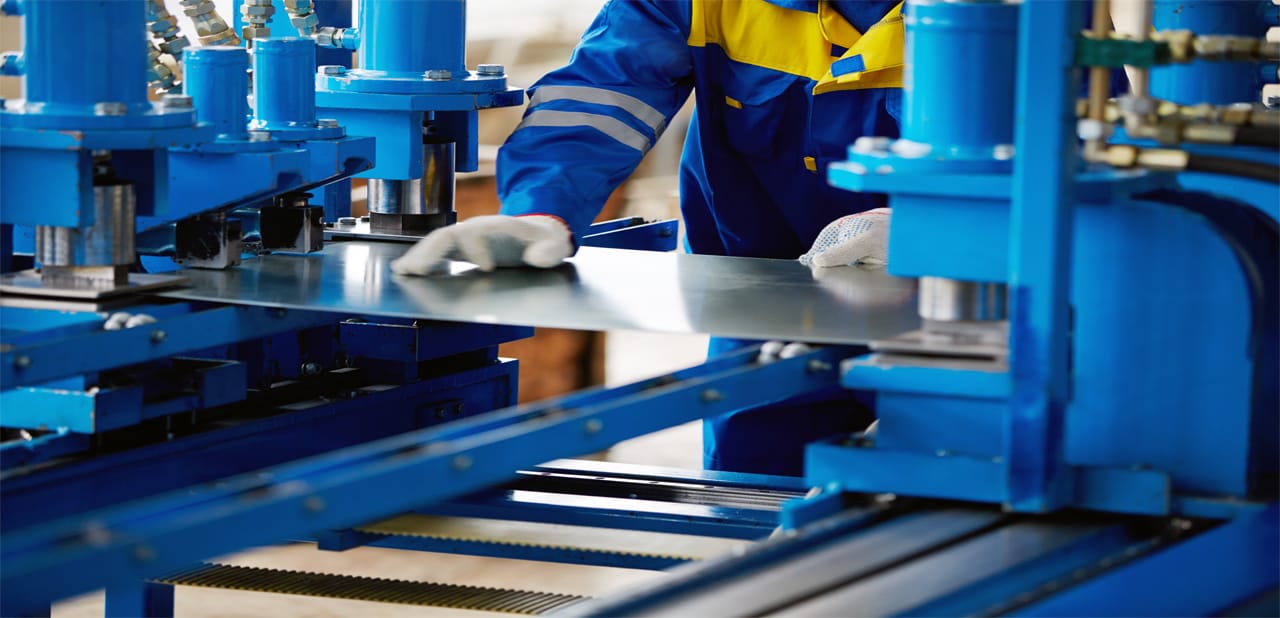
Punching introduces stress concentration zones if done improperly. Our automated CNC punching line operates in tandem with cold roll-forming, utilizing progressive tungsten carbide dies. This guarantees a repeatable 50mm or 75mm teardrop / hexagonal pitch tolerance within ±0.1mm across a 15-meter single column, preserving load dissipation across horizontal and diagonal bracing struts.
According to the Korean Building Code (KBC) and KDS 41 structural mandates, racking in the Seoul Capital Area must dissipate seismic lateral energy. Our columns integrate heavy-gauge stamped baseplates (6mm to 16mm thick) anchored via dynamic expansion or chemical M12/M16 anchors, transferring flexural moments directly to concrete slabs without shear failure.
| Profile Model | Front Width × Depth (mm) | Available Thickness | Steel Grade Standard | Max Section Area (cm²) | Rated Frame Capacity (kg) | Recommended Application |
|---|---|---|---|---|---|---|
| SRS-UP80 | 80 × 60 mm | 1.8mm / 2.0mm | SS400 / Q235B | 3.12 cm² | 8,500 – 12,000 kg | Light Logistics, Retail Backrooms, Cartons |
| SRS-UP90 | 90 × 70 mm | 2.0mm / 2.3mm | SPHC / Q355B | 4.25 cm² | 12,500 – 18,000 kg | Standard Selective Racks, 3PL Fulfillment |
| SRS-UP100 | 100 × 70 mm | 2.3mm / 2.5mm | SM490 / Q355B | 5.18 cm² | 18,000 – 24,000 kg | Cold Storage, Drive-In Racks, Heavy Pallets |
| SRS-UP120 | 120 × 95 mm | 2.5mm / 3.0mm | High-Strength POSCO Coil | 7.42 cm² | 24,000 – 32,500 kg | High-Bay AS/RS, Rack-Clad Mega Facilities |
| SRS-UP140HD | 140 × 120 mm | 3.0mm / 3.5mm | Structural High-Tensile | 9.65 cm² | Up to 38,000 kg | Automated Stacker Crane Vertical Warehouses |
Real estate scarcity and sky-high land acquisition costs across Seoul, Incheon, and Gyeonggi-do necessitate unprecedented vertical storage density. Our engineered racking upright columns serve as the backbone across crucial Korean industry verticals.
In high-throughput centers across Songpa-gu, Gimpo Gochon, and Icheon, top-tier e-commerce giants (such as Coupang Rocket Delivery and Market Kurly) require multi-tier mezzanine floors and high-bay racking served by narrow-aisle (VNA) reach trucks. Our upright columns deliver up to 16-meter continuous vertical spans without intermediate splice welds, maximizing cubic volume utilization and pick-face frequency.
Flanking the semiconductor belts of Suwon, Giheung, Hwaseong, and Pyeongtaek, storage systems must operate with zero particulate shedding and static dissipation. Our upright columns undergo a multi-stage non-phosphate zirconium wash and electrostatic thermosetting epoxy coating, ensuring compatibility with microelectronics component cleanrooms and automated automated guided vehicles (AGVs).
Blast freezers operating between -25°C and -40°C cause standard structural carbon steel to undergo a dangerous ductile-to-brittle transition. We supply low-temperature-impact-tested steel and continuous hot-dip galvanized (HDG) upright columns with a minimum 65μm zinc layer, preventing galvanic degradation and embrittlement in food distribution facilities.
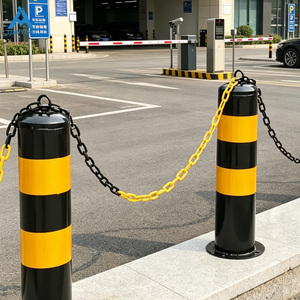
Supporting tier-1 automotive suppliers in the Incheon Namdong and Banwol-Sihwa industrial complexes, our ultra-heavy-duty columns (SRS-UP140HD) withstand concentrated die-mold weights of over 4,500kg per beam level. Engineered safety pins and anti-dislodgement latches safeguard personnel against mechanical fork strikes.
The Korean intralogistics sector is experiencing a generational shift towards autonomous automation, mandated fire separation, and stringent seismic resilience.
Due to severe SCA land restrictions, greenfield logistic hubs are bypassing traditional warehouses in favor of rack-clad buildings (자립형 랙창고) up to 35 meters tall. In these systems, the upright frames serve as both internal pallet racking and the primary structural skeleton supporting the building's roof and insulated sandwich panels. This calls for ultra-tight mill tolerances and POSCO high-tensile hot-rolled steel.
Following high-profile logistics warehouse fires in Gyeonggi-do, the Ministry of Land, Infrastructure and Transport (MOLIT) and KOSHA enforced rigorous regulations requiring integrated in-rack ESFR sprinkler clearance, non-combustible steel wire mesh decking (eliminating timber shelves), and fire-resistant perforated safety partitions to isolate lithium battery storage zones.
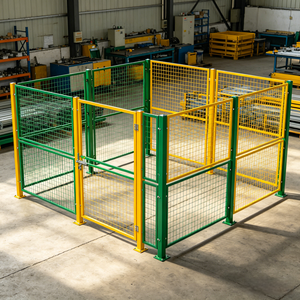
Modern Seoul logistics centers integrate fleets of autonomous floor robots working alongside upright frameworks. This necessitates ultra-flush baseplate countersinking, laser-aligned column verticality (≤ 1/1000 deflection), and precision-engineered structural column guard barriers capable of shielding sensitive guidance mirrors and LiDAR sensors from impact.
End-to-end in-house production ensures uncompromising profile consistency, accurate punch registration, high structural weld integrity, and automated architectural-grade powder finishes.
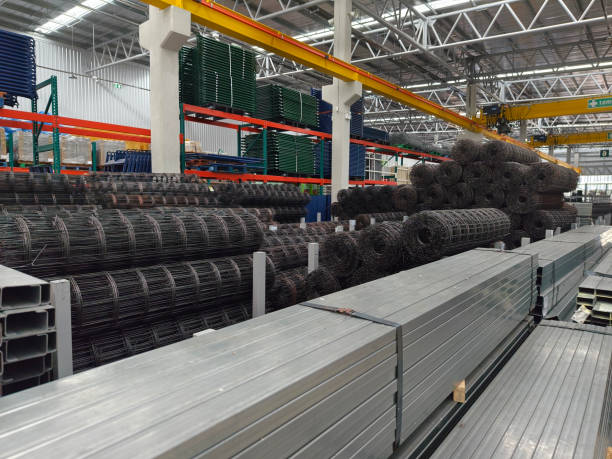
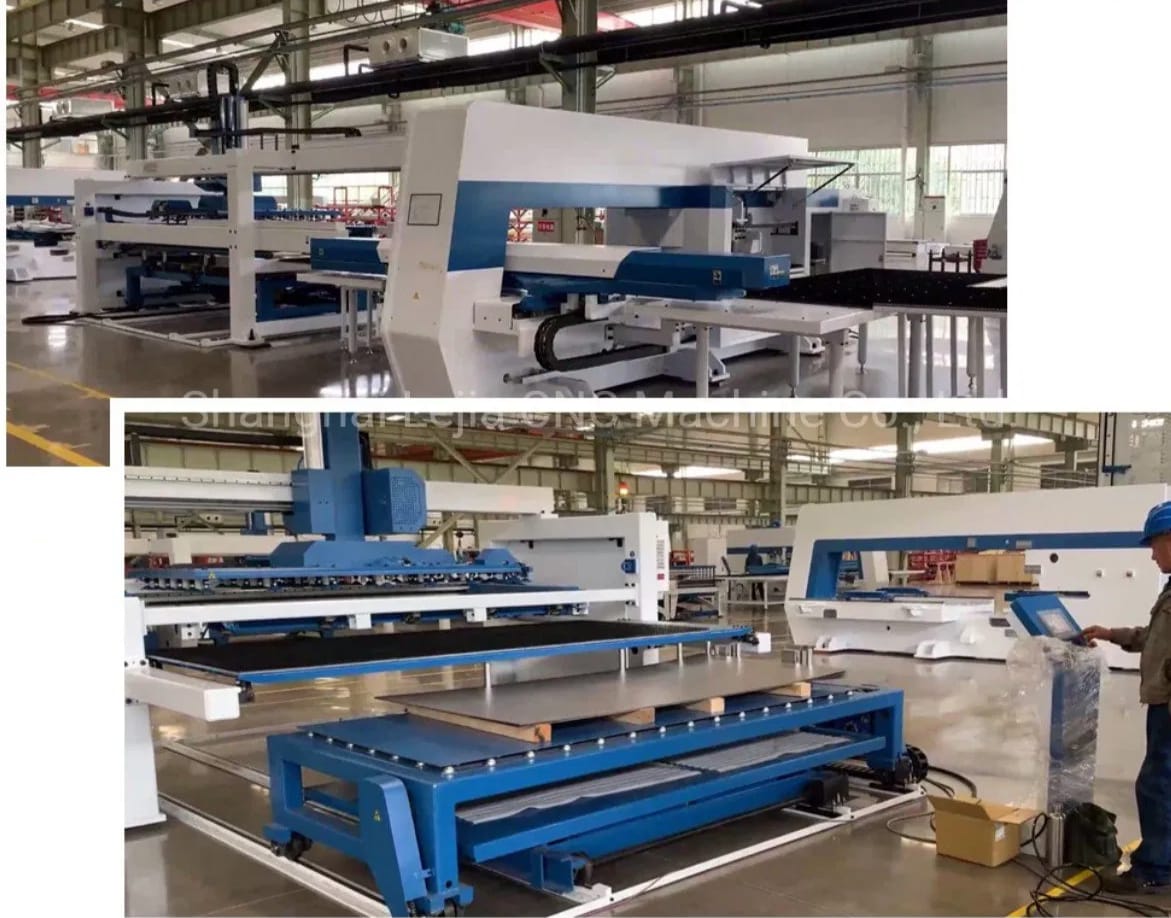
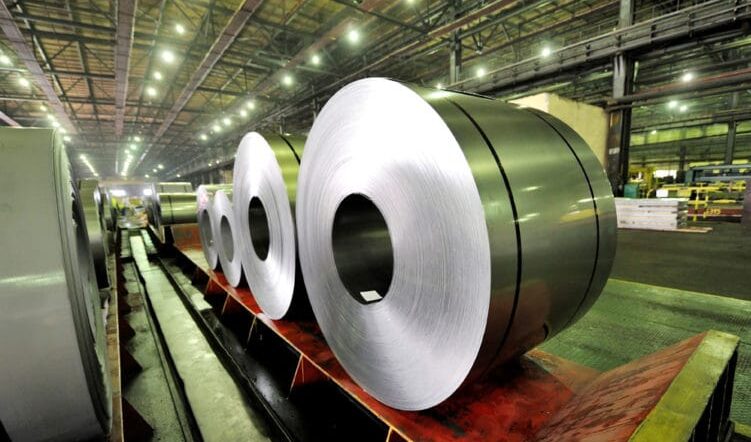

Key technical answers addressing seismic calculations, building codes, manufacturing tolerances, and delivery logistics in South Korea.
Under the revised South Korean Ministry of Land, Infrastructure and Transport structural rules (KDS 41), industrial pallet racking is classified as an engineered storage structure subject to lateral seismic acceleration forces. Our engineering department performs comprehensive 3D finite element analysis (FEA) calibrated to Seismic Zone 1 coefficients in the Seoul Capital Area ($S_{DS}$ and $S_{D1}$ values).
We supply stamped structural calculations confirming frame stability, ductility capacity, and anchor bolt pull-out resistance under full design-basis earthquake (DBE) conditions.
Yes. While our standard high-load uprights feature universal 50mm or 75mm pitches, our tooling allows custom punching dies. Whether your facility currently runs European 50mm metric patterns, Japanese standard pitches, or American teardrop geometries, we can manufacture drop-in compatible upright columns for system expansions and frame repairs without requiring total warehouse decommissioning.
We strictly procure primary cold-rolled and hot-rolled structural steel coils equivalent to Korean KS standard SS400, SM490, and POSCO high-strength cold-forming grades (yield strengths ranging from 235 MPa up to 420 MPa). Every manufacturing batch is accompanied by Mill Test Certificates (MTC) detailing chemical composition (carbon, manganese, phosphorus limits) and elongation properties to prevent micro-fracturing along cold-formed bends.
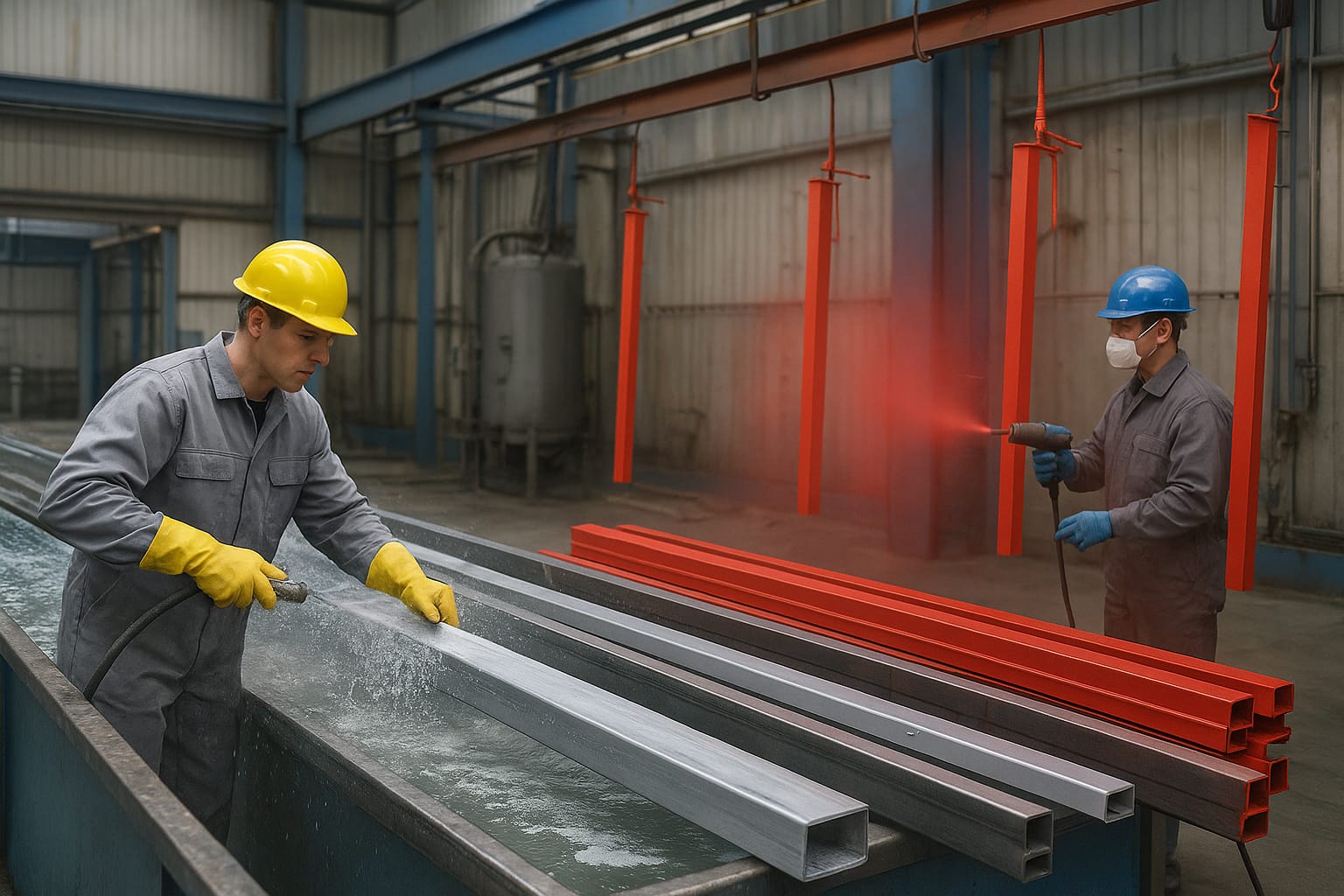
Liquid air-dry paints suffer from micro-porosities that invite ambient humidity, resulting in sub-film rust and coating delamination under temperature cycling down to -30°C. Our upright columns undergo a continuous 5-stage pre-treatment (degreasing, zirconium passivation, deionized rinse) followed by electrostatic dry epoxy-polyester hybrid powder application and 200°C infrared oven curing. For extreme condensation or brine environments, we offer continuous hot-dip galvanizing per ISO 1461.
Racking point loads can exceed 8,000kg to 14,000kg per column footplate. Prior to anchoring, our engineering team reviews your warehouse floor structural drawings (compressive strength, slab thickness, rebar mesh layout). We calculate the exact anchor embedment depth using Hilti or Fischer ETA-certified chemical or expansion anchors, checking shear and tensile cone failure limits to prevent floor spalling.
Because slitting, punching, roll forming, welding, and powder coating are integrated within our own manufacturing plants, typical production runs for standard profiles (under 500 upright frames) average 2 to 3 weeks. For large-scale distribution centers (10,000+ pallet locations) or custom high-bay automated warehouse AS/RS uprights, production schedules are staged to match site readiness with progressive deliveries.
Combining 20+ years of structural storage fabrication with tailored intralogistics engineering.
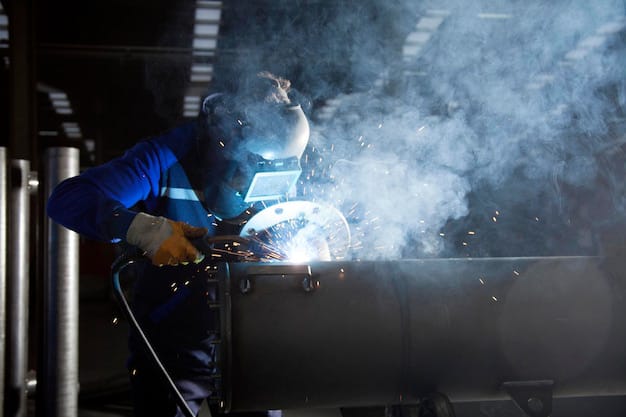
No outsourcing to generic job shops. We control cutting, pressing, roll forming, punching, welding, and powder coating under one ISO-certified quality umbrella.
Over two decades of proven industrial performance across manufacturing plants, mega-fulfillment centers, cold-storage facilities, and high-security sites.
Each upright profile undergoes physical stub-column tests, frame portal shear tests, and beam-to-column connector moment tests verifying real-world safety factors (≥ 1.65 to 1.95).
From initial site laser surveys and CAD layout modeling to containerized delivery, on-site mechanical erection, laser plumb alignment, and safety signoff.
Consult with our senior intralogistics structural engineers today. Send your floor plans, clear building heights, pallet loading criteria, and handling equipment specs for a complimentary CAD structural layout and detailed factory-direct quotation.
Send an Inquiry