
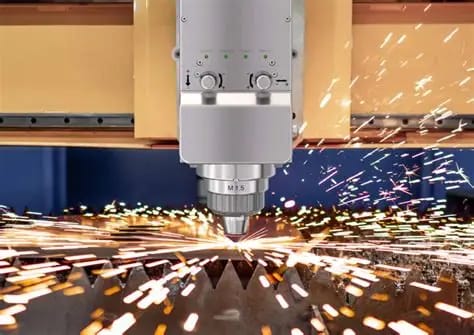
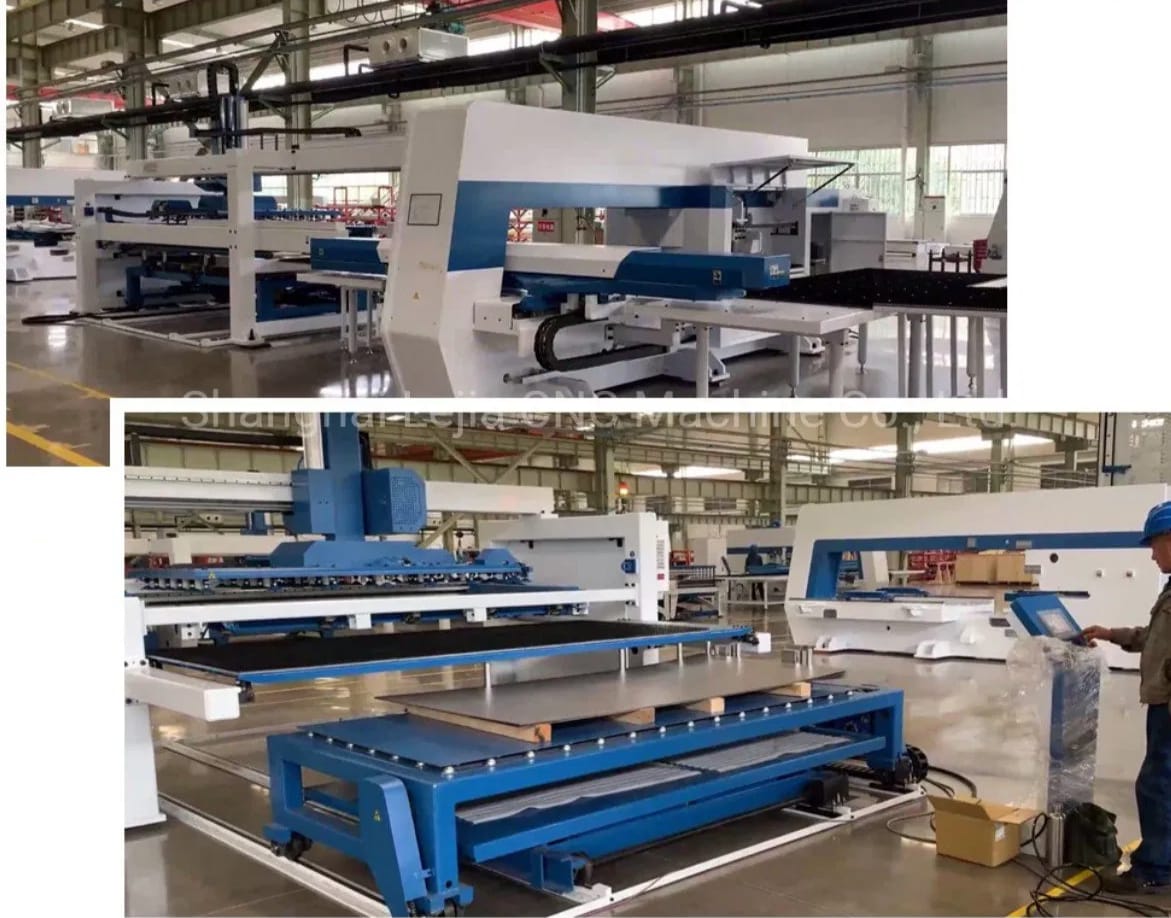
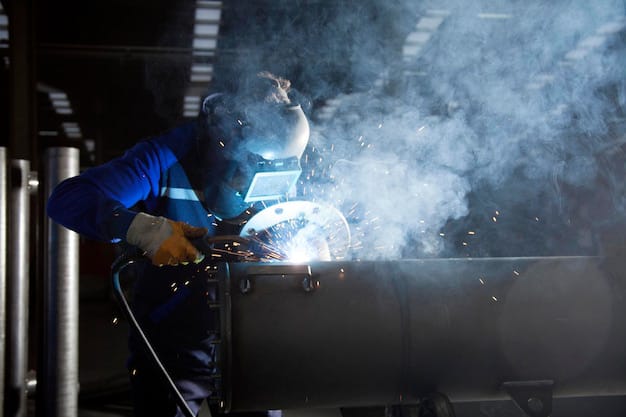
Engineered with Q235B high-tensile carbon steel, precision robotic welding, and automated multi-hole punch stamping for fast installation across Mexico City (CDMX), Cuautitlán Izcalli, and the Estado de México corridor.
Why generic off-the-shelf shelving collapses under CDMX conditions, and how structural ductility engineering protects capital infrastructure.
The Valley of Mexico represents one of the world's most demanding seismic engineering environments. Significant industrial activity in logistics submarkets—including Cuautitlán, Tultitlán, Tepotzotlán (the CTT corridor), Azcapotzalco (Vallejo), and Tlalnepantla—sits either directly over or adjacent to ancient lake beds characterized by high-water-content lacustrine clays (Geotechnical Zone III). During subduction earthquakes originating along the Pacific Coast Cocos-North American plate boundary (such as the 1985 and 2017 seismic events), this soft subsoil induces severe site-effect amplification, generating prolonged low-frequency harmonic oscillations between 0.5 Hz and 2.0 Hz.
Standard industrial shelving units, engineered solely for static gravity loads according to basic European or Asian catalog tables, suffer catastrophic inter-story drift failure when subjected to cyclic lateral shaking. At Signature Racking Systems, our technical engineering designs adhere strictly to the seismic provisions of RMI (Rack Manufacturers Institute) ANSI MH16.1 and the stringent local structural mandates of the Normas Técnicas Complementarias para Diseño por Sismo del Reglamento de Construcciones para la Ciudad de México (NTC-CDMX). We incorporate calculated seismic response modification factors (ductility factor $Q = 2.0$ to $3.0$), oversize baseplates fabricated from 12mm to 16mm plate steel, and heavy anchor studs embedded with dual-chemical epoxies to resist uplift, base shear, and structural overturning.
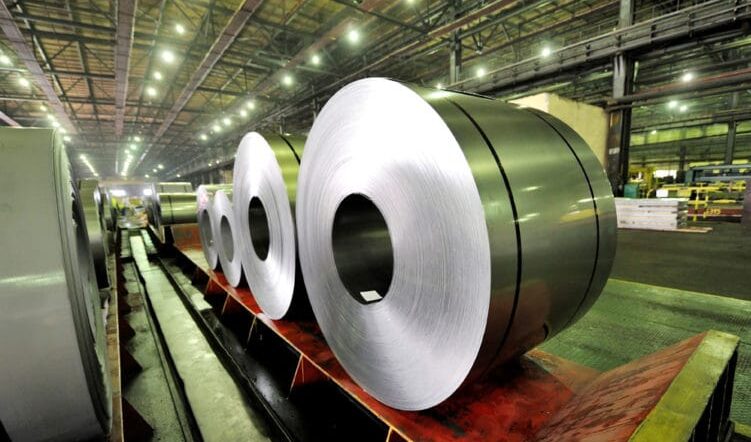
Structural integrity begins at the atomic level. Industrial warehouse upright columns must absorb cyclic lateral displacement without micro-fissuring or sudden brittle fracture. We utilize premium-grade cold-rolled structural steel with certified yield strengths ($F_y \ge 235 \text{ MPa}$ to $355 \text{ MPa}$) ensuring minimum elongation exceeding 23% at rupture. This ductile reserve is vital for high-bay selective pallet racks storing 1,000 kg to 1,500 kg loads at elevations exceeding 10 to 14 meters in Mexican distribution facilities.
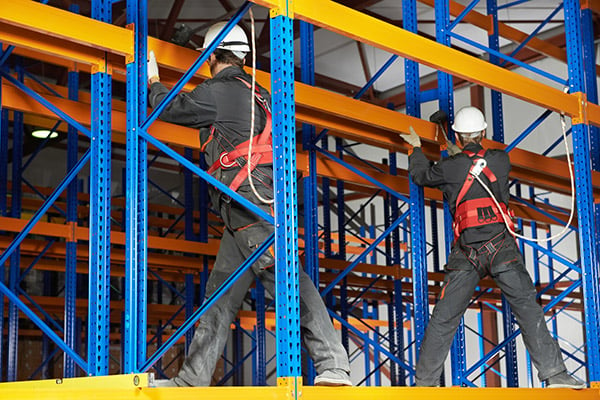
Beam-to-column connector brackets utilize a proprietary 4-tooth to 5-tooth teardrop locking configuration stamped from high-strength plate steel. When combined with our automatic spring-steel safety locks, this connection prevents spontaneous dislodgement under violent harmonic acceleration. All upright and diagonal bracing members are cold-formed in continuous automated roll-forming lines, maintaining dimensional tolerances within $\pm 0.5 \text{ mm}$ to guarantee uniform load sharing across all anchor points.
| Storage System Type | Optimal CDMX Logistics Application | Max Load per Level | Picking Accessibility | Seismic Resistance Index |
|---|---|---|---|---|
| Heavy Duty Selective Pallet Racking | 3PL, FMCG, and Retail Distribution (CTT Hubs) | 1,000 kg – 4,500 kg | 100% Immediate Direct Access | High (Engineered with diagonal X-bracing) |
| High-Density Drive-In Racks | Cold Storage (Toluca & Vallejo) and Beverage CEDIS | 1,000 kg – 2,000 kg/pallet | LIFO / FIFO Batch Storage | High (Requires robust top tie-beams) |
| Heavy Duty Cantilever Racks | Structural Steel, PVC Pipe & Timber Merchants | 500 kg – 2,500 kg/arm | 100% Unobstructed Frontage | Medium–High (Oversized base anchors) |
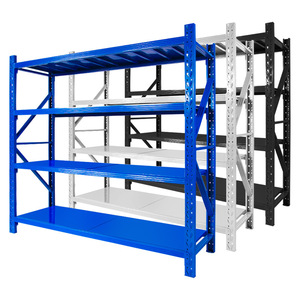
| Industrial Longspan Shelving | E-commerce Split-Case Fulfillment & Spares | 300 kg – 800 kg/shelf | 100% Manual Hand-Picking | High (Interlocking bolt-free frames) |
| Rack-Supported Mezzanines | Urban Last-Mile Depots (Vallejo & Iztapalapa) | 350 kg – 1,200 kg/m² | Multi-Level Tiered Walkways | Engineered (Independent moment frames) |
Targeted racking architectures tailored to the operational demands, urban space constraints, and logistics dynamics of central Mexico.
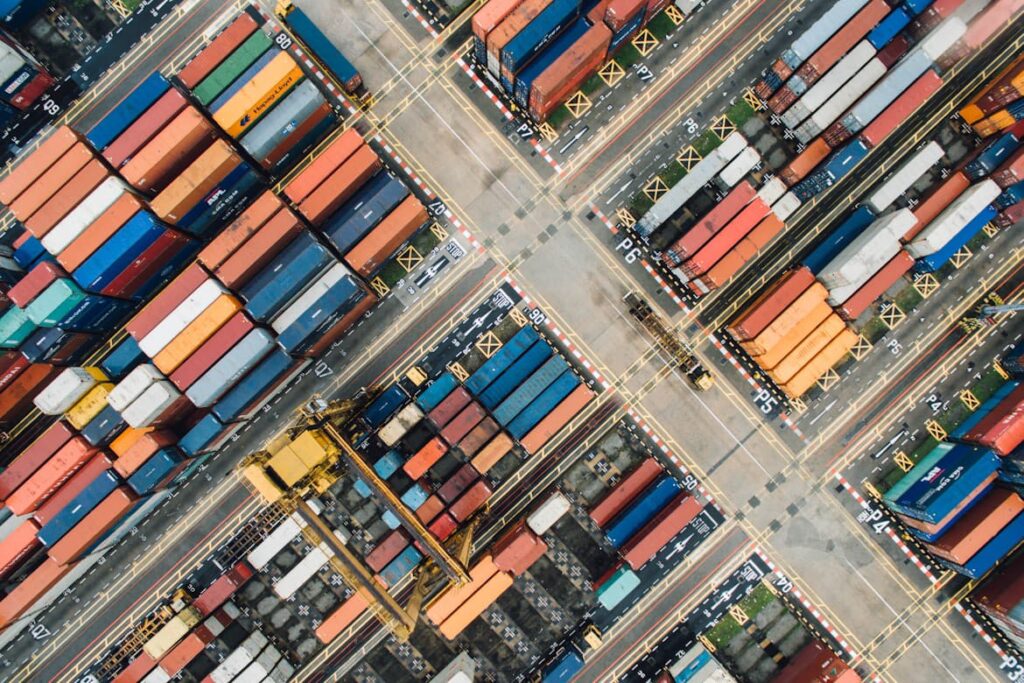
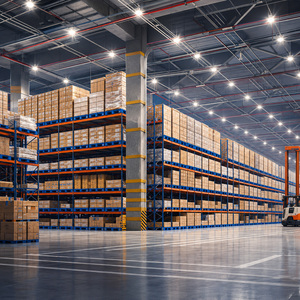
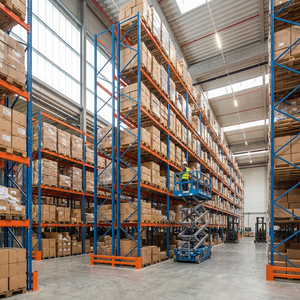
The CTT corridor represents the primary logistics gateway to Central Mexico, hosting e-commerce giants, tier-1 3PLs, and multinational retailers. Facilities require 12m to 14m high-bay selective pallet racks configured for reach trucks and turret VNA forklifts. Upright footings feature reinforced moment connections to accommodate rapid multi-shift cycle times and heavy pallet turnover without frame fatigue.
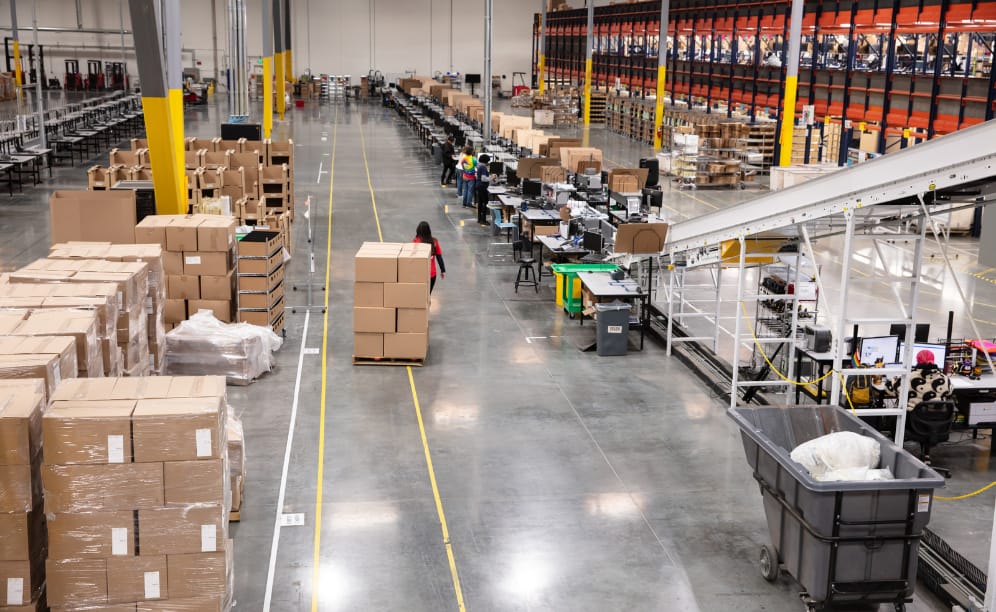
Industrial Vallejo is undergoing extensive brownfield revitalizations into high-velocity micro-fulfillment hubs serving central CDMX. Due to sky-high industrial land costs ($/m²), operations leverage vertical cubic volume. Our bolt-free longspan shelving and rack-supported multi-tier mezzanines double or triple floor space for high-SKU manual picking without requiring costly civil modifications.
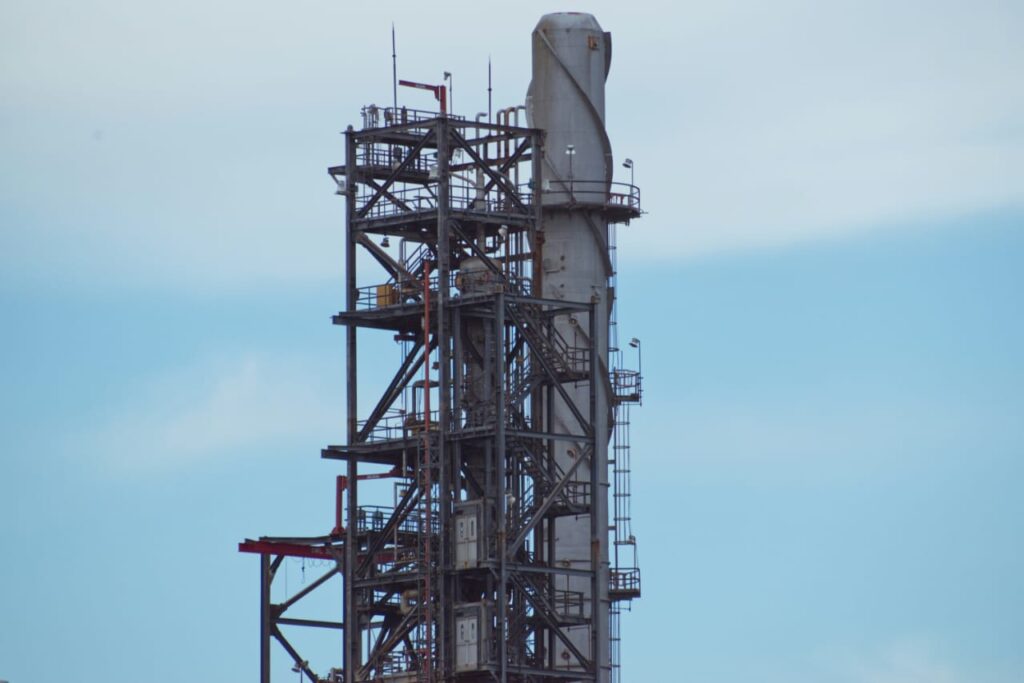
Operating along the Toluca-Naucalpan manufacturing corridor, automotive parts producers and heavy precision machinists handle high point-loads, heavy injection molds, and stamping dies. We provide customized heavy-duty structural steel beam racks and open-arm cantilever racks capable of supporting irregular metal bars, profiles, and up to 5,000 kg concentrated die loads.
How Mexico's industrial manufacturing expansion and USMCA trade flows are reshaping warehouse design standards.
The influx of manufacturing operations migrating from Asia to Mexico (Nearshoring) has driven Class A industrial vacancy rates in Greater Mexico City to historic lows below 1.5%. Companies can no longer expand warehouse footprints laterally. The solution is high-density pallet storage: retrofitting conventional selective layouts with Drive-In, Push-Back, or Automated Shuttle Racks that increase pallet density by 60% within existing building envelopes.
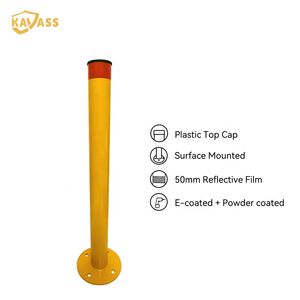
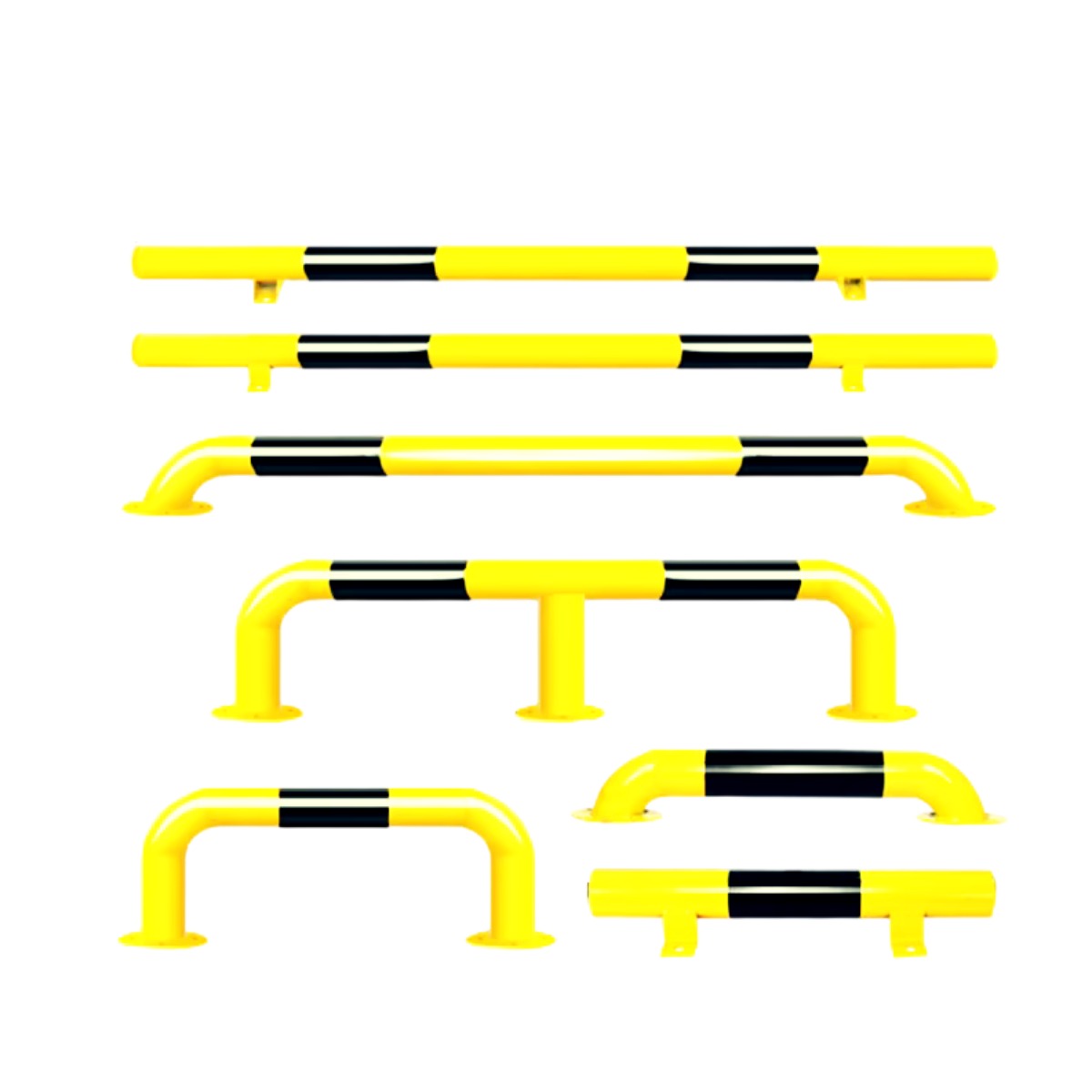
The Secretaría del Trabajo y Previsión Social (STPS) in Mexico is enforcing rigorous inspections regarding the maintenance, load ratings, and seismic stability of metal storage systems under Mexican Official Standard NOM-006-STPS-2014. Companies operating in CDMX require certified load plaques, documented structural calculations, impact bollards, and certified column protectors to prevent fatal accidents and avoid punitive shutdown penalties.
With warehouse labor shifts scaling 24/7 in CTT distribution parks, automated storage and retrieval systems (AS/RS) and semi-automated four-way radio shuttle channels are rapidly replacing manual handling. Racking manufacturing tolerances must achieve aerospace precision—deflections under full live loads cannot exceed $1/200$th of the beam span to prevent automated sensors and laser navigation shuttles from triggering alignment errors.
With over two decades of heavy structural fabrication heritage, we control every single manufacturing phase in-house—ensuring uncompromising quality for mission-critical industrial facilities.
Every layout is engineered from architectural floor plans and slab load tests. We run 3D FEA stress simulations to model seismic drift, torsional bending, and point-load reactions before steel is rolled.
Continuous automated multi-roll lines form upright columns with uniform thickness. Robotic high-speed punch units produce repeatable pitch centers with zero hole-spacing variance across thousands of meters.
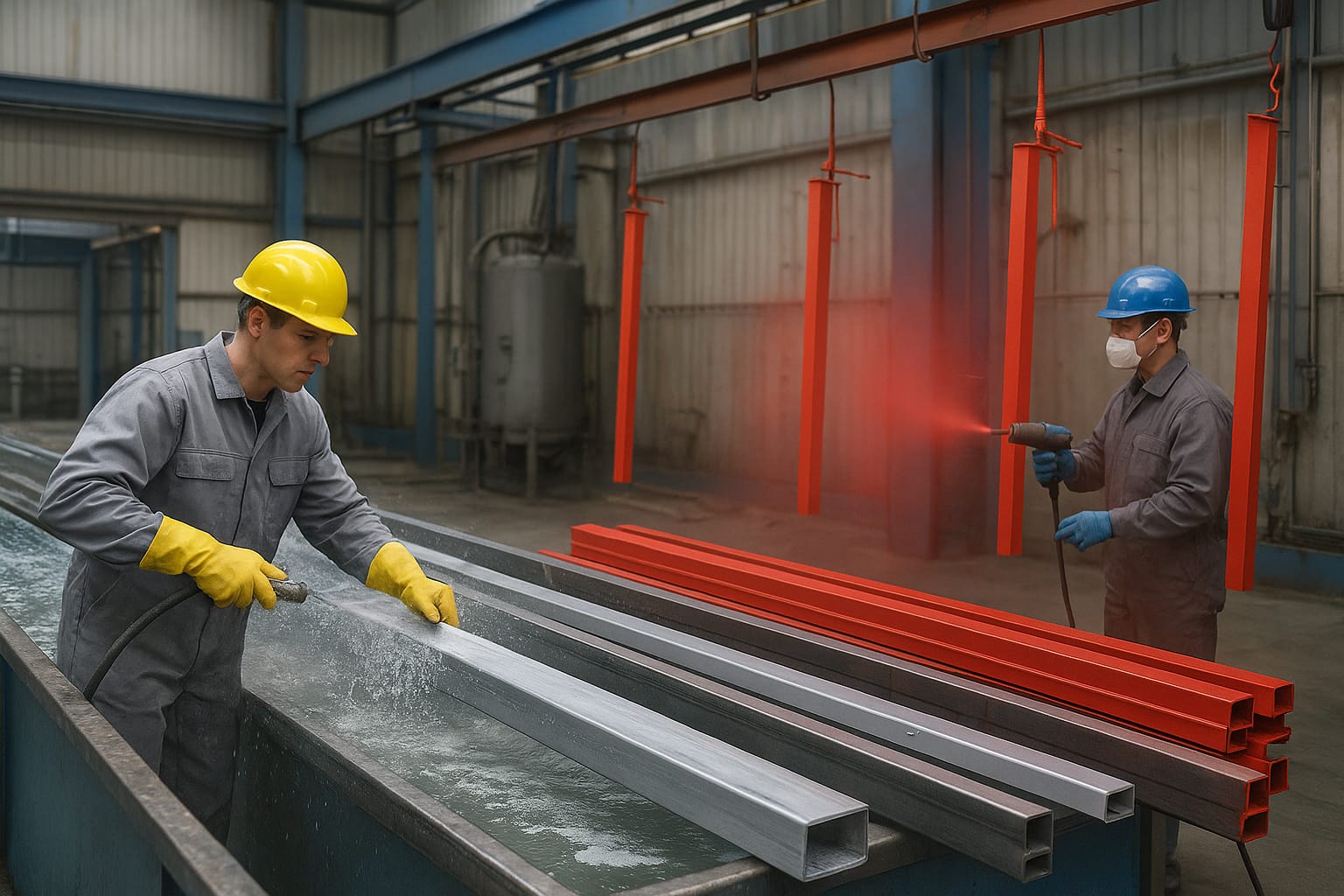
Components pass through multi-stage pre-treatment, chemical de-greasing, phosphate rust-inhibiting baths, and thermosetting epoxy-polyester powder baking (60-80 microns) for lasting corrosion protection.
Direct ocean freight shipments to the Port of Manzanillo or Veracruz, coupled with customs clearance documentation and on-site engineering supervision to ensure error-free assembly across Mexico City.
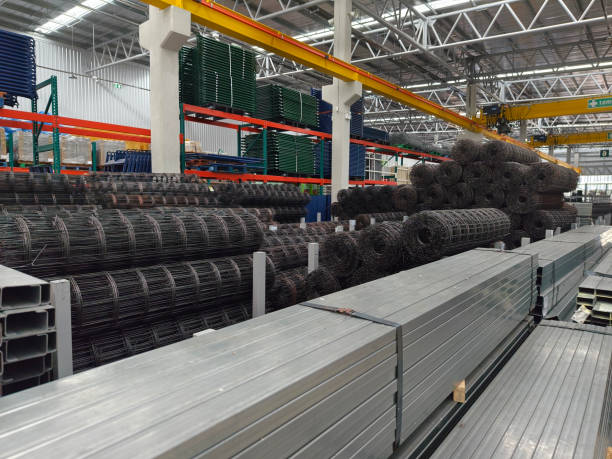
Critical structural, logistical, and regulatory answers for supply chain directors and plant engineering teams.
Our structural design calculations are performed according to ANSI/RMI MH16.1 (Specification for the Design, Testing and Utilization of Industrial Steel Storage Racks) and the Normas Técnicas Complementarias del Reglamento de Construcciones para el Distrito Federal (NTC-RCDF). For facilities located in CDMX Geotechnical Zone III (lake bed soft clay), we engineer larger footprint baseplates (minimum 14mm thick), use heavy-duty chemical epoxy anchors (such as Hilti HIT-RE 500 V4 equivalent), and incorporate diagonal horizontal and vertical back-bracing systems to limit drift during spectral seismic acceleration.
Under NOM-006-STPS-2014 (Manejo y almacenamiento de materiales - condiciones de seguridad y salud en el trabajo), all industrial racks in Mexico must have documented safe working load limits clearly visible to operators. We furnish every installation with stamped engineering load calculation sheets, certified maximum uniform distributed load (UDL) plaques for each beam level, and periodic structural inspection guidelines. We also supply required post and frame protective accessories (bollards, column guards) to comply fully with labor safety audits.
Components are bundled in high-density export steel-banded crates with moisture-barrier wrapping and corner protectors. Freight is shipped directly in 40ft High Cube containers via Pacific maritime routes to the Port of Manzanillo (Colima) or Atlantic routes to the Port of Veracruz. Inland bonded highway transport brings containers directly to your facility in Cuautitlán, Tepotzotlán, or Tlalnepantla. We handle FOB, CIF, or DDP terms with complete documentation (Bill of Lading, Certificate of Origin, Mill Test Certificates) for rapid customs dispatch.
Before confirming upright baseplate specifications, we evaluate your slab thickness (typically 150mm to 200mm in Mexican industrial parks) and concrete compressive strength (commonly $f'c = 250 \text{ kg/cm}^2$ to $300 \text{ kg/cm}^2$). If high-density racks impose heavy concentrated column loads (e.g., > 10 tonnes per post), our engineering team designs oversized spreader plates to distribute the load across a broader footprint, preventing slab punch-through or micro-cracking.
To deliver an optimized CAD design within 48 hours, our engineers require: (1) Warehouse architectural floor plan noting column locations, roof slopes, and clear height under sprinkler heads; (2) Pallet dimensions (standard Mexican 1000mm x 1200mm wooden pallets or custom cages) including total gross weight and overhang; (3) Forklift model, mast collapsed height, and minimum required operating aisle width (Aisle Width AST); and (4) Number of SKUs and operational rotation strategy (FIFO or LIFO).
For ambient warehouses in Central Mexico, our automated 4-stage chemical pre-treatment and baked electrostatic epoxy-polyester powder coating (70 microns average) provides salt spray resistance exceeding 500 hours according to ASTM B117. For sub-zero cold-storage distribution centers (down to -28°C in Toluca or Tlalnepantla meat/frozen foods CEDIS), we offer continuous Hot-Dip Galvanized (HDG) steel components in compliance with ASTM A123, completely preventing rust formation caused by thermal condensation cycles.
Speak directly with our senior structural storage engineers. We calculate seismic load profiles, optimize narrow-aisle cubic capacity, and deliver factory-direct pricing for projects across Greater Mexico City and Central Mexico.