From heavy gravity roll tracks to cleanroom electrical framing and modular display units—explore our direct factory-manufactured warehousing solutions.
An authoritative technical breakdown of dynamic Last-In, First-Out (LIFO) accumulation racking engineered for severe industrial duty cycles.
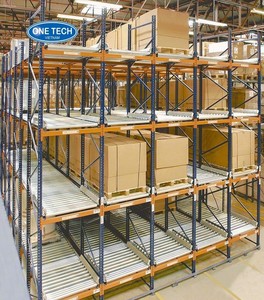
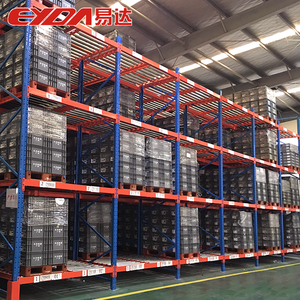
Our push back systems utilize stacked, nesting structural steel carts that glide on precision-machined inclined structural steel channel rails. When an initial pallet is deposited on the top nesting cart, the subsequent pallet gently pushes that cart backward into the bay, exposing the underlying carriage. We engineer up to 6-deep accumulation configurations, ensuring zero metal-on-metal scraping and eliminating internal frame binding through sealed flange bearing rollers.
Pallet return velocity is strictly governed by the inclined rail profile. Our structural engineering team calculates the natural rolling coefficient based on standard European wooden pallets (EUR/EPAL 1, 800 x 1200 mm) weighing up to 1,500 kg per load slot. A calculated inclination gradient between 2.5% and 3.0% balances smooth pallet flow toward the picking aisle without generating dynamic impact loads against the front mechanical stop gates.
For deep bay systems (4-deep to 6-deep), uncontrolled pallet acceleration poses risk to operator safety and product packaging. We integrate fail-safe dynamic centrifugal brake rollers directly into the heavy-duty cart guide rails. These units govern gravitational return speed to a predictable 0.25–0.30 m/s regardless of whether the pallet weighs 250 kg or 1,500 kg, preventing load shocks and carriage derailment during rapid retrieval.
Crucial Mechanical Insight for Swedish Engineers: Unlike traditional Drive-In systems where lift trucks enter the structural rack envelope, our Push Back design confines all forklift handling to the external aisle. This eliminates over 88% of upright impact damage, speeds up cycle turnaround by up to 400%, and conforms to Swedish Arbetsmiljöverket workplace safety directives.
High industrial real estate costs, freezing climatic requirements, and intense automated logistics make Sweden a premier market for customized push-back storage systems.
Cold chain facilities in Skåne, Helsingborg, and the Gothenburg logistics corridor face escalating refrigeration energy tariffs. Push back racking contracts cooling volume by up to 45% compared to selective racking by eliminating redundant forklift aisles. Equipped with synthetic low-temperature greases and cold-tolerant steel, our carts operate down to -30°C without mechanical seizure or structural embrittlement.
Jönköping, Hallsberg, and the Greater Stockholm-Eskilstuna corridor serve as central distribution epicenters for the entire Scandinavian territory. High SKU velocity and medium batch consistency demand rapid order turnaround. Push-back racking provides dedicated SKU accumulation per lane, allowing high-density buffer storage directly adjacent to cross-docking bays without double handling.
In Sweden's industrial manufacturing heartlands (Västra Götaland and Västmanland), component suppliers for automotive and industrial machinery utilize our heavy-duty push back systems. Engineered with reinforced structural steel beams and dynamic cart gussets, our systems easily hold 1,500 kg metal wire bins and non-standard parts containers without rail deflection.
How decarbonization targets, European safety directives, and warehouse automation dictate the design of modern Swedish push back storage installations.
Sweden maintains zero compromise on structural warehouse safety. Under the guidance of Arbetsmiljöverket (AFS 2006:4), all dynamic racking installations must undergo strict engineering limit state calculations. Our design team executes finite element analyses (FEA) compliant with SS-EN 15512:2020 (Steel static storage systems – Adjustable pallet racking systems – Principles for structural design) and equips each installation with clear load capacity notice plaques in Swedish, detailing exact cart load distributions, permissible deflection limits, and safety maintenance procedures under SS-EN 15635.
Swedish industrial corporations lead global indices in decarbonization and Corporate Sustainability Reporting Directive (CSRD) compliance. When procuring capital warehousing equipment, procurement teams require verifiable Environmental Product Declarations (EPD) and low Scope 3 emissions. We prioritize certified high-yield structural steel coils formed with clean energy, minimizing material weight through advanced roll-formed profile geometry without compromising structural yield strengths.
With Sweden experiencing some of Europe's highest operational labor costs, facilities across Katrineholm and Norrköping increasingly deploy autonomous counterbalanced reach forklifts and AGVs. Our push back frames feature specialized laser-aligned optical targeting reflectors, chamfered entry guides, and tight tolerance cart stops specifically calibrated for robotic pallet placement and retrieval without human intervention.
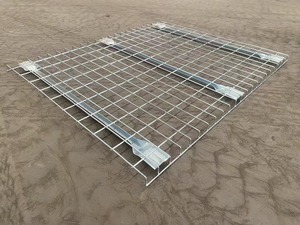
Under Swedish building regulations governed by Boverket, dense internal storage blocks require calculated longitudinal and transverse flue spaces to guarantee effective penetration of Early Suppression Fast Response (ESFR) ceiling sprinklers. Our custom nesting cart frameworks are designed with open wire or slotted steel cart decks, permitting unhindered water penetration and airflow while maintaining full load structural integrity.
Evaluate operational trade-offs, space efficiency, and capital investment requirements for Swedish logistics architectures.
| Storage System Type | Space Density | Access Principle | Picking Cycle Speed | Forklift Damage Risk | Cold Store Thermal Fit | Investment Level |
|---|---|---|---|---|---|---|
| Push Back Racking (OEM) | High (75-80%) | LIFO (Per Lane) | Fast (External Aisle) | Very Low (No entry) | Excellent | Moderate |
| Selective Pallet Racking | Low (40-45%) | 100% Direct Selectivity | Moderate (Deep travel) | Moderate | Poor (High m³ waste) | Low |
| Drive-In Racking | Very High (85%) | Strict LIFO | Slow (Mast in-lane) | Very High (Frame hits) | Good | Low - Medium |
| Radio Shuttle Cart System | Ultra High (90%) | FIFO or LIFO | Fast (Automated car) | Very Low | Good (Battery limited) | High (Sensors/Li-ion) |
| Pallet Flow (Live Storage) | High (85%) | Strict FIFO | Fast (Dual aisle) | Low | Excellent | High (Full rollers) |
Complete in-house manufacturing ownership guarantees micro-millimeter tolerance control, continuous roll-forming repeatability, and strict export knock-down packaging.
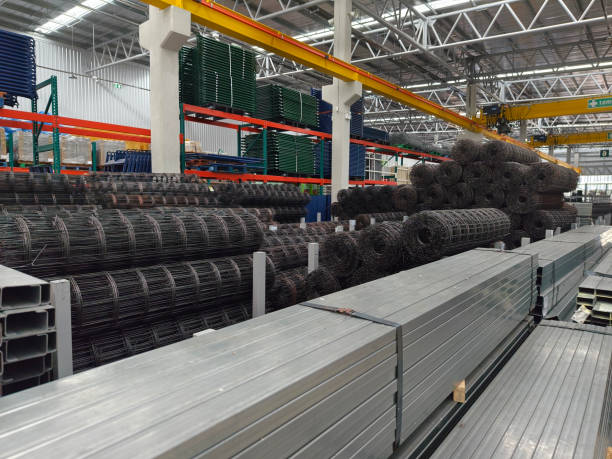
Certified high-tensile structural carbon steel coils tested for tensile yield, elongation, and cold bending resistance prior to slitting.
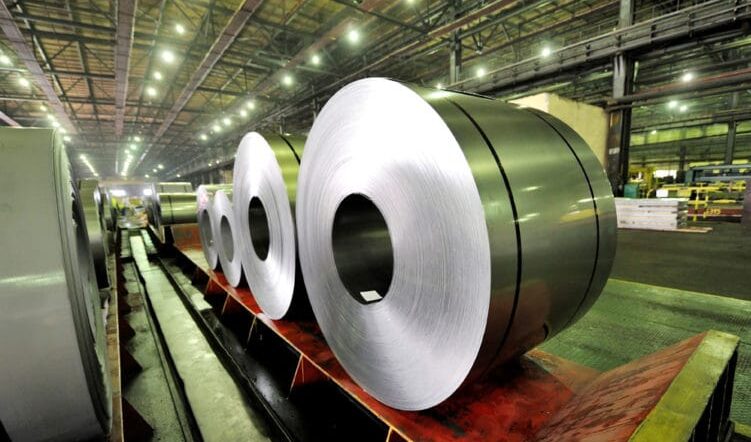
Continuous computer-controlled roll-forming lines shaping custom upright profiles with complex rib stiffeners for maximum torsional rigidity.
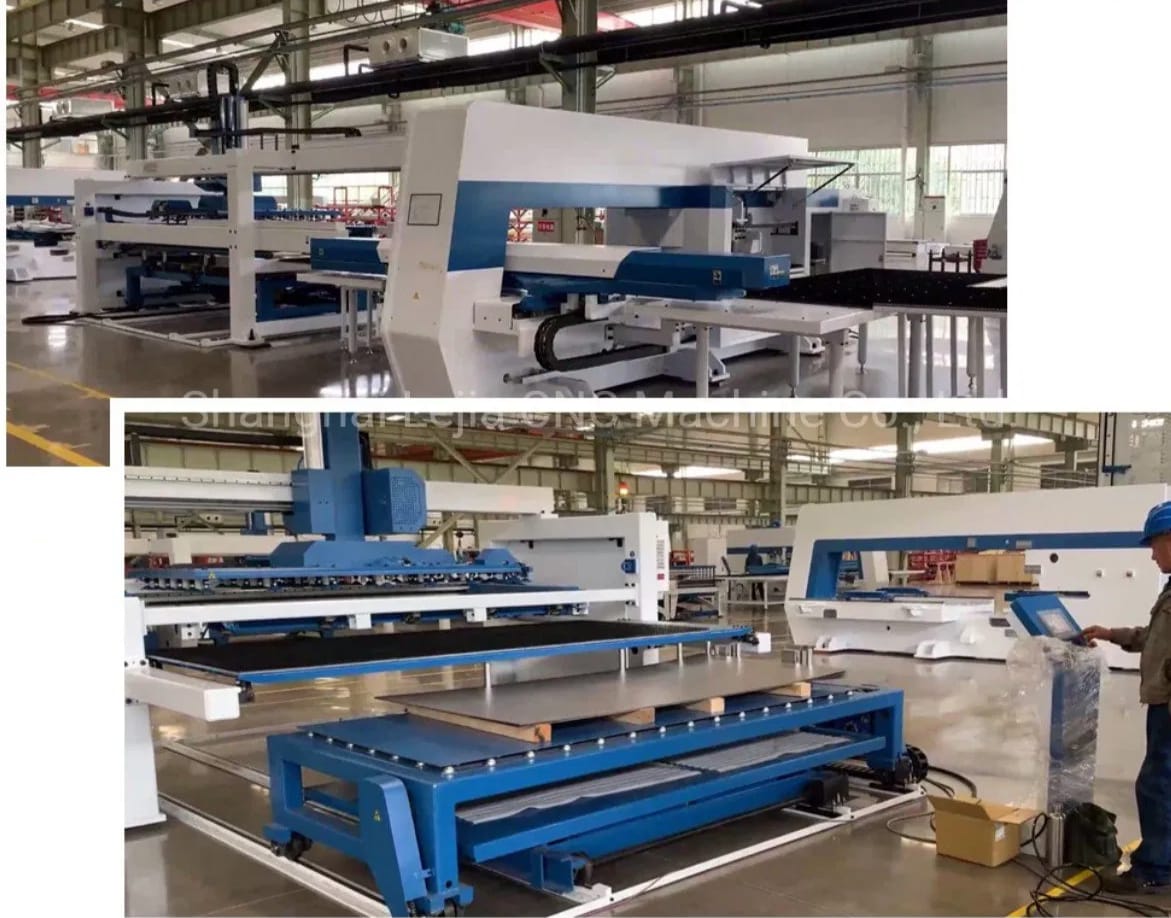
Ultra-repeatable 50mm and 75mm hole pitches punched dynamically along uprights to guarantee seamless carriage rail clip-in locking.
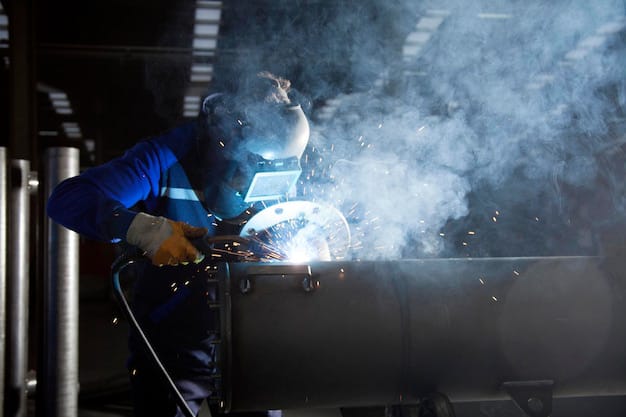
Welded nesting carts and frame connector brackets assembled by automated robotic fixtures to eliminate dimensional warping.
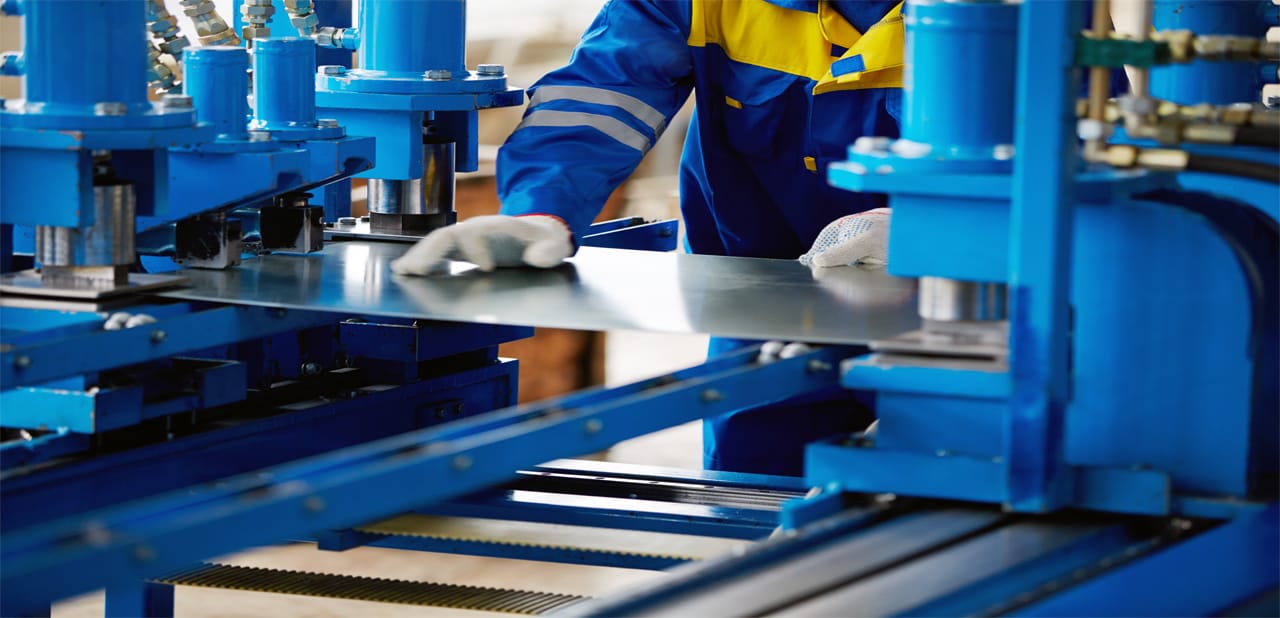
Heavy structural connectors, cart stoppers, and wheel bracket gussets stamped to precise geometrical tolerances.
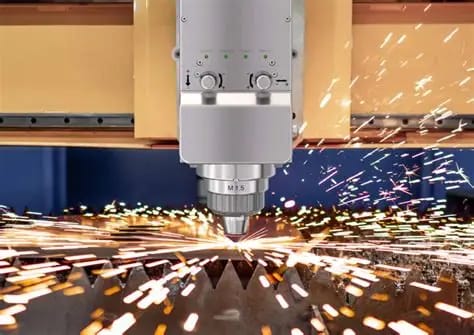
Mitered cuts and beam sizing executed with burr-free cold circular saws ensuring razor-straight joint alignment during on-site assembly.
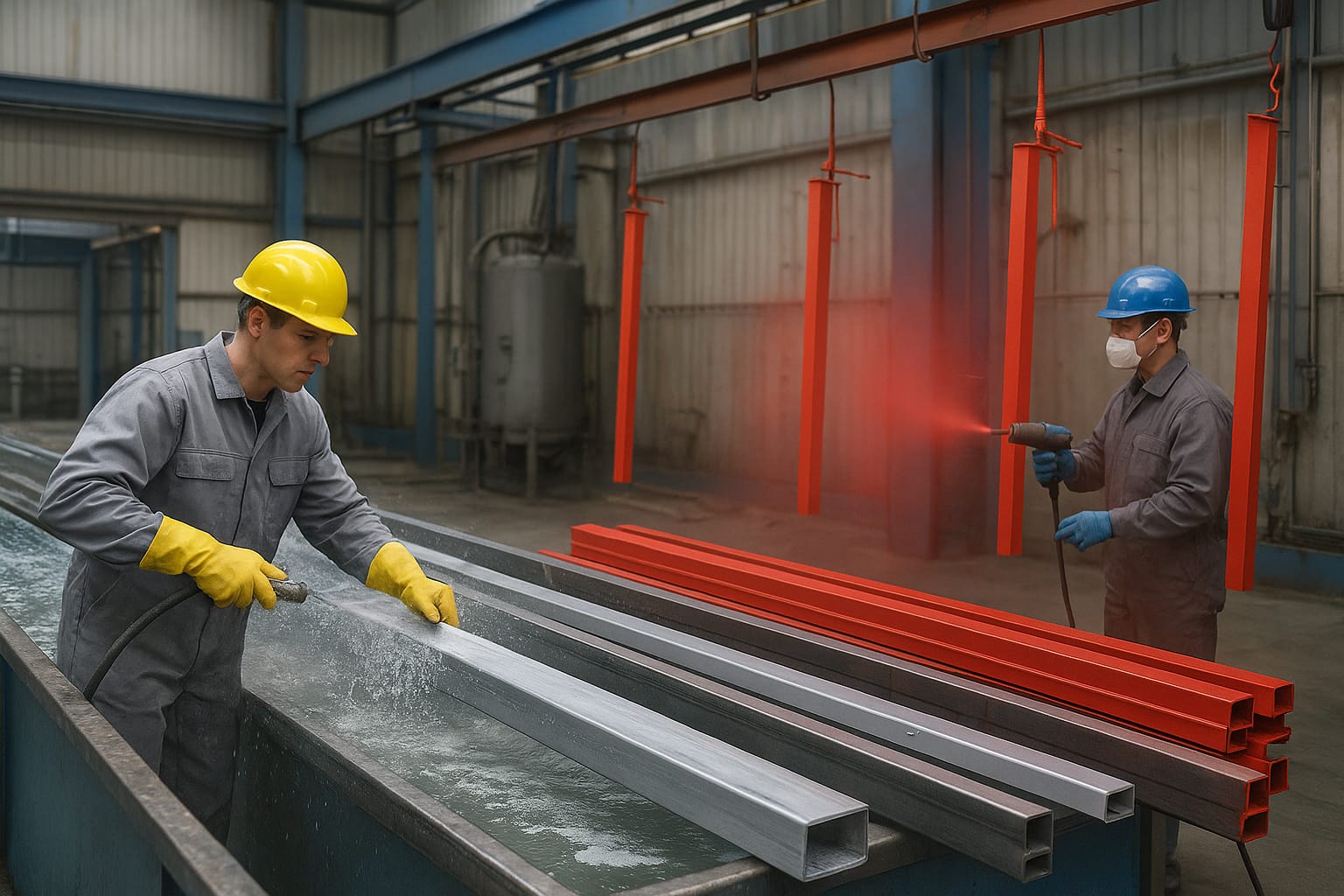
Multi-stage chemical washing and degreasing followed by high-durability electrostatic epoxy-polyester powder baking (80–120μm).
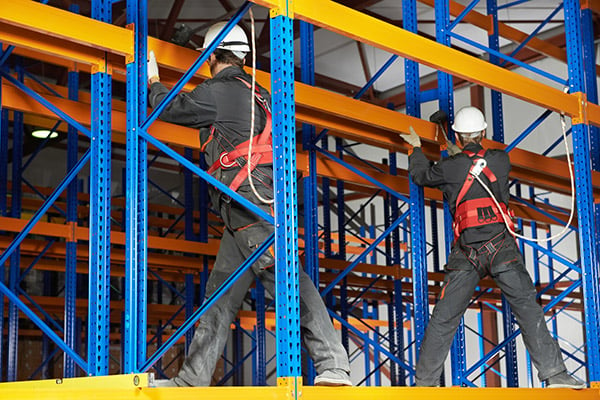
Heavy strapping, edge protectors, and waterproof crating prepared for intermodal sea/road shipment directly to Swedish project sites.
Authoritative technical answers to common queries regarding pallet standards, sub-zero operations, floor slab load calculations, and OEM fabrication lead times.