Engineered to withstand harsh thermal fluctuations, humidity condensation, and extreme sub-zero conditions (-30°C to +4°C). Select a solution below for detailed technical specs or request a custom CAD layout quote.
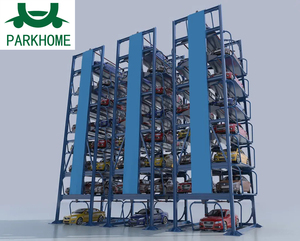
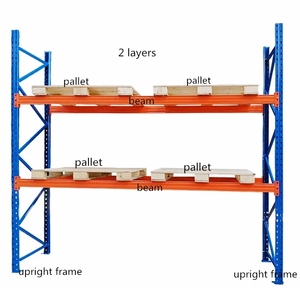
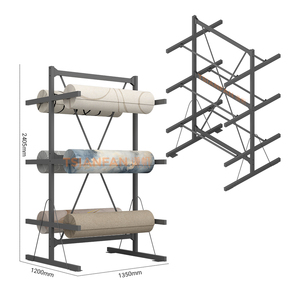
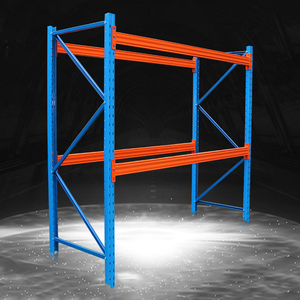
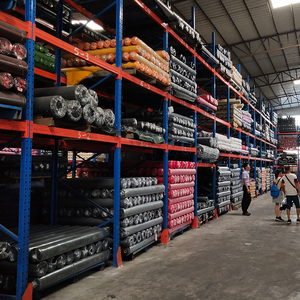
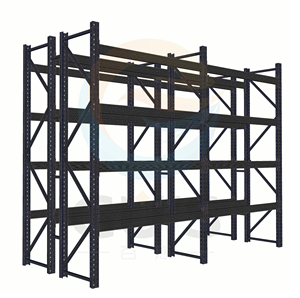
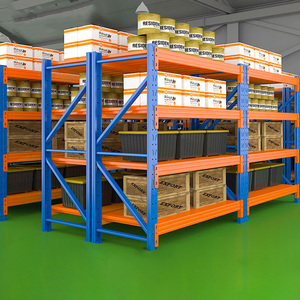
Operating temperature-controlled facilities in the tropical monsoon climate of Hanoi and the Greater Red River Delta presents unique thermal stresses. Our structural engineering addresses structural embrittlement, frost heave dynamics, and energy dissipation.
Standard structural mild steel (such as Q235B) experiences a ductile-to-brittle transition temperature (DBTT) when operating below 0°C, drastically increasing the catastrophic risk of shear fracture under forklift impact. For logistics sites serving Hanoi, Bac Ninh, and Hung Yen cold chains, we engineer cold-formed sections using certified low-temperature high-tensile structural steel (Q355D and Q355E equivalent to EN 10025 S355NL/ML). Our structural materials undergo stringent Charpy V-notch impact testing at -20°C and -40°C, verifying an impact energy rating above 27 Joules. This metallurgical integrity ensures frames absorb dynamic cyclic loading without brittle stress ruptures.
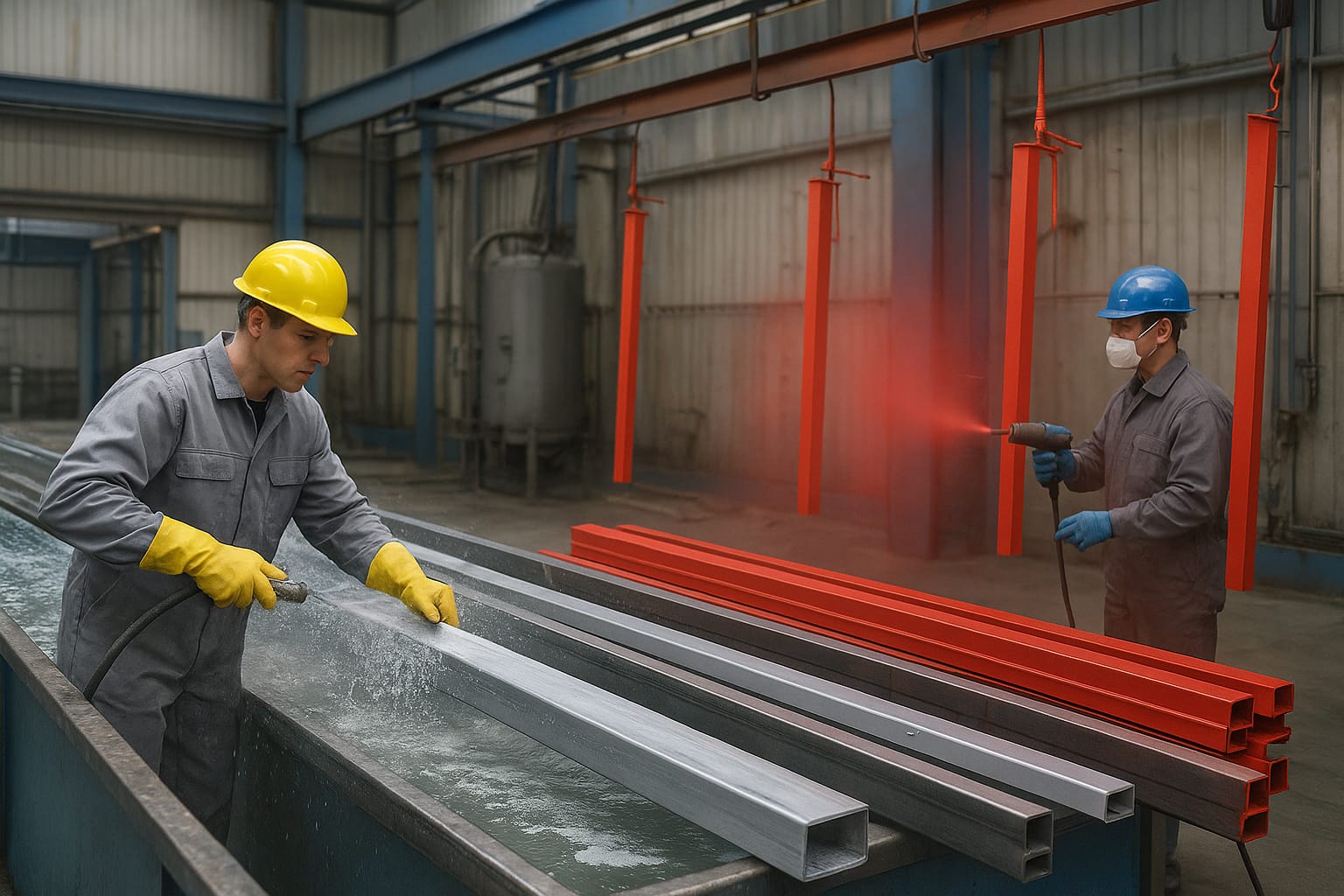
Condensation is the primary enemy in Northern Vietnam's cold storage infrastructure due to extreme ambient humidity exceeding 85% during seasonal "ồm" weather. When doors open, rapid atmospheric mixing triggers frost deposition and liquid pooling at beam joints. We offer Hot-Dip Galvanization (HDG) conforming to ISO 1461 with minimum coating thickness of 70–85 microns for sub-zero marine and seafood facilities, providing sacrificial cathodic protection across cut edges and punched slots. For high-throughput ambient-to-chilled distribution (+2°C to +8°C), our automated electro-static polyester-epoxy powder lines apply a thermosetting barrier over an anti-corrosion zinc phosphating pre-wash.
Cold store concrete floors in Greater Hanoi are constructed over multi-layer insulation slabs featuring sub-floor ventilation or heating grids. Sub-zero thermal penetration through steel baseplates can freeze subsoil moisture, leading to severe frost heave and vertical misalignment of uprights. Our engineering incorporates heavy-duty thermal-break polymer isolation pads beneath oversized base plates, halting thermal bridging into the slab. Furthermore, using seismic analysis under Eurocode 8 (EN 1998) and local Vietnamese seismic zones (TCVN 9386), anchor bolts are sized for high shear and tension without penetrating insulation moisture vapor barriers.
| Racking Architecture | Operating Temp Range | Volumetric Efficiency | Pallet Selectivity | Forklift / Handling Interface | Optimal Cold Chain Use Case in Hanoi |
|---|---|---|---|---|---|
| Drive-In / Drive-Through | -25°C to 0°C | High (65-75%) | LIFO / FIFO Lane-based | Reach Truck / Counterbalance | Bulk frozen meat, poultry, seasonal agricultural produce |
| Radio Shuttle Automation | -30°C to +5°C | Ultra-High (80-88%) | LIFO / FIFO Programmed | Standard Forklift + Autonomous Shuttle | High-throughput 3PL cold logistics hubs in Gia Lam & Bac Ninh |
| Mobile Powered Pallet Racking | -28°C to +4°C | Maximum (85-90%) | 100% Direct Selective | Standard Reach Truck | High land-cost urban cold depots in Inner Hanoi districts |
| Double Deep Selective | -20°C to +8°C | Medium-High (60-65%) | 50% Direct (2-deep) | Deep Reach Pantograph Truck | FMCG central refrigerated warehouses & beverage distribution |
| Push-Back Heavy Racking | -25°C to +2°C | High (70%) | LIFO Gravity Flow (2-6 Deep) | Conventional Counterbalance | Frozen seafood buffer consolidation prior to Haiphong export |
Strategic cold storage installations across the economic growth triangle of Hanoi, Hai Phong, and Bac Ninh require tailor-made racking architectures to maximize throughput while minimizing energy dissipation.
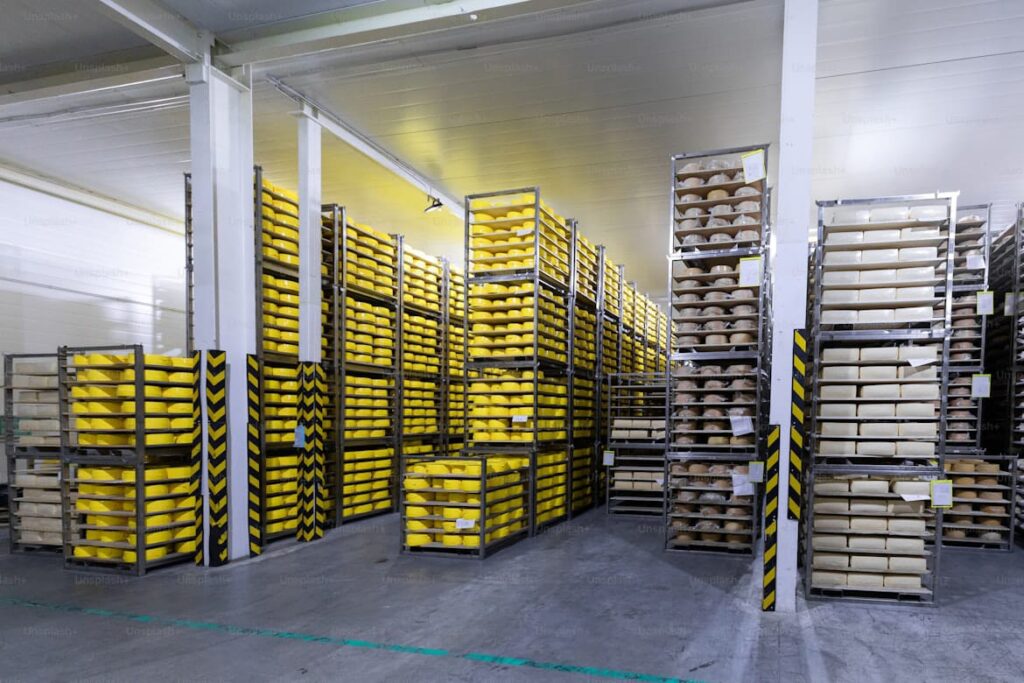
Certified bio-pharmaceutical warehousing located near Noi Bai International Airport requires precise GSP (Good Storage Practice) compliant layouts. Systems are engineered for +2°C to +8°C cold rooms and -20°C deep freeze medical storage with wire mesh decking to maximize laminar airflow and eliminate thermal hot pockets around temperature-sensitive vaccines and reagents.

Industrial parks flanking Highway 5 and the Hanoi-Hai Phong Expressway house major 3PL logistics facilities. Automated radio shuttle racking and high-bay narrow aisle systems (VNA) reaching 14 to 18 meters maximize storage cubic capacity, dramatically cutting operational refrigeration kilowatts per pallet position.
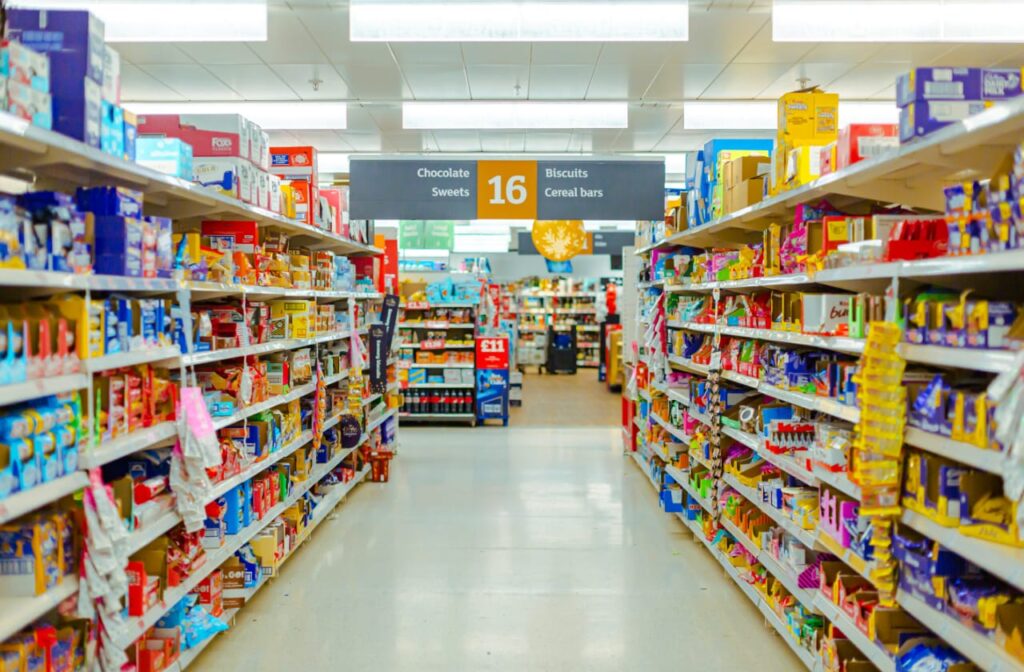
With Hanoi's modern retail sector expanding rapidly, urban micro-fulfillment centers require modular multi-tier mezzanine floors and heavy-duty carton live flow racking within chilled holding rooms, enabling ultra-fast picking rates for fresh produce, dairy, and ready-to-eat foods.
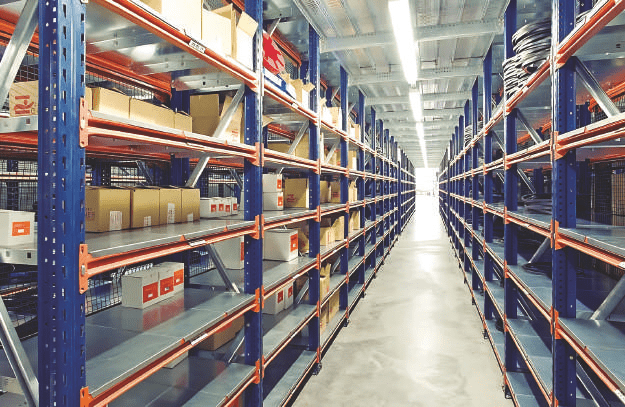
Connecting seafood harvests from Quang Ninh and Haiphong with agricultural yields from Son La and Bac Giang, cold processing centers in Hanoi use hot-dip galvanized drive-in and push-back systems that withstand corrosive salt-water drippage and severe chemical washdowns.
Market research indicates Vietnam's cold chain logistics market is projected to reach over USD 440 million by 2027. Operators in Hanoi are modernizing storage infrastructure to counteract three pivotal economic and logistical shifts.
Refrigeration accounts for up to 60-70% of total electrical expenditure in cold storage operations across Hanoi. Under EVN (Electricity of Vietnam) industrial peak pricing tiers, low-density storage creates unsustainable overhead. This has triggered an aggressive market transition from conventional selective racking toward compact, high-density configurations such as Radio Shuttle and Mobile Racking, which increase cubic utilization from 45% to over 85%, reducing energy loss per pallet by up to 35%.
Industrial land leasing rates in key logistics clusters like Long Bien, Me Linh, and Bac Ninh have experienced double-digit compound annual growth. To justify capital investment, logistics developers are designing cold storage facilities with clear roof heights extending from 12 meters to over 24 meters. High-bay racking frameworks engineered with custom heavy-duty upright sections (up to 120mm profile width and 3.0mm thickness) provide the structural safety needed for extreme vertical loads.
Extended labor inside -25°C blast freezers leads to worker fatigue, frequent operational rest breaks, and higher forklift accident rates. Hanoi 3PL operators are actively deploying semi-automated and fully automated AS/RS racking systems. By minimizing human dwell time in sub-zero chambers, operators preserve thermal seals, reduce forklift damage to uprights, and improve operational safety compliance under Vietnamese occupational standards.
Signature Racking Systems operates a comprehensive industrial production complex in Ajman Free Zone, UAE, delivering high-precision structural racking direct to port of Haiphong for deployment across Hanoi.
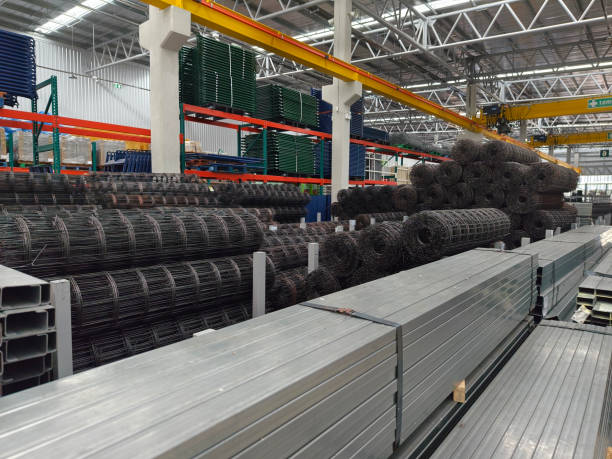
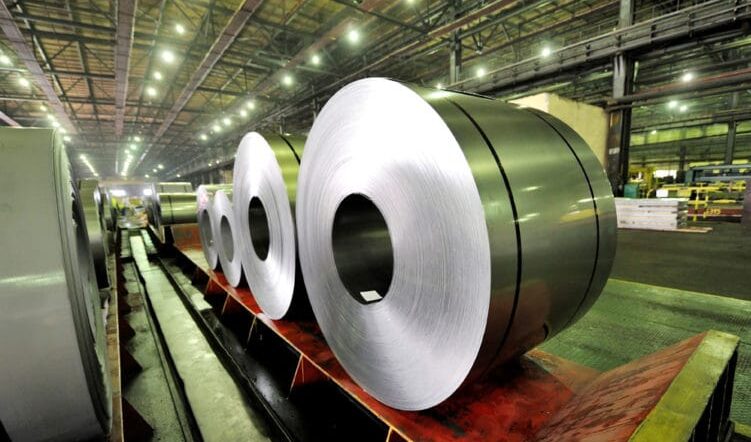
Every upright, beam, brace, and deck is formed in our factory under strict ISO 9001 quality supervision. Continuous computerized roll-forming lines shape structural profiles with tighter cross-sectional tolerances, while automated CNC punching guarantees exact hole pitch repeatability (50mm / 75mm increments). This precision allows seamless modular assembly on site without on-site cutting or welding in cold storage rooms.
We do not rely on generic catalogue load charts. Every racking configuration engineered for clients in Hanoi undergoes finite element structural analysis (FEA) based on EN 15512, RMI, and FEM standards. Our structural engineers simulate full dynamic pallet loads, seismic accelerations, thermal contraction forces, and forklift impact scenarios to provide stamped design verification documents.
All cold storage rack components are bundled using reinforced steel strapping, edge corner guards, waterproof stretch wrapping, and timber dunnage engineered for containerized maritime transit. Direct shipping routes from Jebel Ali to Haiphong Port ensure competitive ocean freight rates, fast transit schedules, and complete export documentation (Bill of Lading, Certificate of Origin Form B/ICO, Mill Test Certificates).
Technical, logistical, and commercial inquiries answered by our structural engineering and export division.
Ordinary mild steels become brittle below freezing temperatures. For all cold rooms operating below 0°C, our engineering team mandates high-tensile structural steel grades (such as Q355D or Q355E, complying with European standard S355NL/ML). These grades undergo rigorous Charpy V-notch impact testing at -20°C and -40°C, ensuring energy absorption exceeding 27 Joules. This guarantees the rack frame retains dynamic plasticity and absorbs inadvertent forklift impacts without catastrophic brittle fractures.
During Hanoi's seasonal high-humidity periods ("mùa nồm"), condensation frequently forms when ambient air enters through dock doors. For seafood, meat, and wash-down blast freezers, we strongly recommend Hot-Dip Galvanization (HDG) per ISO 1461 (70–85 microns), which provides lifetime cathodic sacrificial protection. For standard dry cold rooms (-18°C to +4°C) with managed dehumidification, our automated electro-static powder coating with epoxy-polyester hybrid powder over zinc-phosphated steel offers cost-effective, long-term durability without peeling.
Cold store slabs consist of a reinforced concrete wear slab, high-density insulation panels (PIR/XPS), vapor barriers, and a structural sub-slab. Anchors must never penetrate through the insulation layer into the sub-slab, as this ruptures the vapor barrier and triggers subsoil freezing and frost heave. We design upright baseplates with engineered anchor patterns utilizing chemical resin anchors or mechanical expansion bolts calibrated specifically to the wear slab thickness (typically 150mm to 200mm), isolated with high-density thermal break shim plates.
Components are manufactured and containerized at our Ajman Free Zone manufacturing plant. Standard manufacturing lead time is 3 to 5 weeks depending on project tonnage. Ocean freight from Jebel Ali to Haiphong Port takes approximately 18 to 24 days. From Haiphong, customs clearance and trucking along National Route 5 or the Hanoi-Hai Phong Expressway delivers components to your job site in Hanoi, Bac Ninh, or Hung Yen within 48 hours. We quote FOB, CIF Haiphong, or DDU project site.
Yes. Every project includes comprehensive structural calculation reports prepared by our in-house engineering team, conforming to EN 15512, FEM 10.2.02, and ANSI/RMI MH16.1. For Vietnamese regulatory approvals, calculations can be cross-checked against Vietnamese building standards (TCVN) including seismic provisions under TCVN 9386. Detailed CAD installation drawings, load signage plaques, and component inspection sheets are provided with every shipment.
Improper pallet spacing causes stagnant warm air pockets, forcing refrigeration compressors to run continuously and driving up EVN electricity bills. We engineer rack flue spaces (longitudinal flues of 150mm to 200mm and transverse flues between pallets) and incorporate open wire mesh decking or perforated galvanized panels. This ensures unimpeded vertical and horizontal airflow, maintaining uniform temperatures across all pallet tiers while reducing cooling runtime by up to 15%.
Absolutely. Our high-density shuttle racking rails are roll-formed with millimetric precision to interface seamlessly with all leading international radio shuttle carts. For conventional selective, double deep, and drive-in systems, beam levels and clear entry widths are customized exactly to your reach trucks, VNA articulated trucks, or counterbalanced forklifts, including standard heavy-duty column impact guards and floor guide rails.
We provide comprehensive installation manuals, 3D CAD step-by-step schematics, torque specifications, and bolt-tightening sequences. For large-scale projects across Greater Hanoi and Northern Vietnam, we can dispatch experienced project engineers to oversee local assembly teams, supervise leveling, plumb alignment, torque audits, and sign off on final commissioning handovers.
Submit your warehouse architectural drawings, pallet load requirements, and target room temperatures. Our structural engineers will generate a complimentary CAD layout and load-engineered proposal within 48 hours.