Heavy Duty
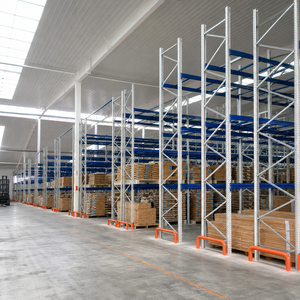

Engineered using high-strength Q235B and Q355B structural steel, our automated and high-density racking units are fully tailored for heavy SKU distribution across Chile, from Santiago distribution centers to Puerto Montt cold stores.
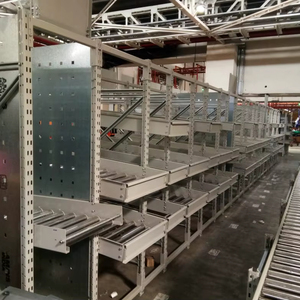
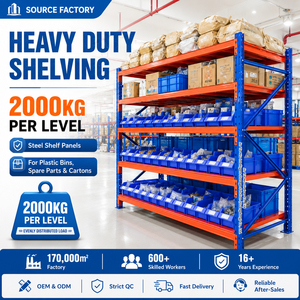
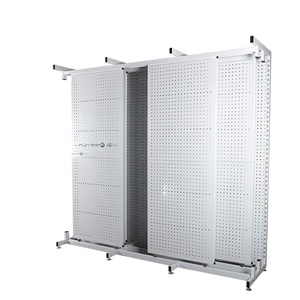
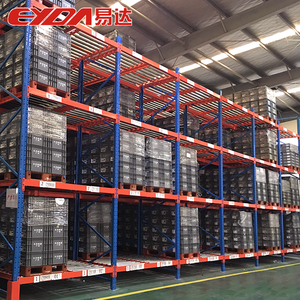
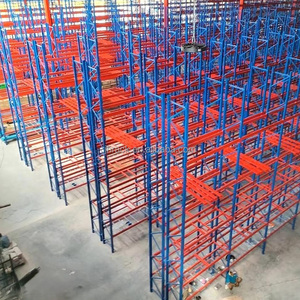
In modern supply chain engineering, the Radio Shuttle Racking System (also referred to across South America as Carro Satélite or Sistema Shuttle Pallet) represents the pinnacle of high-density semi-automated material handling. Unlike conventional Drive-In racking—which forces counterbalance or reach forklifts to physically enter structural bays, increasing structural collision hazards and driving cycle times upwards—the radio shuttle system utilizes an independent, self-powered robotic shuttle cart running on dedicated interior longitudinal rails.
For Chilean industrial facilities, where seismic safety codes (specifically NCh 2369.Of2003 for industrial equipment and NCh 433 for building structures) mandate strict ductility and dynamic horizontal load limits, radio shuttle racking presents an extraordinary mechanical advantage. By eliminating forklift traffic within the rack bays, upright frame bracing can be configured continuously throughout the depth of the system, radically enhancing lateral and longitudinal rigidity under seismic excitation.
| System Metric | Radio Shuttle Racking | Drive-In Racking | Push-Back Racking | Selective Pallet Racking |
|---|---|---|---|---|
| Cubic Storage Utilization | Up to 85% | 60% - 65% | 65% - 70% | 40% - 45% |
| Operational Throughput | Very High (Shuttle speeds ≥ 1.0 m/s) | Low (Forklift enters rack) | Moderate (Gravity return) | High (Direct access) |
| Seismic Rigidity (Chile Zone 3) | Superior (Full Cross-Bracing) | Critical (Zero internal bracing) | Moderate | Standard |
| Cold Storage Energy Efficiency | Maximum (Smallest cubic volume) | Moderate | Moderate | Poor (High wasted airflow) |
| Fulfillment Logic | FIFO or LIFO Reconfigurable | Strictly LIFO | Strictly LIFO | 100% Direct Access |
| Pallet Damage Probability | < 0.1% (Automated handling) | High (Upright mast impacts) | Moderate (Inclined slide) | Low |
Replacing Drive-In systems with Radio Shuttle units in cold storage facilities around the Central Valley and Region Metropolitana reduces refrigeration power consumption by an average of 22% to 31% per stored pallet position. The elimination of forklift aisles traps chilled air inside compact multi-deep honeycomb matrices, curtailing thermal loss through door cycles.
Chile is situated along the boundary where the Nazca Oceanic Plate subducts beneath the South American Plate, making it one of the most seismically volatile logistics environments in the world. As an authoritative manufacturer with over two decades of in-house roll-forming and structural engineering experience, our seismic-grade radio shuttle systems are specifically designed to calculate dynamic forces pursuant to NCh 2369.Of2003 (Seismic Design of Industrial Structures and Facilities).
We roll-form cold-formed uprights and load-bearing beams from virgin, certified micro-alloyed steel (Yield Strength ≥ 355 MPa, Tensile Strength up to 510 MPa) guaranteeing high ductility during major seismic accelerations.
Heavy-duty, laser-cut seismic baseplates (thickness 12mm to 20mm) distribute dynamic shear and overturning moments into warehouse concrete slabs via Hilti chemical anchors or high-tensile mechanical wedge anchors.
Unlike open-portal systems, our shuttle racking channels internal vertical and horizontal diagonal cross-bracing directly across the rear and spine lanes, dissipating torsional vibrations across the entire racking block.
Our CAD and structural calculation engineering protocols verify the maximum design acceleration parameters ($A_0 = 0.40g$ in Coastal Seismic Zone 3, including San Antonio, Valparaíso, and Talcahuano; $A_0 = 0.30g$ in Zone 2 including Santiago). Finite Element Analysis (FEA) is conducted on each project, certifying that elastic drift and P-Delta secondary effects remain well within Chilean regulatory tolerances.
Industrial logistics infrastructure in Chile is uniquely regionalized, driven by intense agricultural exports, marine fisheries, nationwide retail distribution, and heavy mining supply chains. Our radio shuttle installations are specifically configured to match these geographic realities:
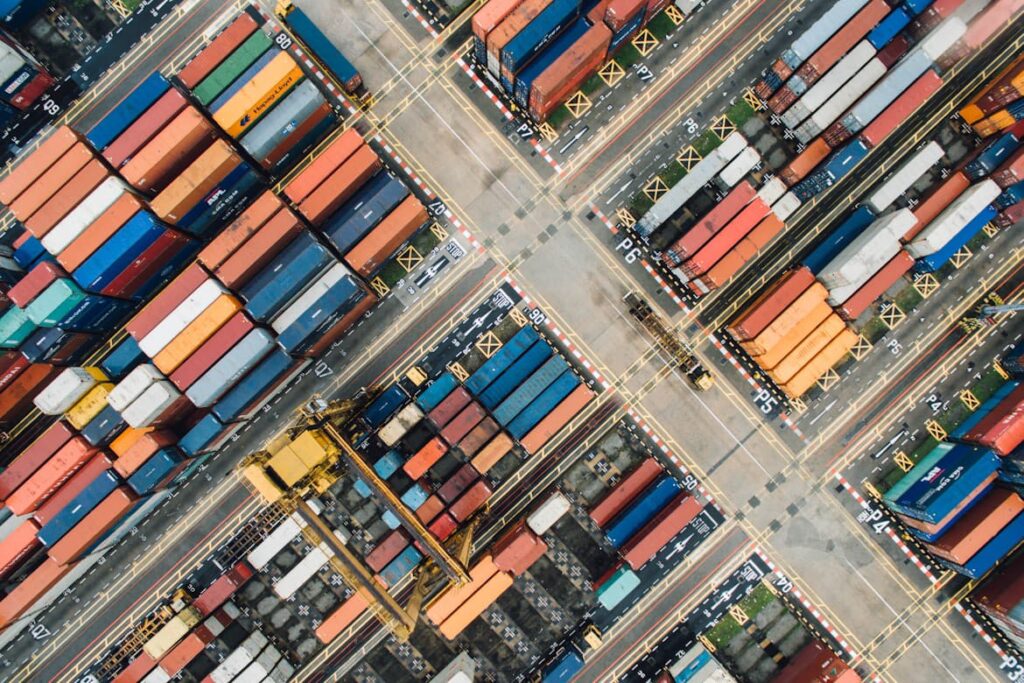
Chile is the world's leading exporter of fresh cherries, table grapes, and premium wines. These temperature-sensitive goods face intense seasonal production bursts where hundreds of thousands of pallets must be blast-frozen, packed, and palletized for export via the Port of San Antonio and Port of Valparaíso.
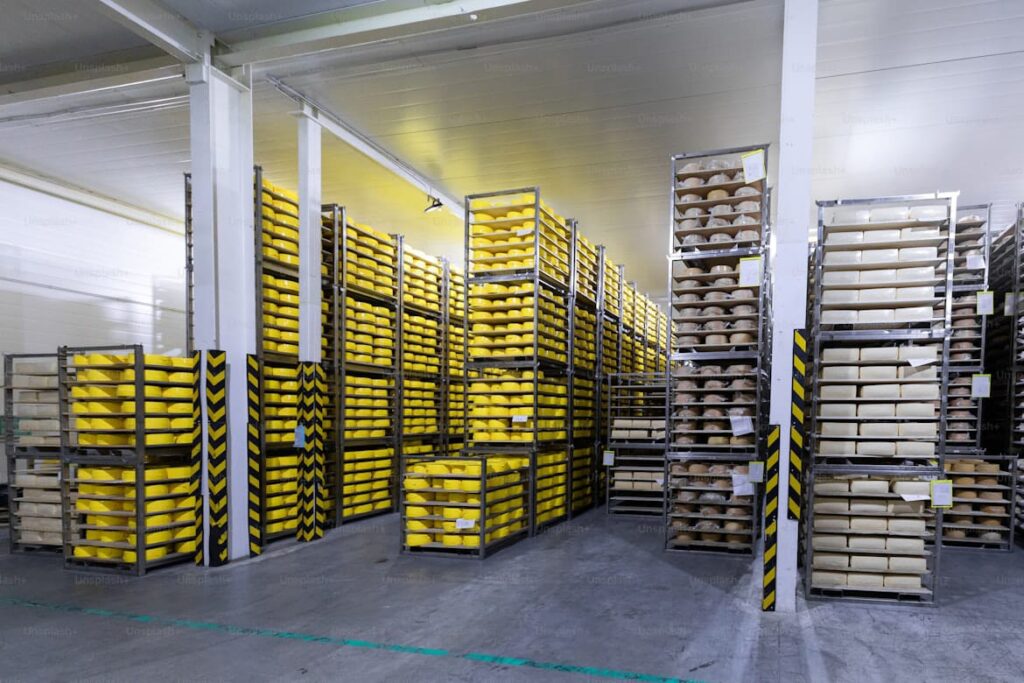
Our radio shuttle racking provides 40-pallet deep channels in cold storage chambers operating at 0°C to -2°C. Using programmable FIFO (First-In, First-Out) logistics modes, packers ensure that the earliest-harvested fruit lots are automatically presented to loading docks for fast container stuffing, avoiding spoilage and bottlenecks.
Real estate land prices in Santiago's primary industrial zones have escalated sharply over the last decade. E-commerce platforms, 3PL distributors, and major supermarket chains (such as Falabella, Cencosud, and Walmart Chile) require maximum storage capacity within tight real-estate footprints.
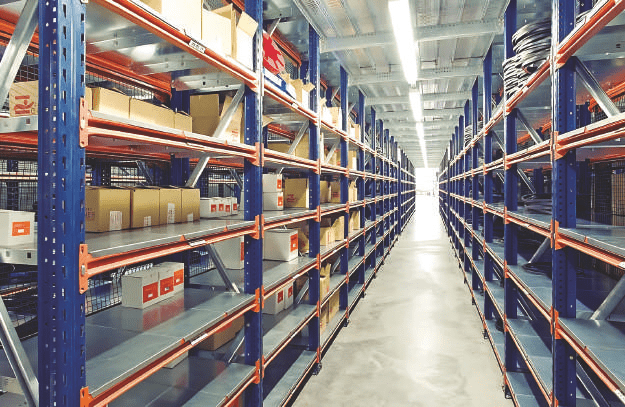
Radio shuttle racking allows vertical expansion up to 14 meters in clear ceiling warehouses. Forklifts operate only along central perimeter transfer aisles, doubling SKU storage capacity compared to selective pallet racks while slashing pallet handling labor expenses by more than 40%.
Puerto Montt and the Chiloé archipelago form the heart of Chile's billion-dollar Atlantic salmon export sector. Processed salmon fillets and whole frozen fish are preserved in massive deep-freeze blast freezers at -25°C to -30°C.
Our specialized cold-store shuttle units are engineered with hermetically sealed circuit boards, IP65-rated moisture-resistant housings, low-temperature gear lubricants, and automated internal heating strips. High-capacity Lithium Iron Phosphate (LiFePO4) batteries guarantee 8 to 10 hours of uninterrupted continuous operation per charge even under freezing atmospheric conditions.
Chilean industrial operators are leading South America in transitioning from manual distribution toward automated supply chains. As supply chain directors evaluate infrastructure investments, three distinct trends dominate:
Chile's stringent decarbonization policies and ESG benchmarks are forcing cold stores to eliminate fossil-fueled equipment. Semi-automated shuttles operate on zero-emission battery power, reducing the ventilation overhead required inside enclosed warehouses.
Modern Chilean distribution centers link their Enterprise Resource Planning (SAP, Oracle) directly with shuttle carts via industrial Wi-Fi or 433MHz point-to-point radio signals, tracking pallet positions and inventory weights in real time without human data entry.
Under the enhanced China-Chile Free Trade Agreement (TLC Chile-China), certified industrial machinery and structural steel racking manufactured in China enter Chilean ports (San Antonio, Valparaíso) at 0% custom tariffs (Arancel 0%) under Form F documentation.
Unlike commercial trading brokers or middleman agents, our operations are anchored by an advanced heavy-engineering manufacturing base with over 20 years of dedication to structural storage systems. Our internal production workflow controls every single stage of fabrication, guaranteeing dimensional precision, structural safety, and unyielding delivery commitments.
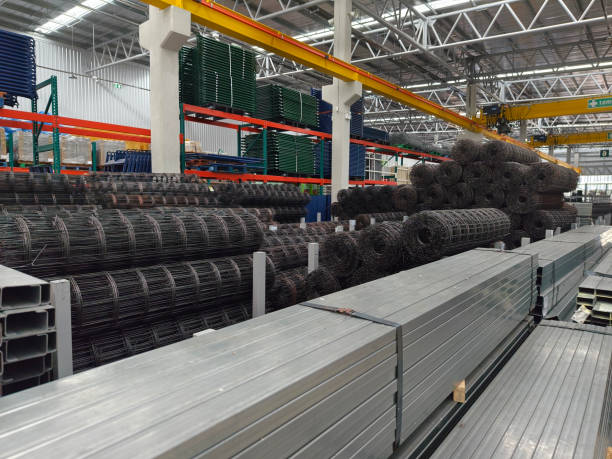
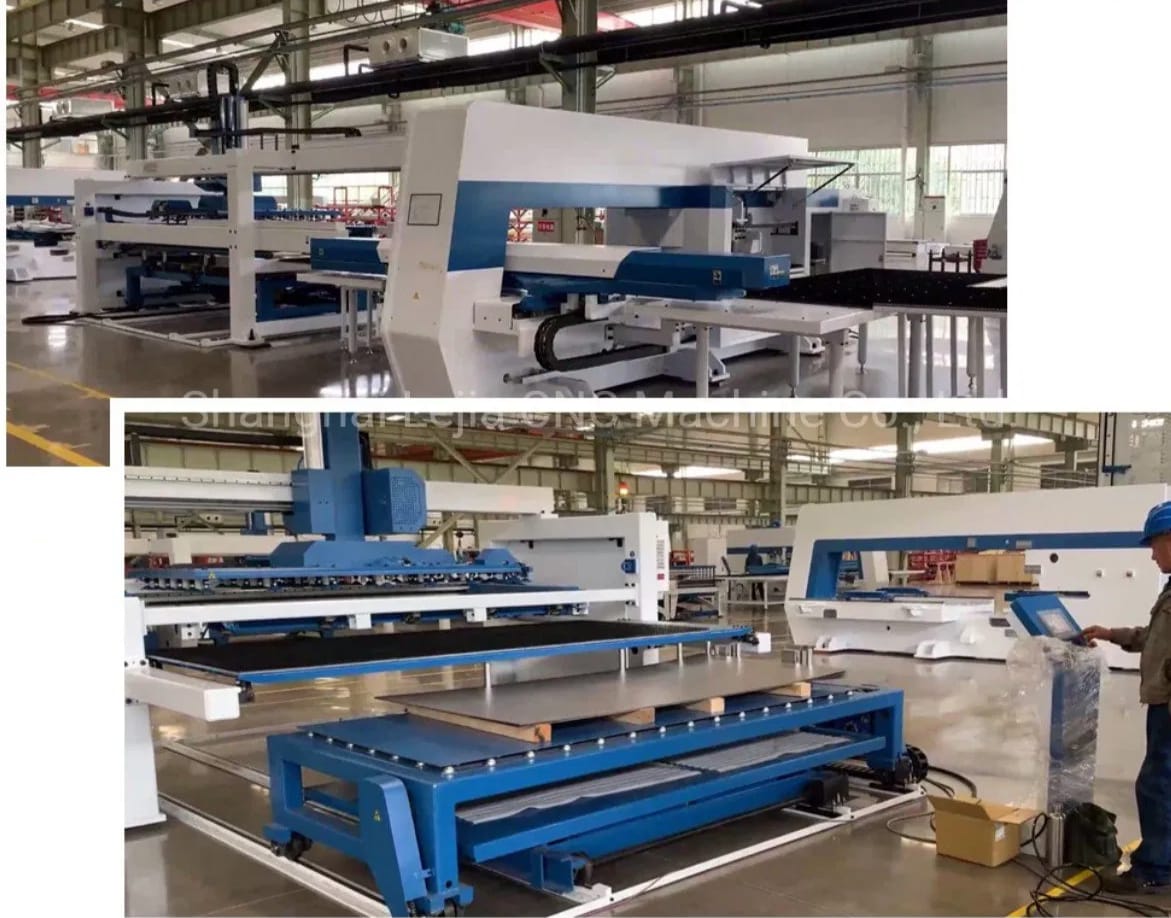
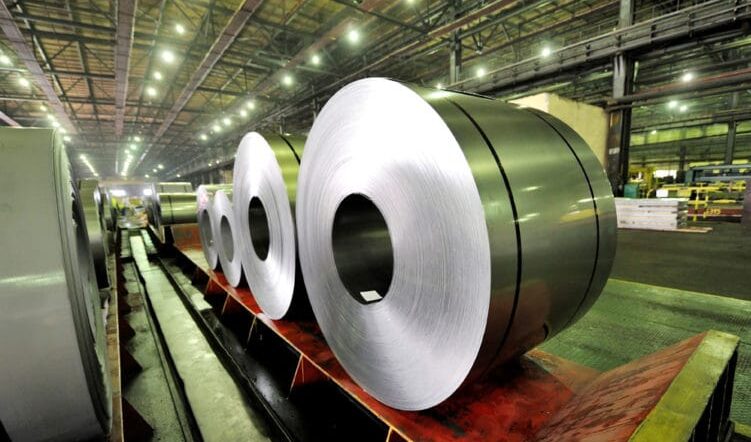
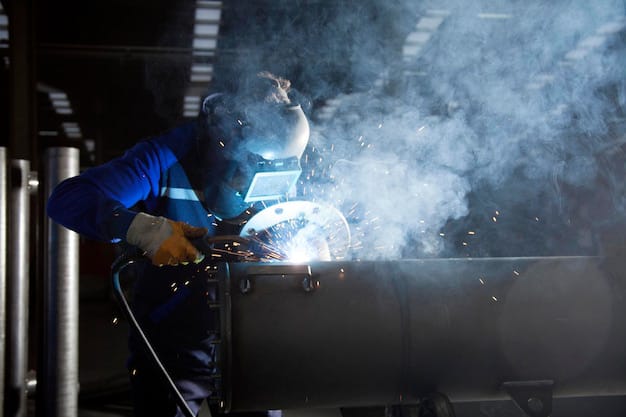
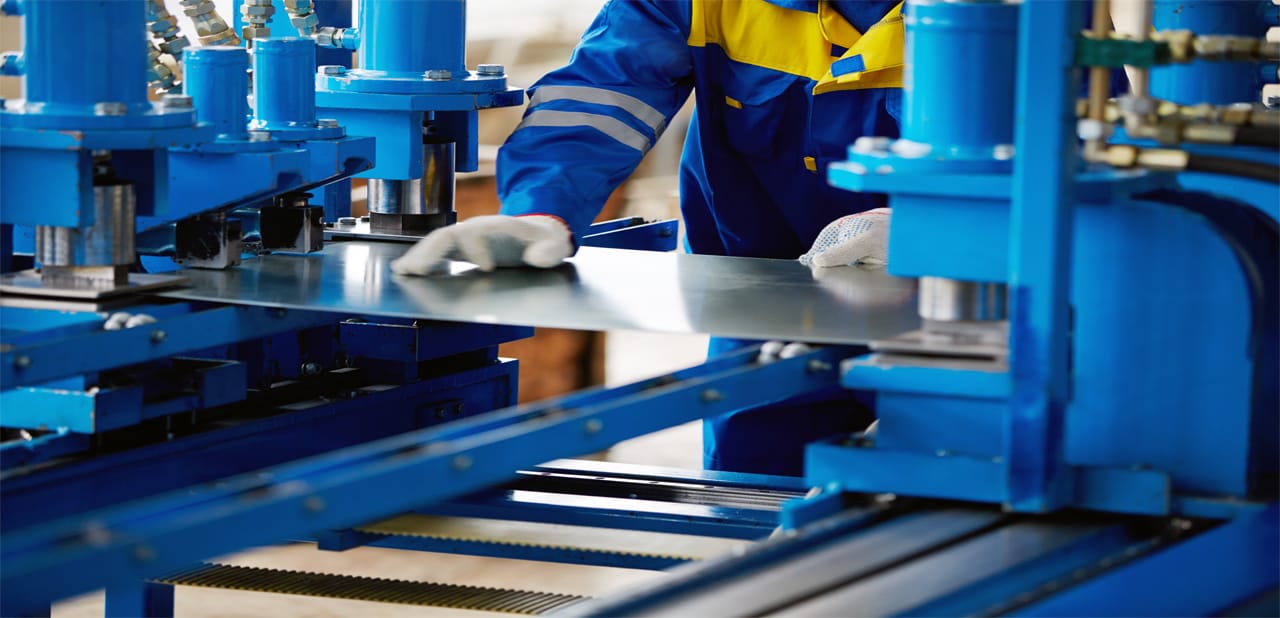
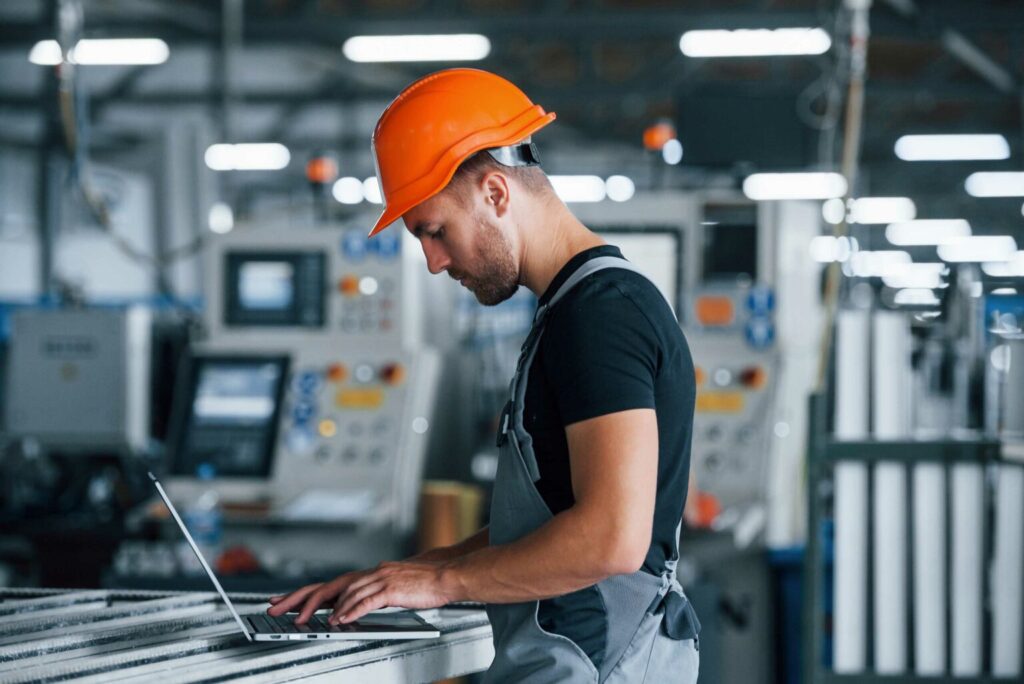
Every racking upright, load rail, support bracket, and shuttle shuttle cart profile is modeled via advanced CAD / Tekla 3D software to fit your specific building column grid, slab capacity, and ceiling trusses.
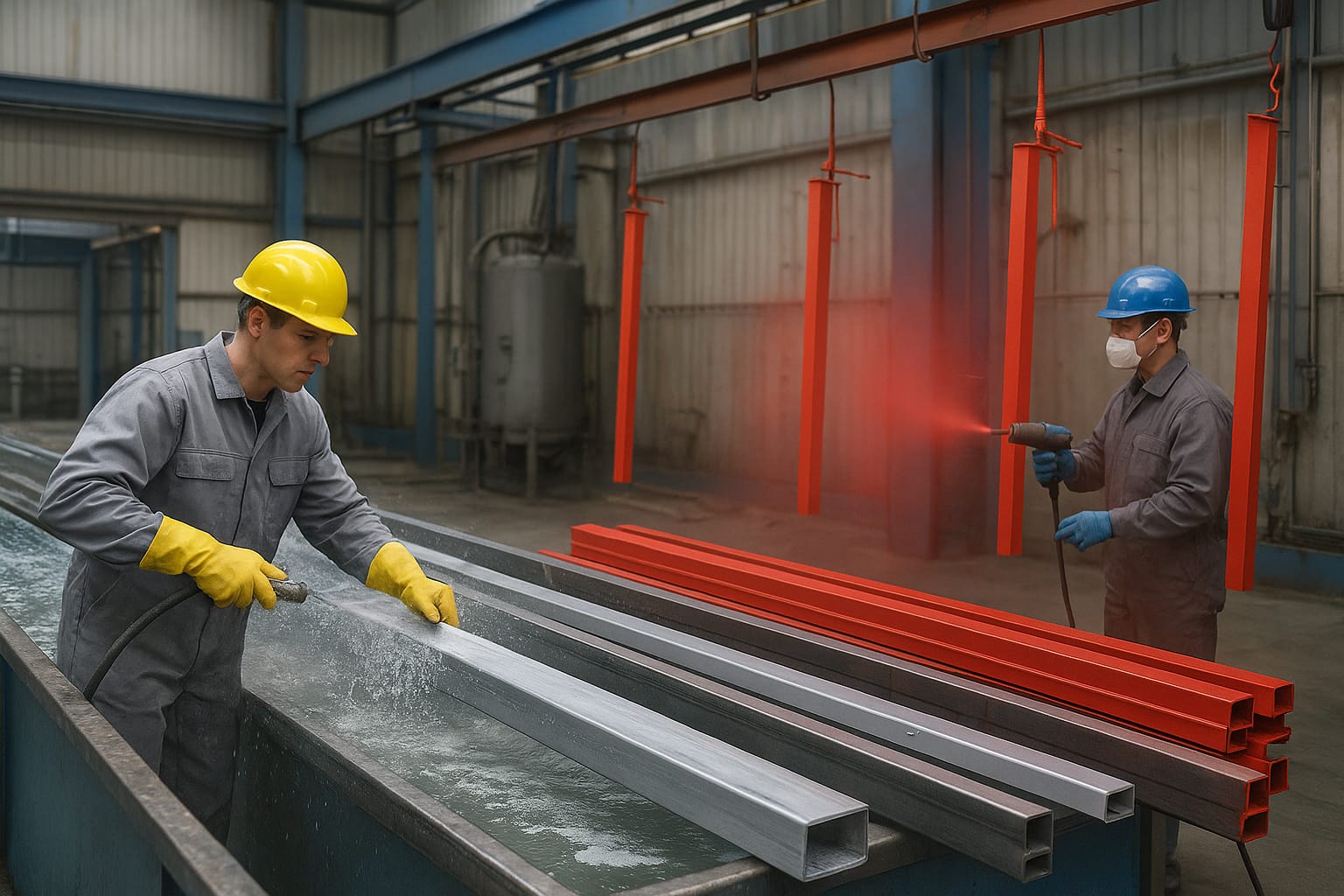
Components undergo hot-alkaline degreasing, zinc phosphating, and automated electrostatic thermosetting powder coating (average thickness 70-90 μm) or heavy-duty hot-dip galvanization for aggressive cold-store condensation.
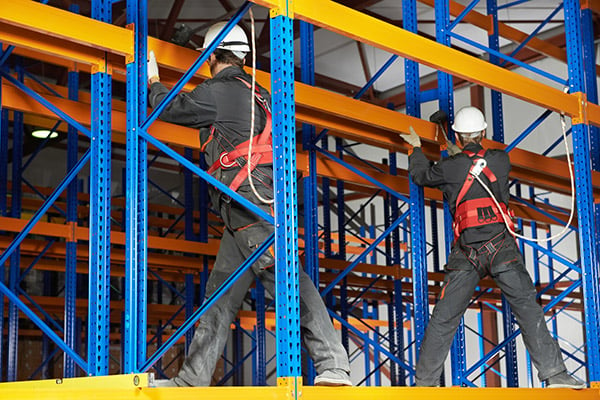
We supply steel knockdown modules in robust steel-strapped bundles with protective plastic wrapping. Full installation drawings, 3D assembly guides, and supervisor dispatch to Chilean project sites guarantee flawless commissioning.
Essential regulatory, structural, logistics, and technical answers for supply chain executives and operations directors sourcing direct from China.
Our structural engineers calculate racking frames using finite element dynamic simulation based on the spectral acceleration ($A_0$) and seismic zone parameters specified in NCh 2369.Of2003. We reinforce vertical columns with cold-formed omega-sections or box-welded profiles, incorporate enlarged 16mm-20mm baseplates anchored deep into the concrete slab, and design horizontal-to-vertical cross-bracing patterns to ensure structural ductility ($R$) and prevent progressive collapse during an 8.0+ magnitude earthquake.
Yes. Our shuttle carts and custom-formed galvanized guiding rails are engineered for dual-purpose versatility. They seamlessly handle standard Chilean industrial pallets (1000mm x 1200mm, commonly known as Pallet Estándar / Americano) as well as Euro-pallets (800mm x 1200mm) with nominal dynamic load ratings of 1,000 kg, 1,500 kg, or up to 2,000 kg per position without manual mechanical adjustment.
Thanks to the China-Chile Free Trade Agreement (TLC), industrial steel storage racks and automated material handling equipment manufactured in our facility qualify for 0% customs import duty (Arancel Cero) under Chilean HS codes (such as 7308.9000 and 8428.9000). We provide fully verified Certificate of Origin Form F, Commercial Invoices, and Bill of Lading (B/L) to eliminate import tariff liabilities at Chilean Customs (Aduanas de Chile).
For cold-chain facilities in O'Higgins, Maule, and Puerto Montt, we equip our shuttles with low-temperature Lithium Iron Phosphate (LiFePO4) battery packs featuring internal thermal monitoring and self-regulating internal heating films. Unlike lead-acid or standard ternary lithium cells that suffer rapid voltage drop in freezing conditions, our cold-store packs retain 85%+ energy density at -25°C to -30°C, offering 8 to 10 hours of continuous operations on a fast 2.5-hour recharge cycle.
Manufacturing turnaround typically takes 25 to 35 days depending on the total tonnage and number of shuttle units. Ocean freight transit from major Chinese container ports (Ningbo, Shanghai, or Shenzhen) directly to the Port of San Antonio or Port of Valparaíso takes approximately 28 to 35 days on direct Pacific routes. Total project timeline from signed engineering approval to jobsite delivery in Santiago averages 8 to 10 weeks.
Yes. We offer complete technical documentation in both English and Spanish, including structural anchor maps, bolt torque specifications, and step-by-step CAD installation sequences. For major warehouse setups, we dispatch bilingual commissioning engineers to supervise the erection crew, level the guide rails via optical laser transits, program Wi-Fi channel handshakes, and conduct full Factory Acceptance Testing (FAT) with your facility team.
Consult directly with our structural engineering team. We supply full layout CAD proposals, seismic calculation summaries, and competitive factory-direct wholesale pricing for cold stores, logistics operators, and general industry.