Deep Lane ASRS
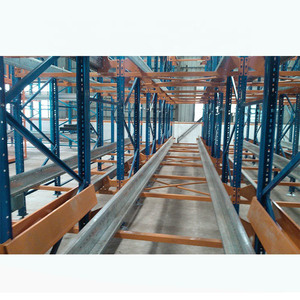
Three-Dimensional Intensive Storage Shuttle Racking System
- Payload: 1,500 kg/pallet (3,300 lbs)
- Ideal for cold storage down to -25°C
- FIFO / LIFO radio shuttle automation
Direct manufacturer supply designed to maximize cubic storage, comply with Massachusetts 780 CMR structural provisions, and streamline high-velocity operations across Greater Boston.
Why New England distribution hubs, biotech manufacturers, and cold storage operators along I-95/Route 128 and I-495 are turning directly to high-capacity Chinese manufacturing mills.
The Greater Boston industrial market represents one of the most space-constrained logistics corridors in North America. Driven by rapid biopharmaceutical conversion of light industrial buildings in Middlesex and Norfolk counties, aggregate industrial warehouse vacancy in the Inner Suburbs (Chelsea, Everett, South Boston) regularly hovers below 4.5%, with prime industrial asking rents exceeding $18.00 to $26.00 per square foot NNN.
For warehouse operations managers, 3PL logistics directors, and manufacturing executives, physical horizontal expansion is economically unviable. Growth requires maximizing every cubic inch of existing vertical clear height—frequently reaching 32 to 40 feet in modern distribution facilities in Taunton, Franklin, and Tewksbury.
By transitioning from wide-aisle selective racking to engineered high-density configurations (ASRS Radio Shuttle, Rack-Supported Attic Lofts, and Carton Flow lanes), Boston facilities typically experience a 65% to 110% expansion in total pallet storage capacity within the exact same structural footprint, avoiding multi-million dollar capital leases.
Historically, Boston-area businesses procured industrial storage systems through multi-tiered regional distributors, rack integrators, and equipment brokers. Each intermediary layer attaches markup premiums between 18% and 35%, while elongating lead times due to decoupled overseas supply lines.
Direct sourcing from certified Chinese manufacturing export facilities fundamentally alters this cost-velocity equation:
Specific application cases addressing localized humidity, cold chain demands, seismic criteria, and municipal fire suppression integration across Massachusetts.
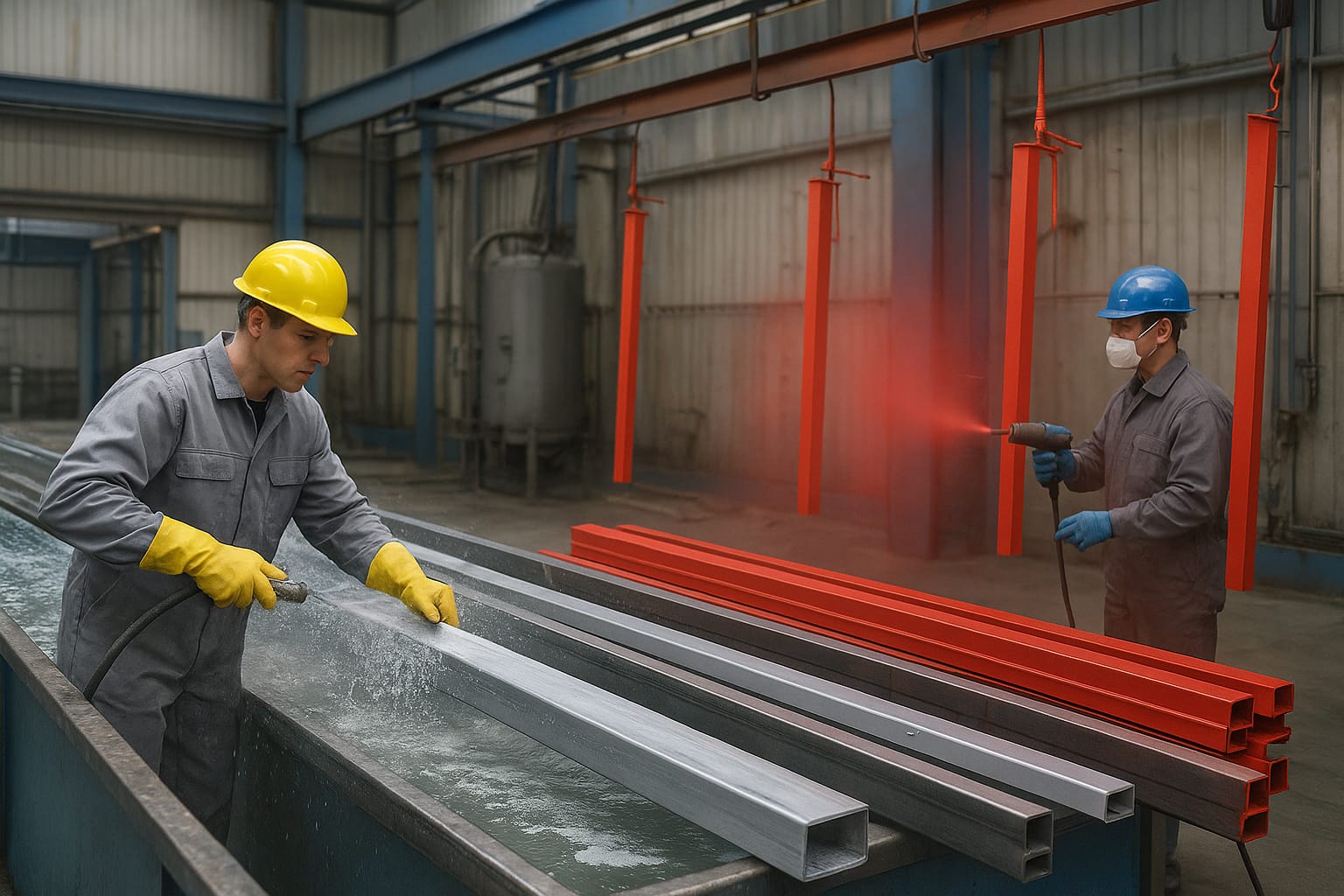
Clean-Room & Temperature-Controlled Storage: Life science, diagnostic, and biomanufacturing facilities require sterile, anti-particulate storage systems. Our non-outgassing thermoset epoxy polyester coatings and galvanized uprights resist aggressive sanitizing agents and maintain structural integrity in conditioned cleanrooms.
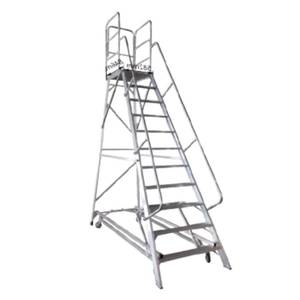
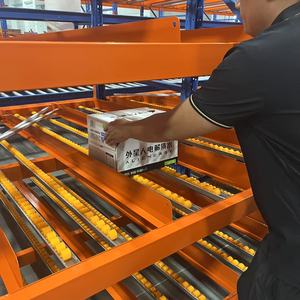
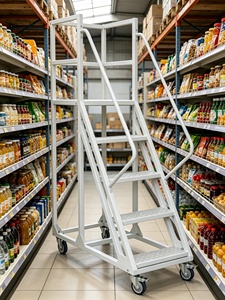
Configured Solution: Modular carton flow picking lanes integrated with aluminum cleanroom mobile ladders and wire mesh partitioning for high-value API segregation.
Sub-Zero Cold Chain & Seafood Logistics: New England seafood distribution and imported perishable logistics operate in punishing -20°F to -25°F freezers where thermal condensation accelerates standard steel corrosion and embrittlement.
Configured Solution: Intensive automated radio shuttle racking systems constructed from high-toughness, cold-resistant structural steel with hot-dip galvanized baseplates and structural rub rails.
High-Velocity E-Commerce Fulfillment: Regional distribution centers handling omnichannel consumer merchandise require rapid pallet put-away combined with dense split-case order picking to meet same-day delivery SLAs across New England.
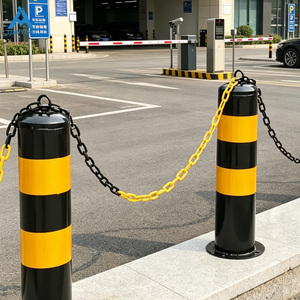
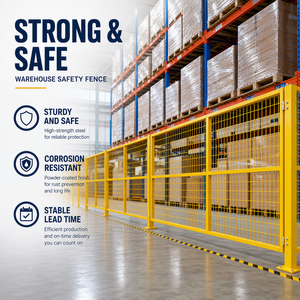
Configured Solution: Multi-tier rack-supported attic lofts and mezzanine floors combined with 5-tier carton gravity flow racks, safety handrails, and industrial steel bollards guarding terminal ends.
Low-Clearance Legacy Warehouse Retrofits: Adaptive reuse of older brick-and-beam and low-clearance masonry industrial spaces built between 1940 and 1980 requires custom column pitch matching and load distribution plates.
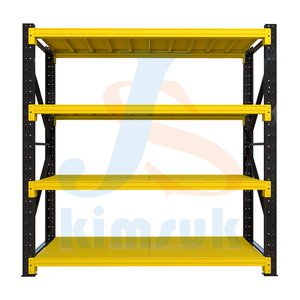
Configured Solution: Heavy-duty selective teardrop and customized roll-formed racking equipped with oversized concrete anchor shoes to spread loads safely across aged concrete slabs.
Ensuring frictionless sign-offs with Boston Inspectional Services Department (ISD) and municipal fire prevention marshals throughout the Commonwealth of Massachusetts.
All structural uprights, step beams, and footplates fabricated for the Massachusetts market adhere to 780 CMR (incorporating IBC 2021 / RMI ANSI MH16.1). Calculations are calibrated against local Seismic Design Categories (typically B and C in Eastern MA), factoring in spectral response accelerations (Ss and S1) with certified Professional Engineer (PE) structural reviews.
Boston fire safety regulations mandate strict adherence to flue space maintenance. Our pallet rack systems are engineered with mechanical back-to-back row spacers and wire mesh decks to maintain compliant 6-inch transverse and longitudinal flue spaces. This allows uninterrupted ceiling Early Suppression Fast Response (ESFR) penetration without requiring costly in-rack sprinkler retrofits.
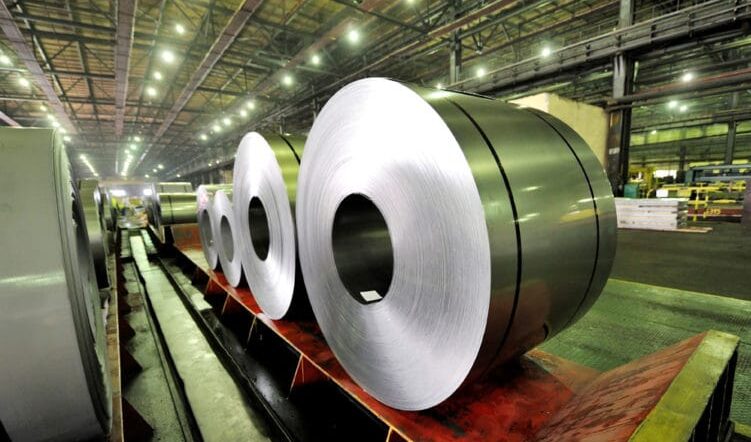
We strictly utilize certified hot-rolled structural steel coils (Q235B yield strength 235 MPa / 34 ksi and Q355B yield strength 355 MPa / 51 ksi, directly equivalent to ASTM A36 and ASTM A572 Grade 50). Full mill test certificates (MTCs), tensile yield verification, and Charpy V-notch impact tests are provided with every Bill of Lading.
| Racking Architecture | Cubic Volumetric Efficiency | Picking Directness | Estimated Cost / Pallet Position | Boston Permitting Complexity | Primary Industrial Sector |
|---|---|---|---|---|---|
| Radio Shuttle High-Density | Maximum (85-90%) | Deep-Lane LIFO / FIFO | $180 – $260 | Moderate (PE Calculation Required) | Seafood, Cold Storage, Frozen Foods |
| Rack-Supported Attic Mezzanine | Doubles Usable Floor | 100% Floor Access | $220 – $380 / sqm | High (Egress, Fire, Structural PE) | Biotech Spares, E-Commerce, Retail |
| Modular Carton Flow Racks | High (Split-Case Focus) | 100% Gravity Pick Face | $95 – $145 / level | Low (Standard Commercial Code) | Omnichannel Fulfillment, Pharma |
| Heavy-Duty Selective Pallet | Moderate (50-60%) | 100% Instant Selectivity | $55 – $85 | Standard (Boston ISD Rapid Review) | General 3PL, Industrial Manufacturing |
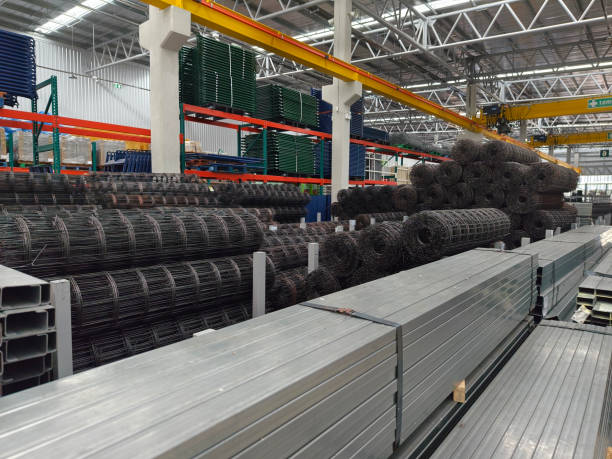
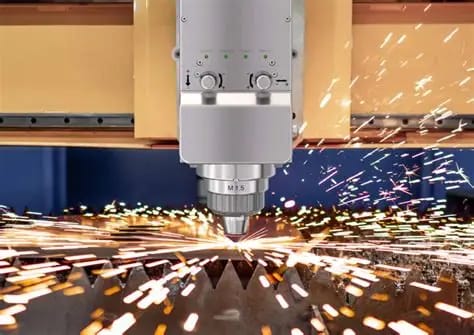
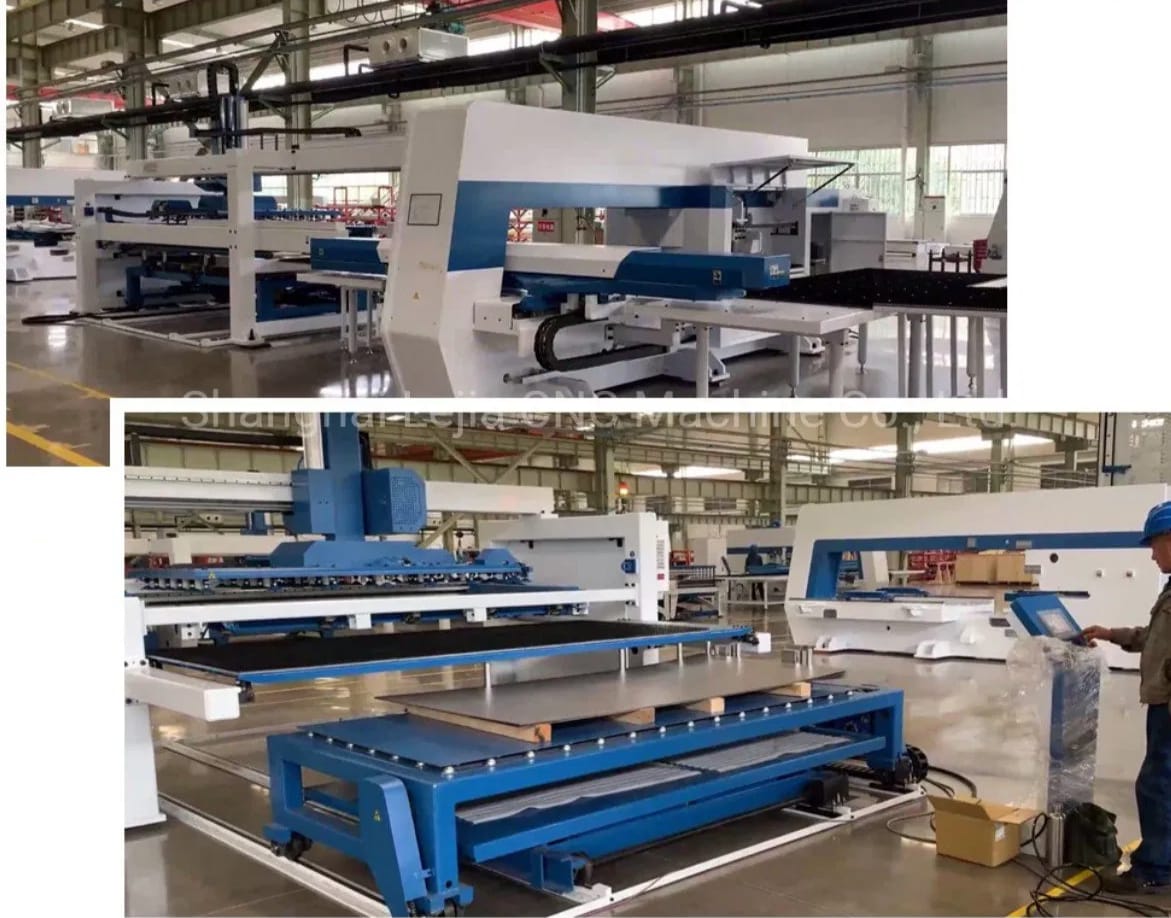
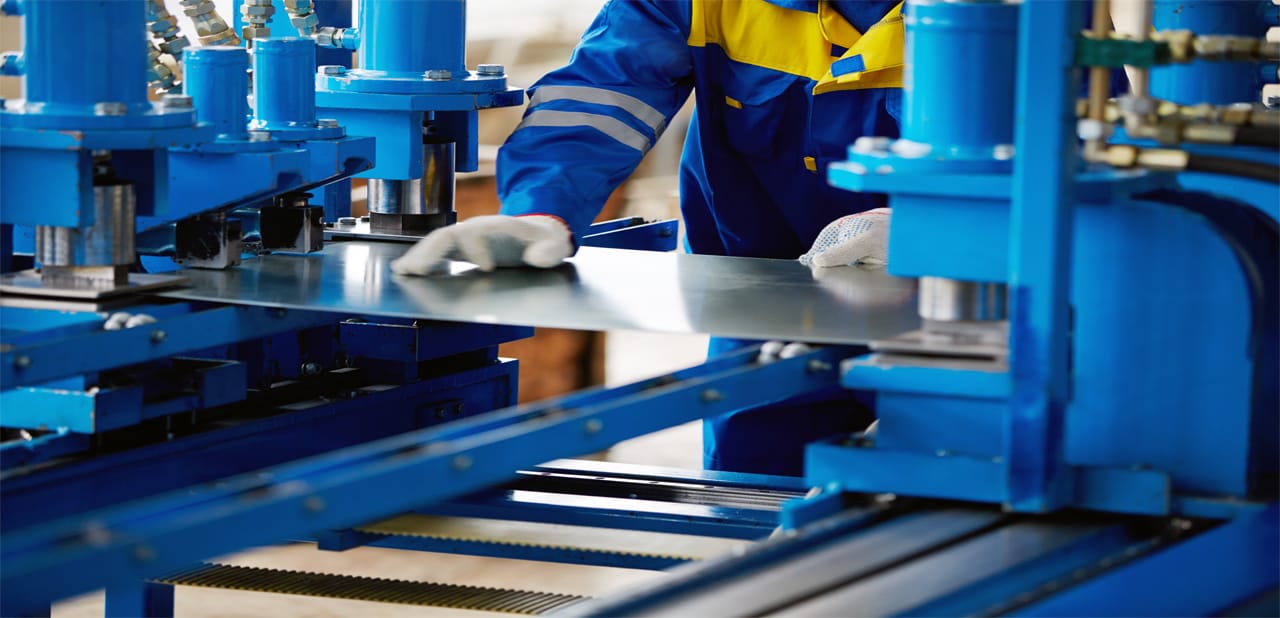
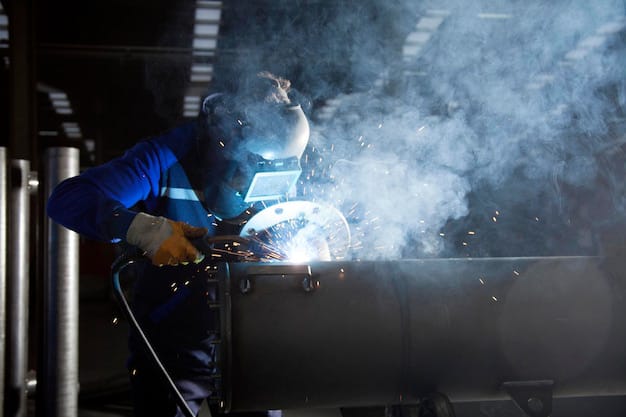
Touring our integrated manufacturing facility: over two decades of in-house tooling, automated punching lines, robotic welding stations, and automated powder coating.
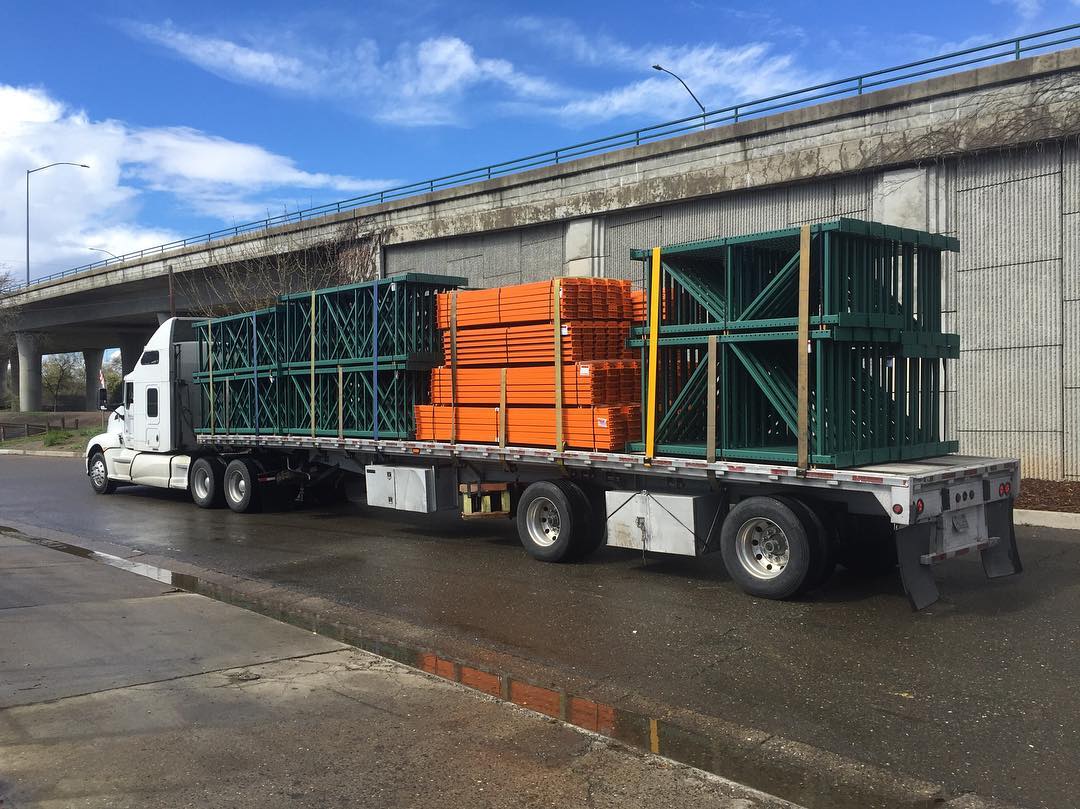
Unlike inland Midwest importers or West Coast transshipment points subject to rail-head congestion in Chicago or Los Angeles, shipments dispatched to Massachusetts are booked directly onto transatlantic and direct-water East Coast vessel rotations discharging right at the Port of Boston's Conley Container Terminal.
With newly deepened 47-foot harbor channels and Post-Panamax cranes, Conley Terminal offers rapid offloading with truck turn times under 35 minutes. Our export logistics team coordinates full DDP (Delivered Duty Paid) or CIF ocean transit, handling customs bond filing, ISF 10+2 documentation, and Section 301 tariff declarations for seamless curbside delivery anywhere along the I-95, Route 3, or I-495 belts.
Every shipment is accompanied by detailed structural shop drawings, assembly punch lists, load capacity plaques matching OSHA 1910.176 requirements, and a 10-year structural integrity manufacturer warranty.
Anticipating the technological and structural transitions that will define New England distribution networks over the coming decade.
As labor availability tightens across Massachusetts, logistics operators are rapidly retrofitting traditional warehouse bays into hybrid AMR paths. Rack systems now require flush lower guide rails, recessed baseplate anchors, and specialized floor-level clearance channels that facilitate co-working robotic tuggers and automated pallet jacks without compromising beam deflection tolerances (L/180 or L/240).
Driven by the surge in specialized frozen biopharmaceutical storage and direct-to-consumer meal fulfillment across the Northeast, demand for high-bay freezer racks (up to 40 feet) has accelerated. Standard steel becomes brittle at low temperatures; future-proof installations demand high-manganese structural cold-rolled steel and galvanization to permanently halt micro-fractures.
With same-day delivery expectations firmly established inside Route 128, older suburban industrial facilities with lower 18-to-24-foot ceilings are deploying rack-supported mezzanine floors to double usable floor square footage. This enables combined manual carton flow picking on the upper deck while heavy bulk pallet reserves reside beneath.
Authoritative technical, permitting, logistics, and engineering answers for procurement managers sourcing pallet racking from China.
Compliance is achieved by designing strictly to RMI (Rack Manufacturers Institute) ANSI MH16.1 specifications, which forms the engineering basis for Chapter 22 of the International Building Code (IBC) adopted by Massachusetts under 780 CMR. Our engineering department provides fully calculated structural load package drawings, detailing member section moduli, anchor shear/tension forces, and site-specific seismic accelerations (Ss, S1). These calculations can be stamped by a licensed Massachusetts Professional Structural Engineer (PE) for submission to the Boston Inspectional Services Department (ISD) or your local municipal building authority.
Direct all-water container transit from major Chinese load ports (Ningbo-Zhoushan or Shanghai) through the expanded Panama Canal to Conley Terminal in Boston typically takes between 30 and 36 days water transit. Total order lead time from finalized CAD drawing approval through roll-forming, powder coating, packing, sea transit, and customs release typically averages 8 to 11 weeks. For urgent facility fit-outs, staggered containerized shipping plans can be arranged.
Industrial steel racking imported into the United States is classified under HTS codes 7308.90. Depending on product classification, shipments may be subject to US Section 301 ad valorem duties. Even after factoring in ocean freight, insurance, drayage, and applicable tariffs, our factory-direct pricing typically achieves a 25% to 45% net CapEx savings compared to purchasing identical-gauge structural capacity through domestic US equipment distribution networks.
Yes. We operate dedicated roll-forming and auto-punching lines configured precisely for the classic North American teardrop pattern (2" vertical adjustability). This guarantees 100% interoperability with existing US selective teardrop beams and uprights in your Boston warehouse, enabling seamless expansions, beam elevation adjustments, or component replacements without needing proprietary attachments.
Standard heavy-duty pallet racking uprights (loads exceeding 2,500 lbs per pallet, 20,000 lbs frame capacity) typically require a reinforced concrete floor slab with a minimum thickness of 6 inches (150mm) and a compressive strength of at least 3,000 to 4,000 PSI. Our engineering deliverables specify anchor bolt diameters, minimum embedment depths (typically using certified Hilti or wedge-type mechanical anchors), and minimum edge distances to prevent concrete breakout.
For temperatures between 0°F and -25°F (common in Chelsea and South Boston seafood distribution centers), standard structural steels risk low-temperature brittle fracture. We utilize specialized fine-grain cold-formed steel coils with documented Charpy impact toughness at sub-zero temperatures. Upright frames and baseplates can be supplied with either heavy hot-dip galvanization (ASTM A123) or multi-stage cryogenic-grade powder coatings that resist peeling and rust under continual thermal condensation.
To comply with NFPA 13 standards enforced by Massachusetts fire prevention officers, our double-row layouts automatically incorporate rigid steel row spacers maintaining a uniform 6-inch longitudinal flue space between pallet rows. Wire mesh decking panels feature built-in waterfall return flanges that ensure 3-inch to 6-inch transverse flue gaps remain open, allowing ceiling sprinkler discharge to extinguish internal pallet rack fires.
Every export project includes: (1) Dimensional architectural CAD floor plans and bay elevations; (2) Structural engineering calculations indicating maximum frame capacity, beam deflection criteria (L/180), baseplate anchor shear forces, and seismic design coefficients; (3) Mill Test Certificates (MTC) proving steel chemical and physical properties; (4) OSHA load rating plaque diagrams for end-of-row display; and (5) Detailed assembly instruction schematics.