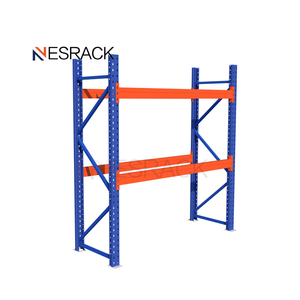
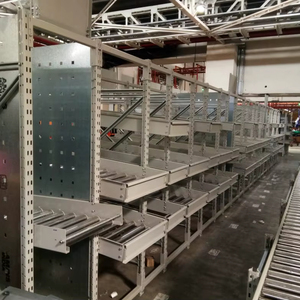
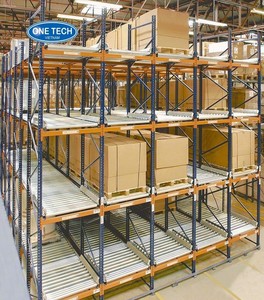
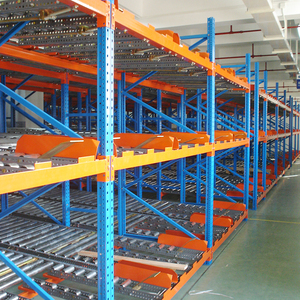
Direct factory-engineered manual picking shelves, gravity carton flow roller beds, LED-guided Pick-to-Light (PTL) architectures, and heavy-duty order picking carts optimized for Dutch distribution center workflows.
Navigating warehouse footprint constraints, skyrocketing land leases in North Brabant, and stringent European structural codes with Chinese advanced manufacturing precision.
The Netherlands functions as the premier freight hub for the European continent. With the Port of Rotterdam and Amsterdam Schiphol processing millions of TEUs annually, regional distribution centers (RDCs) in Venlo, Tilburg, and Waalwijk face staggering square-meter land valuation. Our order picking rack systems are structurally calculated to optimize cubic volume, raising vertical pick faces up to 12 meters with integrated multi-tier mezzanine decks.
Up to 240% Cubic Volume IncreaseUnlike unregulated rack imports, our export engineering strictly complies with NEN-EN 15512:2020 (Steel static storage systems – Adjustable pallet racking systems – Principles for structural design) and EN 15635 for ongoing operational safety. Our structural engineering team runs continuous Finite Element Analysis (FEA) on cold-formed thin-walled steel profiles, guaranteeing safe beam deflection ratios within L/200 under peak operational capacity.
Full Eurocode 3 CertificationThe Dutch Working Conditions Act (Arbowet) enforces uncompromising standards regarding picker musculoskeletal strain, maximum manual handling weights, and repetitive reaching postures. Our picking racks, carton flow roller shelves, and mobile picking carts incorporate designated "Golden Zone" pick elevations (between 750mm and 1400mm), reducing worker fatigue and boosting picking velocity by over 35%.
Arbo-Compliant Pick Face GeometryFrom perishable horticulture in Aalsmeer to high-velocity e-commerce in Waalwijk, explore how our picking rack engineering solves sector-specific intralogistics bottlenecks.
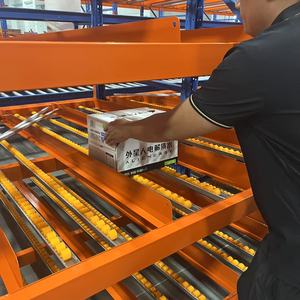
Waalwijk, Tilburg, and Breda host major European fulfillment centers for fashion, retail, and electronics. Our modular 5-tier carton flow systems enable continuous batch picking with back-replenishment, separating replenishment tugger routes from picking aisles to maximize order throughput during Black Friday and seasonal cyber spikes.
Serving the precision mechatronics, semiconductor, and medical device corridor around ASML and Philips suppliers. We supply anti-static ESD-powder-coated manual shelving units and steel order picking carts fitted with RFID-tagged bins for high-value cleanroom assembly inventory collection.
Dutch floriculture and cold-chain greenhouse logistics require hot-dip galvanized or high-build antimicrobial powder finishes resisting 90%+ relative humidity and temperature swings (+2°C to +8°C). Our inclined gravity roller beds resist condensation-induced corrosion while maintaining smooth tote feed.
In Amsterdam, Rotterdam, and Utrecht, urban last-mile delivery centers demand compact multi-tier rack-supported mezzanine floors. By integrating Pick-to-Light (PTL) arrays into narrow-aisle picking frames, operators achieve 200+ picks per labor-hour per picker in ultra-dense city depot spaces.
Aligning high-yield steel manufacturing with the Kingdom of the Netherlands' aggressive ESG, circularity, and environmental construction mandates.
Over 80% of prime new logistics developments in the Netherlands require BREEAM-NL certification. Our factory utilizes low-carbon electric arc furnace (EAF) steel coils, zero-heavy-metal epoxy powder coatings cured at low baking temperatures, and provides complete Environmental Product Declarations (EPD) to maximize our Dutch clients' building sustainability credits.
Reclaimed polder land across Flevoland and South Holland features soft marine clay and peat subsoils, leading to localized micro-settlement of warehouse concrete slabs. Our structural engineers compute specialized enlarged footplates with high-tensile anchor sets that distribute point loads evenly, preventing punch-shear failures and maintaining laser plumbness.
Dutch distribution facilities are aggressively deploying Autonomous Mobile Robots (AMRs) to offset labor scarcity. Our carton flow racks and picking stations are engineered with standardized pick-tunnel clearances, integrated dock-in sensors, and low-profile cantilever base stops that allow seamless robotic picker interface and automated tote take-away conveyors.
Select the optimal order picking infrastructure based on structural load metrics, SKU velocity, and material handling configuration.
| Racking Architecture | Primary Picking Profile | Standard Load Capacity | Picking Principle | Dutch Application Fit |
|---|---|---|---|---|
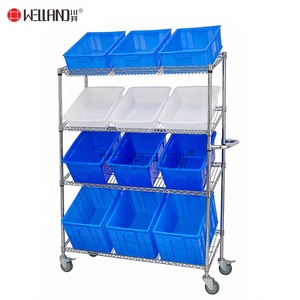
| Light-Duty Manual Shelving | Split-case, spare parts, archival bins | 150–400 kg / level | Static multi-tier or single bay manual | Maintenance workshops, urban micro-depots, e-com mezzanine levels |
| Modular Carton Flow Racks | High-velocity carton totes, FMCG, retail | 200–800 kg / level | Dynamic FIFO gravity roller beds | North Brabant distribution centers, third-party logistics (3PL) cross-docking |
| Pick-to-Light (PTL) Racks | Fast-moving electronics, cosmetics, pharma | 100–350 kg / level | Optical LED-guided batch & zone picking | High-accuracy pharma distribution, luxury omnichannel fulfillment |
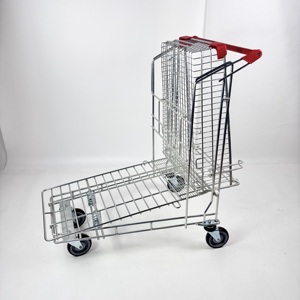
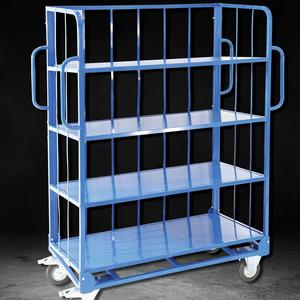
| Mobile Heavy Picking Carts | Multi-order consolidation, tote transit | 250–500 kg total payload | Dynamic wave/zone batch transport | Wide-aisle warehouse picking, high-throughput conveyor feeding |
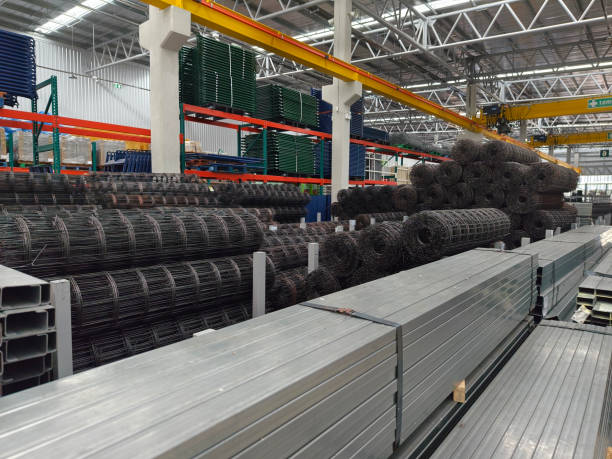
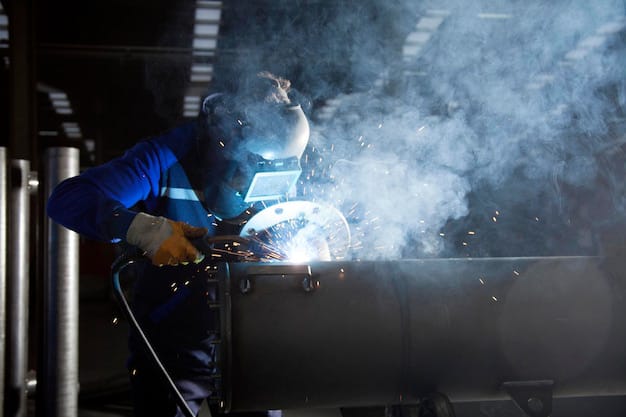
Operating our own heavy precision fabrication plant gives us absolute control over cold-roll forming tolerances, structural welding integrity, and automated powder coating quality.
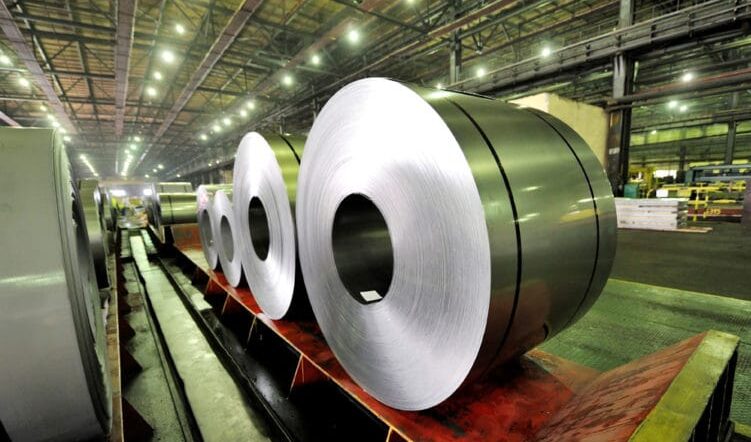
We source prime hot-rolled coils from Tier-1 mills (Baosteel, Shougang) certified under Q235B and high-yield Q355B grades. Each batch undergoes tensile strength, elongation, and Charpy impact testing before entering the roll-forming lines, ensuring absolute compliance with European EN 10025-2 chemical and mechanical standards.
Our heavy-duty multi-station continuous roll-forming lines craft upright pillars with continuous omega-profile cross sections and teardrop or diamond hole pitches punched at cold state with ±0.1mm micro-tolerances. This eliminates residual inner stresses and guarantees seamless beam interlocking without jamming.
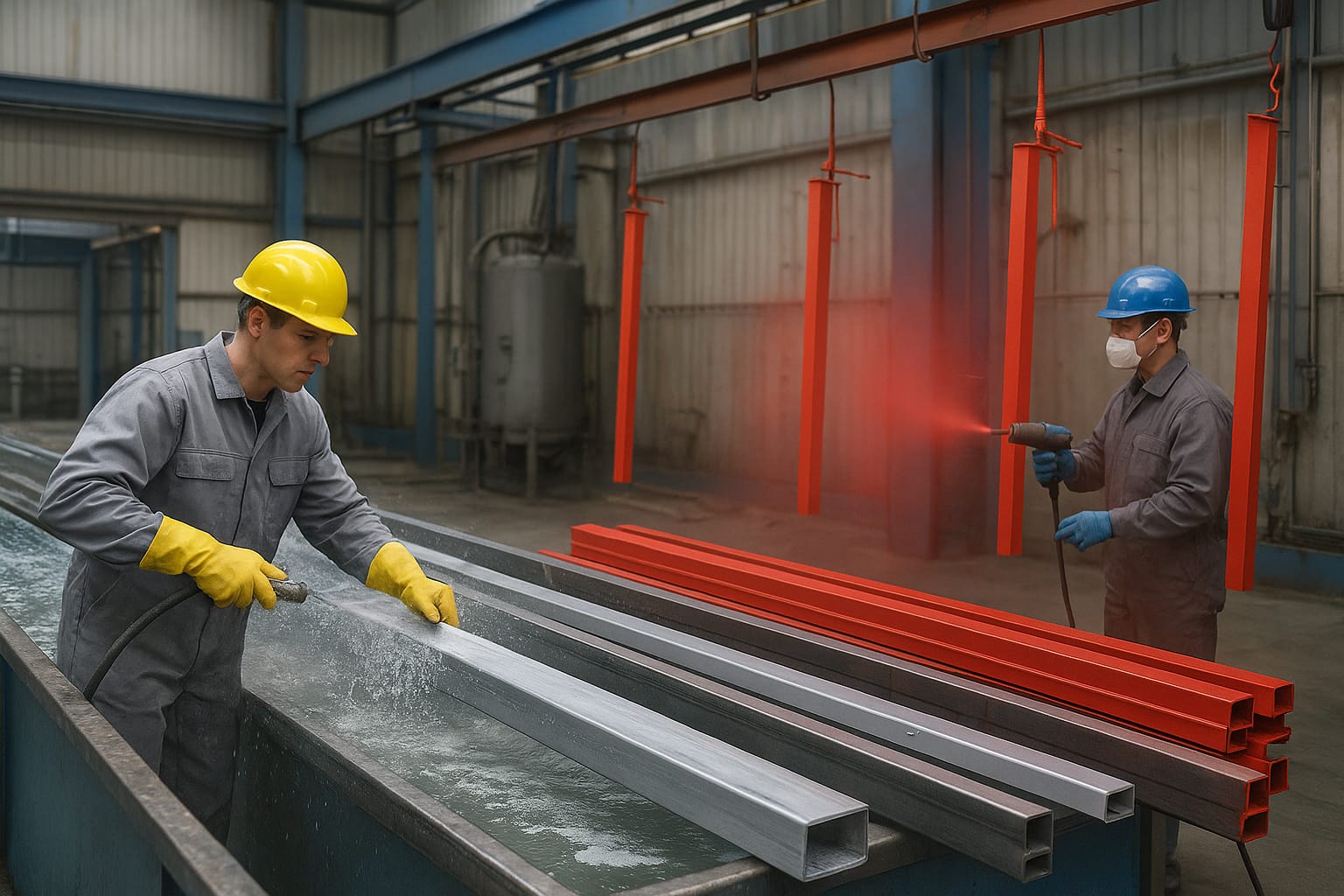
Prior to electrostatic coating, all fabricated steel components undergo an exhaustive 7-stage automated spray pre-treatment cycle comprising hot alkaline degreasing, zinc phosphating, and deionized water rinsing. This achieves superior coating adhesion passing standard 500-hour salt spray corrosion testing (ISO 9227).
Optimizing sea freight logistics from China directly into the Dutch hinterland with maximum fiscal efficiency and protective export packaging.
We maintain scheduled volume shipping contracts with leading ocean carriers (Maersk, MSC, COSCO) departing Ningbo, Shanghai, or Qingdao directly to the Port of Rotterdam (Maasvlakte I & II). Average ocean transit is 28 to 33 days, supported by complete customs documentation sets: Bill of Lading, Certificate of Origin (Form A / CO), commercial invoice, and detailed structural packing lists.
Dutch tax law allows registered enterprises to utilize the Article 23 VAT Reverse Charge Mechanism (Verleggingsregeling). Instead of paying 21% import VAT upon container arrival at Rotterdam customs, Dutch buyers can defer and account for VAT on their periodic tax returns, freeing substantial cash flow for large-scale warehouse fit-outs.
To eliminate shipping damage caused by moisture, salt mist, and container movement during ocean crossings, upright frames and shelf beams are grouped with timber cushioning, strapped with heavy-gauge PET bands, and wrapped in multi-layer stretch film with industrial desiccant bags, ensuring rust-free installation readiness.
In-depth technical, regulatory, and logistics answers addressing procurement criteria for Dutch B.V. logistics directors and facility managers.
Our structural rack engineering strictly complies with NEN-EN 15512:2020 for limit state calculation of cold-formed steel members, incorporating European design principles (Eurocode 3). We execute rigorous Finite Element Modeling (FEM) for global buckling, torsional flexure, and beam connector looseness tests. Every installation project is delivered with formal structural calculation books stamped by qualified structural engineers, enabling seamless local Dutch building inspector approval.
Yes. Our modular carton flow beds and Pick-to-Light (PTL) arrays use open-architecture industrial protocols (Modbus TCP/IP, Ethernet/IP, and RESTful APIs), enabling seamless communication with Tier-1 WMS/WCS platforms such as SAP EWM, Manhattan Associates, and Blue Yonder. For Autonomous Mobile Robots (AMRs), we manufacture customized base kick-plates, roller bed pick-off trays, and guided docking brackets compatible with Geek+, Locus Robotics, and MiR fleets.
Our standard manufacturing window for custom order picking and carton flow racking projects (2 to 10 container volumes) is 18 to 25 calendar days. Ocean freight from Ningbo or Shanghai directly to the Port of Rotterdam takes approximately 28 to 33 days. Inland barging or direct truck drayage to North Brabant, Limburg, or Randstad DC zones takes 2 to 3 days. Consequently, total project lead time from CAD sign-off to site staging is typically 7 to 9 weeks.
The Dutch Arbowet guidelines mandate minimizing physical strain. Picking heavy items (over 15 kg) from below knee level or above shoulder height is strictly regulated. Our modular order picking systems incorporate tilted presentation trays for fast carton viewing, roller track feed angles set at an ergonomic 3° to 5° pitch, and configure the primary high-velocity SKUs squarely within the optimal 800mm to 1300mm "golden pick zone".
Warehouses constructed on polder clays (e.g., Flevoland, Schiphol-Rijk, Alphen aan den Rijn) can experience minor concrete floor slab flexing over time. We calculate upright column load distributions using enlarged steel baseplates (up to 200x200mm x 10mm thickness) paired with high-grade M12/M16 chemical or mechanical anchor bolts and precision leveling shims. This ensures point loads remain comfortably under the allowable slab puncturing limits (typically 50–90 kN/m²).
Absolutely. If your Dutch B.V. or logistics enterprise possesses an Article 23 license (Artikel 23 Wet op de omzetbelasting) from the Belastingdienst, you can clear the shipping containers at Rotterdam Customs under the reverse-charge regime. You will not have to finance or remit the 21% import VAT at the border; instead, the VAT is simply reported on your periodic quarterly return, keeping your liquidity intact.
All delivered racking units include laser-engraved or durable PVC load safety plaques (NEN-EN 15635 compliance) indicating maximum uniformly distributed load (UDL) per shelf and bay capacity. We supply comprehensive installation manuals and inspection checklists that allow certified Dutch inspectors (Deskundige Keurmeester Magazijnstellingen) to conduct your required periodic annual safety audits without discrepancy.
For cold-store chambers (+2°C to +8°C) or flower distribution facilities in Aalsmeer and Naaldwijk with high ambient humidity, standard electrostatic powder coating may risk under-film corrosion if moisture condenses. In these conditions, we recommend continuous hot-dip galvanized steel components conforming to ISO 1461, providing 60–85 microns of sacrificial zinc protection that prevents oxidation for over 20 years.
Connect with our senior intralogistics structural engineers today. Send us your CAD floor plan, SKU dimensions, and pick rate targets for a complimentary NEN-EN 15512 compliant layout proposal and transparent FOB/CIF Rotterdam quotation.