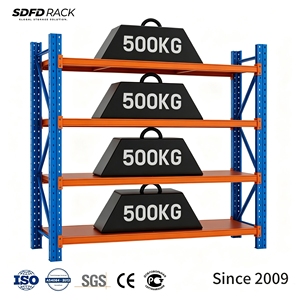
High-tensile structural profiles manufactured under strict EN 15512 and CE directives, configured specifically for Kazakh wholesale distribution hubs, customs terminals, and manufacturing plants.
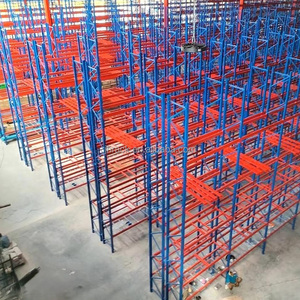 CE EN 15512
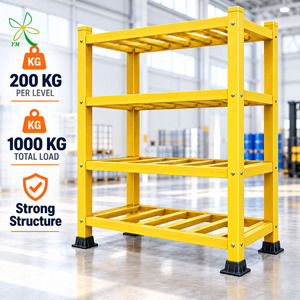 Dielectric / Anti-Spark
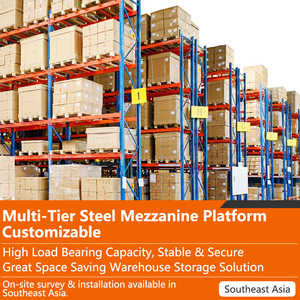 Q355B Cold Rolled
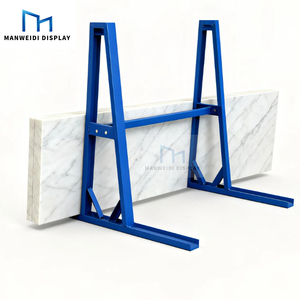 Dynamic Load Tested
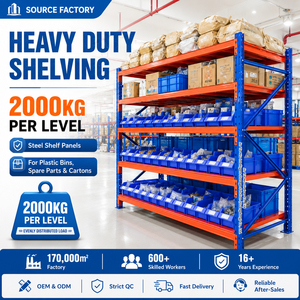 2000kg/Level UDL
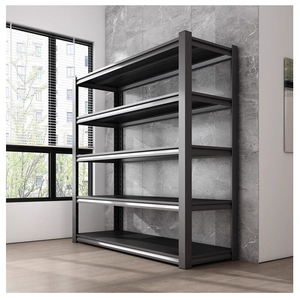 Modular Slot Pitch
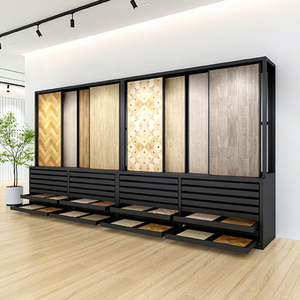 Showroom Heavy Rail
The Republic of Kazakhstan is executing a profound structural transition in its supply chain infrastructure. Positioned at the exact heart of the Trans-Caspian International Transport Route (TITR / Middle Corridor) and acting as the primary overland intermodal bridge between Western China, Central Asia, the Caucasus, and the European Union, Kazakhstan's warehousing demand has outgrown primitive floor-stacking and legacy Soviet-era shelving. Modern Class-A logistics facilities in hubs like Almaty, Astana, Shymkent, and the SEZ Khorgos-Eastern Gate demand high-bay vertical racking systems capable of handling exceptional dynamic loads, high inventory turnover, and radical climatic extremes.
Specifying industrial vertical storage racks in Kazakhstan requires reconciling stringent European CE standards (EN 15512:2020 for steel static storage systems, EN 15620 for tolerances, deformations, and clearances) with the localized, legally mandatory building regulations of Kazakhstan: SNiP RK 2.03-30-2006 (Construction in Seismic Regions) and SP RK 2.03-30-2017. Failure to engineer vertical systems for both the seismic fault systems of Southern Kazakhstan and the severe sub-zero thermal contraction cycles of Northern Kazakhstan results in premature structural buckling, bolt shear, floor anchoring failures, and severe operational shutdowns.
| Engineering Parameter | Standard Commercial Racks | CE Certified Heavy Duty Racks | Kazakhstan Arctic & Seismic Grade (Signature) |
|---|---|---|---|
| Primary Steel Grade | Commercial Q235A / Low carbon | S355JR / Q355B Structural Steel | High-Yield Q355D / Normalized Micro-Alloyed Cold Rolled |
| Charpy V-Notch Impact Test | Untested at low temperatures | Tested at 0°C to +20°C | Guaranteed ≥ 27J at -40°C (Cold-Brittle Proof) |
| Seismic Coefficient (Almaty Zone) | Kg ≤ 0.05 (Non-seismic) | Eurocode 8 standard (PGA ≤ 0.25g) | SNiP RK 2.03-30-2006 (MSK-64 Category 8 to 9, PGA ≥ 0.40g) |
| Upright Cold Roll Profile | Open C-channel with minimal folds | Multi-ribbed omega profile | Patented 12-Fold Omega Profile with Closed Boxed Stiffeners |
| Corrosion & Finish Standard | Single-pass flash paint (30 μm) | Epoxy Powder Coating (60-80 μm) | Degreased + Phosphate + 90 μm Hybrid Thermal Powder |
Kazakhstan represents a territory of 2.72 million square kilometers, encompassing divergent economic zones that dictate vastly different material handling and warehousing architectures. A standard racking design suited for Central Europe will fail under the dynamic operational conditions encountered between the Caspian Sea offshore hubs and the Chinese border interchange.
Almaty serves as the undisputed distribution engine of Central Asia, handling the major national distribution centers for retail giants, pharmaceuticals, and e-commerce platforms like Kaspi.kz. Because warehouse land surrounding Almaty commands premium lease rates, operators implement Vertical VNA (Very Narrow Aisle) Racking and Multi-Tier Mezzanine Platforms reaching 12 to 16 meters in clear height. Crucially, Southern Kazakhstan sits on active seismic fault lines requiring deep chemical-anchored floor plates, cross-aisle portal bracing, and seismic base isolation in complete conformity with SNiP RK 2.03-30-2006.
Astana and the northern administrative oblasts (Akmola, Kostanay, Pavlodar) experience violent temperature swings ranging from +38°C in summer to -42°C in deep winter. Unheated transit warehouses and multi-temperature cold storage facilities (storing meat, poultry, dairy, and pharmaceuticals) require racking steel grades with proven cold ductility. Standard carbon steels undergo a ductile-to-brittle transition below -15°C, making them prone to catastrophic micro-fracture when hit by moving forklifts. Our cold-chain selective pallet racks and drive-in systems utilize micro-alloyed steels with verified low-temperature impact toughness.
Western Kazakhstan is dominated by mega-scale hydrocarbon extraction projects (Tengiz, Kashagan, Karachaganak). Warehouses in Atyrau, Kulsary, and the port city of Aktau store heavy exploration equipment, drill stems, and precision valving. These sites require Heavy Duty Cantilever Racking for tubular goods, along with specialized Non-Conductive FRP (Fiberglass Reinforced Polymer) Racks inside explosive electrical distribution rooms, offshore staging pads, and battery storage shelters where spark hazards and extreme salt-air corrosion must be totally eliminated.
The border crossing at Khorgos connects China's standard gauge (1435 mm) rail network with Kazakhstan's broad gauge (1520 mm) system. Freight velocity here is paramount. Palletized cargo requires rapid short-term buffering using high-throughput dynamic carton flow racks and heavy-duty 3-layer clip-together shelving. High-speed picking systems with automated roll-formed step beams allow rapid container transshipment without inventory bottlenecks.
Central and Eastern Kazakhstan represent the heavy mining, metallurgical, and heavy industrial core of the nation. Facilities supporting copper, zinc, coal, and steel processing store massive spare parts, pump assemblies, conveyor drive heads, and stone processing tooling. Our 2000KG per Level Heavy Duty Shelving Systems and custom A-Frame Slab Systems are engineered with reinforced structural deck panels, dual locking safety pins, and boxed column uprights to withstand heavy tool impacts and localized static loads.
Strategic investments under Kazakhstan’s national development programs and the expansion of the Eurasian dry corridor have permanently altered warehouse architecture. Supply chain directors are no longer purchasing commodity iron; they are investing in engineered storage systems that directly optimize throughput, cube utilization, and labor overhead:
International institutional developers (such as Focus Logistics, DAMU Logistics, and transnational 3PLs) are building sprawling mega-parks outside Almaty and Astana. These developments feature 12.5m to 14.5m clear ceiling heights. To secure multinational tenants (P&G, Unilever, Samsung, Nestle), these parks require CE-certified, pre-engineered selective and VNA pallet systems that satisfy European property insurers (FM Global) and local seismic fire safety codes.
The meteoric rise of domestic Kazakh marketplaces (Kaspi, Wildberries KZ, Ozon KZ) has triggered a shift toward high-SKU manual and semi-automated picking. Instead of building wider warehouses, operators are building up: deploying Multi-Tier Rack Supported Mezzanines with integrated spiral chutes and continuous carton flow beds, effectively multiplying usable floor square footage by 200% to 300% without acquiring additional land.
Labor protection authorities in the Republic of Kazakhstan have drastically increased scrutiny over warehouse safety following incidents with uncertified imported shelving. Compliance with GOST R 55525-2017 (Storage equipment - Inspection and maintenance) and EN 15635 is now enforced during state technical inspections. Certified load rating plaques, column collision deflectors, end-of-aisle structural crash barriers, and engineered anti-collapse back meshes are mandatory checklist items for warehouse occupancy permits.
Unlike trading middlemen or non-manufacturing distributors, we control the entire lifecycle of industrial rack fabrication. With over 20 years of warehouse storage engineering experience, our modern manufacturing complex houses precision cold-roll lines, CNC continuous punching centers, and fully automated electrostatic powder coating plants. Every upright, beam, baseplate, and cross-tie is manufactured under strict ISO 9001 and CE certifications, ensuring micron-level dimensional accuracy and absolute structural integrity.
Proprietary continuous cold roll-forming lines produce custom upright profiles with up to 12 structural bends, maximizing stiffness-to-weight ratios and load-bearing capacity without wasted dead weight.
High-speed hydraulic auto-punching maintains repeatable 50mm and 75mm hole pitches across 15-meter upright lengths, guaranteeing seamless beam slotting and boltless assembly on site.
Upright frame bracing and 5-prong connector brackets to beam joints are fused using multi-axis robotic welding stations, eliminating human error and ensuring zero weld porosity under fatigue.
Components pass through an automated 4-stage chemical pre-treatment wash, followed by electrostatic powder deposition cured at 200°C, providing heavy chip resistance and anti-corrosion protection.
Navigating cross-border procurement for industrial racking involves critical technical, logistics, and legal considerations. Below are detailed answers prepared by our senior engineering team to guide procurement directors, warehouse operations managers, and general contractors in Kazakhstan.
Submit your site dimensions, architectural drawings, or pallet load specifications. Our engineering department will deliver a full CAD layout, structural load analysis, and competitive factory quotation within 24 hours.