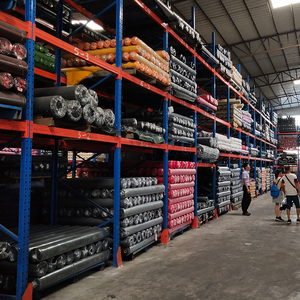

Explore our precision-fabricated industrial storage racking, perimeter security partitions, and multi-tier access infrastructures manufactured under ISO 9001 quality controls.
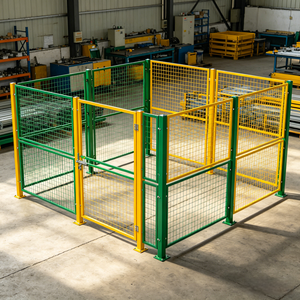
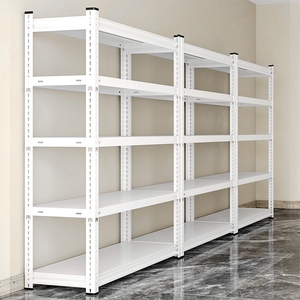
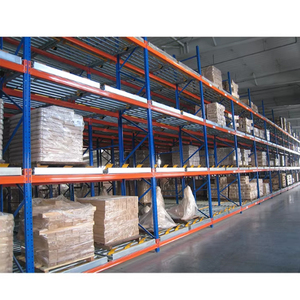

An authoritative engineering analysis of fall prevention mechanics, structural impact absorption, and lifecycle reliability in elevated logistics loading zones.
In high-density industrial warehousing and multi-tier distribution centres, the transition boundary between elevated mezzanine platforms and ground-floor forklift operations represents one of the highest-risk hazard nodes in modern logistics. Elevated loading openings—traditionally known as pallet drop zones—are essential for the vertical movement of inventory between disparate facility levels. However, open perimeters at heights exceeding 4 feet (1.2 metres) are statistically identified by global occupational health regulators as critical vectors for fatal worker falls and devastating dropped-object incidents.
Historically, warehouses relied on rudimentary safety chains, single-hinge swing gates, or manually sliding bars across mezzanine drop voids. Rigorous forensic site data reveals that these legacy barriers fail primarily due to human omission: warehouse pickers and forklift drivers frequently leave single-barrier gates unclasped or slid open during active staging cycles. This operational reality creates an unprotected cliff edge, exposing personnel to structural falls while completely invalidating statutory compliance under OSHA 29 CFR 1910.28(b)(1)(i) and ANSI MH28.3-2009 Section 6.4.3.
Modern mezzanine safety engineering mandates the deployment of interconnected, dual-action Pallet Drop Gates (often engineered as reciprocal pivot gates, rollover gates, or vertical safety gates). The fundamental mechanical premise of an engineered pallet drop gate is foolproof fail-safe protection: at no point during the loading, staging, picking, or clearing cycles is the mezzanine perimeter open to the worker. When the forklift access side is elevated or opened to receive incoming inventory, the interior mezzanine side automatically drops down to form a full-height structural barrier. Conversely, when the warehouse operative approaches the staged pallet inside the mezzanine to de-palletize cartons, the exterior gate closes securely, providing an impenetrable guardrail.
Utilizing precision-machined counterweights and parallel linkage bars, dual-pivot gates transfer rotational kinetic energy seamlessly. As the forklift operator drops a pallet onto the mezzanine deck, the interior safety barrier remains physically locked in place until the exterior arm completes its sweeping downward cycle, preventing perimeter exposure.
Engineered specifically for narrow-aisle mezzanines and high-density racking where rotational sweep paths are constrained. Twin counterbalanced vertical gate frames move synchronously on heavy-duty linear guide rails, ensuring zero sweep footprint along the staging lane while fully isolating personnel from elevated edges.
Designed to accommodate double-stacked pallets and excessive cargo heights up to 2,600 mm. The rollover structure arches over the top of the cargo pallet, sealing off the mezzanine picking zone completely without impinging upon the overhead mast envelope of high-reach turret trucks and order pickers.
Direct comparative engineering parameters validating how professional pallet drop gates satisfy OSHA, ANSI, and EN ISO standards compared to traditional edge devices.
| Safety Criterion / Metric | Dual-Pivot Pallet Drop Gate | Vertical Interlocking Gate | Single Swing Gate | Safety Chain / Removable Bar |
|---|---|---|---|---|
| OSHA 1910.29(b) 200-lb Force Rating | Certified Full Compliance | Certified Full Compliance | Conditional (Hinges Fatigue) | Non-Compliant (Deflection) |
| ANSI MH28.3 Continuous Protection | 100% Constant Isolation | 100% Constant Isolation | 0% During Loading Cycles | 0% When Unlatched |
| Integral 4-Inch (102mm) Toeboard | Standard Welded Plate | Standard Welded Plate | Rarely Fitted | None (Dropped-Object Hazard) |
| Human Error Mitigation | Mechanical Automatic Interlock | Mechanical Automatic Interlock | Relies on Worker Behavior | Extreme Hazard Node |
| Cycle Life Expectancy (Shifts/Yr) | > 100,000 Cycles | > 75,000 Cycles | < 15,000 Cycles (Sag) | < 5,000 Cycles (Wear) |
| AMR / AGV Optical Interfacing | Readily Sensor-Enabled | Ideal for Actuation | Impractical | Impossible |
Strategic foresight for supply chain directors, safety compliance officers, and turnkey industrial builders preparing for next-generation facility upgrades.
The material handling equipment (MHE) sector is witnessing rapid technological convergence. Procurement executives are shifting from passive edge safety equipment to dynamic, automated, and digitally integrated solutions. Driven by rising labour rates, severe regulatory enforcement fines, and the widespread adoption of Autonomous Mobile Robots (AMRs) and Automated Guided Vehicles (AGVs), the industrial pallet drop gate has transformed from a simple mechanical counterweight gate into a smart warehouse sub-system.
Future-ready facilities are deploying pneumatic-actuated and electric servomotor-driven drop gates interfaced directly with Warehouse Execution Systems (WES). When an AGV arrives at the mezzanine edge, RFID handshakes or optical sensors cycle the gate without human touch, maintaining flawless perimeter edge integrity.
Transitioning from heavy structural channel iron to precision cold-formed, high-yield hollow steel sections (Q235B and S275JR). This structural optimization significantly reduces static dead-load strain on mezzanine perimeter support girders while enhancing torsion resistance during forklift bumper impacts.
Eliminating metal-on-metal collision fatigue and high ambient decibel spikes in fast-paced fulfillment centres. Next-generation pivot assemblies integrate sealed industrial hydraulic shock absorbers and polyurethane dampening pads, ensuring smooth, controlled cycle stops and prolonged bearing life.
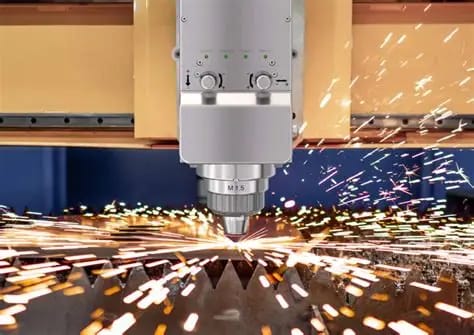
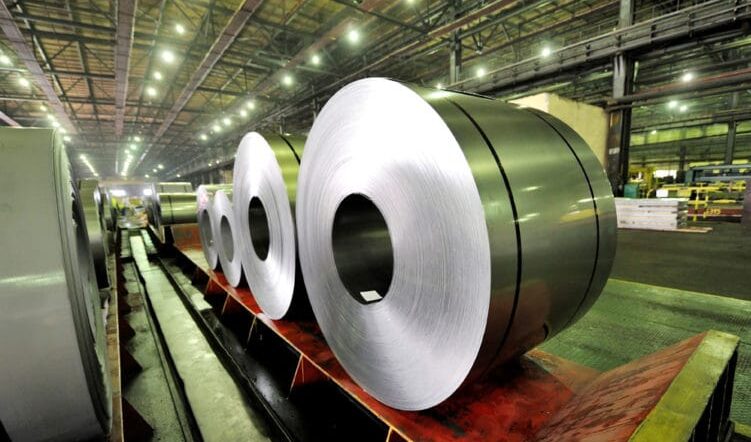
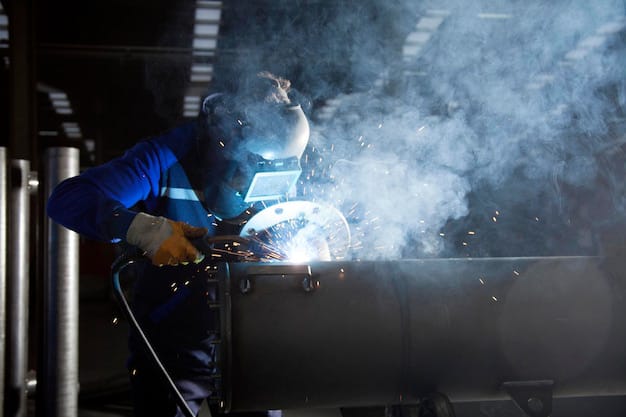
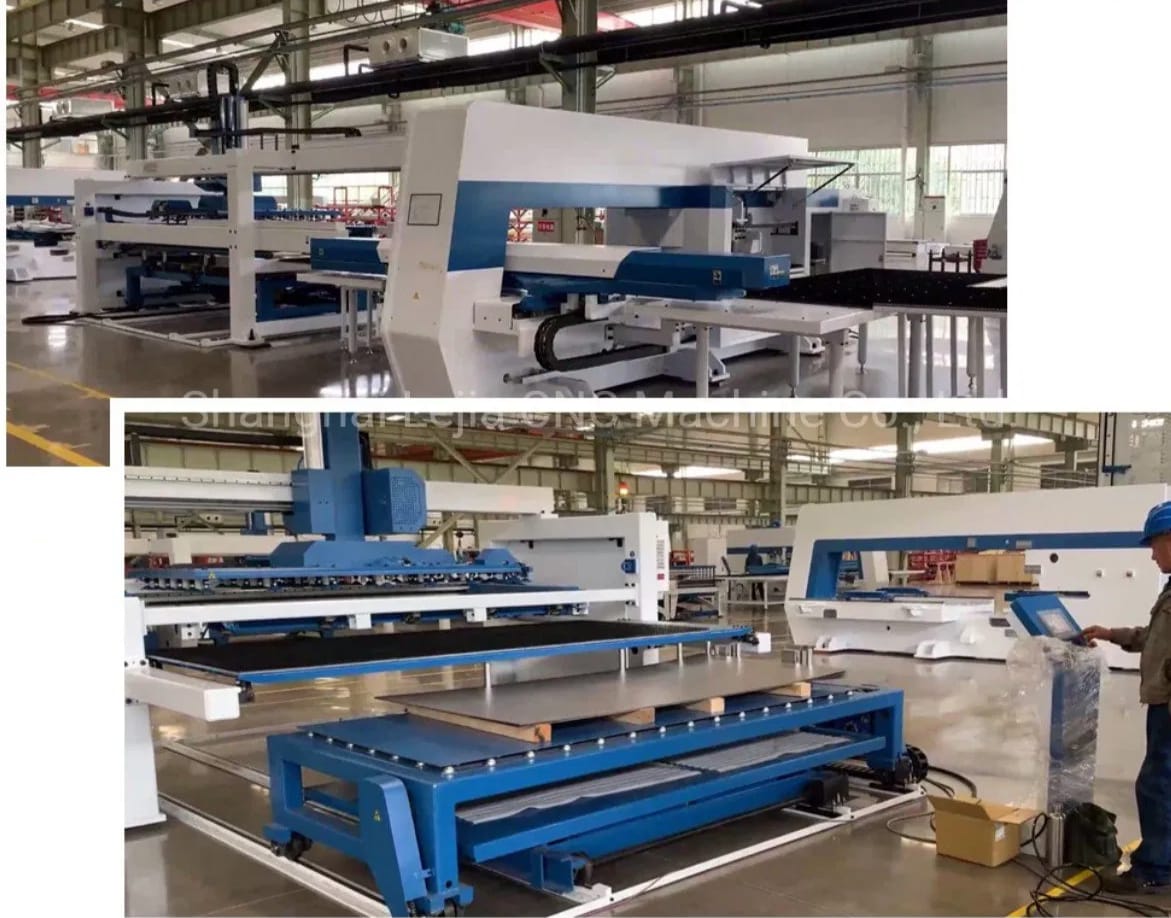
Signature Racking Systems F.Z.C combines over two decades of in-house roll forming, robotic welding, and CNC punching inside the Ajman Free Zone, UAE, serving the entire GCC and overseas contractors.
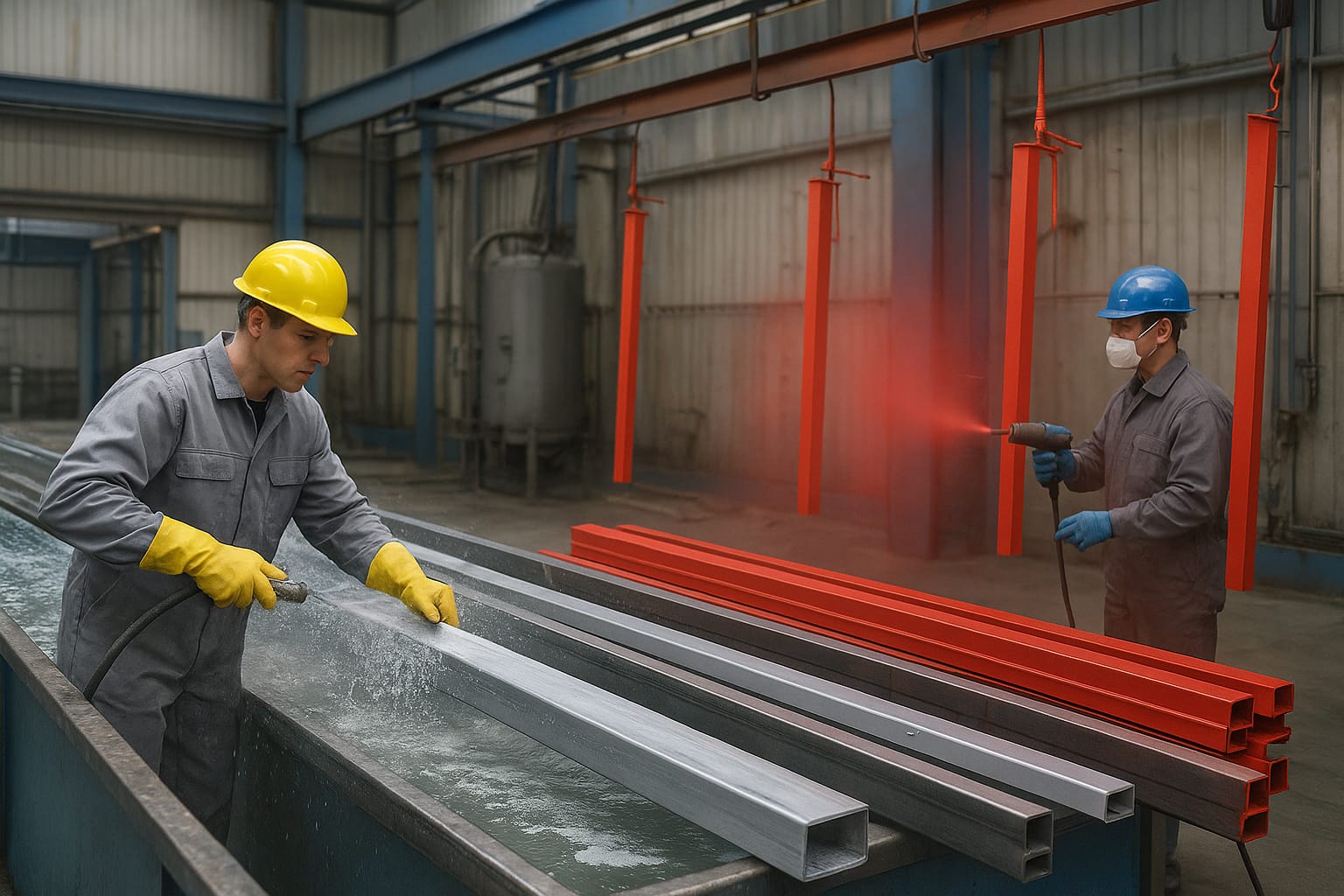
Unlike trading intermediaries, distributors, or catalog resellers, our enterprise operates end-to-end steel processing facilities. From high-grade raw structural steel intake and precision cold roll forming to automated multi-head punching, robotic joint welding, and electrostatic architectural powder coating, every stage of our pallet drop gate and warehouse storage product line is strictly audited under ISO-compliant internal controls.
This vertical manufacturing ownership guarantees tighter mechanical tolerances, eliminates third-party fabricator markups, and provides complete engineering flexibility. Whether your facility requires an oversized 3,000mm pallet clearance, customized kickplates for chemical drum containment, or harsh-environment hot-dip galvanization for coastal or cold-chain warehousing, our in-house engineering team crafts bespoke CAD layouts tailored directly to your site dimensions.
Follow these structural, spatial, and mechanical criteria to guarantee total occupational compliance and seamless material flow.
Measure both pallet footprint (e.g., standard Euro 1200x800mm or ISO 1200x1000mm) and overall load height including pallet overhang. Gate clearance must exceed the maximum load volume by at least 150mm on each flank.
Verify deck substrate material. Mounting on structural steel C-sections requires through-bolting with backing plates, whereas concrete composite decks demand heavy-duty M12 mechanical chemical anchors to resist dynamic overturning moments.
OSHA and EN ISO guidelines mandate a solid 4-inch (102mm) minimum kickplate along elevated floor perimeters. Ensure the gate base includes an integral welded toeboard to eliminate the risk of tools or loose items being kicked off the edge.
Manual cycle forces should never exceed 15-20 lbf (67-89 N) for warehouse personnel. Verify that the OEM provides accurately calculated counterbalance weights or gas-spring assist dampening to prevent repetitive strain injuries.
Direct technical answers provided by our senior structural storage engineers for project managers, facilities directors, and EHS auditors.
The benchmark global standards are OSHA 29 CFR 1910.28 / 1910.29 in the United States, ANSI MH28.3-2009 Section 6.4.3 (specifically regulating industrial mezzanine gates), EN ISO 14122-3 internationally, and AS 1657 in Australasia. These codes mandate that the perimeter barrier withstand a minimum 200 lbf (890 N) concentrated point load applied at the top rail without structural failure, provide a 42-inch (1067mm) nominal rail height, and maintain continuous edge isolation during operational cycles.
Single swing gates, drop bars, and safety chains suffer from a dangerous dependency on operator discipline. When open during pallet loading, the mezzanine floor edge is 100% exposed to human fall risk. Forensic workplace safety studies indicate that up to 40% of open-chain violations occur because operatives forget to re-latch chains after clearing pallets. Interlocking dual-pivot and vertical reciprocating gates eliminate this vulnerability mechanically.
Yes. While standard production units feature clear opening widths of 1,600mm to 2,000mm (suitable for standard single pallets), our in-house engineering and manufacturing lines regularly fabricate custom spans up to 3,200mm. For wide models, cross-brace trussing and reinforced pivot torque tubes are integrated to eliminate deflection across the wide span.
On reinforced concrete composite decks, base plates are fastened using high-tensile wedge anchors or M12 chemical capsule anchors. On steel grating or rack-supported mezzanines, under-flange sandwich plates clamp securely around structural sub-beams without requiring destructive drilling into primary structural steelwork.
Under normal single-shift operations, visual inspection of pivot bolts, lubricated bronze bushings, and safety pin retention clips should occur quarterly. For intense 24/7 eCommerce fulfillment centers, monthly checks on hydraulic damper stroke resistance, fastener torque values, and high-visibility yellow powder-coat wear are advised to maintain compliance.
Because all cutting, punching, roll forming, welding, and powder coating are conducted in-house at our Ajman Free Zone plant, standard model gates dispatch within 7 to 10 business days. Custom engineered configurations, specialized finishes (such as hot-dip galvanization), or bulk regional project orders are scheduled directly with guaranteed shipment milestones.