Modern intra-logistics facilities are transitioning from conventional footprint expansions to high-cube verticalization. This technical procurement dossier provides warehouse project managers, supply chain directors, and structural engineers with verified manufacturing metrics, European (FEM/EN) and American (RMI) standard compliance verifications, and architectural guidance for selecting tier-1 vertical storage rack factories in China.
Engineered for structural durability, continuous automated picking, and extreme vertical floor-space optimization across demanding distribution hubs.
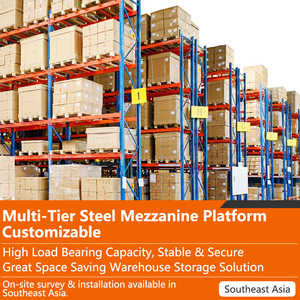
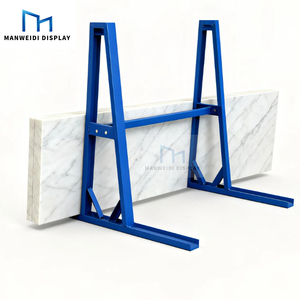
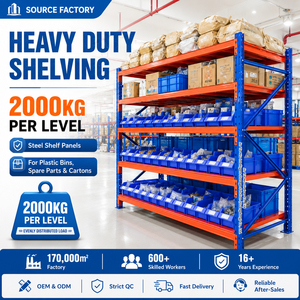
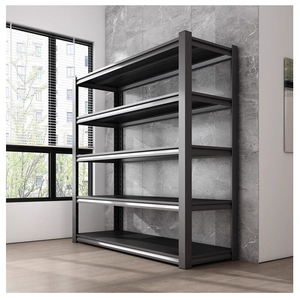
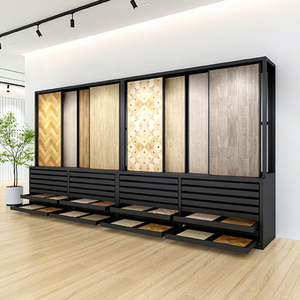
Selecting the ideal vertical racking system requires aligning building structural tolerances, unit-load dynamics, and handling machinery. Below is an engineering appraisal of the core vertical storage configurations engineered in top Chinese manufacturing hubs.
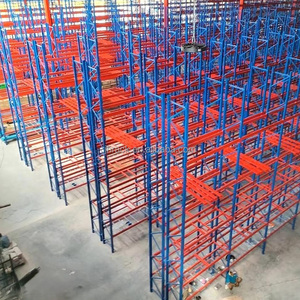
Engineered for facilities with roof clearances exceeding 12 to 18 meters. VNA vertical racks reduce aisle width to 1,600mm–1,800mm, utilizing guided turret trucks or rail/wire-guided AGVs to yield over 50% greater spatial volume utilization compared to standard selective layouts.
Transform high-ceiling clear cubic space into multi-level pick modules without structural building alterations. Utilizing cold-formed steel uprights as the primary structural pillars, these multi-tier units integrate GI grating decks, stair towers, and integrated conveyor chutes.
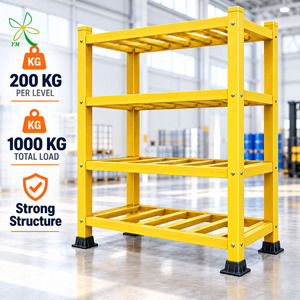
Formulated from pultruded Fiber-Reinforced Polymer (FRP) profiles for substations, battery charging hubs, and chemical storage zones. Delivers zero electrical conductivity, exceptional dielectric strength, and complete imperviousness to aggressive alkaline or acidic fumes.
Engineered with reinforced inclined bases and dual-profile uprights to safely warehouse long, fragile, or unwieldy goods—including engineered quartz slabs, float glass packs, and architectural extrusions—preventing flexural rupture and edge micro-fractures.
Compare mechanical properties, load capacities, beam deflections, and recommended logistics environments to specify the correct vertical storage framework.
| System Architecture | Material Standard | Max Load per Tier/Bay | Operating Clearances | Surface Finish Standard | Target Industrial Use-Case |
|---|---|---|---|---|---|
| Selective VNA High-Bay | Q235B / Q355B Cold Rolled | 1,000 kg – 4,500 kg / Tier | Aisle: 1,600 – 1,850 mm | Electrostatic Powder (60-80μm) | E-Commerce Fulfilment, High-SKU Distribution |
| Multi-Tier Rack Mezzanine | Q235B Structural Grade | 300 kg – 1,000 kg / m² | Height: 2,200 – 2,800 mm / Tier | Hot-Dip Galvanized / Powder Coated | Manual Picking Modules, Auto Spare Parts |
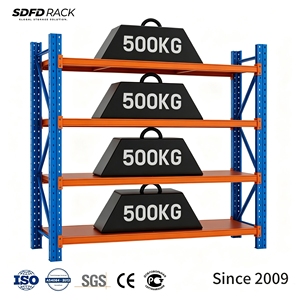
| Heavy Duty Snap-Clip Rack | High-Tensile Cold Coil | 500 kg – 2,000 kg / Level | Aisle: 2,800 – 3,500 mm | Thermoset Hybrid Epoxy Finish | Raw Materials, Heavy Machinery Components |
| Non-Conductive FRP System | Isophthalic Polyester Glass Fiber | 250 kg – 800 kg / Level | Custom Clearances | Inherent Resin Dielectric Barrier | Substations, Cleanrooms, Chemical Dosing |
| A-Frame Slab Storage | Structural Rectangular Hollow Steel | 3,000 kg – 10,000 kg Total Bay | Overhead Crane / Boom Forklift | Zinc Phosphate Primer + PU Enamel | Granite, Quartz, Float Glass, Steel Plate |
| High-Density Boltless Racks | Cold-Rolled Sheet 1.0–1.5mm | 100 kg – 250 kg / Shelf | Manual Ergonomic Hand-Pick | Baked Polymer Enamel | Small Component Bins, Commercial Archives |
Procurement leaders are no longer sourcing static steel shelves; they are commissioning dynamic structural interfaces engineered for automation, robotics, and environmental resilience.
As autonomous mobile robots (AMRs) and stacker cranes replace counterbalanced forklifts, dimensional tolerances for vertical upright verticality and beam deflection drop from ±3.0mm to less than ±1.0mm per 10m height. Chinese OEMs are adopting automated robotic roll-forming lines with online laser monitoring to meet FEM 9.831 tolerances.
International carbon border adjustment mechanisms (CBAM) are compelling global logistics operators to procure structural steels manufactured via electric arc furnaces (EAF). In tandem, continuously galvanized structural strips (EN 10346 S350GD+Z275) are superseding post-weld dipping for cold-storage and tropical port applications.
Procurement teams now mandate factory-delivered structural FEA calculations adhering to Eurocode 3 (EN 1993-1-3), EN 15512, or US RMI MH16.1. Tier-1 Chinese suppliers model baseplate ductility, second-order $P-\Delta$ sway effects, and anchor embedment dynamics in concrete slabs of varying compressive grades.
Vertical storage rack performance depends on precision steel roll-forming, continuous hole pitch repeatability, and automated robotic welding. Here is how advanced Chinese facilities maintain zero-defect export manufacturing.
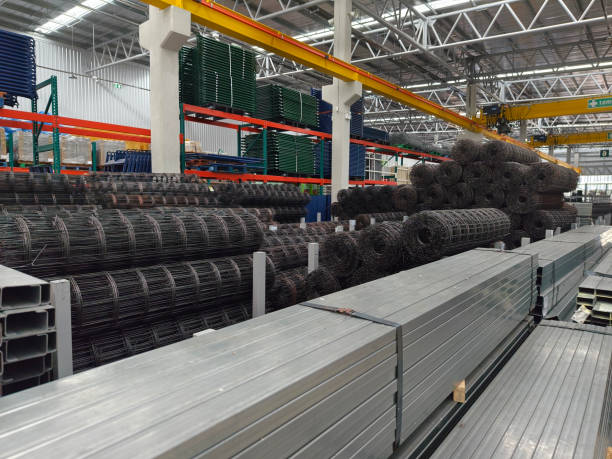
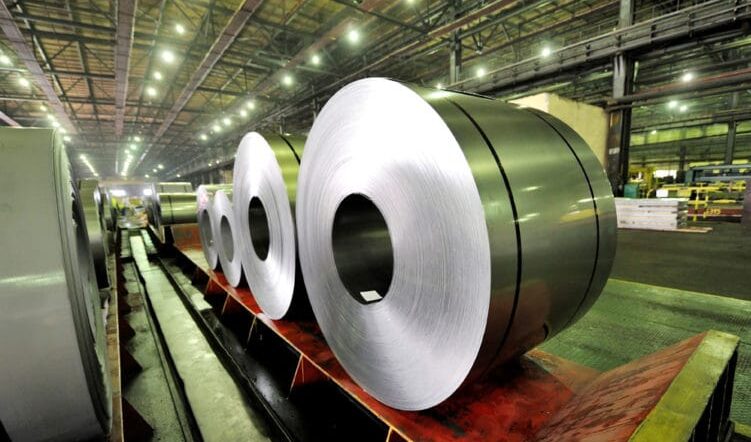
Mill test certificates (EN 10204 3.1) verify carbon, manganese, and yield strength (Re ≥ 235MPa) prior to uncoiling.
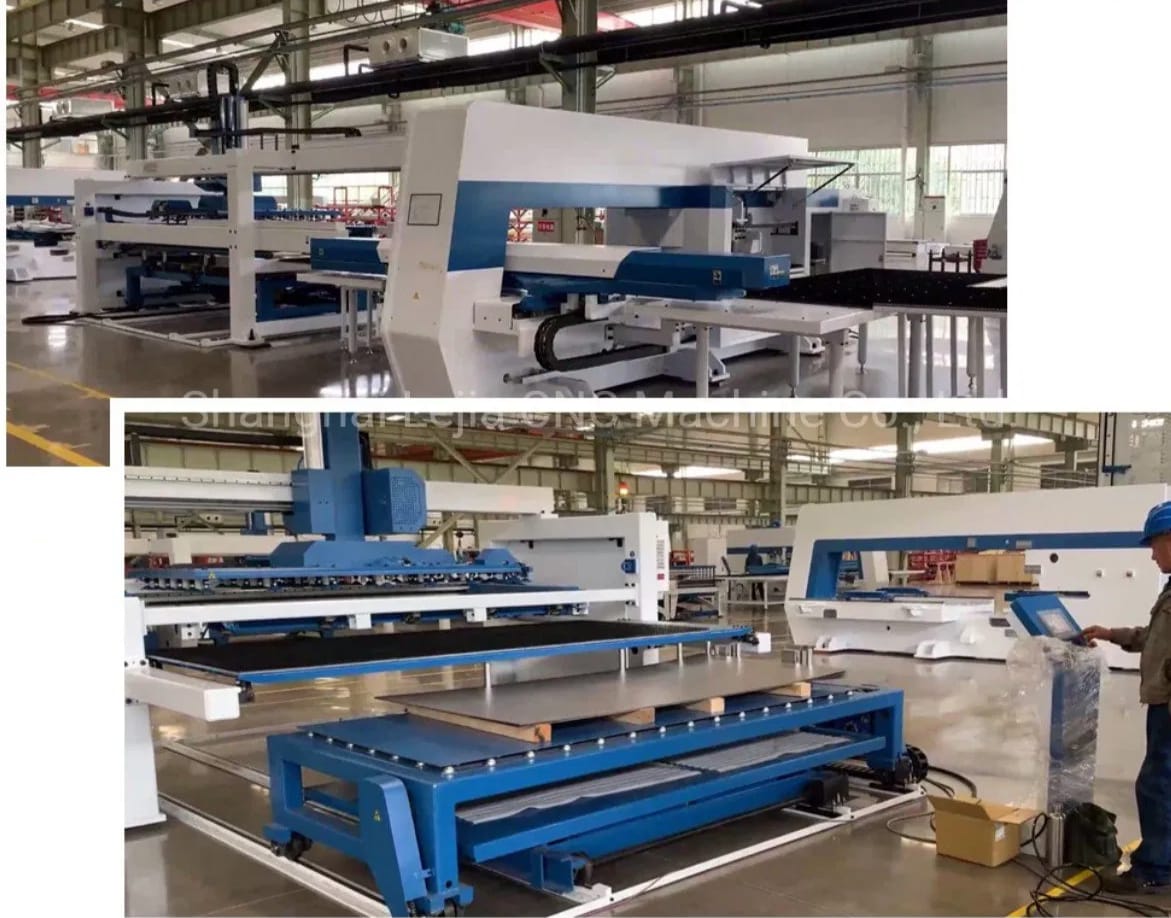
Multi-station mechanical presses punch teardrop, diamond, or butterfly pitch holes with ±0.1mm positional repeatability.
Cold-roll profile mills gradually shape high-tensile uprights with up to 12 structural bends, eliminating micro-residual stress.
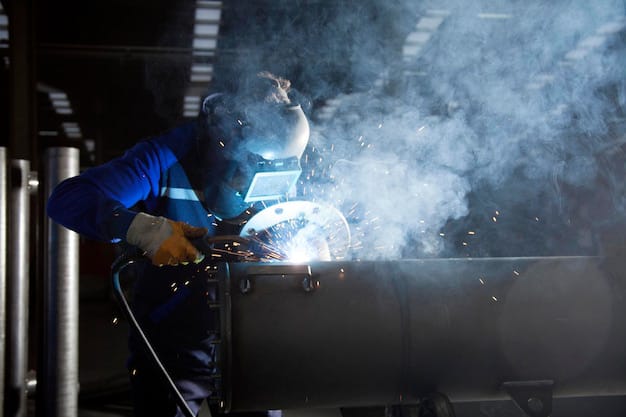
Robotic GMAW/MIG dual-torch stations weld box-beam end-connectors, guaranteeing full root penetration without spatter.
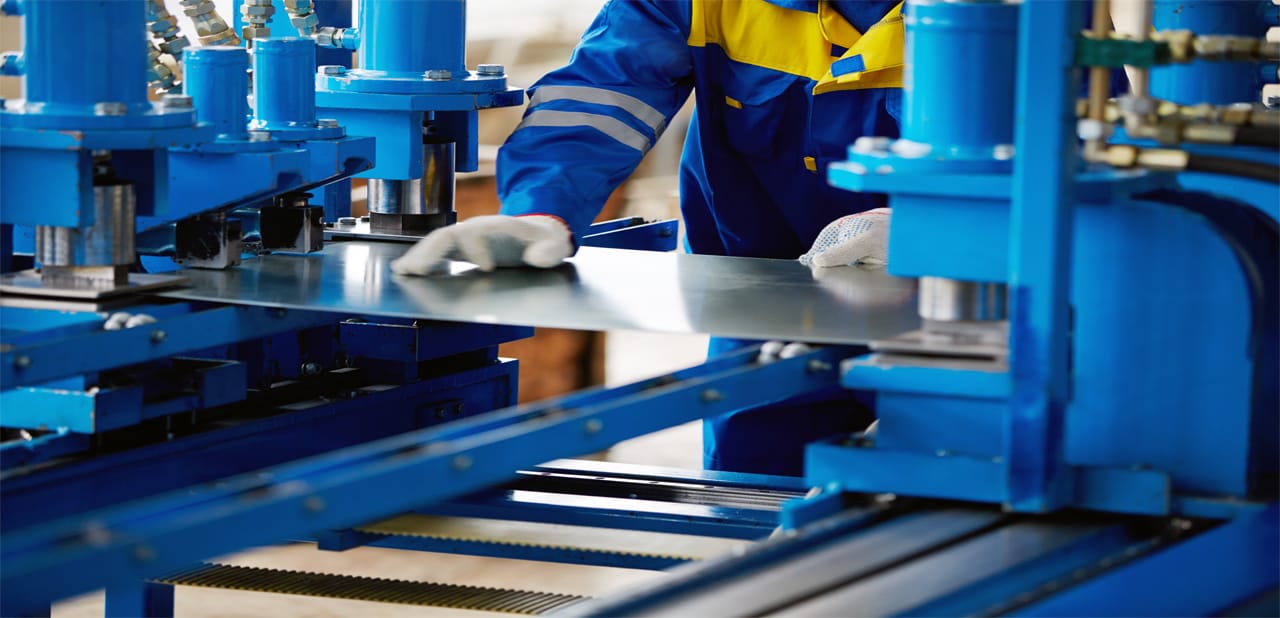
Heavy-tonnage hydraulic presses stamp structural beam end-connectors and safety locking pins to uniform tight tolerances.
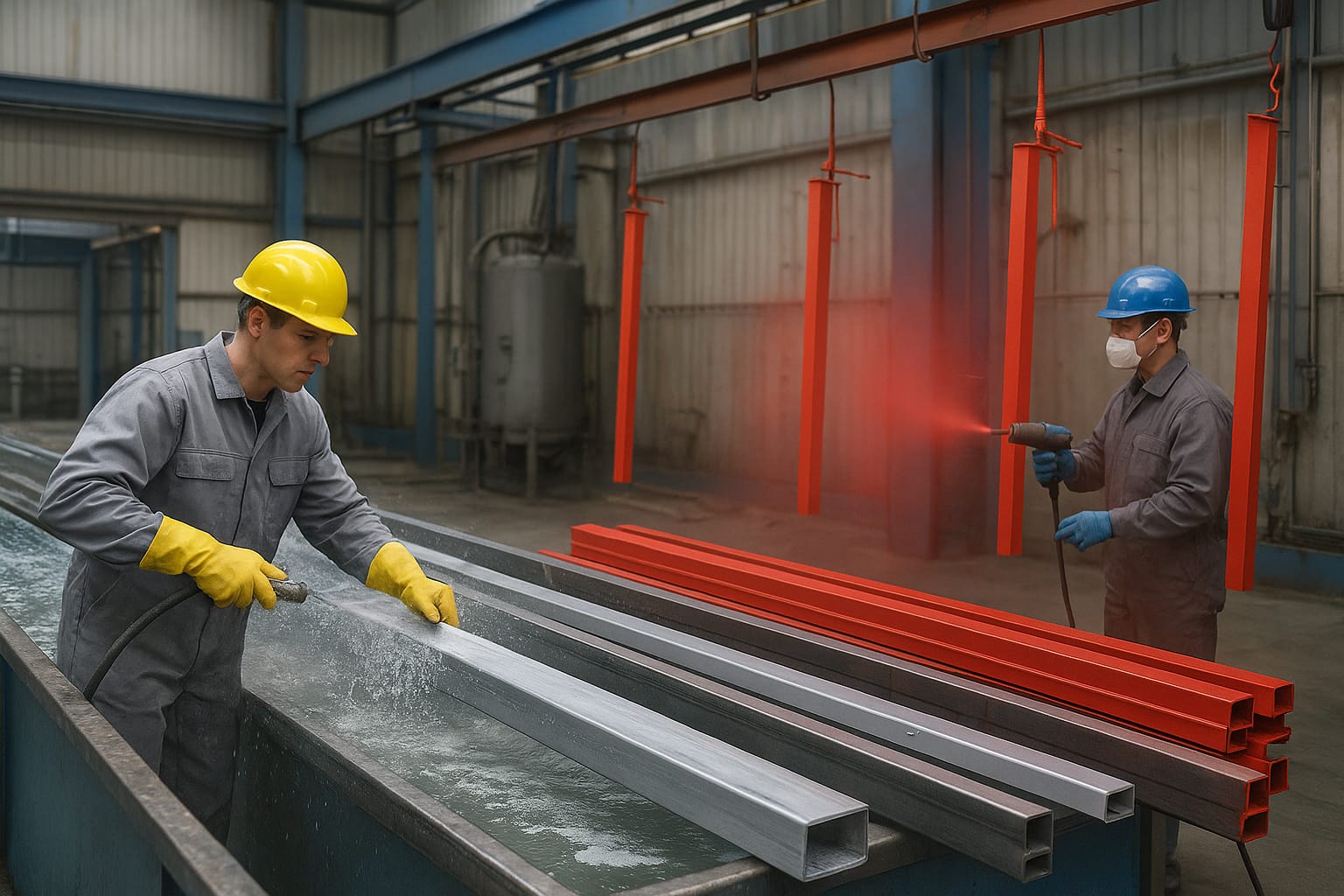
Multi-stage zinc-phosphating wash ensures superior surface adhesion before electrostatic epoxy powder curing at 190°C–210°C.

Full bay mock-up compression and load testing verify that beam flex stays strictly below the EN 15512 L/200 deflection limit.
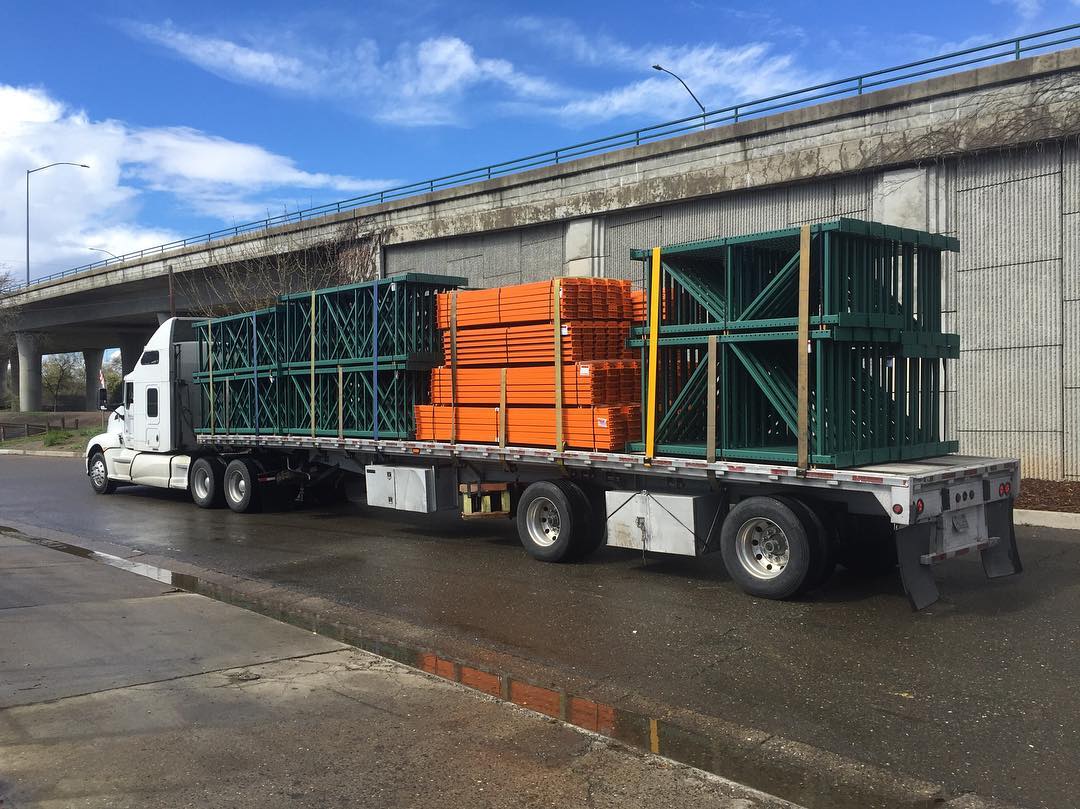
Uprights and beams are bundled with composite edge protectors and timber chocks to maximize 40ft HQ cube-fill without transit chafing.
Clear, data-driven answers addressing structural verification, container optimization, seismic calculations, and international installation workflows.
Connect directly with our senior logistics application engineers. We evaluate your architectural DWG drawings, load distributions, and equipment tolerances to deliver certified layout schematics and competitive manufacturer-direct FOB/CIF pricing.