Apparel supply chains demand zero-crease inventory preservation, rapid picking cycle times, and uncompromising structural integrity under dynamic loading. Explore certified production capacities, turn-key manufacturing systems, and modular apparel storage racking directly from our modern fabrication facility.
Purpose-built equipment designed to integrate seamlessly with Garment-on-Hanger (GOH) multi-tier setups, picking paths, and heavy-duty logistics centers.
Understanding the physics, structural mechanics, and workflow efficiencies between multi-level mezzanines, automated speed-rails, and modular cantilever hanging arrays.
Unlike standard pallet racking where static pallets concentrate load over heavy structural box beams, industrial hanging garment racks bear distributed, continuous line-loads punctuated by high localized dynamic vibrations during picking operations. The average suit, overcoat, or premium evening dress exerts between 0.8 kg to 2.8 kg of downward gravitational force per hanger. In high-density retail distribution hubs storing 80 to 120 garments per linear meter across multiple vertical levels, an unbraced 2,700 mm beam bay carries upwards of 750 kg of dynamic suspended mass.
Direct factory fabrication requires cold-rolled high-tensile Q235B or Q355B carbon steel with yield strengths surpassing 355 MPa. The primary design limit in Garment-on-Hanger (GOH) storage is not simply ultimate tensile failure, but the flexural deflection ratio. Following the strict provisions of FEM 10.2.02 and ANSI/RMI MH16.1, our engineering team locks beam deflection to below L/250 (and strictly under L/300 when integrated with mechanized trolley rails). Maintaining this rigidity prevents clothes hangers from bunching toward the center of the bay, eliminating garment crushing, seam deformation, and fabric micro-tears.
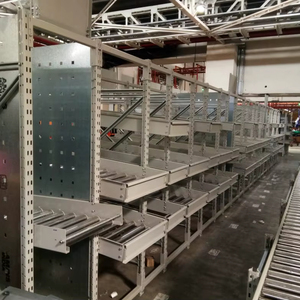
Engineered multi-level structural platforms utilizing heavy-duty vertical uprights to carry 2, 3, or 4 levels of integrated hanging garment storage with steel catwalks.
Tubular continuous rail networks where garments glide on grouped master hooks, enabling smooth transit from container offloading directly to consolidation aisles.
Ultra-narrow aisle automated storage and retrieval systems reaching heights of 18 to 24 meters, operated by precision telescopic cranes or robotic shuttles.
Review empirical parameters across major hanging rack topologies to optimize capital expenditure against volumetric throughput and floor cubic efficiency.
| System Architecture | Typical Clear Height | Uniform Distributed Load (UDL) | Deflection Criteria | SKU Density Efficiency | Optimal Application |
|---|---|---|---|---|---|
| Selective Single-Tier GOH Racks | 2.8 m – 4.5 m | 250 – 500 kg / Bay | ≤ L/250 | Baseline (1x) | Boutique distribution, back-of-store retail staging |
| Multi-Tier Mezzanine Hanging System | 5.5 m – 12.0 m | 600 – 1,200 kg / Bay | ≤ L/300 | High (3.5x) | Fast-fashion e-commerce fulfillment centers |
| Overhead Speed-Rail Tubular Matrix | 3.0 m – 6.0 m | 300 – 700 kg / Linear Track | ≤ L/350 | Dynamic Flow | Cross-docking garment sorting, dry-cleaning logistics |
| Automated AS/RS Hanging High-Bay | 12.0 m – 24.0 m | 1,500 – 3,000 kg / Column Bay | ≤ L/400 | Ultra-Dense (6x) | Mega-scale global central apparel supply depots |
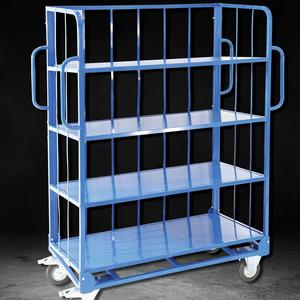
| Heavy-Duty Mobile Z-Rack Arrays | 1.8 m – 2.2 m | 150 – 250 kg / Cart Unit | Rigid Welded Tubular | Flexible Picking | Order consolidation, ironing & pre-shipment prep |
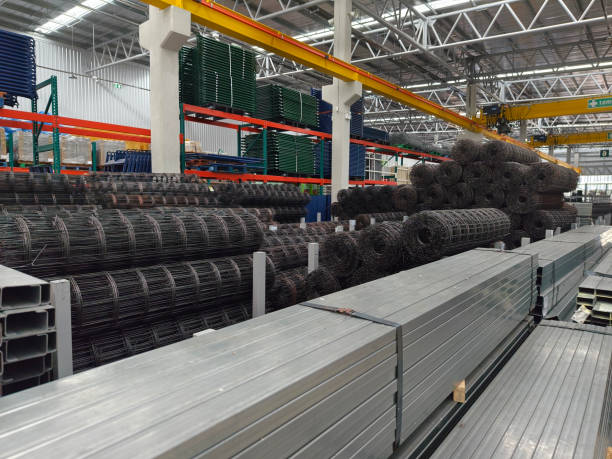
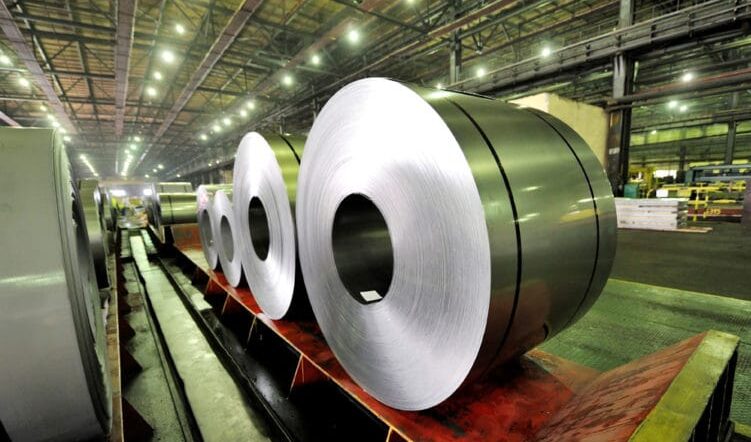
China's premier manufacturing ecosystem offers unparalleled access to high-grade virgin steel coils from Tier-1 mills (Baosteel, Shougang). The critical differentiator among manufacturers lies in roll-forming precision. Low-cost workshops employ universal open rollers, causing internal stress cracking and micro-twisting along 12-meter upright lengths. In contrast, automated roll-forming lines feature 18 to 22 sequential forming stages that incrementally bend the structural steel profiles under active cooling lubricants.
Every structural column exhibits continuous CNC punching along the front flange on a 50 mm, 75 mm, or 76.2 mm pitch. This allows drop-in adjustable hanging brackets equipped with positive safety drop-pins. The hanging rails utilize flanged oval tubing (typically 30x15 mm, 38x20 mm, or round 32 mm OD) designed with internal strengthening ribs that neutralize torsional twisting when garments slide sideways during high-speed wave picking.
How omni-channel reverse logistics, automated mobile robots (AMRs), and zero-carbon steel certifications are fundamentally altering racking specifications.
Warehouses are transitioning away from manual cart pushing. Modern hanging rack bays now incorporate guided clearance rails and optical fiducial markers on base-plates for Autonomous Mobile Robots (AMRs) that automatically transport hanging bundles directly to dispatch packers.
To combat astronomical inventory reconciliation costs in fast-fashion fulfillment, manufacturers are integrating low-voltage conductive strips and RFID antenna arrays directly into the underside of garment hanging tubes for 100% real-time perpetual stock inventory audits.
European Corporate Sustainability Due Diligence Directive (CSDDD) compliance is now a mandatory purchasing criterion. Leading factories apply thermosetting polyester powder coatings cured at lower thermal thresholds, free from lead, heavy metals, and volatile organic solvents.
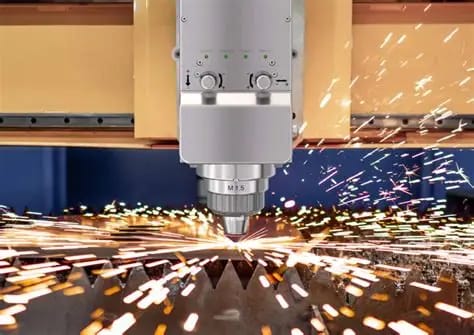
By controlling every phase—from raw coil de-coiling and automated multi-head punching to robotic laser welding and electrostatic coating—we guarantee micron-level tolerances and reliable lead times.
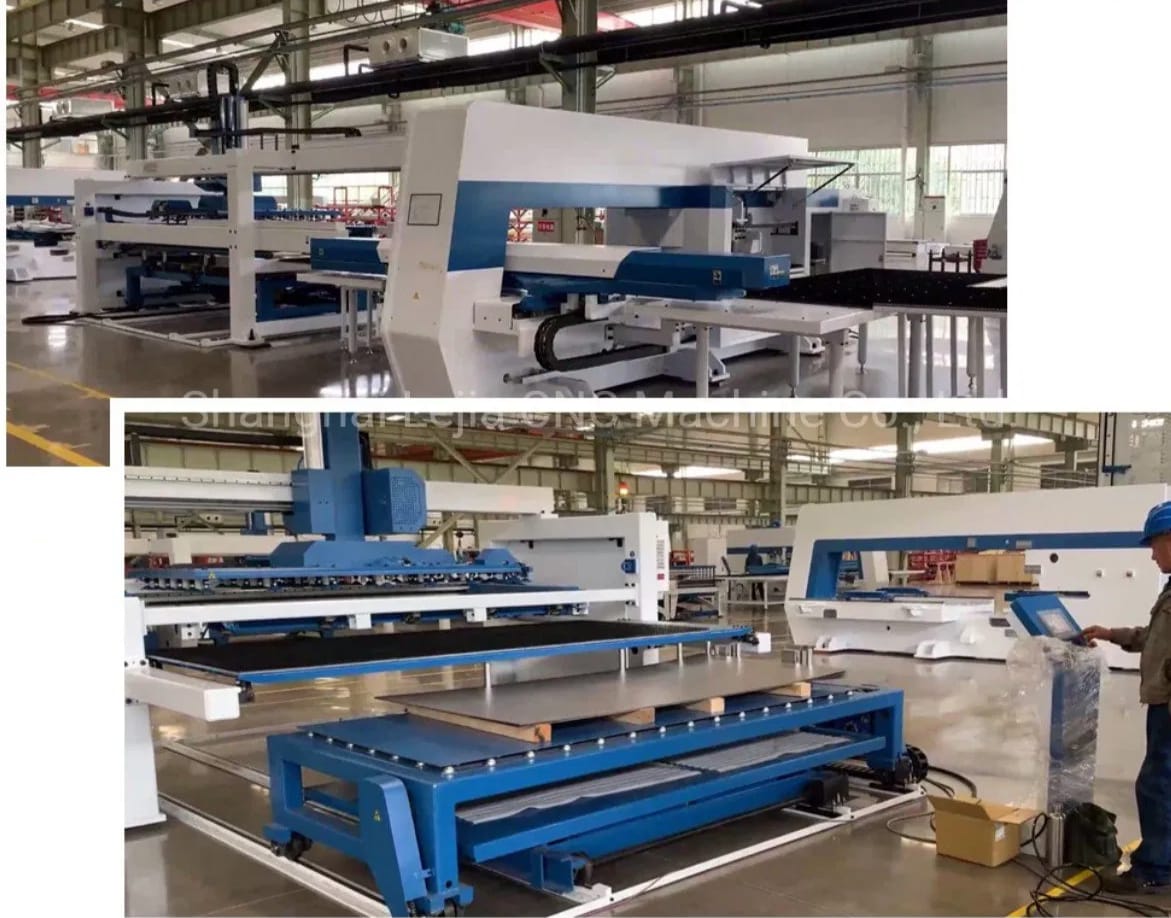
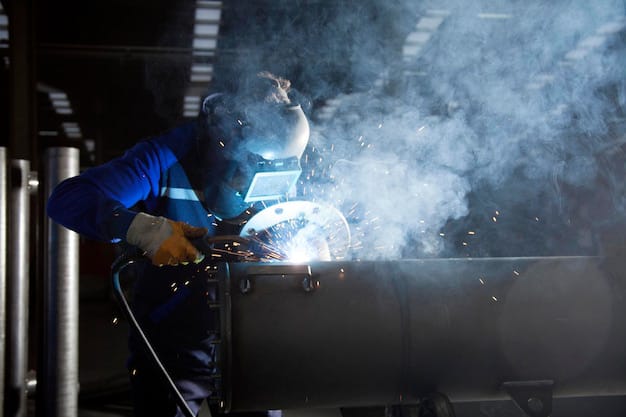
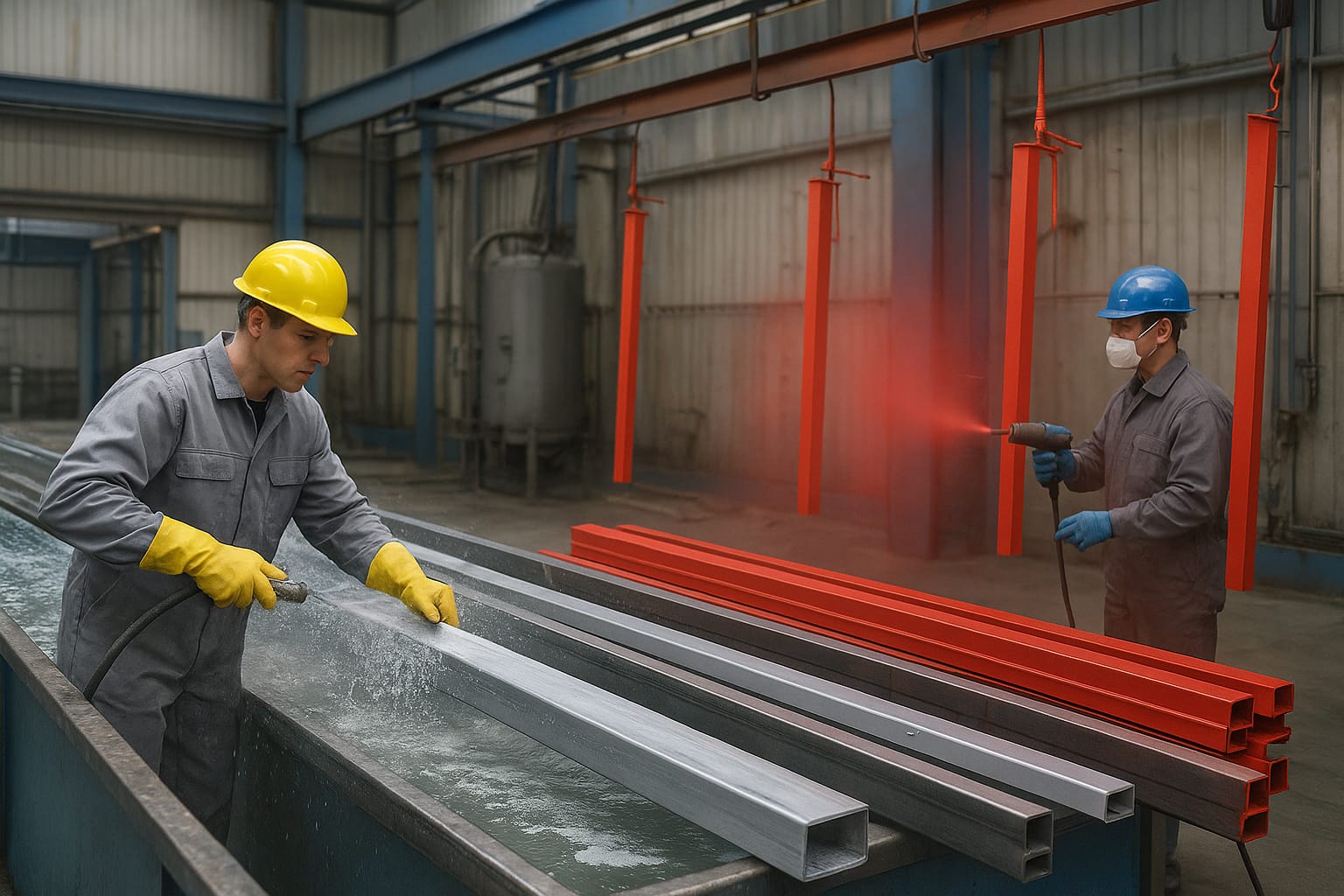
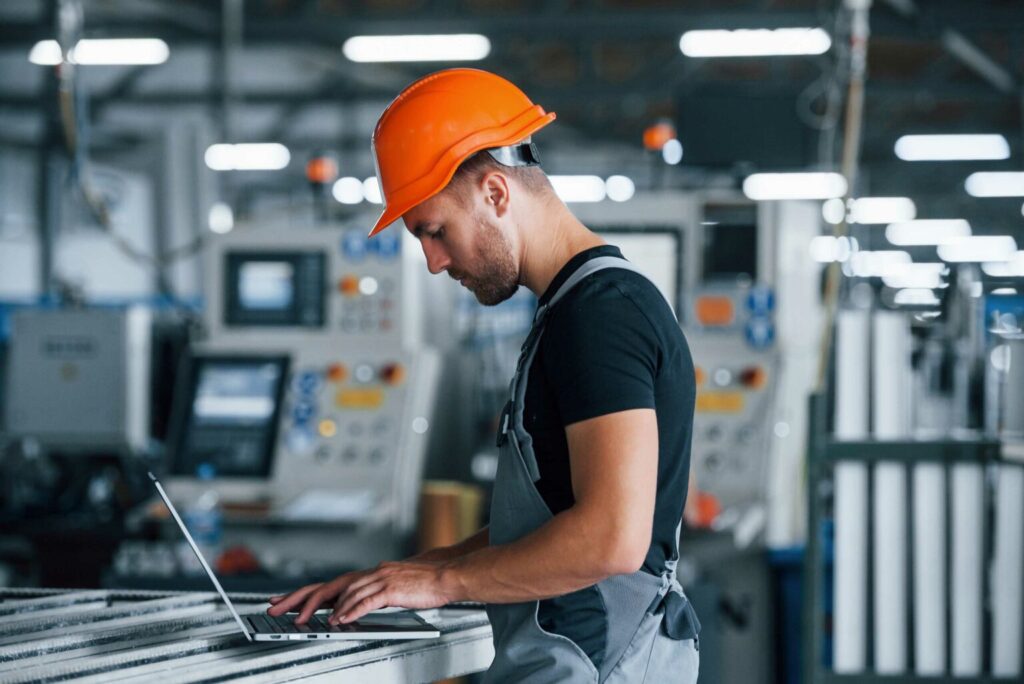
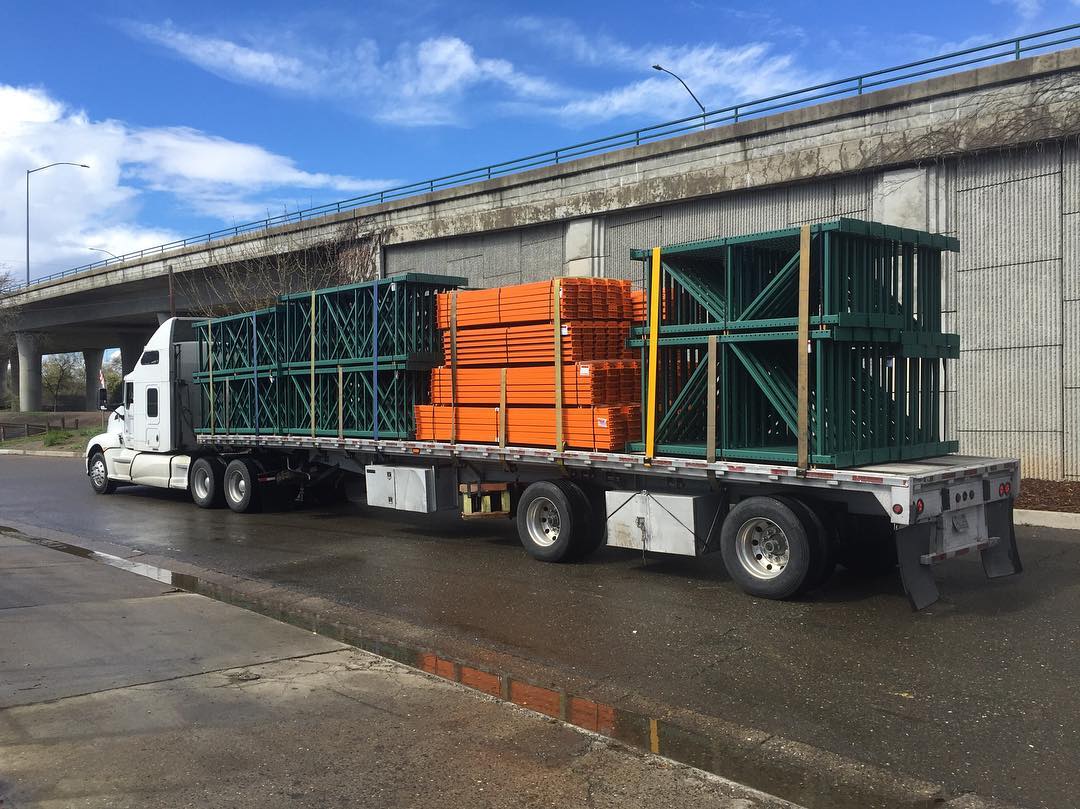
International supply chain executives face two chronic hazards when importing warehouse racks: out-of-square uprights that resist site assembly, and fragile paint coats that chip and snag expensive silk or cashmere garments. Our factory eliminates both through automated manufacturing discipline.
All upright connectors feature five-tooth locking claws stamped from 4.0 mm structural steel plates, providing self-wedging resistance under live loads. Surface finishing incorporates an 8-stage pre-treatment cycle: hot degreasing, twin water rinses, zinc-phosphate conversion, and demineralized neutralization before automated powder deposition. The result is a smooth, glass-like thermoset finish tested to ISO 2409 Cross-Hatch Adhesion Grade 0, ensuring zero burrs to snag apparel or slow down fulfillment operators.
Essential technical, logistical, and structural answers required by global warehouse project managers, supply chain directors, and engineering EPCs.
To deliver a comprehensive CAD layout, structural calculation report, and formal quotation, our structural engineering department requires:
Deflection is calculated using standard elastic beam mechanics: $$\delta = \frac{5 w L^4}{384 E I}$$ Where $w$ is the distributed hanging weight, $L$ is the bay length, $E$ is Young's Modulus of carbon steel (210 GPa), and $I$ is the cross-sectional moment of inertia. We optimize the tube geometry using heavy-wall cold-rolled oval profiles or welded twin-tube box sections. Additionally, for bays exceeding 2,700 mm, we install mid-span bridge supports linked directly to overhead tie-beams, mechanically capping flexural sag well within L/300 under full design load.
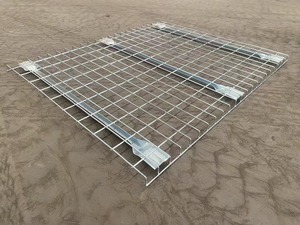
Yes. High-density apparel arrays pose distinct fire-load classifications under NFPA 13 and EN 12845 standards. Our designs incorporate 50% open-area electro-galvanized wire mesh decking between hanging tiers, open-slotted safety catwalks, and vertical longitudinal flue channels (minimum 150 mm clear) between back-to-back rack runs. This guarantees unobstructed sprinkler discharge penetration down to the lowest tiers, satisfying local civil defense and building inspection mandates worldwide.
We provide full export support across Incoterms 2020: FOB, CIF, CFR, DDU, and DDP. All upright frames are bundled with protective corrugated paper corner buffers, heavy-gauge steel strapping, and wooden skid risers for forklift unloading. Beams, hanging rails, and catwalk planks are palletized in stackable steel cradles wrapped in anti-UV waterproof stretch wrap. Small hardware (connector pins, bolts, base plates) is crated in solid fumigated plywood boxes with silica desiccant bags to prevent moisture damage during trans-oceanic passage.
Our standard MOQ for specialized GOH production runs is one 20ft container load (or approximately 5,000 kg of structural steel components). Standard fabrication turnaround for orders up to two 40ft High Cube containers is 15 to 22 business days following structural drawing approval. For complex multi-tier mezzanine installations requiring custom-rolled beams and stairs, factory lead times average 25 to 35 business days.
Every manufactured system includes a complete 3D isometric assembly manual, component piece-mark schedules, and anchor bolt positioning blueprints. For major warehouse build-outs, we can dispatch veteran project engineers to supervise local installation crews, verify laser column alignment, inspect anchor torque values, and execute final load-testing sign-offs for local council permitting.
Share your warehouse CAD floorplan, product inventory profiles, and load requirements today. Our licensed structural design team will deliver an optimized 3D layout, load-deflection calculation report, and a transparent factory-direct quotation within 24 hours.