Explore our engineered inventory matrix designed for high-density e-commerce fulfillment, industrial cold storage, heavy-duty material handling, and dynamic gravity picking operations.
In modern material handling engineering, order-picking efficiency directly controls warehouse operational expenditure (OPEX). As global supply chains face escalating labor costs and tighter fulfillment windows—particularly in e-commerce, automotive, pharmaceutical, and cold-chain logistics—intralogistics managers are turning to high-density dynamic storage. Among these structural innovations, Carton Flow Racks (Gravity Flow Racking) stand out as the primary catalyst for labor waste reduction and storage density maximization.
When evaluating a Top China Carton Flow Racks Supplier, global procurement teams must look beyond superficial price-per-meter metrics. Sourcing industrial-grade rack structures requires a rigorous technical assessment encompassing steel metallurgy (Q235B vs. Q355B high-yield cold-rolled steel), continuous profile roll-forming tolerance, pitch increment adaptability, roller axle friction coefficients, and compliance with international racking standards such as FEM 10.2.02, RMI MH16.1, and AS4084-2012.
This comprehensive engineering whitepaper provides an actionable technical matrix for procurement directors, supply chain consultants, and facility engineers seeking to specify, evaluate, and import high-performance carton flow rack systems directly from China's leading manufacturing ecosystems.
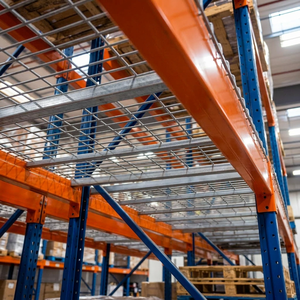
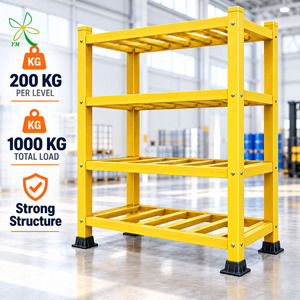
Our structural components utilize certified Q235B and Q355B cold-rolled carbon steel. Uprights feature continuous multi-stage roll-forming profiles with structural ribbing, guaranteeing structural integrity under intense dynamic impact and heavy uniform loads up to 1,500 kg per bed level.
CNC multi-head automated punch lines maintain precise 50mm pitch hole centers down to ±0.01mm tolerances. Surface treatment includes a 9-stage pre-wash, phosphatizing, and electrostatic epoxy-polyester powder coating (80-120 micron thickness) complying with ISO 9227 salt spray corrosion standards.
Roller tracks feature high-impact engineering plastics (Polyethylene/Polypropylene) or cold-drawn aluminum alloy frames with zinc-galvanized steel axles. Track pitch is customizable down to 28mm, accommodating soft-bottom corrugated cartons, plastic totes, and wooden crates without track sag or deflection.
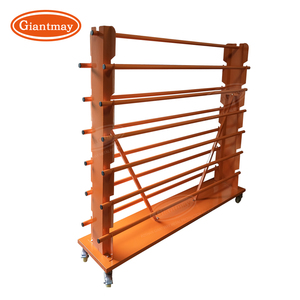
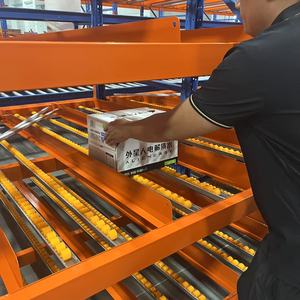
A carton flow rack is an unpowered dynamic storage system relying entirely on kinetic energy and gravity mechanics. Loaded from the replenishment aisle (rear) and picked from the retrieval aisle (front), the system enforces flawless First-In, First-Out (FIFO) inventory rotation. This separation of loading and picking functions eliminates worker interference, increases throughput safety, and dramatically cuts SKU travel time.
Determining the ideal incline gradient is crucial. Too flat, and cartons stall midway; too steep, and high-velocity impacts damage fragile SKUs at the discharge pick face. The standard dynamic flow formula utilized by our engineering team is:
Where ΔH represents the vertical drop between load and discharge beams, and L is the horizontal bed length. Heavy plastic totes require lower gradients (~2.5%), whereas light, flexing corrugated cartons require higher gradients (~4.5%) paired with full-width roller tracks.
To prevent carton impact damage at the picking face when bed lengths exceed 3.5 meters, engineered Brake Rollers (Speed Controllers) are integrated directly into the track lane. Using centrifugal internal gearing, brake rollers restrict speed to under 0.3 m/s regardless of carton mass, ensuring safe operation for workers at the front of the rack.
Use the technical comparative matrix below to align your warehouse operational profile with the optimum track metallurgy, lane design, and structural framing configuration.
| System Type | Roller / Track Material | Max Load Capacity | Optimal Container Type | Primary Application |
|---|---|---|---|---|
| Plastic Roller Flow Track | High-Impact PE / PP Plastic on Galvanized Steel Profile | 50 - 100 kg / meter | Standard Corrugated Cartons, KLT Plastic Totes | E-Commerce Picking, Retail Distribution |
| Aluminum Frame Flow Track | Engineered Polyurethane Rollers on Extruded Aluminum Alloy | 80 - 150 kg / meter | Smooth-Bottom Plastic Trays, Electronics Packaging | Cleanrooms, Electronics Assembly, Pharma |
| Full-Width Steel Roller Flow | Heavy-Duty Galvanized Steel Tubes with Precision Bearings | 200 - 500 kg / bed | Wooden Crates, Irregular Bottom Containers | Automotive Manufacturing, Hardware Spares |
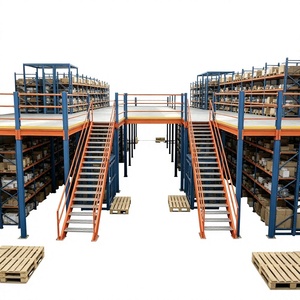
| Multi-Tier Mezzanine Flow | Modular Flow Tracks Integrated into Cold-Rolled Mezzanine Decking | 300 - 800 kg / sqm platform | Mixed High-SKU Logistics | Central Fulfillment Hubs, 3PL Warehouses |
As warehouse automation evolves from standalone static racking to hyper-connected intralogistics ecosystems, China's racking manufacturing sector is undergoing a rapid technological transformation. Facilities importing carton flow technology must align procurement specifications with these four mega-trends:
Modern flow racks are pre-engineered with integrated wiring channels and digital sensor brackets along the discharge shelf. LED pick-to-light displays guide operators to exact SKU locations, increasing picking speeds to over 600 picks/hour with 99.99% accuracy.
Carton flow discharge faces are increasingly automated with ergonomic drop-zones or motorized mini-conveyors, allowing Autonomous Mobile Robots (AMRs) to pick up discharged cartons automatically without human intervention.
Rigid welded racking beds are being replaced by toolless, snap-in flow track designs. Facility managers can adjust lane widths, add divider guide rails, or change beam tilt angles (15° or 30° presentation trays) in minutes as SKU profiles change.
Ensuring seamless project execution when importing racking systems from China requires a robust vendor audit framework. Procurement teams should mandate verification across four structural milestones:
Demand EN 10204 3.1 steel inspection certificates verifying carbon content, tensile yield strength (≥ 235 MPa for Q235B), and elongation parameters before continuous roll-forming begins.
Top manufacturers provide comprehensive CAD floor layouts and structural stress simulations showing maximum deflection limits under full load (deflection limited to L/200 per racking safety codes).
Verify that the factory conducts dynamic cycle testing on roller axles, ensuring plastic rollers undergo 100,000+ continuous carton passes without bearing failure or axle deformation.
Frame uprights and beam levels must be bundled using heavy-duty steel strapping, protective corner guards, and plastic film wrapping to prevent ocean-freight corrosion and transit abrasion.
Consult with our senior logistics structural engineers for a complimentary site layout audit, 3D CAD design, and direct factory quotation for your carton flow racking project.