Retail Showroom
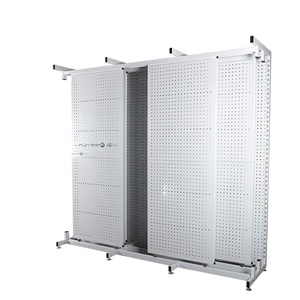
Heavy-duty structural steel systems precision-manufactured for roll carpets, broadloom fabrics, geo-textiles, vinyl flooring, and retail rug exhibition showrooms.
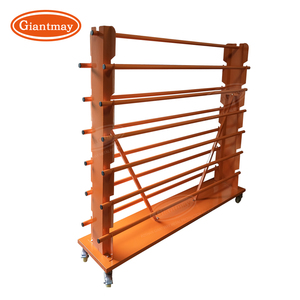
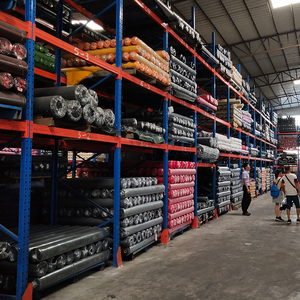
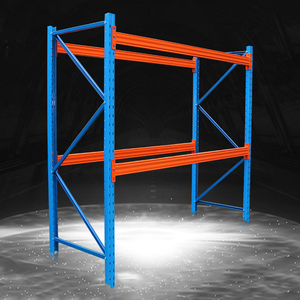
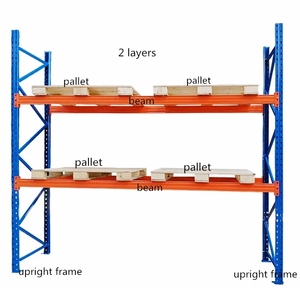
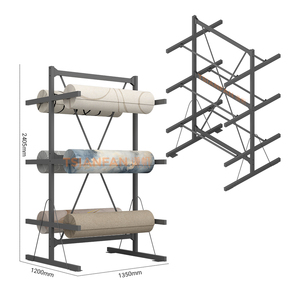
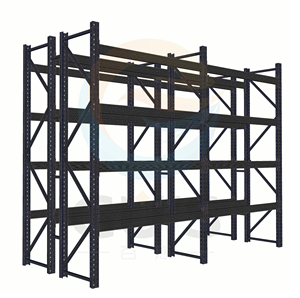
Storing long, high-density rolled commodities—such as broadloom tufted carpets, woven architectural rugs, geo-membranes, non-woven underlayment, and vinyl roll goods—presents engineering challenges that standard pallet racking systems cannot resolve. A pallet rack relies on uniform distributed loads (UDL) spread across two parallel horizontal beams. In stark contrast, rolled floorcoverings produce concentrated, continuous line loads along custom roll cradles or intense point-loading on cantilever arm prongs.
Furthermore, standard textile and carpet rolls span lengths between 2.0 meters and 5.0 meters (6.5 ft to 16.4 ft), with aggregate diameters ranging from 300 mm to over 1,200 mm, and roll weights frequently exceeding 800 kg to 2,500 kg per cylinder. In a high-density, multi-tier warehouse, unoptimized steel deflections cause roll core crushing, internal pile deformation, structural racking twist, and catastrophic frame collapse under dynamic loading. When sourcing from China manufacturers, procurement teams must look past raw steel tonnage and scrutinize section modulus, yield strengths, beam-to-column rotational stiffness, and forklift boom impact absorption.
Senior Engineering Insight: When picking 4-meter carpet rolls using forklift ram attachments (carpet poles), dynamic cantilever deflection causes up to 3.2x higher momentary torsional loads on the front upright post than static dead loads. Racks engineered without reinforced boxed upright columns and stiffened gusset plates fail premature fatigue cycles.
China's top OEM and ODM fabricators manufacture four distinct structural typologies for commercial and industrial carpet roll management. Selecting the correct system geometry dictates building clear-height utilization, inventory turnover speed, and SKU accessibility:
| System Typology | Structural Profile | Unit Load Limit | Handling Equipment | Selectivity & Picking | Footprint Density |
|---|---|---|---|---|---|
| Cradle Beam Pallet Racks | Heavy box beam with rolled saddle brackets & steel tube spacers | 1,200 – 4,500 kg / bay level | Counterbalanced forklift with carpet boom / ram | 100% Direct SKU Selectivity | Moderate (35–45% volume efficiency) |
| Pigeonhole / Honeycomb Racks | Interlocking steel pipe or cold-formed channel divisions | 300 – 1,000 kg / compartment | VNA man-up order picker or carpet stuffer mast | High Individual SKU Isolation | High (65–75% cubic efficiency) |
| Cantilever Roll Systems | Free-standing vertical columns with inclined, rolled safety arms | 500 – 2,000 kg / arm pair | Side loader, 4-way multi-directional reach truck | Direct side-entry loading, no front uprights | Moderate-High (variable roll diameters) |
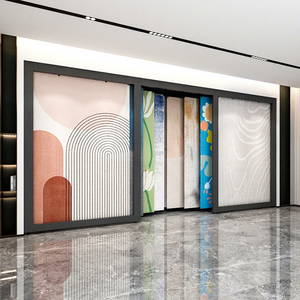
| Slide-Out & Hanging Showroom | Suspended heavy-duty ball-bearing overhead slide tracks & pegboards | 150 – 500 kg / panel | Manual ergonomic slide-pull mechanism | 100% Full-face client display presentation | Retail / Exhibition Focus |
Top-tier China carpet racking manufacturers employ Q235B and high-tensile Q355B (equivalent to ASTM A572 Grade 50 and European S355JR) hot-rolled steel coil feedstocks. The structural performance of roll racking uprights is governed by the roll-forming cycle: continuous multi-station progressive cold roll-forming prevents micro-fracturing along section radii, preserving yield strength along the omega and teardrop upright geometries.
Precision CNC multi-point automated punching ensures punch hole pitch tolerances within ±0.1 mm over a 12-meter continuous upright profile. This repeatable hole placement guarantees that safety pins, cross beams, cantilever arm locks, and cradle inserts lock into positive engagement without binding, structural eccentricity, or loosening under seismic vibration. Surface protection requires continuous automated shot-blasting (Sa 2.5 standard) followed by thermosetting electrostatic powder coating at 180°C–200°C curing temperatures. This produces an abrasion-resistant, anti-static barrier finish (70–100 μm dry film thickness) that eliminates color transfer and fabric snagging on premium wool or synthetic carpet materials.
Key evolutionary developments shaping how global supply chain directors, fulfillment centers, and carpet manufacturers procure warehouse infrastructure.
Procurement is rapidly shifting from manual boom pole forklifts toward Automated Storage and Retrieval Systems (AS/RS). Automated stacker cranes equipped with specialized mandrel roll-grippers travel down 30-meter high-bay narrow aisles, maximizing vertical warehouse cubes and eliminating manual roll handling damage.
Modern distribution operations demand dynamic reconfigurability. Future-proof carpet roll systems feature boltless, quick-release saddles that allow warehouse operators to swap between standard pallet decking and cylindrical cradle nests within minutes without specialized welding or tooling.
Enterprise buyers now require full FEA stress simulations prior to purchase order placement. China's top engineering factories generate localized load deflection maps under both static conditions and dynamic earthquake scenarios (compliant with ANSI MH16.1, EN 15512, and AS 4084 standards).
Fire regulations (NFPA 13) strictly govern vertical flue spaces between carpet rolls due to high thermal combustion properties. Emerging procurement specs mandate integrated optical sensors and load cells that alert facility managers when rolls shift out of designated safety envelopes.
With ESG compliance rising to the forefront of global procurement mandates, leading factories utilize closed-loop acid pickling, 100% recyclable structural steel, and zero-VOC anti-microbial powder coatings that prevent mold or bacterial build-up during extended sea-container transit and storage.
Over two decades of structural steel mastery: from certified coil receiving to automated roll-forming lines, robotic welding stations, and precision packaging.
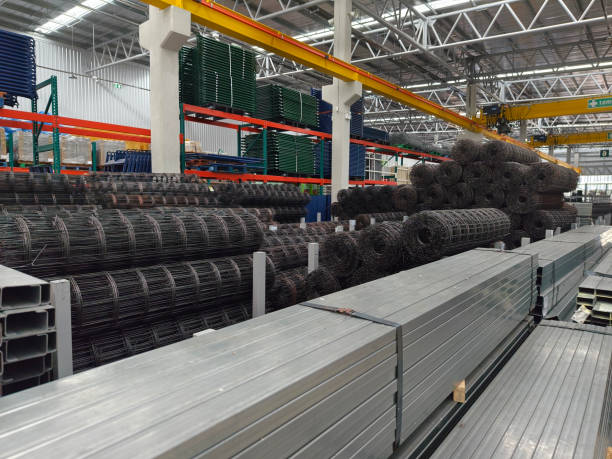
Certified Q235B/Q355B coils tested for yield, elongation and chemical composition before slitting.
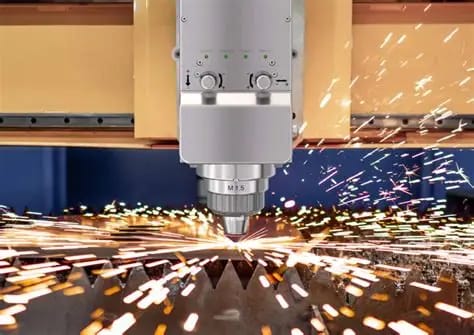
High-speed automated flying saws cut upright columns and beam members within ±0.5 mm tolerances.
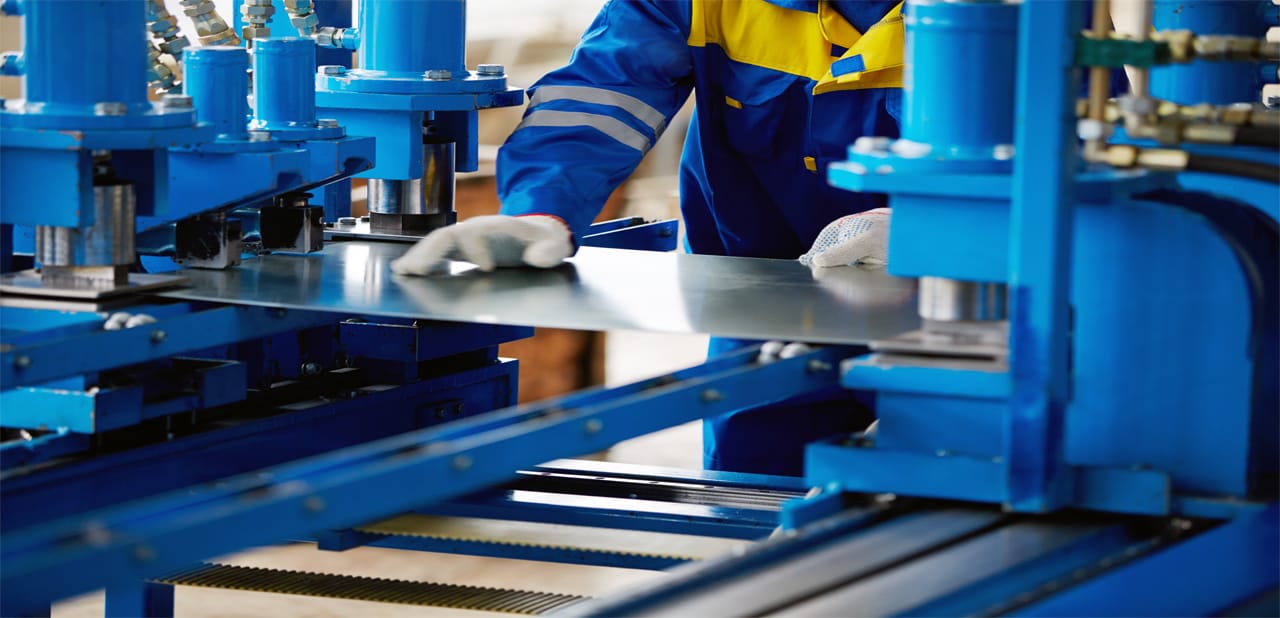
Heavy tonnage hydraulic presses forge beam end connectors, cradle saddles, and baseplates.
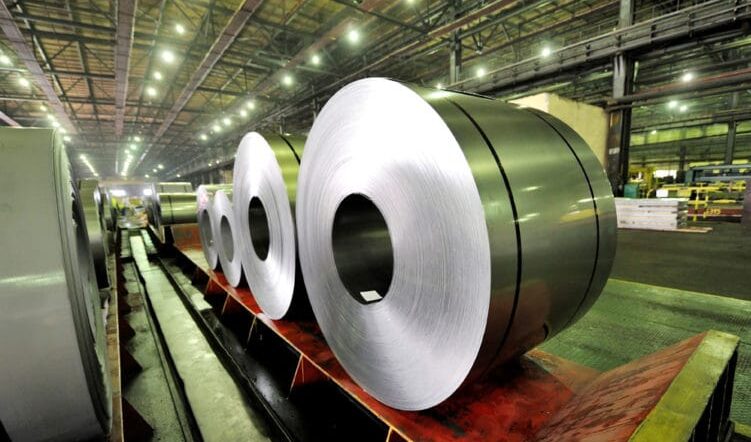
Multi-roller automated profiling lines form rigid uprights without internal residual structural stress.
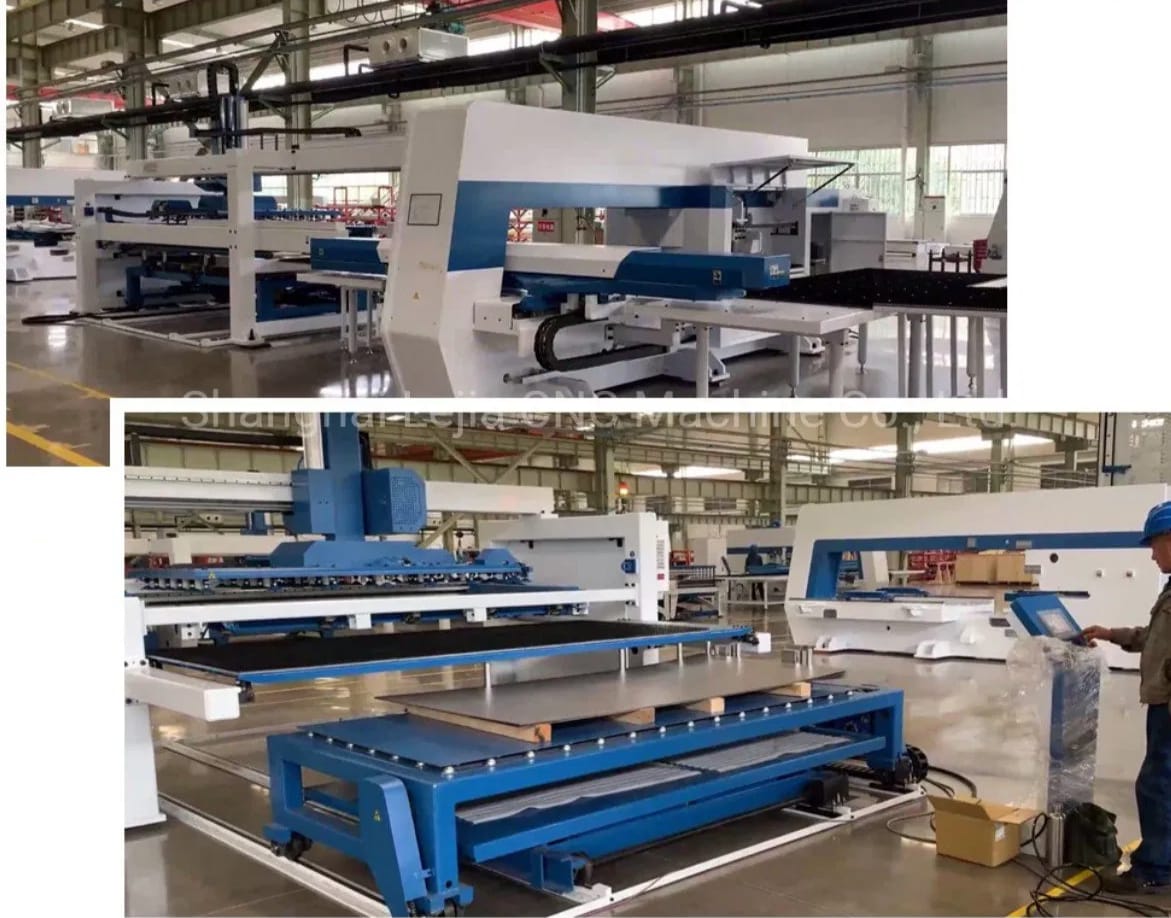
CNC pitch punching delivers identical slot geometry for frictionless beam connector locking.
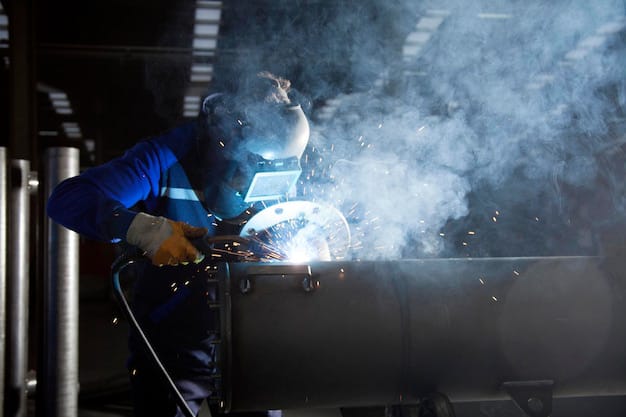
Shielded gas continuous robotic welding guarantees deep penetration along critical joint stress nodes.
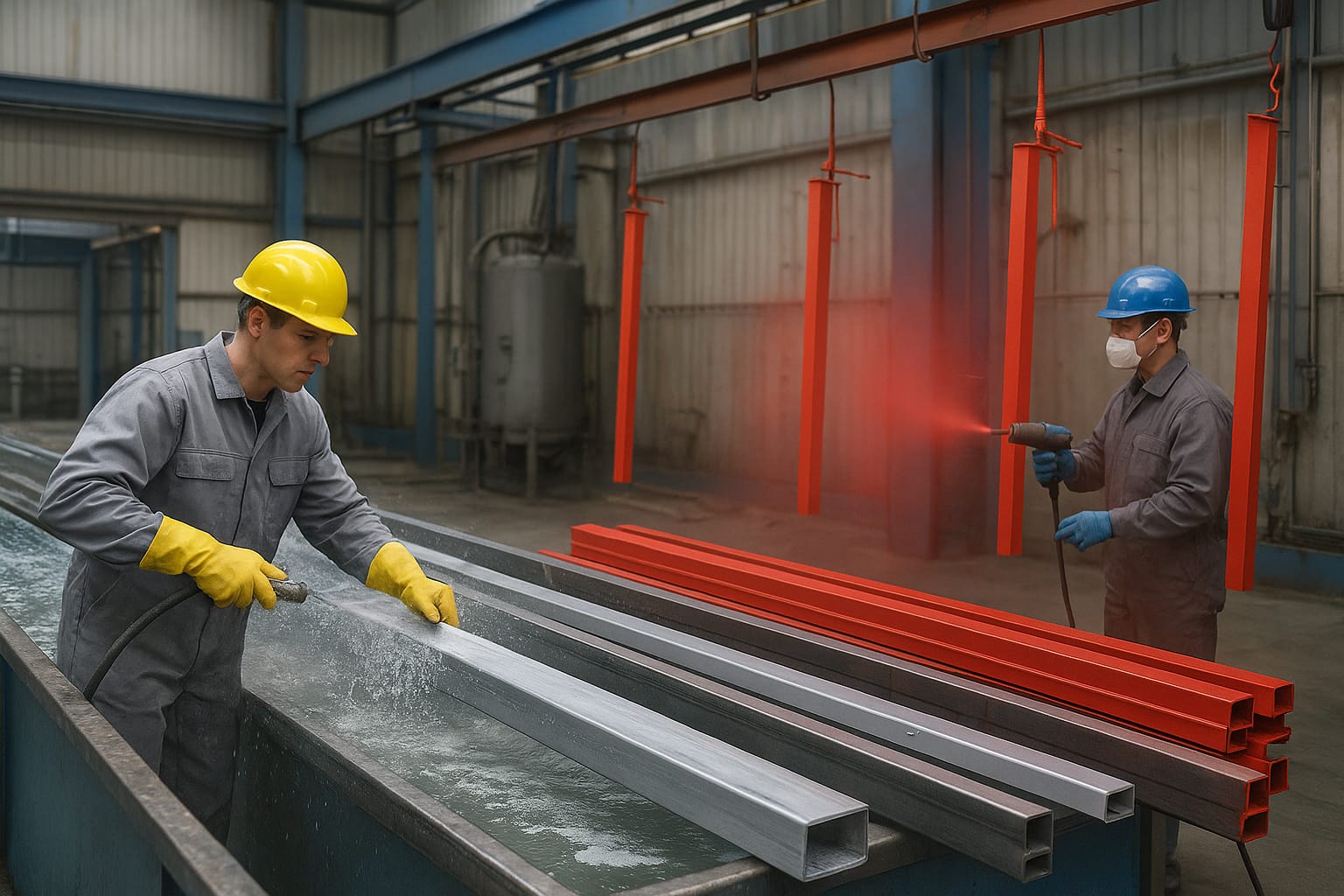
Automated multi-stage phosphating wash followed by high-adhesion electrostatic thermoset coating.
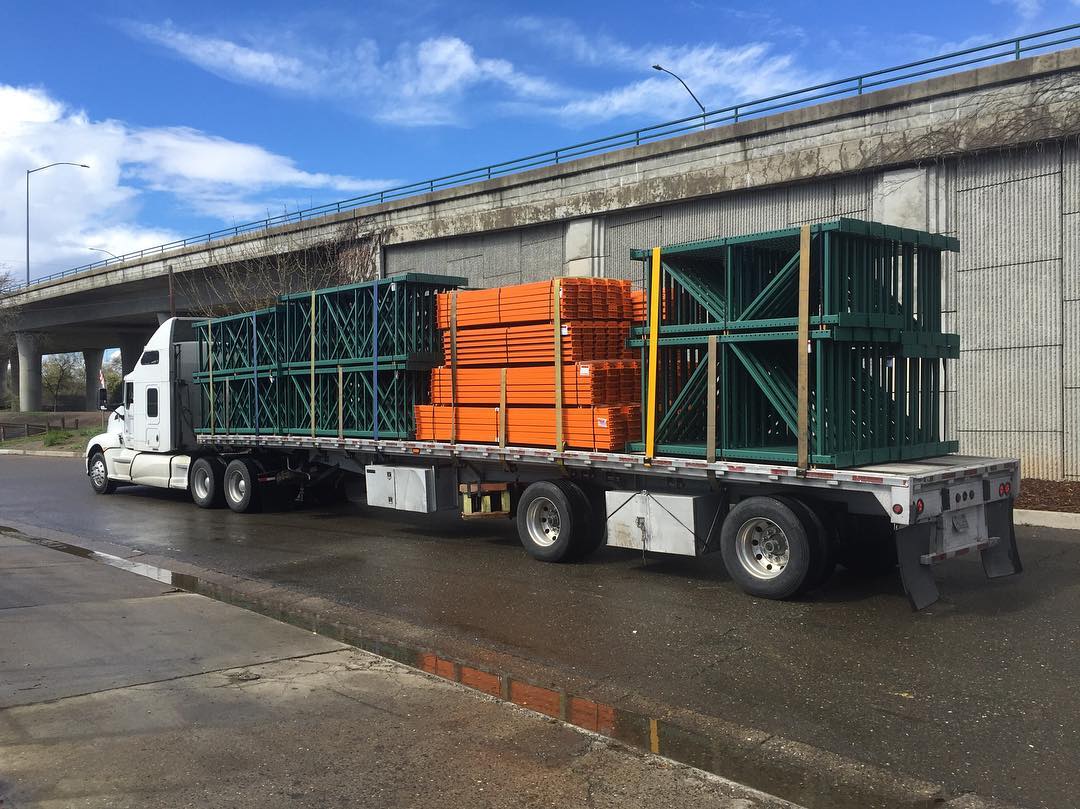
Cushioned steel bundle strapping and export crating designed for maximum 40ft High Cube container cube utilization.
Integrated manufacturing, end-to-end accountability, and tailored engineering support from preliminary CAD modeling to turnkey delivery.

Deep domain expertise spanning over two decades in warehouse storage, mezzanine structural design, and specialized carpet roll handling for international logistics hubs, retail giants, and textile mills worldwide.

Zero reliance on outsourced component fabricators. From cold roll-forming and high-tonnage stamping to robotic welding and powder coating, every stage undergoes strict ISO 9001 and structural tolerance auditing.

No generic catalog templates. Our senior structural engineers deliver customized CAD layouts, 3D clearance simulations, and floor-slab load calculation reports custom-fit to your clear heights, roll SKUs, and forklift equipment.
Technical and operational answers to common inquiries raised by warehouse logistics managers, procurement directors, and showroom architects.
Send our senior engineering team your warehouse dimensions, clear heights, roll diameters, and target SKU capacity. We will generate an optimized 2D/3D CAD layout, load simulation, and competitive manufacturer quotation within 24 hours.
Send an Inquiry