Direct from in-house automated roll-forming, punching, and argon TIG welding lines. Designed for corrosive ambient storage, ISO-certified cleanrooms, commercial food contact, and heavy pallet logistics.
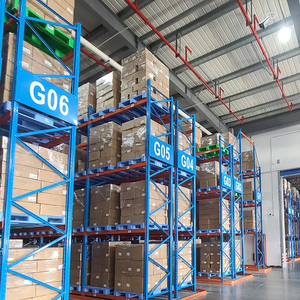
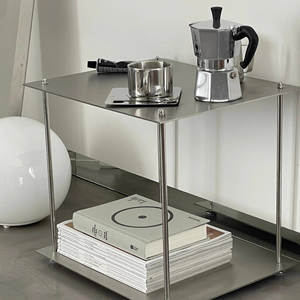
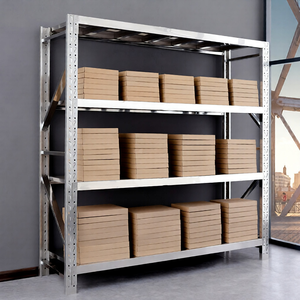
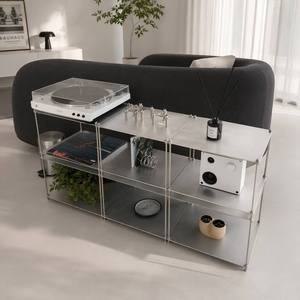
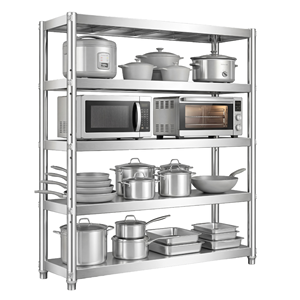
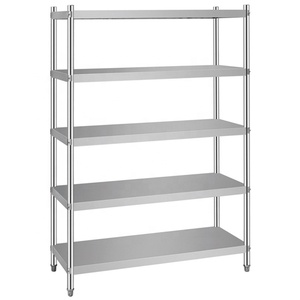
An objective, comparative engineering assessment detailing production capacities, metallurgical grades, structural certifications, and custom fabrication strengths.
Headquartered in Ajman Free Zone with advanced automated production lines, Signature Racking Systems is recognized for end-to-end manufacturing autonomy. From raw steel coil roll-forming and CNC punching to robotic seam welding and export knock-down packaging, they engineer heavy-duty pallet racking, food-grade SS 304/316 cleanroom shelving, and multi-tier mezzanine floors.
A premier American corporation widely celebrated for open-wire stainless steel storage. Metro's Super Erecta line remains an international benchmark in sterile hospital supply centers, cleanrooms, and culinary institutions requiring high airflow and NSF-certified microbiological washability.
Specializing in Spec-Master series stainless steel fixtures, Eagle Group leads the North American cleanroom market. Their electropolished 304 and 316 stainless shelving solutions are engineered to eliminate particulate traps in Class 1 (ISO 3) semiconductor and pharmaceutical spaces.
A high-volume manufacturer known for robust fabricated commercial kitchen tables, wall shelves, and floor-standing racks. Advance Tabco utilizes heavy 14-gauge and 16-gauge 304 stainless sheets featuring welded gussets, rolled sanitary edges, and bullnose finishes for commercial prep zones.
A German intralogistics titan providing cold-chain stainless automated high-bay racking systems. Known for heavy structural profiles and Automated Storage and Retrieval System (ASRS) interfaces deployed in ultra-low-temperature -30°C cold logistics facilities and chemical warehousing.
Quantum provides an extensive catalog of industrial wire shelving, solid stainless steel racks, and bin storage systems. Their designs emphasize tool-free assembly, high uniform load capacity, and electrostatic dissipative (ESD) properties required by high-tech electronics manufacturers.
Famous for the Camshelving series, Cambro engineered a hybrid solution combining high-tensile steel core posts with molded antimicrobial polypropylene plates. For environments where caustic brine or high-chlorine sanitizers corrode inferior metals, Cambro offers high chemical inertness.
Originating in Germany, Kesseböhmer pairs metallurgical excellence with elegant spatial design. Their stainless shelving lines feature micro-tolerance laser cutting, high-end satin electroplating, and motorized vertical lift mechanisms for premium industrial and retail installations.
Lyon is an established US brand specializing in heavy-duty welded industrial storage cabinets, tool racking, and hazardous storage lockers. Their stainless steel platforms are engineered to withstand extreme point-load impacts from aerospace tooling and heavy machine shops.
With decades in rapid distribution and bespoke light-to-medium racking supply, Shelving Inc. excels in flexible B2B fulfillment. They serve mid-tier pharmaceutical dispensaries, regional food distributors, and automotive depots requiring fast-ship custom rack configurations.
Compare baseline material specifications, surface finishes, load-bearing capacities, and sanitary ratings across typical manufacturing tiers.
| Shelving Category | Steel Alloy Grade | Surface Passivation | UDL Load per Shelf | Corrosion Resistance | Compliance Standards |
|---|---|---|---|---|---|
| Heavy-Duty Warehouse Pallet Shelving | AISI 304 / S235 Cold-Rolled | Hot-Dip Galvanized / Anti-Static Epoxy | 1,500 – 4,000 kg | High (Ambient & Humidity) | EN 15512, RMI, FEM 10.2.02 |
| Hygienic Cleanroom & Pharma Racks | AISI 316L (Low Carbon) | Electropolished (Ra < 0.4 µm) | 300 – 600 kg | Extreme (Acid & Chloride proof) | ISO 14644, FDA cGMP, EHEDG |
| NSF Commercial Foodservice Units | AISI 304 (18/8 Chrome-Nickel) | #4 Hairline Satin Polished | 250 – 450 kg | Superior (Fatty Acids & Steam) | NSF/ANSI Standard 2, CE |
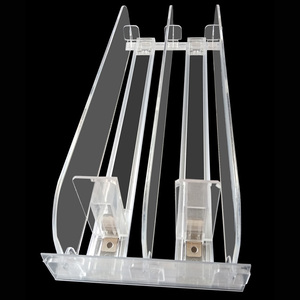
| Automated Supermarket Push-Back Racks | AISI 201 / 304 Hybrid Core | Passivated Chrome Barrier | 80 – 150 kg | Moderate (Indoor Retail) | CE, RoHS Certified |
| Cold Storage & Blast Freezer Racks | AISI 304 High-Ductility | Pickled & Passivated Acid Bath | 500 – 1,200 kg | High (Sub-zero Condensation) | HACCP, ISO 22000, OSHA |
Maintaining complete autonomy across cutting, roll forming, pressing, auto punching, welding, and surface treatment eliminates supplier markup and guarantees sub-millimeter tolerances.
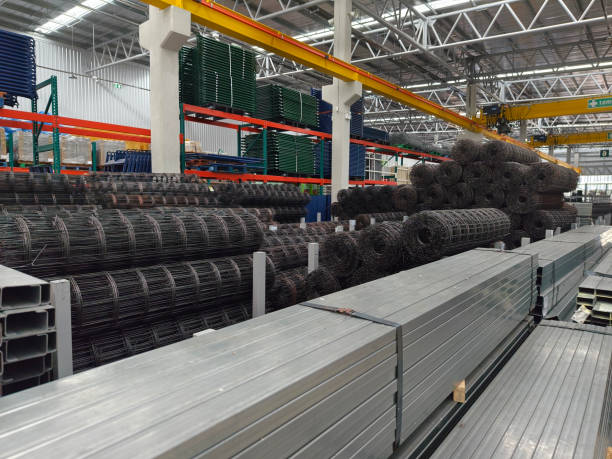
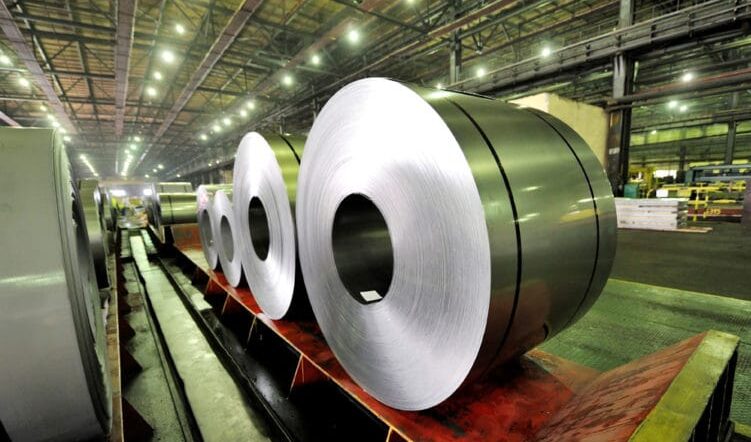
ASTM A240 certified steel verified for tensile yield before slit-cutting.
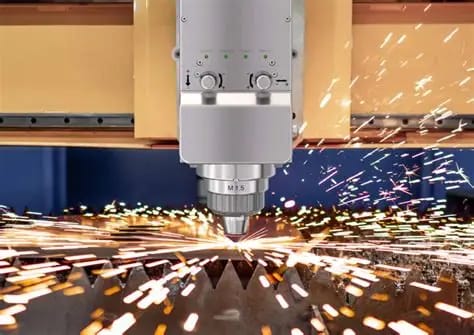
Accurate upright and diagonal bracing lengths to prevent dimensional drift.
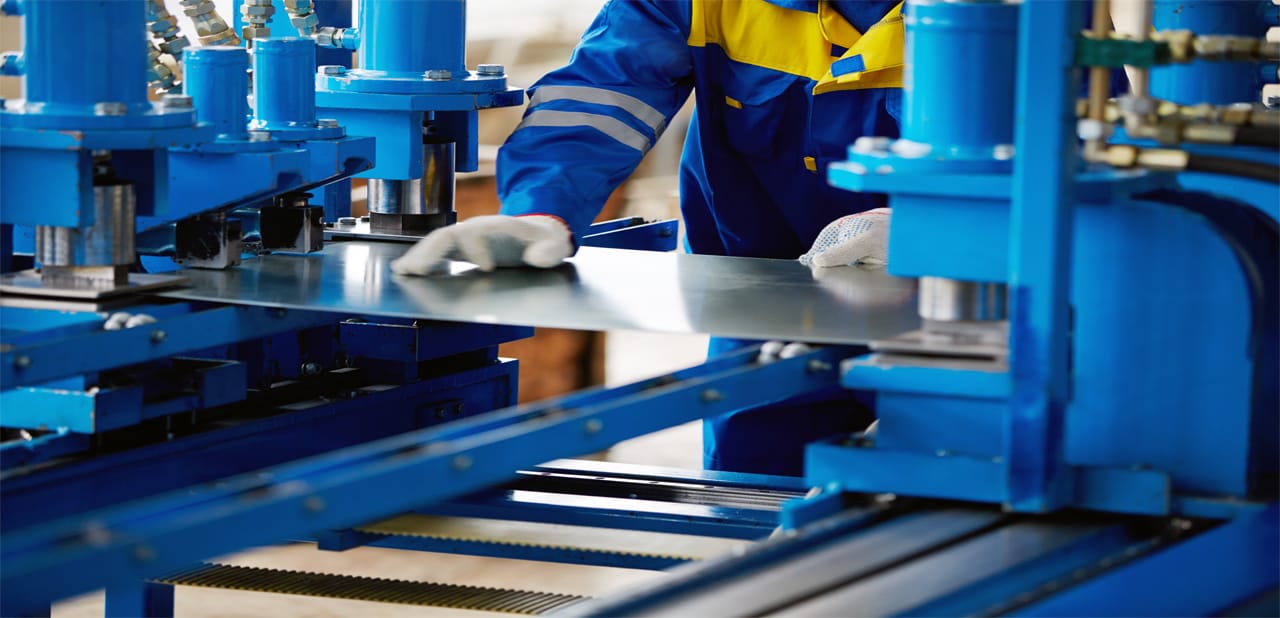
Forming heavy-gauge baseplates, hook connectors, and corner joints.
Continuous profile roll lines creating rigid Omega and box beam geometries.
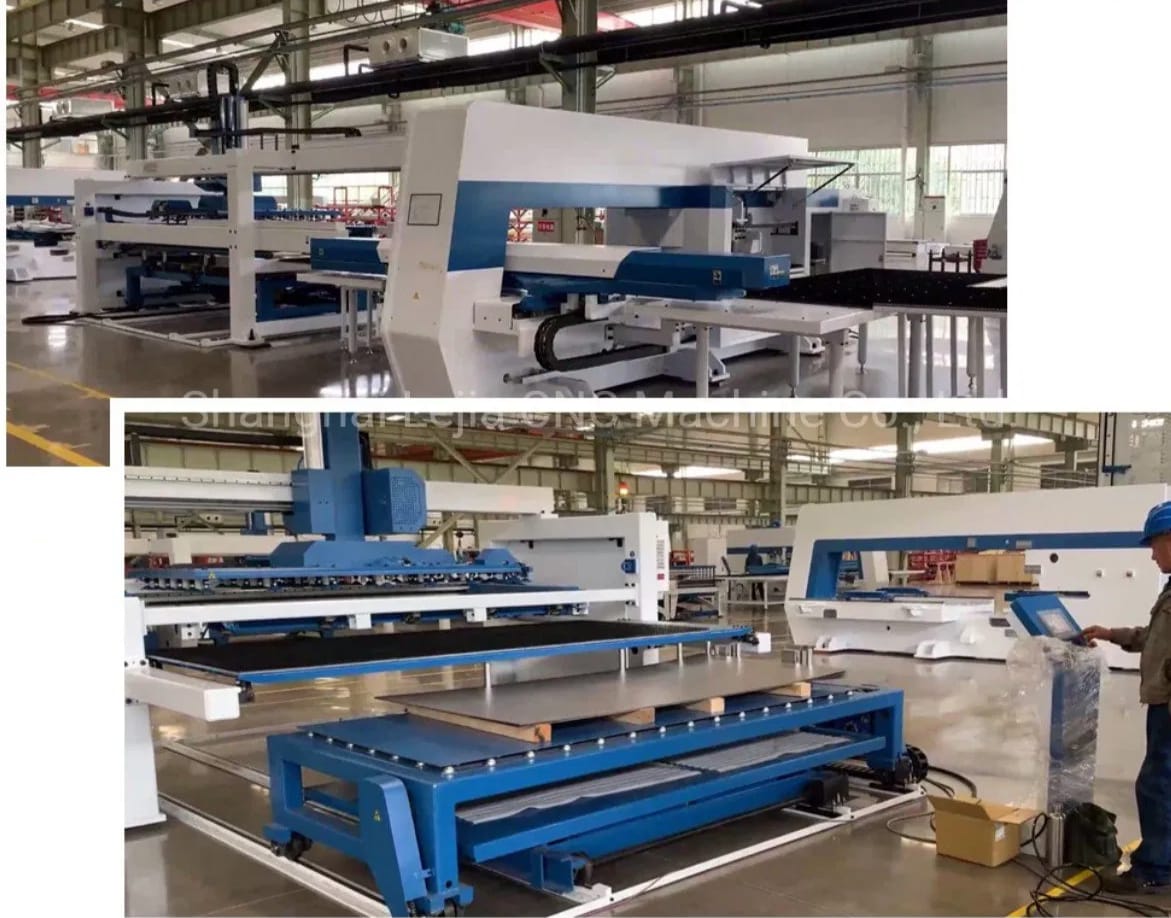
Laser-calibrated 50mm pitch punch pattern for rapid modular adjustment.
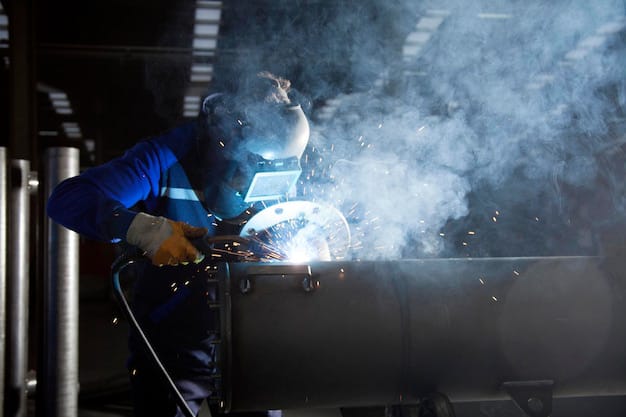
Deep-penetration continuous argon shields with zero porous slag inclusions.
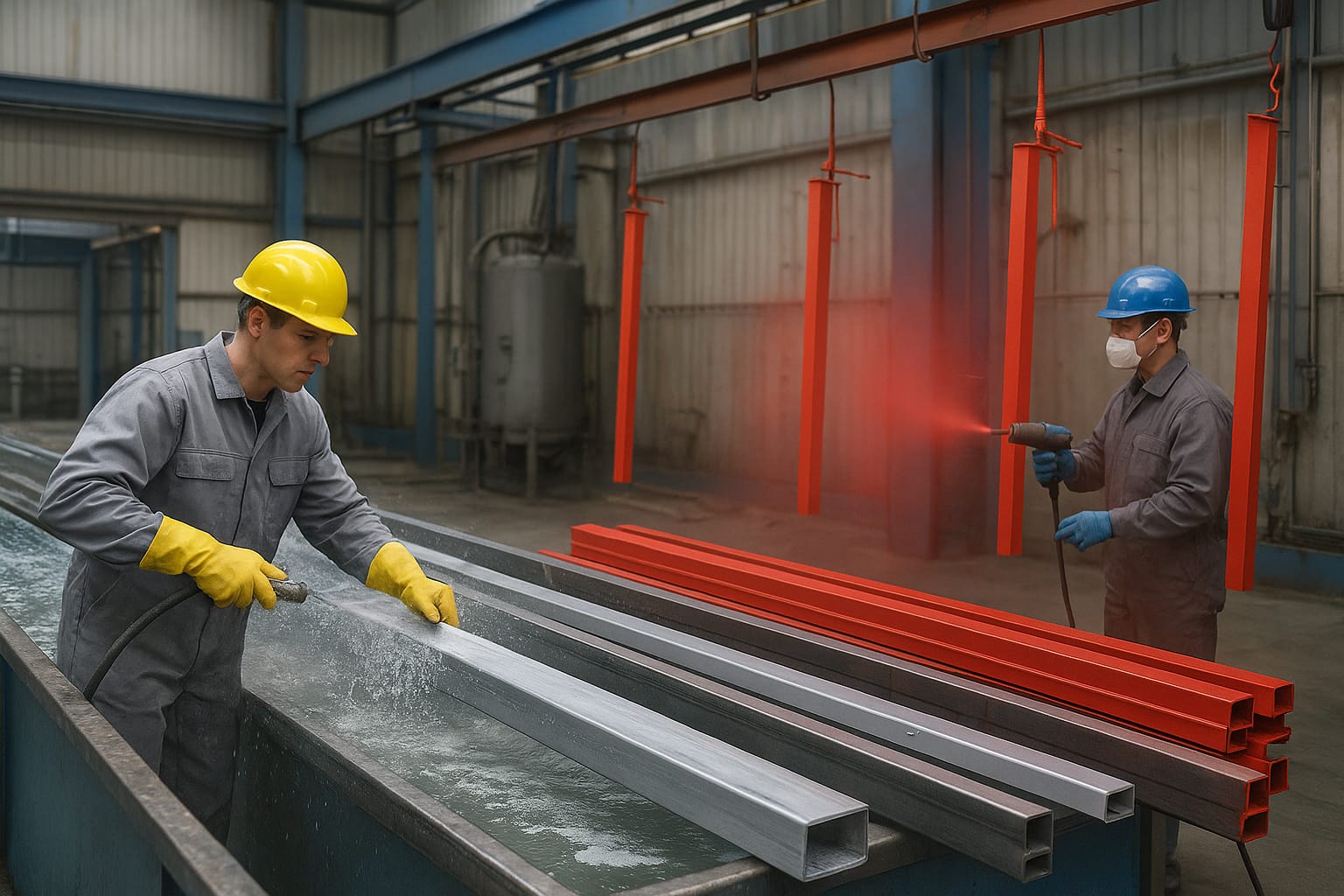
Chemical baths strip free iron particles, restoring the chromium oxide layer.
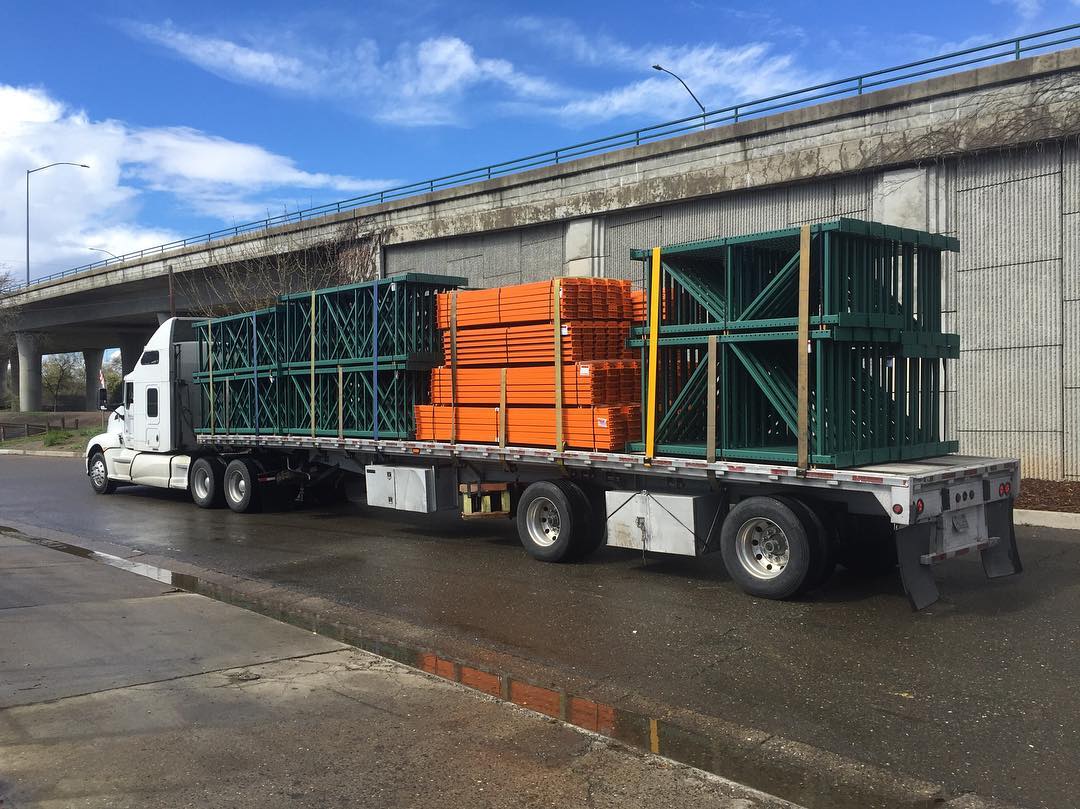
Polyester edge strapping and vapor-barrier wrap ensuring zero ocean rust.
A structured project delivery framework tailored for warehouse directors, cleanroom planners, and supply chain procurement leads.
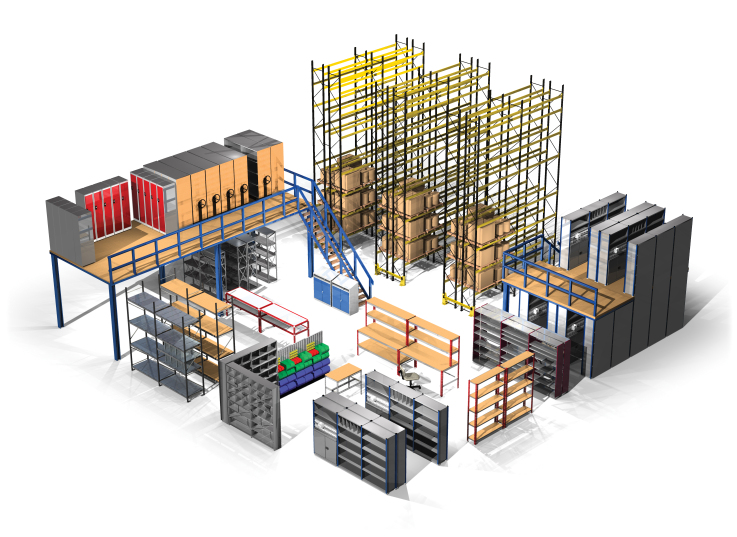
Engineers calculate live vs dead load ratios, slab psi capacity, forklift turning radius, and ambient chemical exposures.
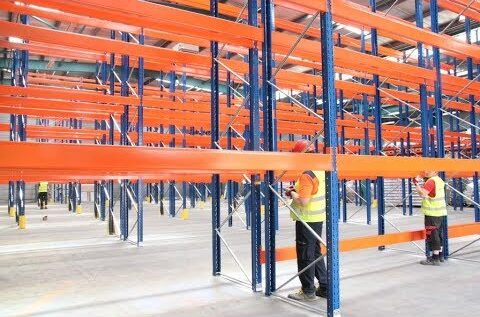
Custom 3D CAD modeling simulating structural deflection under Uniform Distributed Load (UDL) up to L/300 thresholds.

Uprights, box beams, and shelves pass dimensional verification, chemical ultrasonic weld checks, and salt spray testing.
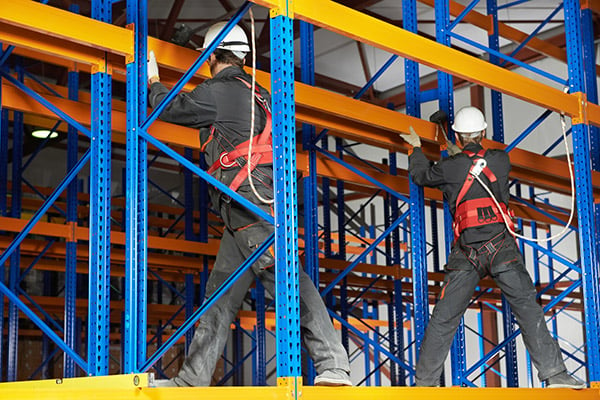
Trained installation teams perform laser leveling, seismic anchor bolting, safety signage placarding, and warranty handover.
Emerging manufacturing advancements and material science innovations shaping the commercial stainless steel shelving sector.
Procurement teams are shifting away from short-life painted carbon steel. While initial capital expenditure is higher, SS 304 and 316 shelving offers a 25-year service life without rust, repainting downtime, or coating contamination.
Automated Guided Vehicles (AGVs) and Autonomous Mobile Robots (AMRs) require millimeter-exact racking interfaces. Stainless racks are being engineered with laser-aligned guide tracks and reflective positioning markers.
Next-generation stainless finishes incorporate titanium dioxide (TiO2) and silver-ion nano-coatings that self-sanitize under ambient cleanroom UV light, neutralizing pathogens between formal CIP washdown cycles.
Smart stainless racks feature microscopic optical fiber and piezoresistive load sensors embedded inside load-bearing beams. Warehouse management software receives real-time alerts if a bay approaches structural yield strain.
Rooted in Ajman Free Zone with a global supply chain footprint, we offer comprehensive in-house manufacturing control.
No intermediaries or third-party contract fabricators. Every upright beam, slotted frame, and shelf deck is engineered, perforated, welded, and certified within our own facilities for uncompromising quality governance.
We do not force catalog-standard dimensions onto non-standard operations. Our team creates tailor-made CAD layouts based on clear warehouse height, forklift mast clearance, dynamic floor slab loading, and carton sizing.
Leveraging direct access to international maritime ports via the UAE logistics corridor, we deliver knocked-down, export-packaged racking systems accompanied by visual erection drawings and technical anchor schematics worldwide.
Clear, engineering-backed answers to critical questions faced by industrial procurement officers and warehouse designers.
AISI 304 contains 18% chromium and 8% nickel, offering broad resistance to oxidation, water, and food-grade acids. AISI 316 contains an additional 2–3% molybdenum, significantly elevating its Pitting Resistance Equivalent Number (PREN). This makes SS 316 essential for marine locations, high-saline coastal warehouses, cleanrooms utilizing aggressive chloride/vaporized hydrogen peroxide sterilants, and chemical manufacturing.
UDL assumes weight is distributed evenly across the entire surface area of the shelf deck rather than placed at a concentrated center point. In line with European Standard EN 15512 and FEM regulations, deflection limits are commonly specified as L/200 for standard industrial operations or L/300 for automated robotics and delicate pharma inventory, where L represents the clear span of the horizontal beam.
Yes. Stainless steel relies on a microscopic, self-healing chromium oxide (Cr2O3) passive film. If this film is scratched by carbon steel tools, exposed to stagnant free iron particles, or subjected to strong hydrochloric acids, galvanic or pitting corrosion can develop. High-grade manufacturers avoid this through thorough acid pickling and passivation baths, continuous argon shielding during welding, and the use of dedicated stainless steel handling equipment.
To provide a load-verified proposal and CAD layout, engineers need: (1) Architectural floor plan with column grid spacing, (2) Clear under-beam height to the lowest obstruction or sprinkler head, (3) Pallet or carton dimensions (W x D x H) including overhang, (4) Maximum unit weight, (5) Material handling equipment type and mast reach, and (6) Ambient temperature and chemical exposure conditions.
Solid stainless decking is preferred in healthcare, laboratories, and food preparation settings because it catches spills, prevents dust and liquids from dripping onto lower tiers, and can be sanitized with continuous wipe-down wash routines. Wire mesh shelving, while cost-effective and beneficial for overhead fire sprinkler water penetration, allows dust and leaks to pass through to bottom levels.
Yes. All international export orders are designed on a modular knocked-down basis. Upright frames, load-bearing horizontal beams, shelf panels, diagonal bracing, and anchor plates are flat-packed with protective corrugated interleaves, bubble film, edge protectors, and moisture-absorbing silica gel bags. This maximizes container volume utilization while preventing transit abrasions.
An electropolished finish on AISI 316L stainless steel is the benchmark for ISO Class 5 (Class 100) cleanrooms. Electropolishing dissolves microscopic surface peaks, achieving a surface roughness (Ra) below 0.4 microns (15 micro-inches). This smooth finish eliminates microscopic crevices where bacteria, fungal spores, or particulate dust can lodge, streamlining sterile cleaning protocols.
Yes. For regions subject to seismic hazards, baseplates are engineered with thicker steel gauges and multiple anchor holes. Our CAD simulations perform non-linear push-over analyses to verify beam-to-column connector ductilities, diagonal frame bracing layouts, and high-tensile wedge anchor embedment depths in accordance with local building code seismic acceleration parameters.