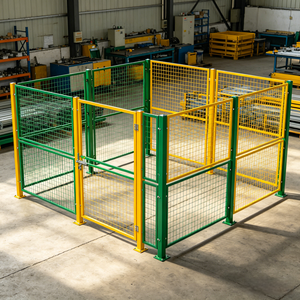
Direct manufacturer supply for certified robotic work cells, high-density distribution centers, automated material sorting zones, and hazardous equipment separation.
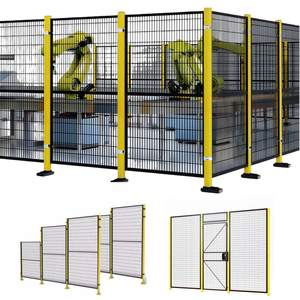
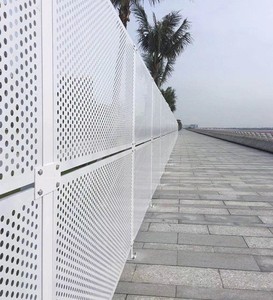
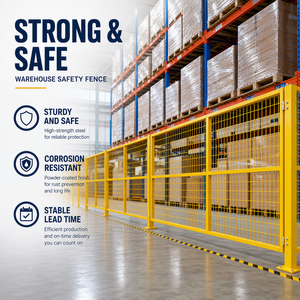
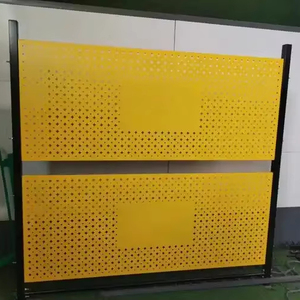
As a vertically integrated manufacturer, we bridge the gap between architectural concept drawings and industrial-grade perimeter realization, eliminating costly third-party fabricator markups.
Our dedicated engineering department converts complex floor plans into millimeter-accurate CAD and BIM Revit schematics. We calculate specific mechanical wind loads, static pressure resistance, and machinery clearance tolerances compliant with EN ISO 13857 safety boundary rules. Every post footing, interlock bracket, and swing/sliding door cut-out is modeled before raw steel ever meets the laser cutter.
Operating dedicated production lines equipped with automated multi-station punching machines, continuous roll-forming systems, and robotic MAG/MIG welding cells guarantees pitch uniformity and structural joint integrity. Utilizing premium Q235B structural carbon steel, our panels achieve superior yield strength, completely preventing frame warping under mechanical impact or high-vibration factory floor conditions.
Longevity in harsh distribution environments depends on surface pre-treatment. Our multi-stage automated tunnel handles alkaline degreasing, zinc-phosphate conversion coating, and high-voltage electrostatic application of AkzoNobel architectural-grade powder. Cured at 200°C, the resulting 80–120μm finish withstands intense abrasion, chemical splashes, and passes ASTM B117 500-hour salt spray corrosion testing.
From raw uncoiled carbon steel coils to seaworthy flat-pack container stuffing, every stage follows stringent ISO 9001:2015 quality parameters.
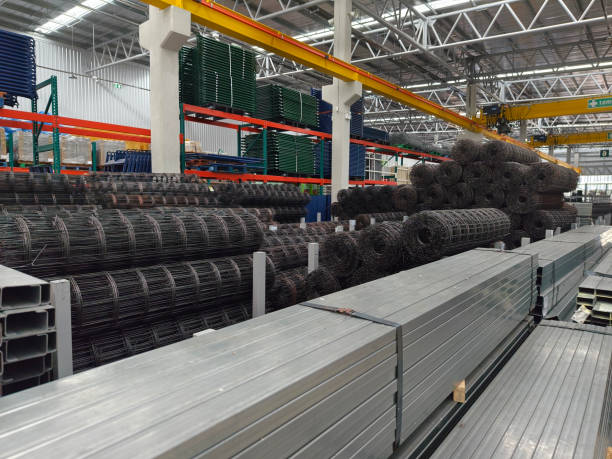 01
Mill-test-certified cold-rolled steel coils and square structural tubing undergo ultrasonic thickness verification and tensile yield testing prior to uncoiling.
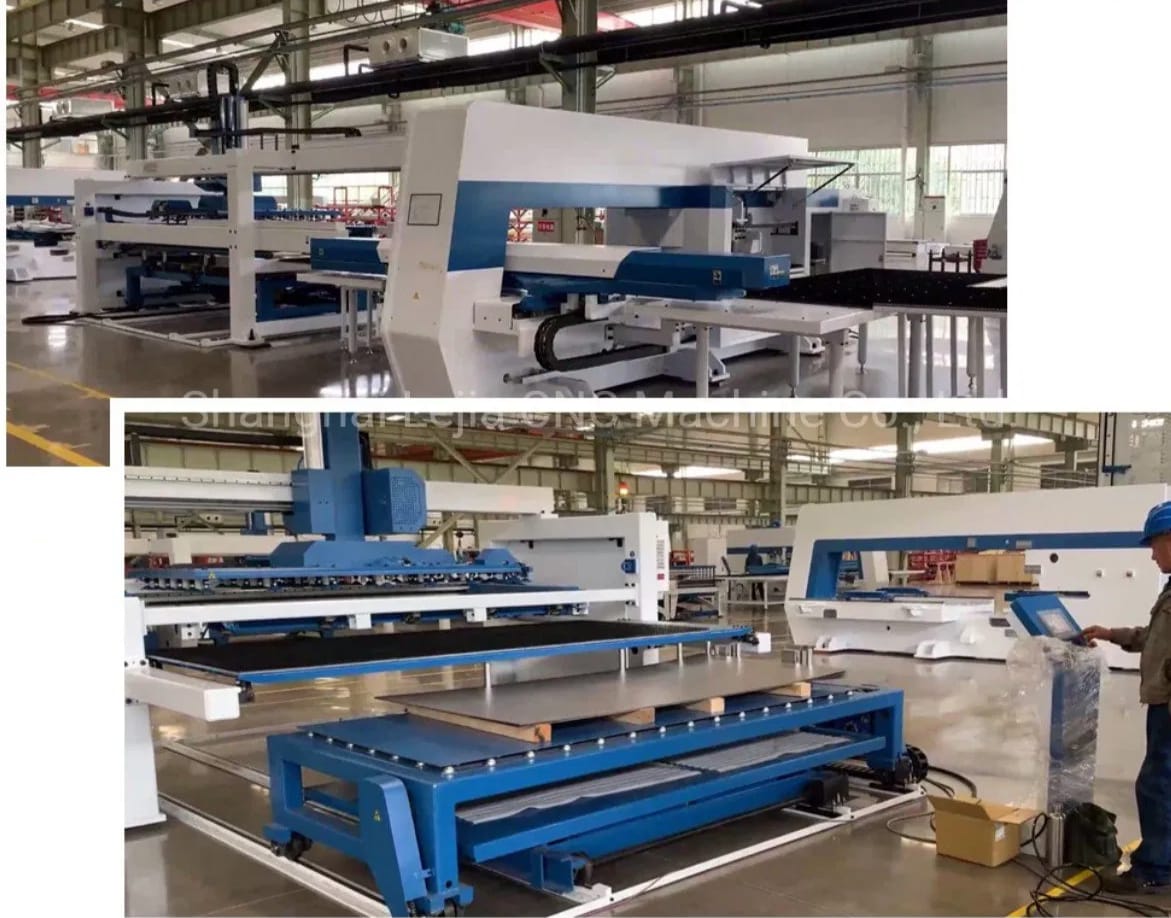 02
High-speed punch presses produce uniform aperture patterns and continuous post adjustment slots with ±0.2mm mechanical tolerances.
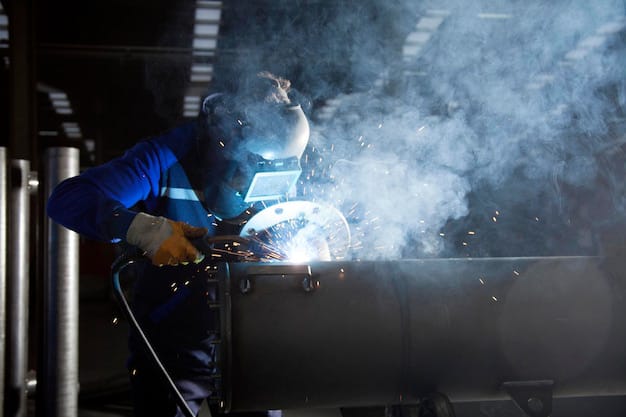 03
Multi-axis welding robots execute uniform fillet welds along mesh wire borders and post base plates, eliminating spatter and weak spots.
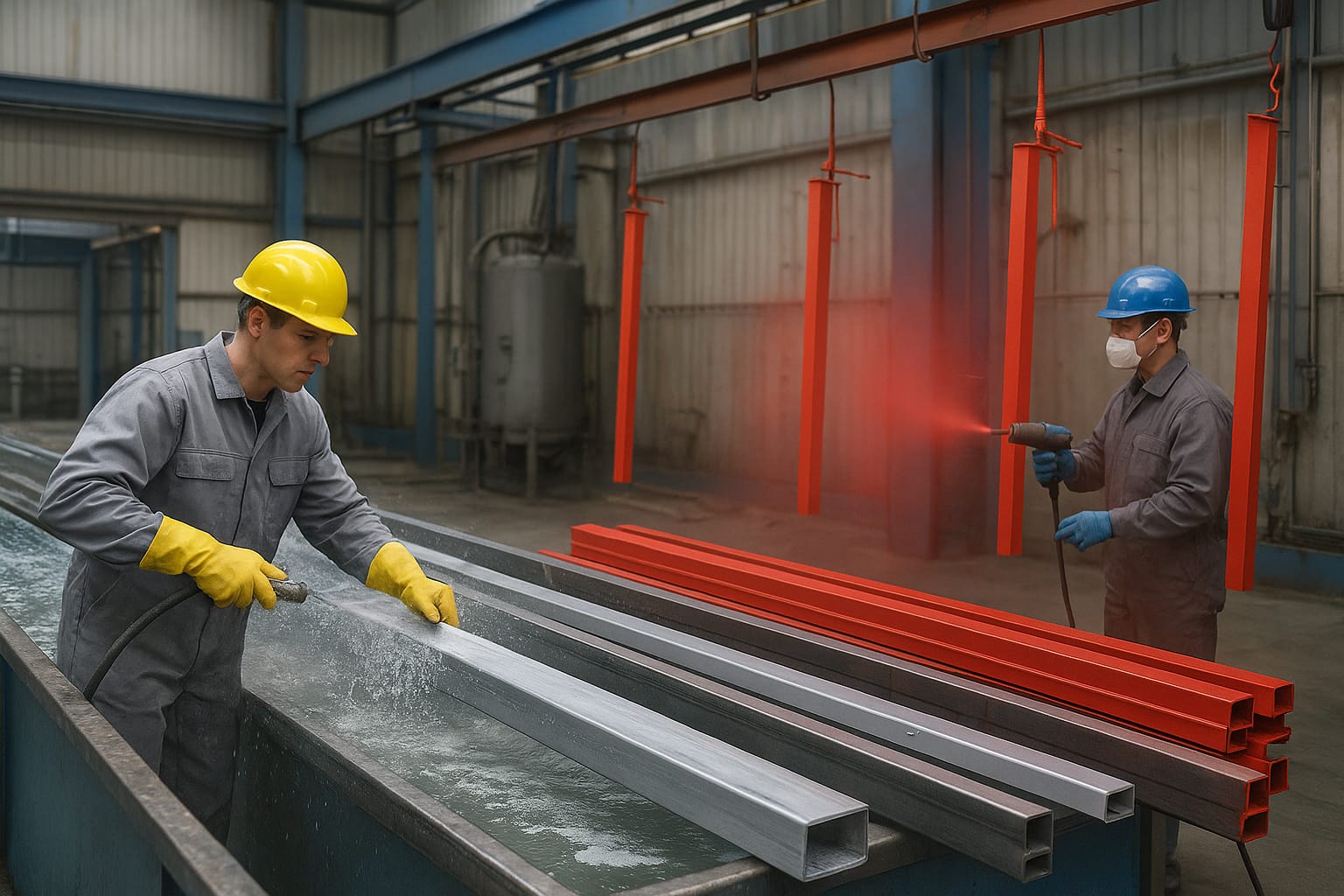 04
Electrostatic dry powder baking followed by automated cross-cushioned stacking, edge protectors, and steel banding for ocean transport.
Selecting the optimal structural composition based on physical impact thresholds, machine safety interlocks, optical clarity, and fire safety airflow regulations.
| Fencing System Type | Core Materials | Aperture / Pitch | Dynamic Impact Rating | Primary Application | Standard Compliance |
|---|---|---|---|---|---|
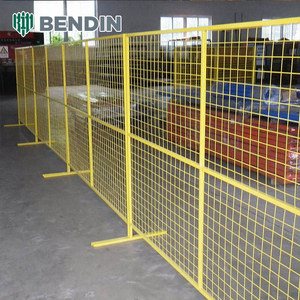
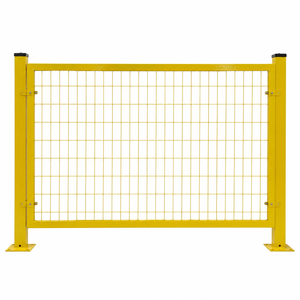
| Welded Wire Mesh Modular Barrier | Q235 Carbon Steel Drawn Wire | 20×100mm / 50×50mm (Ø 3.0–4.0mm) | 950 Joules (Pendulum Impact) | Automated Warehouse Aisle Segregation, Tool Cribs, High-Bay Pallet Isolation | ISO 14120 Annex C |
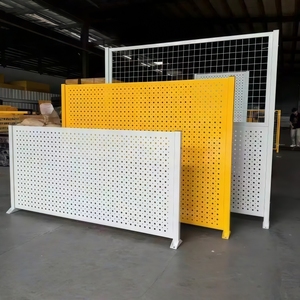
| Perforated Heavy Sheet Steel Panel | Cold-Rolled Sheet (1.5mm - 2.5mm) | Ø 5.0–12.0mm Staggered (Round/Hex) | 1,600+ Joules (Structural Rigid) | CNC Machining Zones, Swarf & Laser Deflection, High-Security Bonded Zones | EN ISO 13857 / OSHA |
| Robotic Cell Interlock Hybrid Guard | Dual Wire Mesh & Polycarbonate Insert | Upper Polycarbonate / Lower 25×25mm | 1,200 Joules (Optical Clear Barrier) | 6-Axis Articulated Robot Workcells, High-Speed Palletizer Segregation | ANSI / RIA R15.06 |
| Heavy-Duty Guardrail Integrated Fence | 80×80mm Square Posts + Double Steel Rail | 50×50mm Mesh + 4.5mm W-Beam Barrier | 3,200+ Joules (Forklift Collision Safe) | Main Forklift Thoroughfares, High-Speed AGV Arteries, Loading Dock Boundaries | BS EN 15512 Structural |
The global transition toward automated fulfillment hubs is transforming passive warehouse fencing into intelligent, sensor-monitored safety infrastructures.
With Autonomous Mobile Robots (AMRs) operating alongside manual personnel, legacy fixed fencing is being superseded by modular perimeter architectures featuring optoelectronic light curtain mounting interfaces, magnetic safety switch brackets, and RFID-controlled rapid-roll gate cutouts.
Modern supply chain contracts demand frequent operational reconfigurations. Modern procurement strategies prioritize tool-free captive clip connections, hook-and-slot post designs, and telescopic corner compensators that reduce on-site assembly time by up to 65% compared to nut-and-bolt systems.
Enterprise ESG directives require verifiable Scope 3 carbon reduction. Forward-thinking procurement teams require factories to furnish Environmental Product Declarations (EPDs), low-temperature curing thermoset powder coatings with zero VOC emissions, and 100% recyclable structural steel scrap utilization.
Clear, engineering-backed answers addressing structural ratings, compliance codes, custom manufacturing lead times, and global shipping logistics.
Warehouse partitions installed around machinery and automated handling zones must comply with ISO 14120 (General requirements for the design and construction of guards) and EN ISO 13857 (Safety distances to prevent hazard zones being reached by upper and lower limbs).
Our OEM/ODM panels are engineered with strict aperture geometry (e.g., 20×100mm slotted wire mesh or 50×50mm square grid) to ensure that the physical distance between the barrier and moving robotic arms prevents accidental contact while maintaining clear sightlines for supervisory personnel.
Welded wire mesh (Q235) provides superior optical visibility, optimal light transmission, and unrestricted sprinkler water penetration, making it the preferred solution for standard warehouse segregation, e-commerce sortation, and pallet storage containment.
Perforated sheet steel panels are utilized where physical chip deflection, grinding sparks, laser scatter, or fluid containment is mandatory. They offer heightened structural rigidity (1,600+ Joules impact resistance) and acoustic dampening, though they reduce ambient lighting and require careful HVAC ventilation considerations.
Yes. As a direct OEM/ODM fabricator, we regularly customize every dimensional parameter. Standard industrial posts (60×60mm, 80×80mm, or 100×100mm tubular cold-formed steel) can be punched with customized hole patterns to suit your proprietary interlock hardware.
Powder coatings are applied via automated electrostatic spray lines using AkzoNobel powders available across the entire RAL spectrum—most commonly RAL 1023 (Traffic Yellow), RAL 9005 (Jet Black), RAL 7035 (Light Grey), or custom corporate brand color palettes.
Our partition systems undergo rigorous physical impact testing per ISO 14120 Annex C methodologies. A calibrated 90 kg soft-body pendulum impactor is released from varying drop heights to simulate human collision and accidental pallet strikes.
A pass designation requires zero detachment of the panel from the vertical posts, zero failure of the captive locking bolts, and zero displacement that breaches the certified safety containment zone.
Standard post baseplates (typically 150×150×8mm or 200×200×10mm with 4-hole pre-punched configurations) are engineered for M10 or M12 high-tensile wedge anchor expansion bolts (e.g., Hilti HST3 or equivalent).
A minimum concrete floor grade of C20/25 with an effective embedment depth of at least 80mm is recommended to achieve the calculated shear and pull-out resistance under rated impact load conditions.
Standard modular catalog specifications ship within 14–21 business days. Custom OEM/ODM designs requiring specialized progressive stamping dies or custom bending jigs take approximately 7–10 days for prototype sign-off and 25 days for full 40ft High Cube container batch production.
All panels are nested horizontally on heavy-duty treated timber pallets, interleafed with anti-scratch PE foam, protected by rigid composite corner boards, and steel-banded to withstand transoceanic shipping.
Connect directly with our senior structural engineers to receive a turnkey CAD layout, finite element analysis (FEA) data, and factory-direct volume pricing tailored to your facility parameters.