From ultra-high load selective uprights to automated carton-pushing display matrices, every sheet metal system is custom-fabricated to exact deflection thresholds and operational throughput profiles.
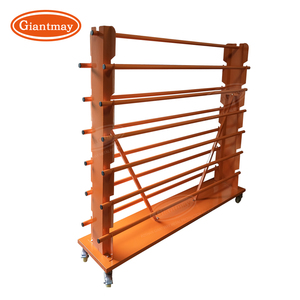
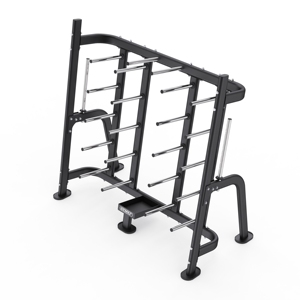
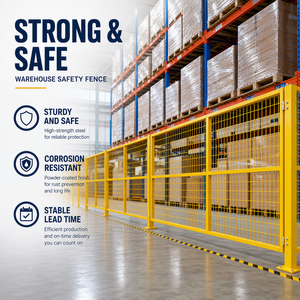
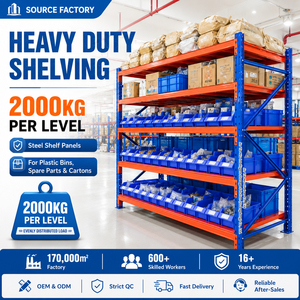
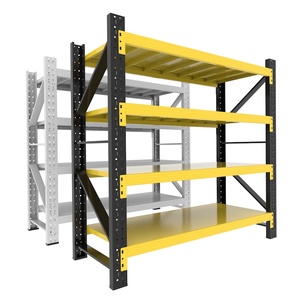
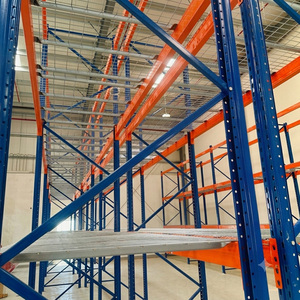
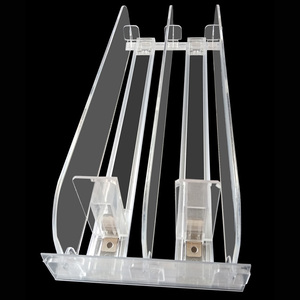
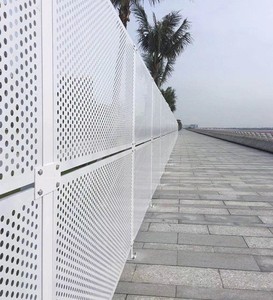
Unlike sourcing brokers or trading consolidators, Signature Racking Systems controls the full fabrication chain under one roof in Ajman Free Zone, eliminating subcontract margins and ensuring zero-defect compliance with EN 15512 and FEM 10.2.02 codes.
Every sheet metal storage system begins in our dedicated CAD/CAM engineering office. Our structural specialists execute finite element analysis (FEA) to simulate buckling, torsion, and cyclic dynamic loading under real-world seismic and material-handling stress. By optimizing the cold-forming bend radii and stiffening ribs of upright posts and box-step beams, we reduce unnecessary tare weight while maximizing moment of inertia. This granular structural optimization provides clients with significant cost savings in raw tonnage without sacrificing the certified safety margins required by international building regulations.
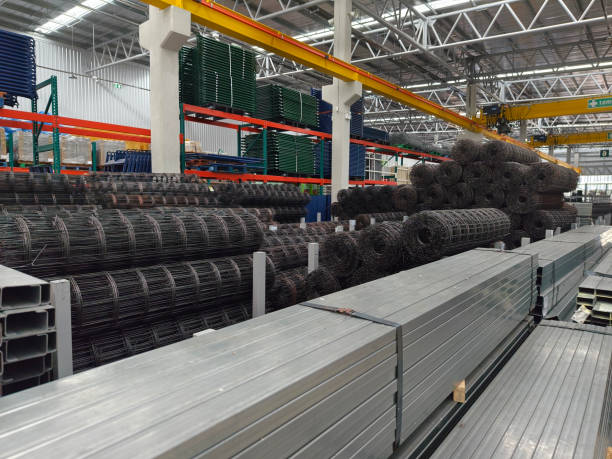
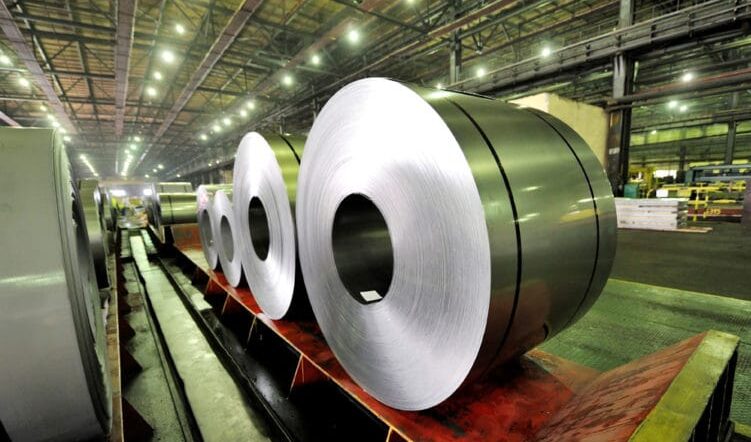
Certified prime hot/cold rolled coils tested for tensile yield (Q235B, Q355B, SPCC) and chemical consistency before uncoiling.
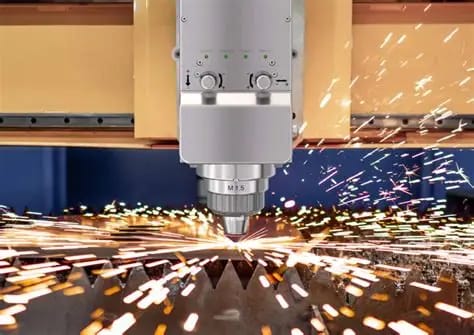
Fiber laser profiling and mechanical guillotine cutting guaranteeing burr-free orthogonal edges within sub-millimeter tolerances.
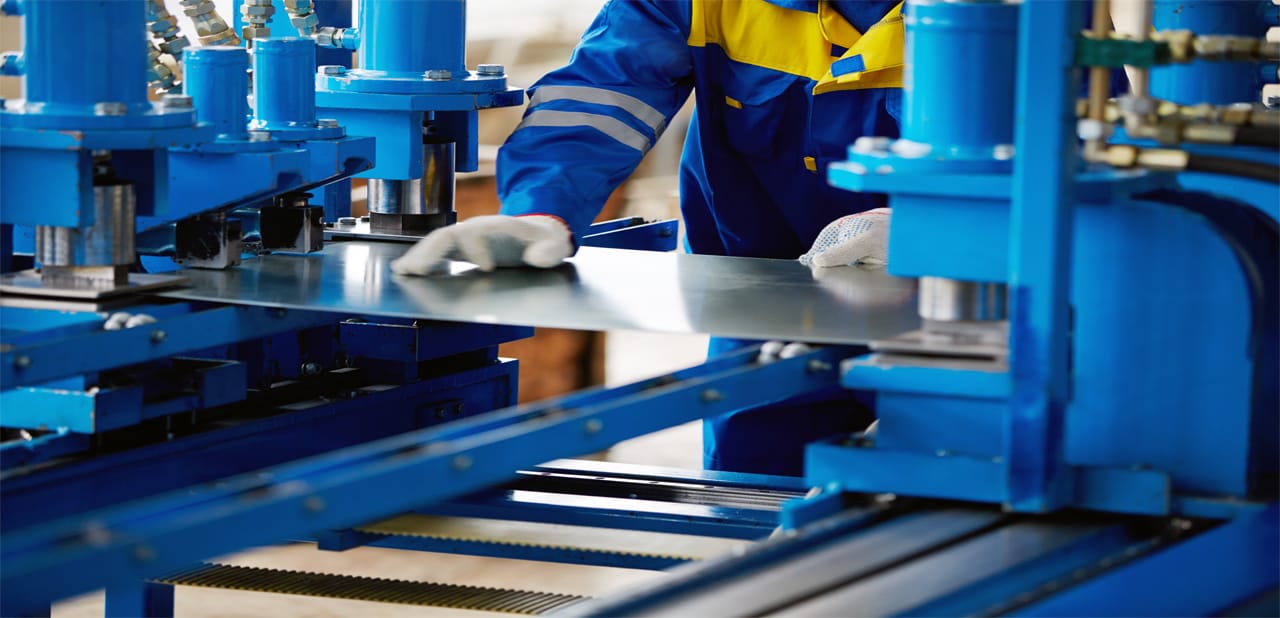
Heavy tonnage hydraulic presses stamping connector claws, locking pins, baseplates, and structural gussets with repeatable tooling.
Automated progressive roll lines shaping complex open-channel upright profiles with integrated longitudinal return folds for stiffness.
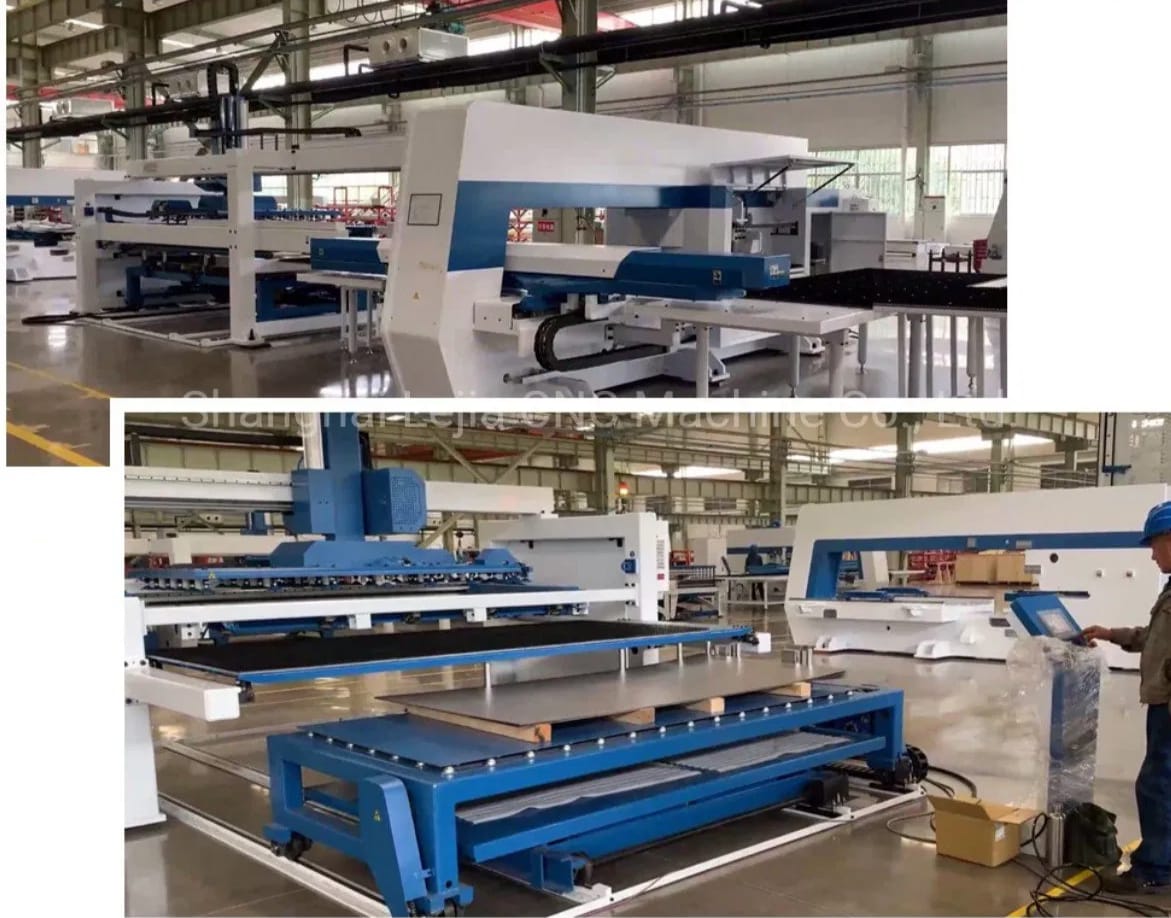
Continuous CNC punching lines pressing teardrop, diamond, and slotted pitch patterns at precise 50mm and 75mm intervals.
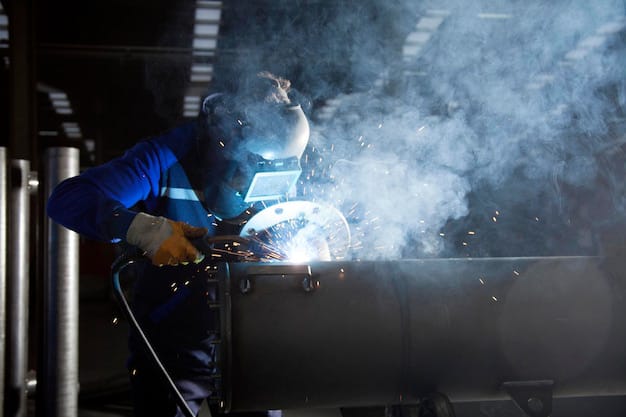
Automated multi-axis welding cells producing continuous structural fillets on beam-to-connector joints in accordance with AWS D1.1.
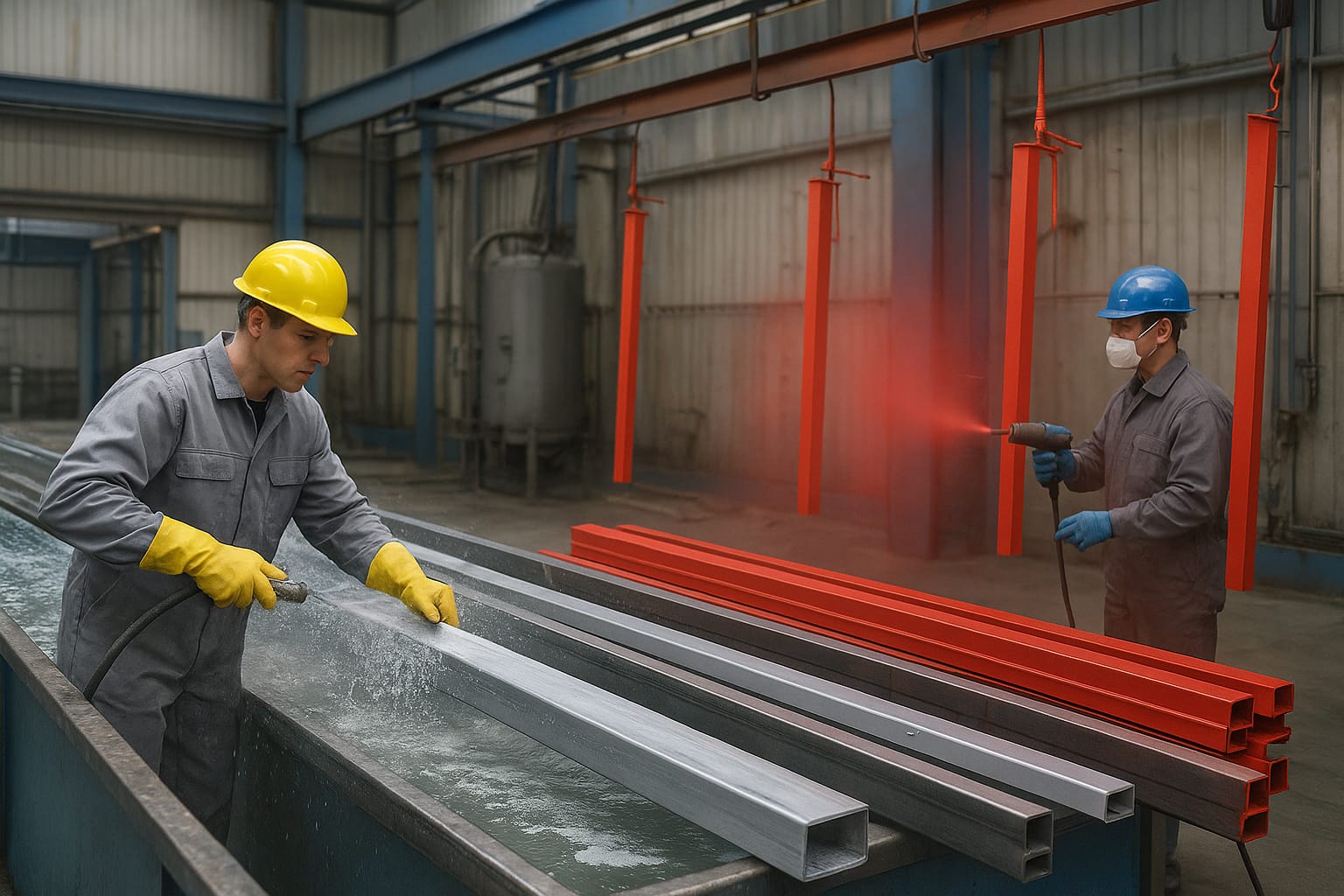
Automatic 5-stage pre-treatment wash and electrostatic epoxy-polyester powder baking forming a scratch- and impact-resistant finish.
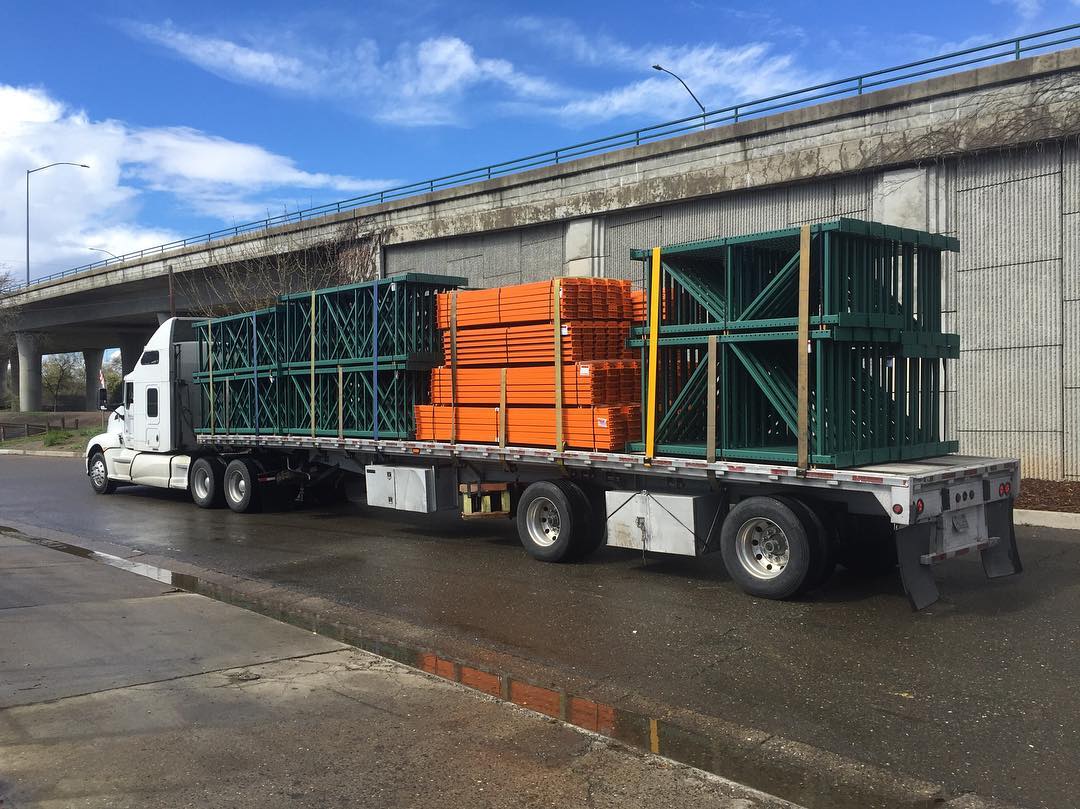
Protective edge guards, vapor corrosion inhibitor (VCI) shrink wrap, and palletized bundle nesting engineered for container optimization.
Specifying the correct sheet metal gauge, cross-sectional geometry, and surface finishing standard is decisive for warehouse safety, fire clearance compliance, and long-term asset life.
Industrial sheet metal racking components rely heavily on cold-formed structural steel profiles. While standard commercial grade steels (such as mild commercial SPCC) suffice for light-duty retail display and manual pick shelves, heavy-duty warehouse applications require high-tensile structural grades such as Q235B, Q355B (equivalent to EN 10025 S355JR), or ASTM A1011. Cold roll forming induces work hardening at the profile corners, increasing the local yield strength by up to 15%. This phenomenon is incorporated into our yield calculations under the North American Specification AISI S100 and European Standard EN 1993-1-3 (Eurocode 3).
| Component Profile | Standard Steel Grade | Standard Gauge (Thickness) | Protective Finish Options | Primary Failure Mode Prevented |
|---|---|---|---|---|
| Heavy Duty Upright Post | Q355B / S355JR Structural Coil | 1.8mm – 3.0mm (14 – 11 Ga) | Electrostatic Epoxy Powder (70-90µm) | Euler torsional-flexural buckling & local web crippling |
| Box / Step Beam Channel | Q235B / Cold-Rolled SPCC | 1.5mm – 2.5mm (16 – 12 Ga) | High-Visibility Safety Orange (RAL 2004) | Vertical mid-span deflection & lateral torsional buckling |
| Solid / Slotted Steel Deck | Hot-Dipped Galvanized / SPCC | 0.7mm – 1.2mm (22 – 18 Ga) | Pre-Galvanized Z140 or Powder Coat | Localized point-load punching & flame-deflection collapse |
| Wire Mesh Shelf Decking | Q195 Cold-Drawn Steel Wire | 4.0mm – 5.5mm Wire + 2.0mm Rib | Electro-Galvanized / Hot-Dip Zinc | Pallet drop-through, sprinkler obstruction & debris buildup |
| Column Protectors & Guards | Heavy Structural Plate (Q235) | 4.0mm – 6.0mm (8 – 3 Ga) | Safety Yellow / Reflective Hazard Stripe | Direct forklift mast and outrigger impact kinetic deformation |
Macro-economic shifts, multi-node logistics networks, and regulatory sustainability targets are transforming how supply chain directors and EPC contractors purchase custom sheet metal storage structures.
Global sea freight volatility has made shipping volumetric air unsustainable. Enterprise buyers now specify knocked-down (KD) bolt-together rack designs rather than pre-welded frames. Precision-engineered nesting profiles, tapered uprights, and split upright column joiners allow up to 40% more steel mass per 40ft High Cube container, dramatically reducing landed unit cost.
Procurement teams are moving away from single-source reliance on distant East Asian ports in favor of strategically situated regional hubs like the UAE (Ajman Free Zone). Regional hubs offer favorable tariff environments, shorter maritime lead times to Europe, Africa, and the GCC, and rapid prototyping capabilities that protect capital project schedules from global choke-point disruptions.
Corporate ESG mandates now require Scope 3 emissions reporting for warehouse fit-outs. Forward-looking buyers prioritize suppliers utilizing EAF (Electric Arc Furnace) prime coils with certified scrap content, alongside thermoset powder coatings formulated with near-zero VOC emissions and 98% overspray reclamation efficiency.
From micro-tolerance automated storage interfaces to sensor-embedded load monitoring, sheet metal fabrication is converging with automated robotics and Industry 4.0 infrastructure.
Autonomous mobile robots (AMRs) and automated shuttle cranes cannot tolerate beam bow or bay sway exceeding 1.5mm. Sheet metal fabrication now requires continuous laser inspection on roll forming lines, guaranteeing straightness, squareness, and twist metrics well within DIN 18202 standards.
By implementing multi-flange roll-formed geometries and return-bend stiffeners, modern upright profiles achieve equivalent moment capacity using 1.8mm S355 steel compared to legacy 2.5mm mild steel channels. This advances structural efficiency while preserving total bay payload limits.
Modern distribution centers increasingly install continuous inventory optical scanners, fire-suppression capillary piping, and load-cell sensor arrays directly into racking frames. Advanced sheet metal components now feature pre-punched, grommet-safe routing perforations stamped directly into upright neutral axes during initial uncoiling.
Authoritative answers addressing engineering tolerances, fabrication certifications, testing protocols, and international supply chain logistics.
Our structural designs conform strictly to EN 15512 (Steel static storage systems – Adjustable pallet racking systems – Principles for structural design), FEM 10.2.02, and the American RMI (Rack Manufacturers Institute) MH16.1 specification. Deflection criteria for load-bearing beams are engineered to not exceed L/200 under full static dead load, or L/300 where sensitive automated retrieval shuttles or AGVs operate.
For custom OEM profiles outside standardized catalogue load tables, our engineering team carries out full-scale mechanical destructive testing in accordance with EN 15512 Annex A. This includes stub column compression tests, beam end-connector bending and shear tests, and floor-anchor shear pull-out verification, backed by certified 3D Finite Element Analysis (FEA) reports provided to your project consultants.
Yes. Our in-house electrostatic powder coating line supports any international RAL or Pantone specification. Standard industrial safety systems feature Gentian Blue (RAL 5010) upright frames and Pure Orange (RAL 2004) beams. Specialized customer color matching, anti-microbial coatings for pharmaceutical rooms, and C4/C5 heavy-corrosion industrial powders are available upon request.
Because slitting, roll forming, punching, welding, and electrostatic powder coating are consolidated entirely in our Ajman Free Zone plant, standard container orders ship within 18 to 25 business days following CAD drawing and structural layout sign-off. Expedited turnarounds are available for critical expansion projects requiring phased container drop schedules.
Export components are banded using high-tensile polyester strapping with heavy structural corner angle boards. Beams and uprights are interlayered with closed-cell non-abrasive foam separators to eliminate powder coat friction scratching. Bundles are then completely wrapped in heavy-duty vapor corrosion inhibitor (VCI) shrink film and staged on treated hardwood skids engineered for easy forklift destuffing.
Every commercial delivery includes mill test certificates (MTC EN 10204 Type 3.1) tracing steel chemical composition and tensile strength, powder coating dry film thickness (DFT) reports, cross-hatch adhesion test certificates, component assembly blueprints (CAD/BIM Level of Detail 300), and signed load plaque declaration certificates detailing permissible distributed loads per bay.
Collaborate directly with our structural engineering team. Submit your warehouse floor plan, SKU load requirements, or CAD component profiles for an optimized DFM manufacturing assessment and transparent tier-one manufacturer pricing.