Explore our heavy-duty industrial staging components, specialized tooling fixtures, safety screens, and high-load storage racking systems engineered for custom manufacturing environments.
A rigorous examination of load deflection, dynamic cantilevering, floor slab fatigue, and safety interlock physics in progressive stamping and injection mold facilities.
In metal stamping, plastic injection molding, and progressive die forging operations, the toolroom represents the most capital-intensive square footage within the manufacturing plant. Industrial tooling dies, frequently weighing from 1,500 kg to over 12,000 kg per tool set, present mechanical storage challenges that far exceed the design capabilities of commercial selective pallet racking. A standard warehouse pallet rack relies upon a Uniformly Distributed Load (UDL) assumption across structural beams. When an uneven, concentrated metallic mass like a massive stamping die is set down upon a conventional roll-formed beam, localized point-load deflection creates severe stress spikes that can cause beam twisting, shearing of teardrop connectors, and systemic structural collapse.
As a seasoned custom OEM die storage rack manufacturer, our engineering approach incorporates the standards established by the Rack Manufacturers Institute (RMI MH16.1) and the European Federation of Materials Handling (FEM 10.2.02). Calculating maximum permissible beam deflection for die storage demands a maximum threshold of L/240 for standard loads, and an ultra-rigid L/400 to L/600 design standard when integrating extendable slide-out drawers or mold shuttles. This deflection constraint prevents bind-up on roller bearing guides and protects floor operators from sudden kinetic energy release during crane-assisted die transfer.
Placing an 8-ton progressive stamping die with concentrated corner guide posts onto standard warehouse racking creates a bending moment up to 2.4 times higher than an equivalent weight distributed evenly over the deck. Custom OEM die racks solve this through structural channel steel uprights (Q355B/ASTM A572 Grade 50), box-welded dual-C crossbeams, and solid structural steel plate decking reinforced with bottom web stiffeners.
Furthermore, toolroom safety is governed by the Single-Minute Exchange of Die (SMED) methodology. When production plants transition from high-mix low-volume (HMLV) runs to continuous flow, die retrieval velocity directly controls overall equipment effectiveness (OEE). OEM custom-engineered roll-out drawer racks empower overhead bridge cranes and hoist hooks to align vertically over the die without obstruction, eliminating unsafe forklift reach-in movements and reducing tool retrieval cycles from 45 minutes down to less than 4 minutes.
Custom-fabricated to plant layout parameters, crane clearance envelopes, and precise mold weight profiles.
Engineered for immediate overhead crane hoist access. Heavy-duty telescopic slides supported by sealed cylindrical roller bearings allow up to 5,000 kg capacity per drawer. Features mechanical safety interlocks that ensure only one drawer can be extended at any time to preserve rack center-of-gravity and eliminate overturn hazards.
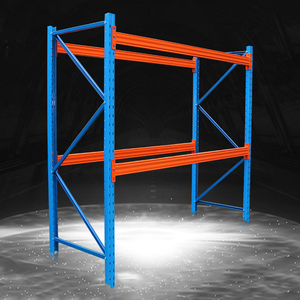
Manufactured from hot-rolled structural steel channels and I-beams designed to accommodate gigantic 10 to 30-ton automotive stamping dies. Deck surfaces are fitted with 10mm-20mm solid steel plates, ultra-high-molecular-weight (UHMW) polyethylene liners, or brass slide strips to prevent mold tooling marring and surface oxidation.
Built for ultra-heavy die configurations where manual pulling exceeds OSHA occupational health and safety lifting regulations. An ergonomic manual hand crank gearing mechanism or an automated electric servo drive smoothly glides the loaded tooling platform out into the plant aisle with under 5 kg of human effort.
Integrates heavy structural rack frames as the vertical foundation columns supporting an elevated overhead mold storage mezzanine. This architecture doubles plant floor footprint utilization, allowing fast-moving die sets to reside on the bottom drawer level while legacy or slow-moving tooling is staged on the mezzanine deck via freight hoist.
Fully automated computer-controlled stacker cranes designed to dock directly with injection molding machines or press brake lines. Integrated with factory ERP and MES systems for automated real-time tool tracking, automated retrieval cycles, and zero human intervention inside the high-density storage envelope.
Heavy-gauge floor-anchored steel bollards, bullnose frame protectors, and wrap-around column guards custom fabricated to shield precision die rack uprights from impact by counterbalance forklifts, die transfer carts, and automated guided vehicles (AGVs).
Review standard mechanical parameters used by our engineering team to design custom OEM tooling storage systems.
| System Classification | Load Capacity / Tier | Structural Upright Spec | Extraction Mode | Primary Safety Mechanism | Target Application |
|---|---|---|---|---|---|
| Standard Roll-Out Drawer | 500 kg – 2,000 kg | Cold-Formed Omega 90×70×2.5mm | Manual Pull (60%–70% stroke) | Mechanical Spring Lock Catch | Plastic Injection & Extrusion Dies |
| Heavy-Duty Crane Access | 2,000 kg – 5,000 kg | Structural C-Channel 120×50×3.5mm | 100% Full Extension Bearings | One-Drawer-Open Safety Interlock | Automotive Progressive Stamping Dies |
| Mechanical Gear Drive | 3,000 kg – 8,000 kg | Box Column / H-Beam 150×150×5mm | Reduction Gear Wheel & Pinion | Automatic Deadman Braking Pawl | Heavy Stamping & Hot Forging Tooling |
| Fixed Heavy Beam Rack | 5,000 kg – 20,000 kg | Hot Rolled I-Beam 200×100×7mm | Static Forklift / Mold Cart Dock | Heavy Beam Safety Shear Bolts | High-Tonnage Foundry & Casting Dies |
| ASRS Automated Mold Cell | 1,000 kg – 10,000 kg | Precision CNC Welded H-Columns | Automated Telescopic Shuttle Fork | Triple Optical Limit & Sensor Array | Smart Factory Industry 4.0 Cleanrooms |
Industrial procurement directors are shifting criteria from raw purchase cost to life-cycle safety, floor density, and integration speed:
Breakthrough structural engineering and Industry 4.0 innovations driving the next generation of mold racking:
Operating from our modern facility in the Ajman Free Zone, UAE, with complete end-to-end design, roll forming, welding, and finishing under one roof.
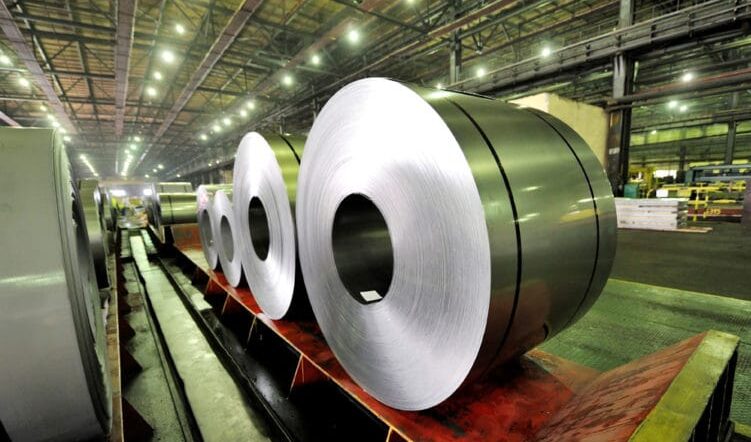
Every production batch begins with high-grade hot and cold-rolled steel coils, verified for mechanical yield strength and tensile chemistry.
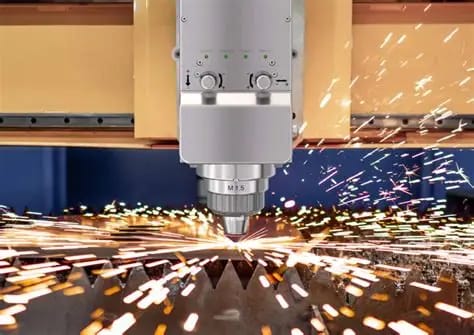
Automated cutting lines maintain sub-millimeter tolerances on heavy beam uprights, drawer rails, and load support brackets.
Custom-tooled roll forming machines press structural omega and C-profiles with minimal residual stresses for high load rigidity.
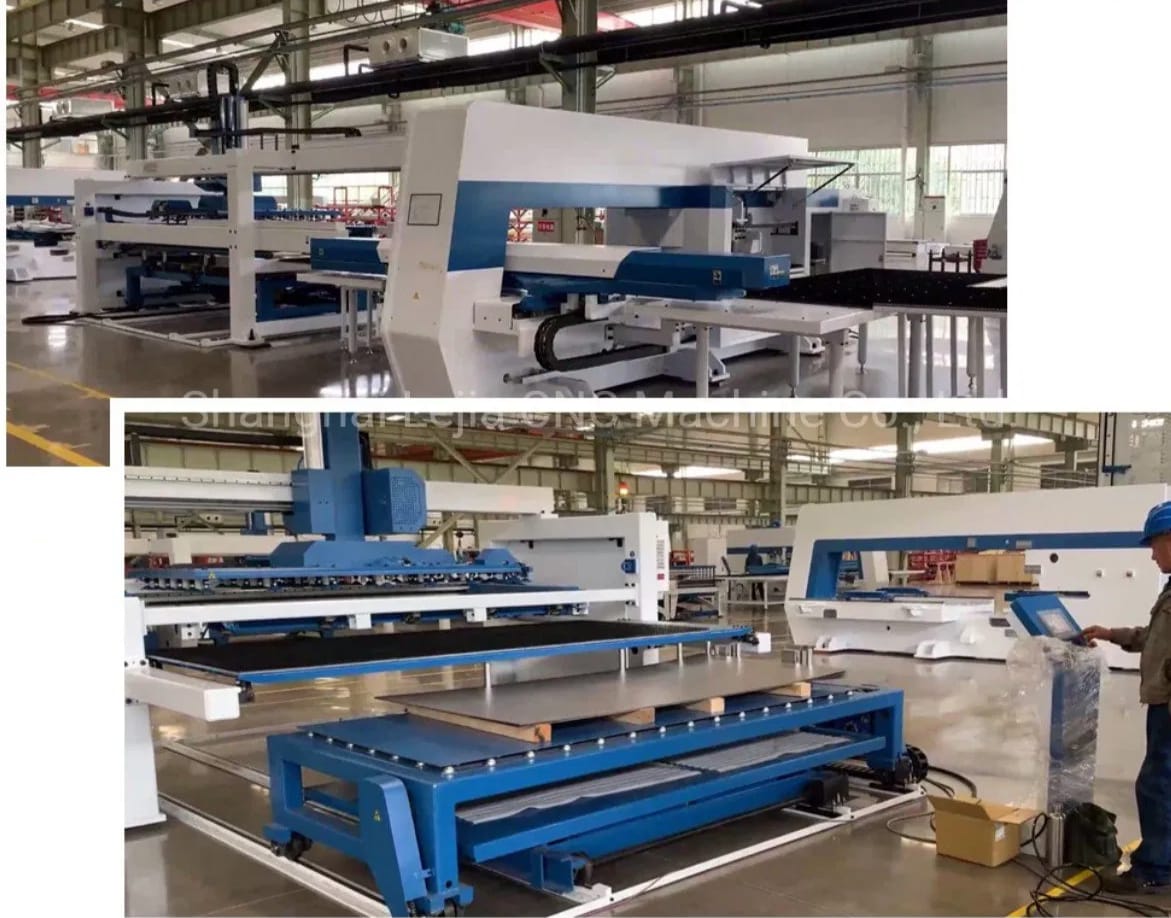
CNC programmed automatic punching units guarantee 100% pitch uniformity for beam connector adjustments and bolt-hole alignment.
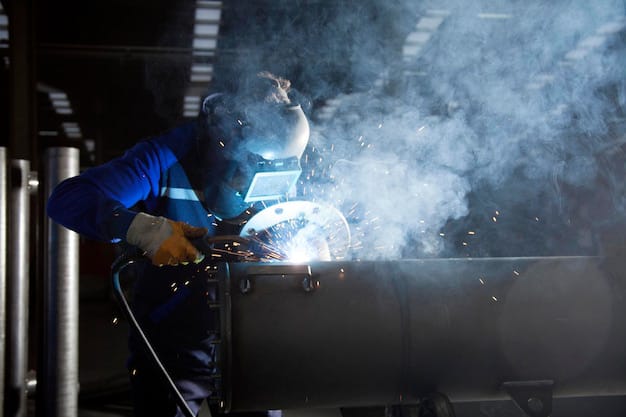
AWS D1.1 certified welders and robotic welding cells execute deep-penetration structural joints for heavy load bearing.
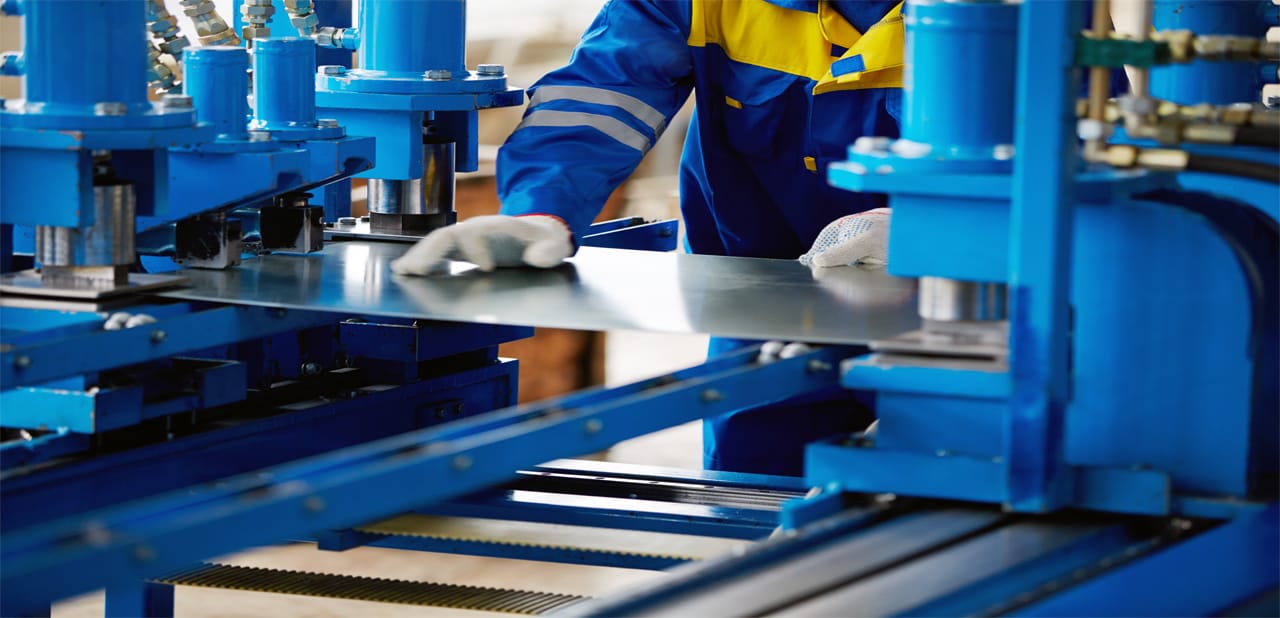
High-tonnage stamping presses produce heavy drawer brackets, safety catches, slide tracks, and robust column baseplates.
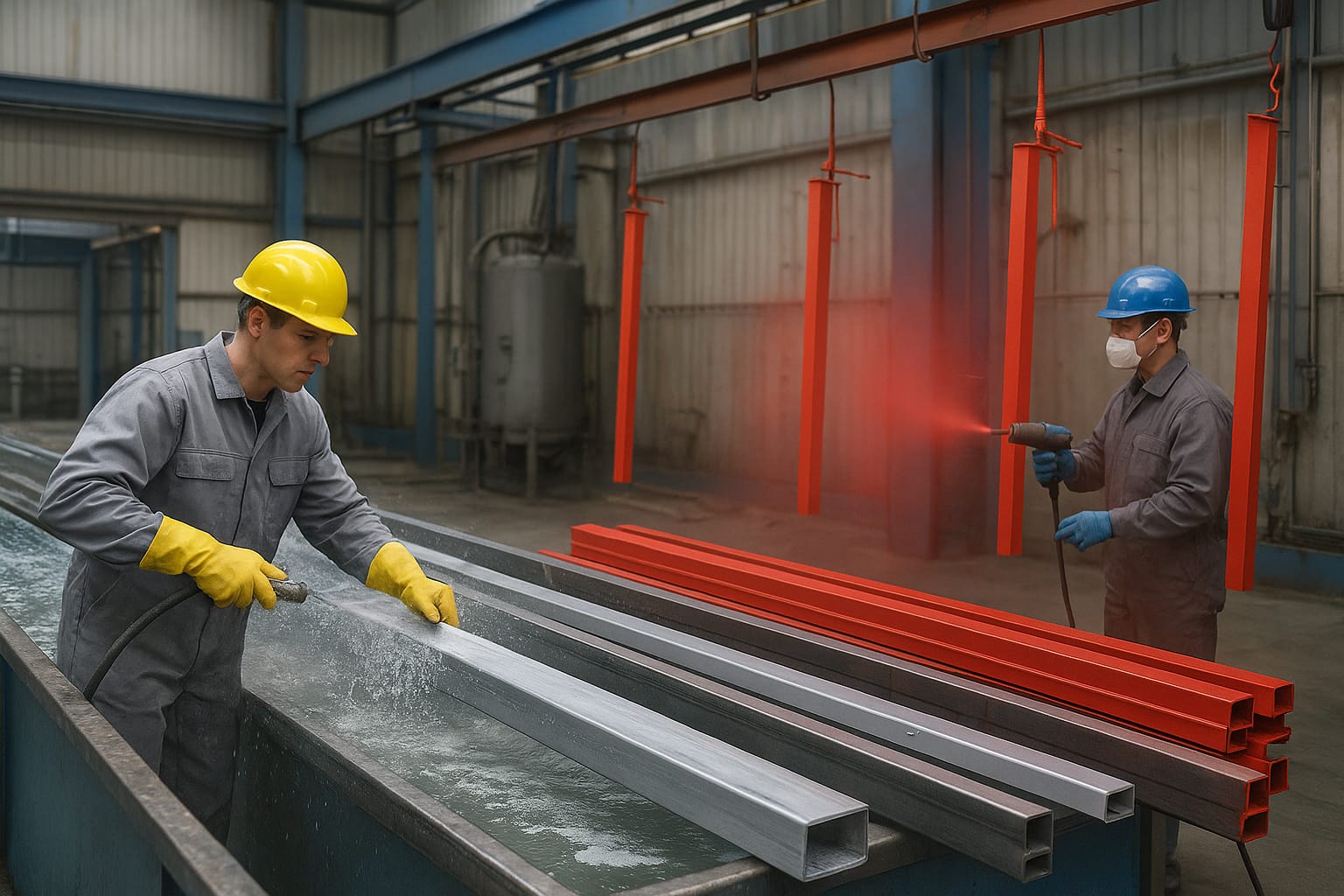
Multi-stage phosphate washing and automated electrostatic powder coating deliver resilient, corrosion-proof finishes.
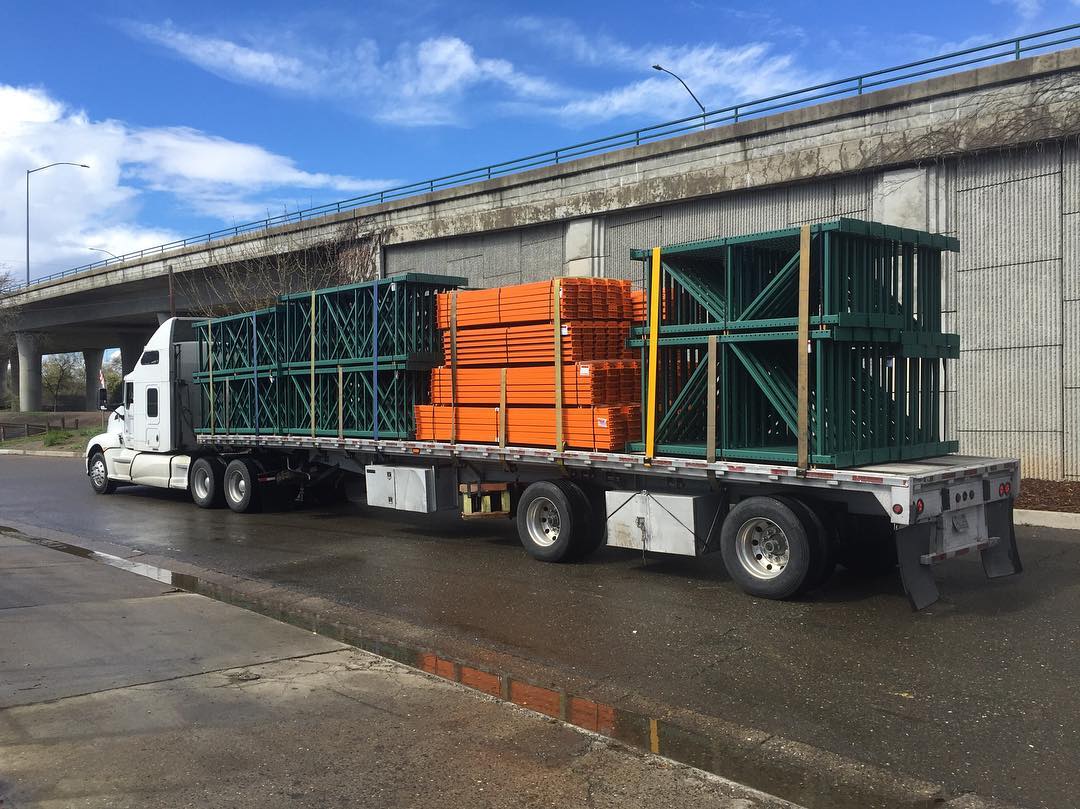
Knocked-down steel components are packaged in seaworthy timber crates with rust-inhibiting wraps for worldwide delivery.
Technical guidance and engineering answers for plant managers, tooling engineers, and B2B industrial procurement directors.
To deliver an accurate CAD design and load-certified quote, we require: (1) Maximum and average mold/die dimensions (length × width × height); (2) Maximum weight per die set; (3) Number of tooling sets to store; (4) Loading and retrieval method (overhead bridge crane, jib hoist, forklift, or die cart); (5) Available clear height under facility roof trusses; and (6) Concrete slab thickness and reinforcement specification to calculate foundation anchor shear.
Our heavy-duty slide-out mold racks employ a proprietary mechanical interlocking safety system. When an operator unlocks and extends one drawer, a vertical linkage automatically latches all other drawers in the bay in their closed and locked state. Additionally, every upright baseplate is anchored to the concrete floor using heavy-duty chemical or mechanical wedge anchors sized to counter overturning moments with a minimum 1.67 structural safety factor.
We strongly caution against retrofitting standard roll-formed warehouse pallet racks for stamping dies over 1,000 kg. Standard racks are engineered for uniformly distributed loads (UDL) on wooden pallets. Concentrated metal die footprints induce localized point-load stresses that cause severe beam deflection, twist, and connector shear. Stamping tooling requires structural steel channels (Q355B or ASTM A572), heavy gusset plates, and welded steel plate decking engineered specifically for point loading.
Our slide-out mechanisms use high-capacity cylindrical roller bearings sealed with heavy-duty synthetic lubricant. Routine maintenance involves quarterly visual inspection of drawer lock pawls, verification of anchor bolt torque, checking guide rails for metal shaving contamination, and periodic lubrication of manual gear drives or drive chains on mechanical crank models.
For installations with 3,000 kg to 5,000 kg drawer capacities, we recommend a minimum concrete slab thickness of 150mm to 200mm with 28-day compressive strength of at least 25 to 30 MPa (approx. 3,500 to 4,000 PSI) with standard steel rebar mesh. For ultra-heavy configurations (up to 10–20 tons per bay), our engineering team conducts punch-through shear calculations and can provide oversized structural baseplates to distribute point loads across a broader slab footprint.
Export components are prepared for international transit in our factory packing bay. Heavy structural uprights are nested with protective high-density foam spacers and banded with heavy-gauge steel strapping. Telescopic drawer slide assemblies, gear drives, and precision bearings are coated with corrosion-inhibiting VCI film and secured in heat-treated ISPM-15 compliant wooden crates, optimized for standard 20ft and 40ft high-cube ocean containers.
Submit your floor plan dimensions, mold load specs, and handling requirements. Our engineering team will produce an optimized CAD storage configuration, beam deflection calculations, and a competitive direct-manufacturer quote within 24 hours.
Send an Inquiry