Explore our certified cold-rolled and galvanized steel warehouse systems, manufactured to EN 15512, ANSI MH16.1, and ISO 9001 precision tolerances.
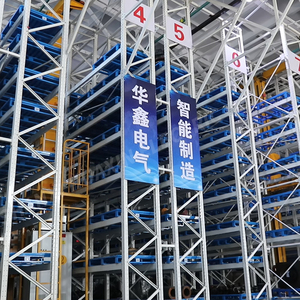
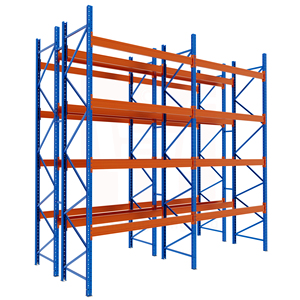
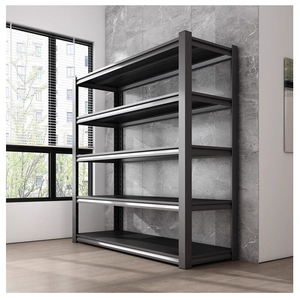
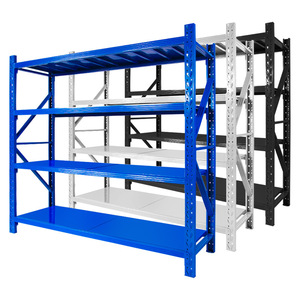
In modern high-density intralogistics, pallet systems and vertical racking assemblies have transcended simple wooden skids and static iron shelving. Global supply chain procurement managers face escalating labor expenses, automated guided vehicle (AGV) implementation demands, stricter fire codes (NFPA 13), and rigorous international safety covenants (EN 15512:2020 and RMI/ANSI MH16.1). Sourcing certified steel pallet solutions directly from premier Chinese manufacturing partners provides decisive technical, economical, and operational advantages over conventional timber and polymer assets.
Unlike standard sheet metal fabrications, heavy-duty industrial steel pallets and selective racking beams demand precise cold-bending properties and high yield-to-tensile ratios. We formulate our roll-formed stringers, deck corrugated pans, and load-bearing columns from premium structural steel grades:
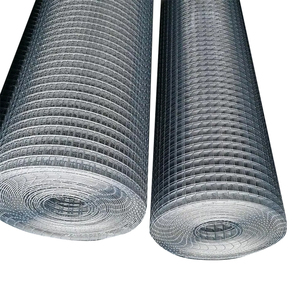
Q235B Grade (Yield Strength ≥ 235 MPa): Utilized predominantly in light-to-medium deck panels, secondary perimeter stiffeners, and wire mesh shelving panels where balanced ductility, impact resilience, and exceptional weldability under automated continuous MIG welding are imperative.
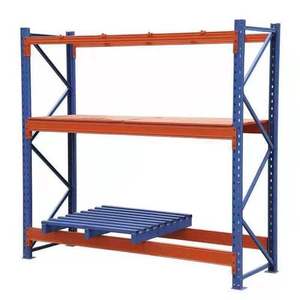
Q355B Low-Alloy Structural Grade (Yield Strength ≥ 355 MPa): Deployed in high-load structural pallet feet, 4-way forklift entry channels, dynamic cantilever racking arms, and high-bay AS/RS racking uprights. The optimized carbon-manganese composition provides superior Charpy V-notch impact toughness even under extreme cold-chain storage environments down to -30°C, preventing brittle fracture failures commonly observed in low-grade commercial steels.
| Performance Metric | Engineered Steel Pallet | Treated Hardwood Pallet | High-Density HDPE Pallet |
|---|---|---|---|
| Static Load Capacity (kg) | 5,000 – 15,000 kg | 1,500 – 3,000 kg | 3,000 – 5,000 kg |
| Dynamic Racking Load (kg) | 1,500 – 3,000 kg (Defl. ≤ L/200) | 800 – 1,200 kg (Variable) | 1,000 – 1,500 kg (Creep Risk) |
| Operational Lifespan | 12 to 18+ Years | 1 to 3 Years (High breakage) | 5 to 7 Years (UV/Impact fatigue) |
| Fire Safety (NFPA 13 Compliance) | Class A Non-Combustible | High Fire Hazard (Combustible) | Melts / Accelerates Flash Fires |
| Cold Storage Resilience (-30°C) | Unaffected (Cryogenic Toughness) | Splinters / Traps Moisture | Embrittles / Prone to Cracking |
| End-of-Life Scrap Recovery Value | 80% – 90% Raw Steel Value | Zero (Landfill Disposal Fee) | Low (Degraded Polymer Value) |
A primary failure point in exported metal storage goods is atmospheric pitting and crevice corrosion during transoceanic shipping or harsh operational environments. Our manufacturing facilities implement a comprehensive multi-stage pre-treatment wash consisting of alkaline degreasing, zinc phosphate conversion coating, and deionized water rinsing prior to final coating application:
Thermo-Set Epoxy-Polyester Powder Coating: Applied via automated robotic tribo-guns at 60-80 microns thickness, then baked at 190°C. This yields an impact-resistant, high-gloss skin that withstands heavy forklift tines, abrasion, and aggressive chemical washing cycles.
Hot-Dip Galvanizing (HDG) to EN ISO 1461 Standards: For deep-freeze logistics facilities, outdoor container yards, and coastal chemical distribution complexes, steel pallets and wire mesh decking undergo molten zinc immersion (450°C), generating metallurgical iron-zinc alloy layers with coating thicknesses exceeding 85 microns. This provides 30+ years of cathodic sacrificial protection without requiring maintenance painting.
Macroeconomic shifts, automated robotics, and supply chain decarbonization are fundamentally reshaping how procurement executives evaluate pallet assets and heavy-duty storage infrastructure.
Global supply chain logistics requires real-time asset visibility. Advanced steel pallet systems now incorporate welded protective cavity recesses that house ultra-high-frequency (UHF) RFID transponders and IoT BLE beacons. Unlike wooden pallets where tags tear off during handling, steel pallets shield sensors from forklift impact, enabling continuous traceability in automated tracking gates.
Autonomous mobile robots (AMRs) and automated high-bay stacker cranes operate within millimeter tolerances. Traditional pallets sag or warp unpredictably with seasonal humidity shifts, triggering catastrophic optical sensor trip-outs. Procurement is standardizing on robotic-grade steel pallets with precision stamping tolerances of ±1.0mm across all dimensional axes.
With international cross-border carbon adjustments (such as EU CBAM) gaining traction, global corporations face scrutiny regarding single-use wooden pallets. Steel pallets are 100% recyclable without downcycling. Over a 15-year operational lifecycle, steel pallets reduce net carbon expenditure per warehouse turn by over 62% compared to constant timber replenishment.
Insurance underwriters are driving the migration away from wooden and combustible plastic pallets in high-cube storage. Solid-bottom and perforated heavy-gauge steel pallets eliminate the fuel load in warehouse flue spaces, allowing operators to lower insurance premiums and avoid mandatory in-rack fire sprinkler installation costs.
Although upfront capital expenditure for steel pallets exceeds wood by approximately 3x, the zero-maintenance operational record, absence of loose nails or wood splinters (which damage automated conveyor belts and product cartons), and near-total scrap scrap asset recovery render steel 40% cheaper on a 10-year Net Present Value (NPV) basis.
High ocean container freight rates have spurred the innovation of demountable, boltless steel pallet and stacking rack models. Shipped in high-density nested knock-down bundles, exporters can load up to 1,200 disassembled steel units into a single 40ft HQ ocean container, slashing per-unit sea transportation tariffs by up to 70%.
By controlling every step from prime coil slitting to automated multi-stage roll-forming and robotic welding, we guarantee structural precision, repeatable batch quality, and transparent delivery schedules.

Our senior structural engineering team has spearheaded complex warehousing layouts across 500+ major distribution hubs worldwide. We utilize finite element analysis (FEA) to simulate dynamic rack stress, seismic earth movements, and continuous fatigue deflection before metal is bent.

Fabricated exclusively from certified Baosteel and Shougang raw coils with full Mill Test Certificates (MTC). Our in-house testing protocol includes weld ultrasonic flaw inspection, spectrophotometer powder coating cure testing, and dynamic overload hydraulic press verification.

From initial DWG/BIM floor plan consultation to customized knock-down export bundling and maritime logistics tracking, we provide complete transparency. We deliver custom upright heights, unique beam box profiles, and specialized pallet deck configurations on demand.
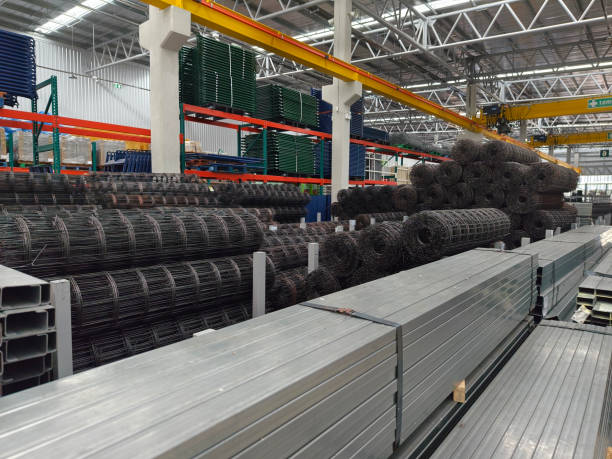
Certified prime hot-rolled and cold-rolled steel coils verified for tensile yield, chemical composition, and gauge consistency.
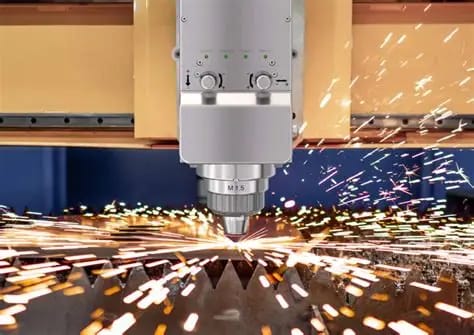
Automated uncoiling and laser/mechanical shear lines cutting blank lengths to sub-millimeter tolerances without edge burrs.
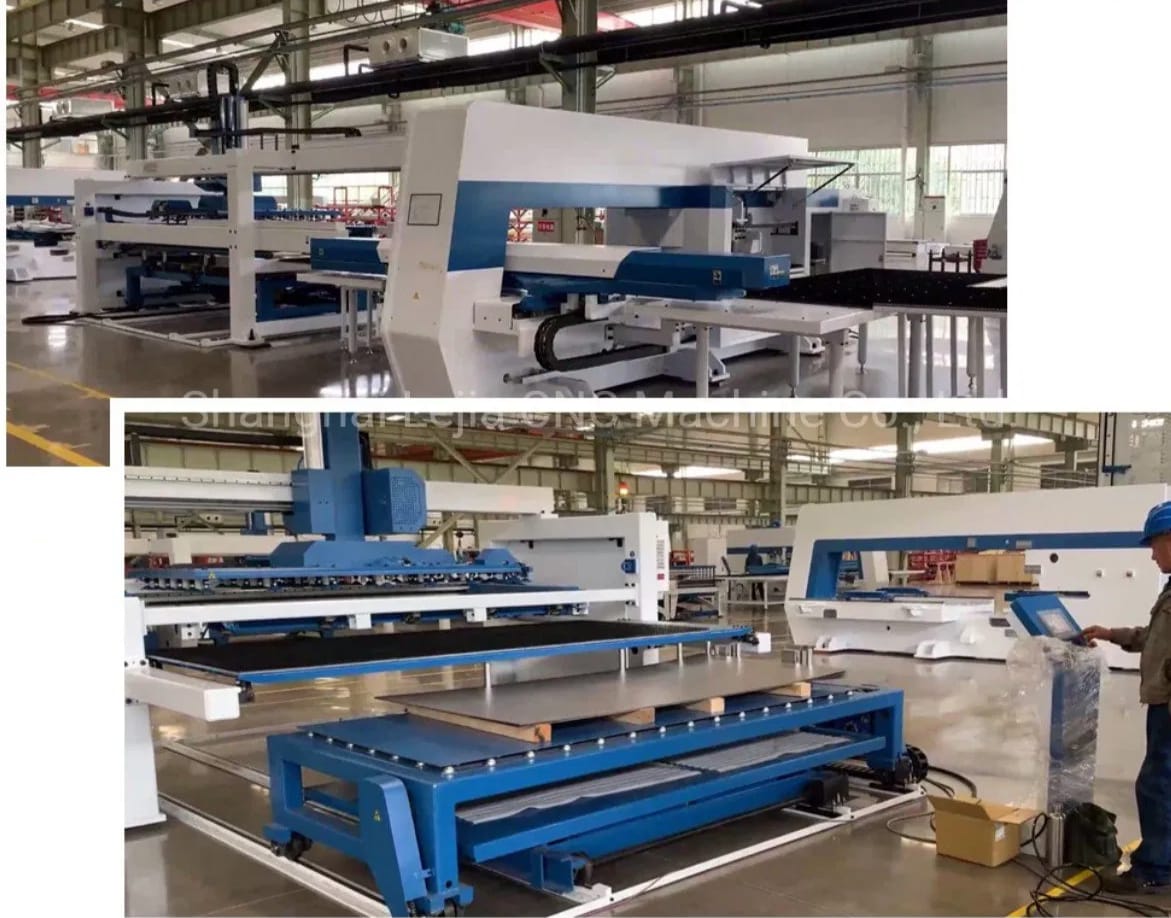
CNC progressive multi-die punch presses punching teardrop, butterfly, and hexagonal column connection holes with 50mm repeatable pitch.
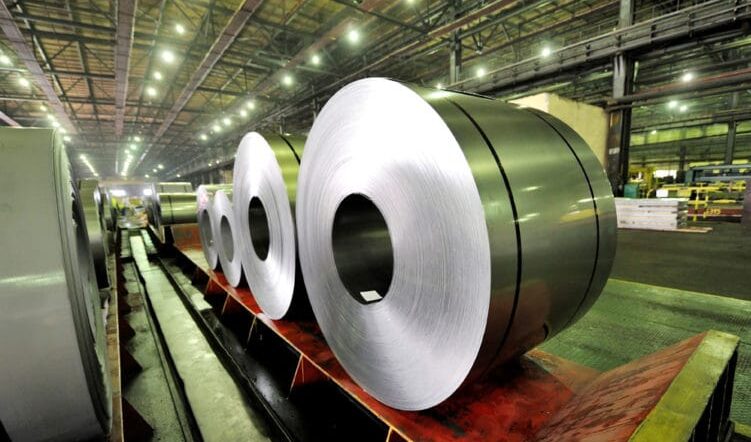
24-station continuous rolling mills producing rigid omega-profile uprights and interlocking box beams with zero internal residual stress.
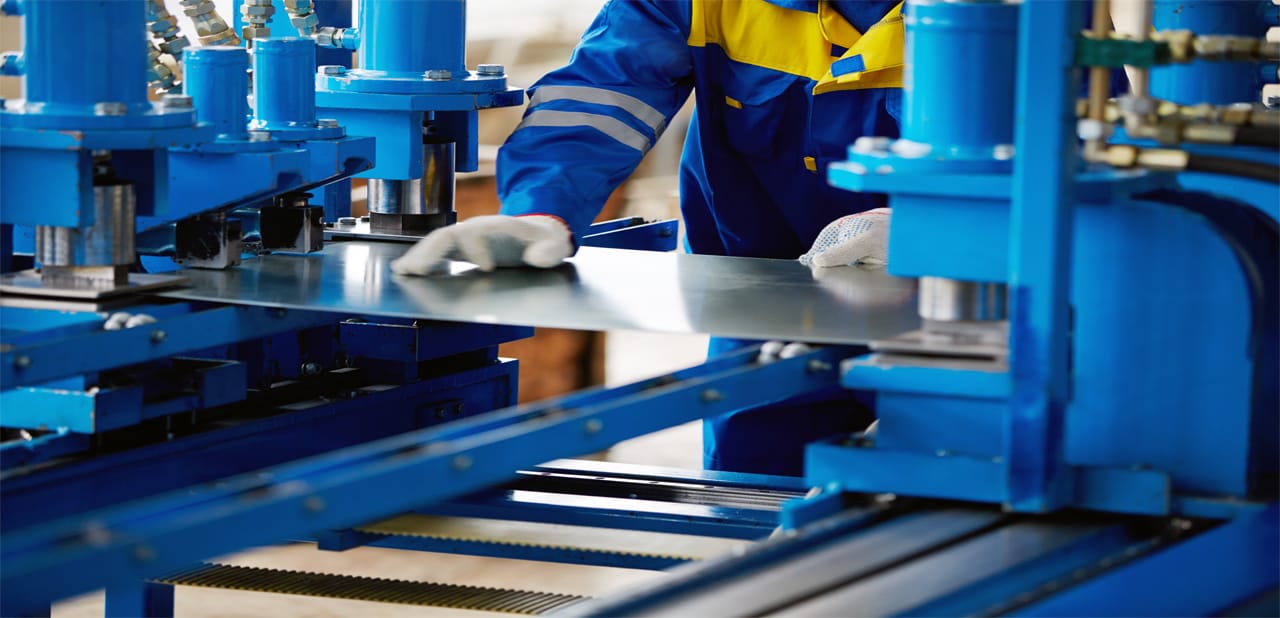
Heavy tonnage hydraulic presses stamping pallet skid feet, connector claws, reinforcement gussets, and interlocking brackets.
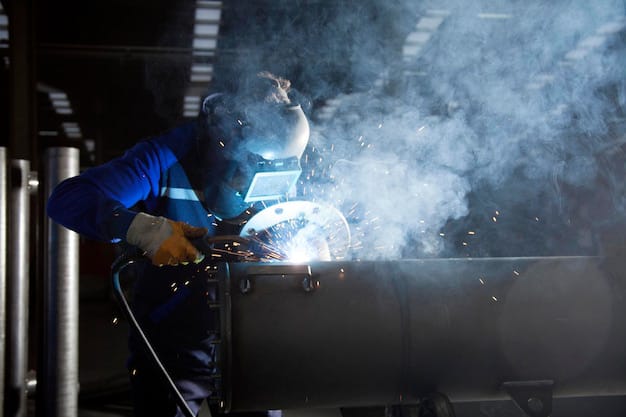
Multi-axis Panasonic robotic weld cells executing continuous CO2 shielded welds with deep structural penetration and clean slag-free beads.
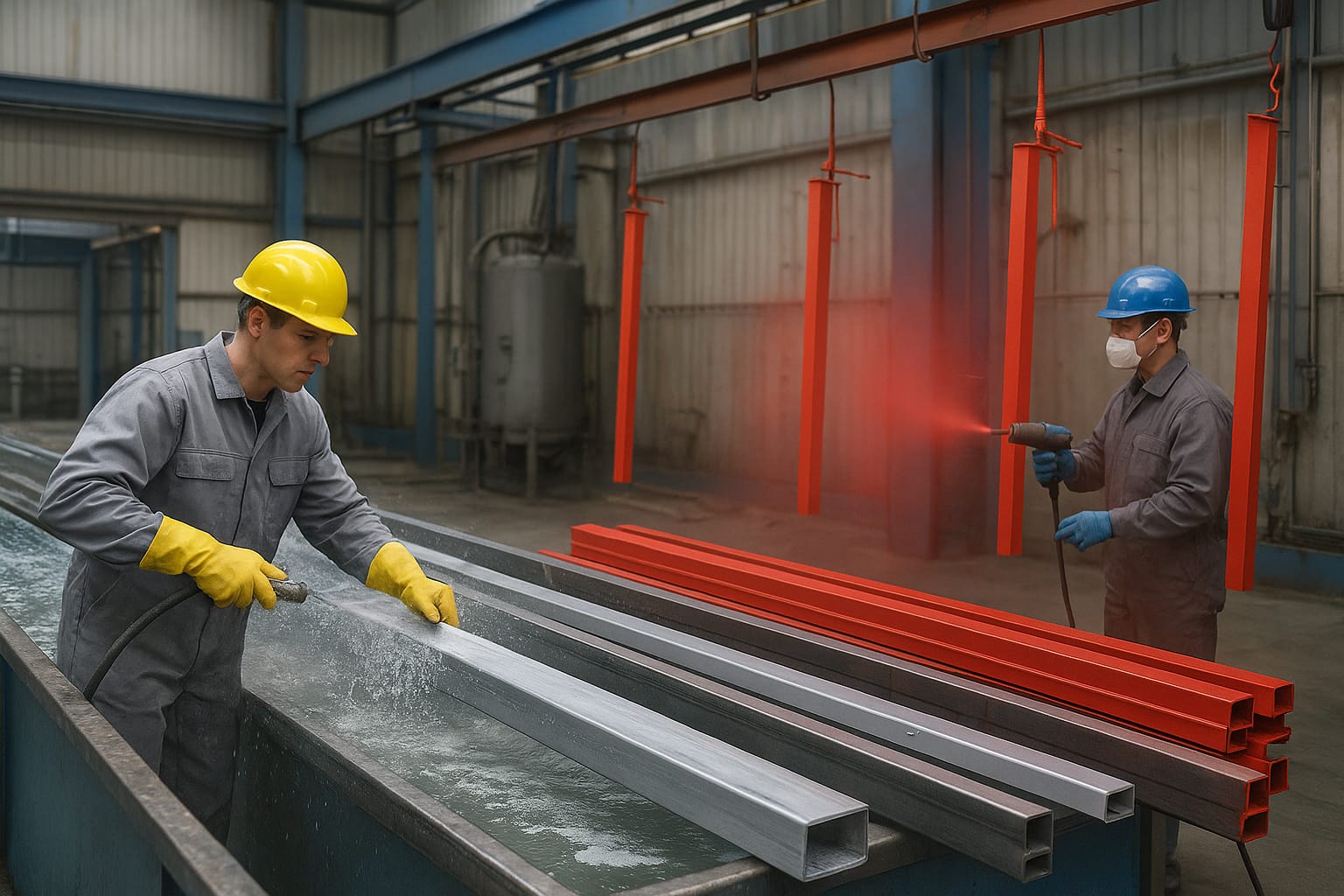
Multi-chamber chemical wash, zinc phosphating, and electrostatically sprayed thermoset epoxy powder cured at 190°C for industrial durability.
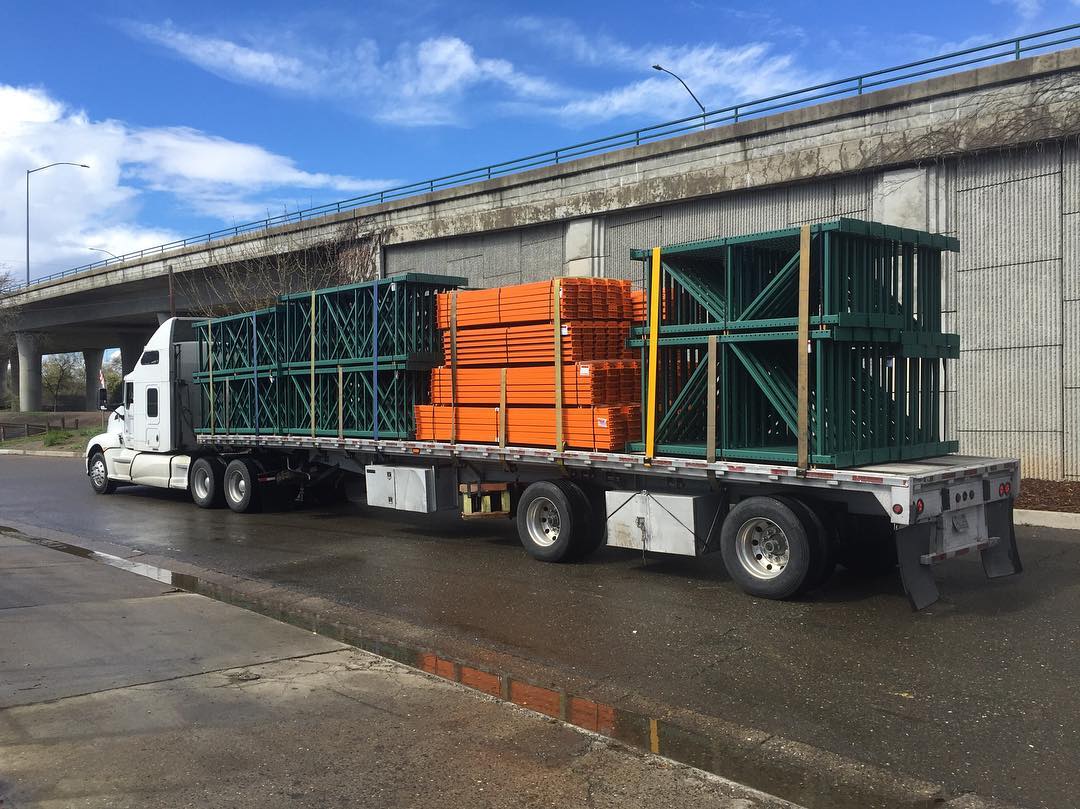
Corrosion-inhibiting wrapping, heavy-gauge steel strapping, edge corner protectors, and container dunnage for damage-free ocean delivery.
Straightforward answers addressing structural engineering, minimum order quantities, customization, compliance, and international shipping protocols.
Steel pallets provide unmatched dynamic weight capacity (up to 3,000 kg on rack beams) and static capacity (up to 15,000 kg), with zero splintering, nail exposure, or mold contamination. They are non-combustible (meeting NFPA 13 building insurance requirements without requiring auxiliary in-rack sprinkler heads), hygienic for pharmaceutical and food environments (HACCP/FDA compliant), fully recyclable at the end of their 15+ year operational life, and impervious to moisture, temperature fluctuations, and chemical washdowns.
We source prime, mill-certified Q235B (ASTM A36 equivalent) for standard storage assemblies and wire mesh decking, and high-yield Q355B (ASTM A572 Grade 50 equivalent) for heavy-duty rack uprights, cantilever columns, and load-bearing pallet feet. For surface protection, we offer industrial thermoset polyester powder coating (60-80 microns thickness) in custom RAL shades for indoor ambient facilities, and Hot-Dip Galvanizing (HDG to EN ISO 1461, 85+ microns) for outdoor storage and sub-zero cold storage facilities down to -30°C.
Yes. Automated Storage and Retrieval Systems (AS/RS) require strict deflection tolerances (less than L/200 under maximum rated load) and tight manufacturing variance (±1.0mm). We engineer dedicated 2-way and 4-way entry steel pallets featuring chamfered runners, center skid alignment locators, optical sensor reflectors, and integrated RFID tag housings tailored to stacker crane forks, radio shuttles, and Autonomous Mobile Robots (AMRs).
To produce an engineering CAD proposal and definitive quotation, our structural engineering department requires: (1) Warehouse clear height to bottom obstruction; (2) Clear floor plan drawing showing building columns, fire exits, and floor slab load capacity; (3) Pallet dimensions (W × D × H) including product overhang; (4) Maximum and average gross weight per pallet load; (5) Forklift make, mast model, turning radius, and maximum reach height; and (6) Ambient temperature profiles (ambient dry, wet washdown, or cold-chain freezer).
All our racking and structural steel pallet systems are engineered, calculated, and manufactured in accordance with major international codes: European Standard EN 15512:2020 (Steel static storage systems), RMI / ANSI MH16.1 (Specification for the Design, Testing and Utilization of Industrial Steel Storage Racks), Australian Standard AS 4084-2012, and FEM 10.2.02. Mill Test Certificates (MTC 3.1) and finite element load verification documents are supplied with every major contract.
Ocean freight efficiency is factored directly into our product engineering. Uprights and beams are nested together in compact bundles banded with heavy-gauge steel straps, protected with corrugated edge boards, and wrapped in heavy-duty vapor corrosion inhibitor (VCI) shrink wrap. Knock-down pallet models and demountable post pallets ship disassembled in high-density stacks, allowing up to 800 to 1,200 units per 40ft High Cube container, drastically cutting your freight landed cost per unit.
Standard pallet rack profiles and catalog steel pallets carry an MOQ of one 20ft ocean container (or 50-100 units for customized configurations). Standard manufacturing lead time ranges from 15 to 25 calendar days following engineering CAD drawing sign-off. High-volume enterprise projects (50+ full container loads) are scheduled across phased weekly dispatches directly from our loading docks.
Absolutely. We routinely host independent third-party inspection agencies appointed by overseas clients (such as SGS, TÜV Rheinland, Bureau Veritas, or Intertek). These inspections verify raw material thickness, steel yield tensile properties, zinc coating or paint film thickness, cross-hatch adhesion, dimensional accuracy, weld integrity, and container loading security prior to departure.
Consult with our senior structural storage engineers. Share your floor layout, pallet loads, and operational criteria to receive a complimentary custom CAD layout and wholesale manufacturer-direct quotation.