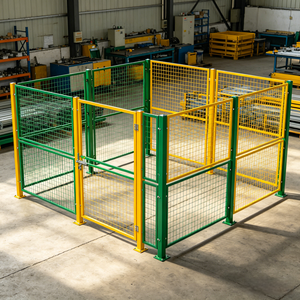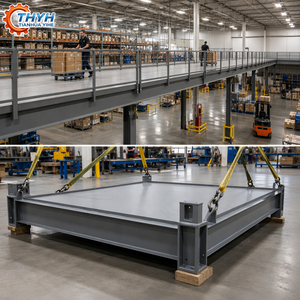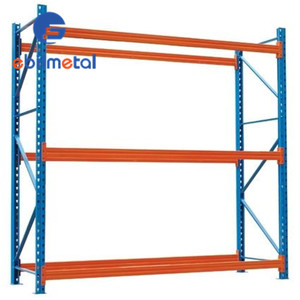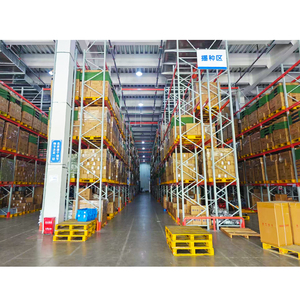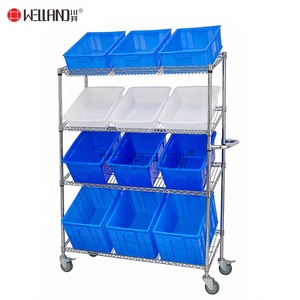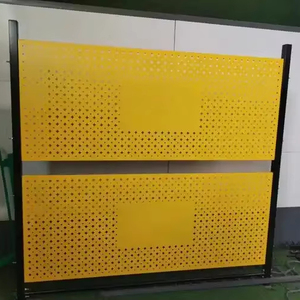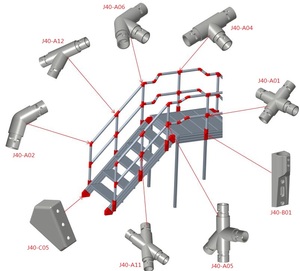
Explore our certified structural fabrication systems, modular warehouse mezzanines, and perimeter safety frameworks engineered specifically for automated crane aisles and high-capacity distribution centers.
Unlike standard manual pallet racking, automated high-bay systems operate under rigorous dynamic kinematics, millimeter-level deflection thresholds, and continuous robotic acceleration cycles.
ASRS stacker cranes (SRMs) travel at horizontal velocities up to 240 m/min and hoist speeds over 90 m/min. Racking beams and upright towers must comply with FEM 9.831 and EN 15620 Class 100–400 criteria.
High-bay uprights reaching 24 to 40 meters demand single-pass profiling without residual torsional stresses. Our facility operates multi-station CNC continuous profiling lines engineered for premium high-yield steels.
ASRS structures are engineered as three-dimensional spatial frames resisting dynamic braking loads, seismic accelerations, and asymmetric live loads across deep lanes.
This engineering benchmark reflects the exact dimensional and mechanical tolerances applied across our manufacturing and fabrication floor:
| Engineering Parameter | Standard Selective Pallet Racking | Very Narrow Aisle (VNA) Turret Rack | Automated High-Bay ASRS Racking (Class 100/200) |
|---|---|---|---|
| Maximum System Height | Up to 12.0 Meters | Up to 17.5 Meters | Up to 45.0 Meters (Clad-Rack Available) |
| Beam Deflection Limit | 1/200 to 1/350 of span (EN 15512) | 1/500 of span | 1/750 to 1/1000 of span (EN 15620) |
| Upright Plumbness Tolerance | ±1/350 to ±1/500 total height | ±1/750 total height | ±1/1500 to ±1/2000 total height |
| Hole Punching Pitch Pitch Accuracy | ±0.5 mm over 1000 mm | ±0.3 mm over 1000 mm | ±0.1 mm repeatable CNC accuracy |
| Handling Equipment Mechanism | Counterbalance / Reach Truck | Guided Man-up / Man-down Turret Truck | Automated Crane (SRM) / 4-Way Radio Shuttle |
| Floor Footprint Utilization | 35% – 40% building volume | 55% – 65% building volume | 85% – 95% ultra-dense vertical volume |
| Safety Barrier & Sensor Protection | End-frame column guards | Floor guide rails / wire guidance | Laser positioning targets, interlock fences, photo eyes |
Choosing the optimal automated racking topology depends on pallet throughput frequency, SKU diversity, unit weight, ambient temperature constraints, and building structural interfaces.
Designed for palletized cargo ranging from 500 kg to 2,500 kg per position. Stacker cranes travel along guided floor rails anchored directly into precision-cast post-tensioned concrete slabs.
Eliminating dedicated crane aisles, intelligent 4-way shuttles travel longitudinally and laterally within specialized cold-formed guide rail profiles. Vertical reciprocating conveyors (VRCs) transition levels seamlessly.
The racking system forms the primary structural skeleton of the warehouse building itself. Side wall claddings and roof deckings are fixed directly onto the external racking uprights and roof trusses.
Combining over 20 years of warehouse storage engineering experience with in-house automated roll-forming lines, computerized punching, robotized welding, and high-spec electrostatic coating.
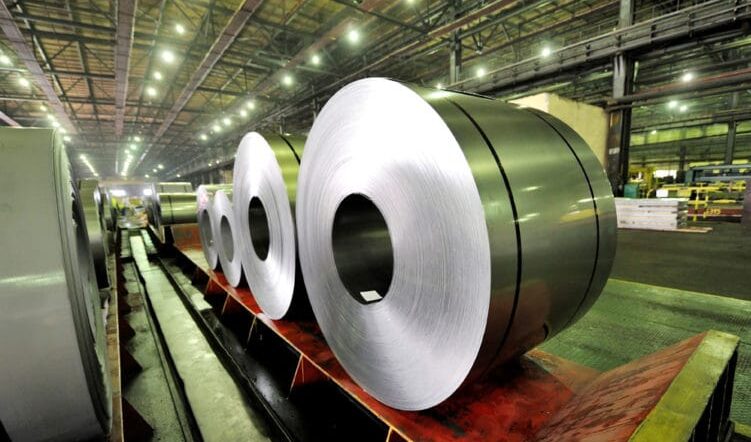
Our heavy-duty 24-station rolling mills handle high-tensile steel coils up to 4.0mm thickness with sub-millimeter runout tolerances, ensuring uniform upright profile geometry across projects exceeding 30m height.
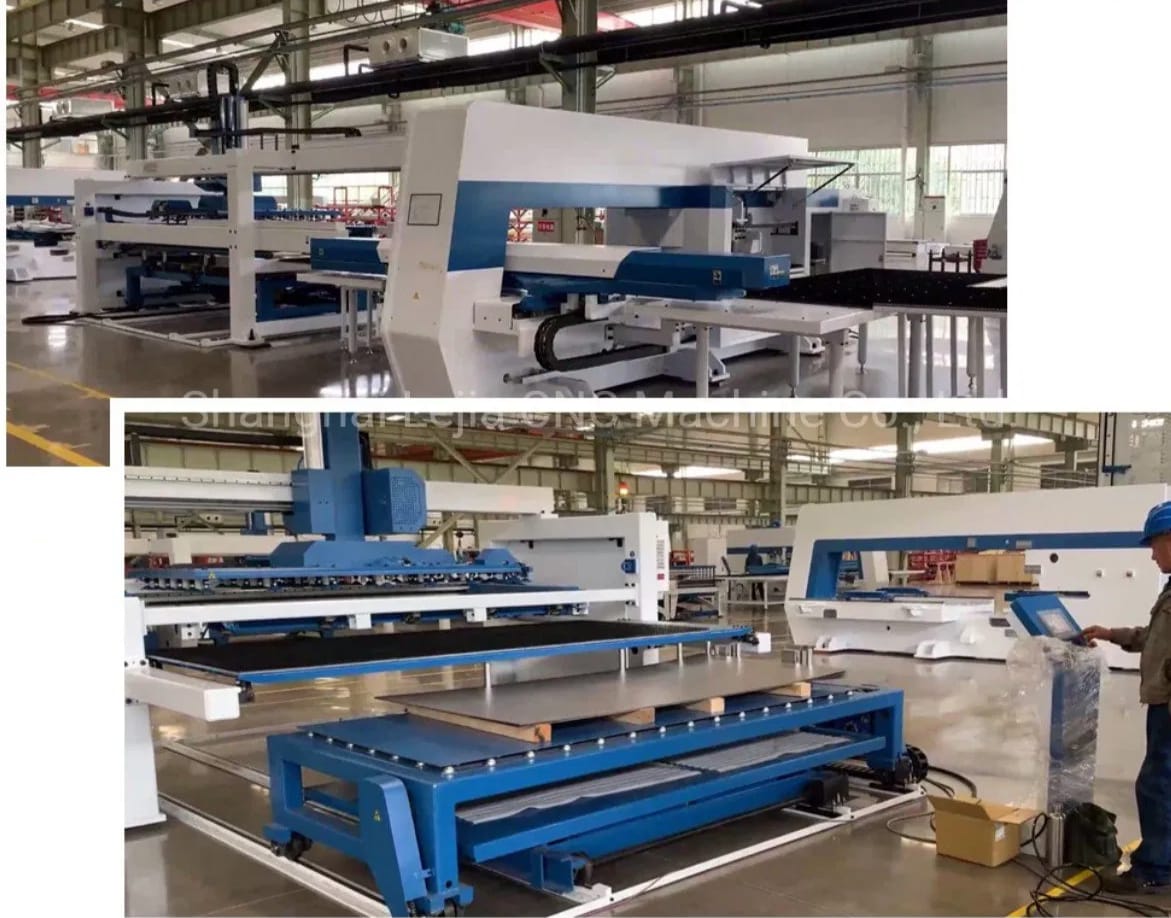
High-speed servo-driven mechanical punch presses produce exact tear-drop, diamond, or metric hole configurations with ±0.1mm repeatable center distance, ensuring frictionless field assembly and crane rail alignment.
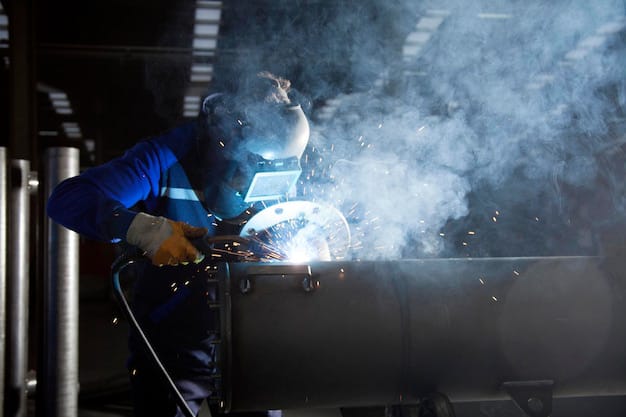
Standardized automated welding cells join connector claws to boxed step beams with deep weld penetration and zero slag, strictly verified by periodic ultrasonic non-destructive testing (NDT).
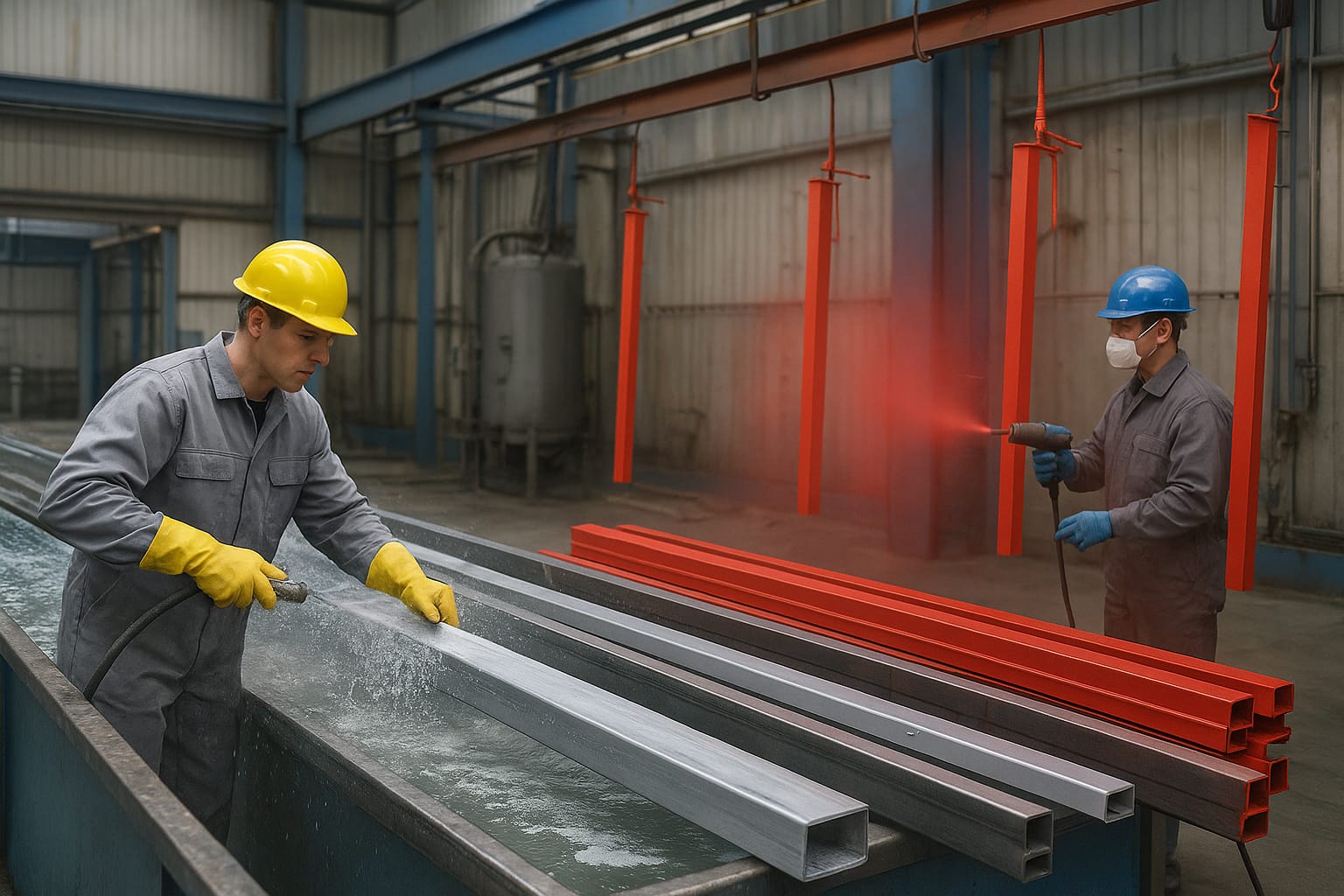
A 5-stage chemical pre-wash followed by automated electrostatic polyester powder application cures an 80-100μm protective film capable of passing 500-hour ASTM B117 salt spray corrosion assessments.
Every automated storage project engineered in our factory is supported by our in-house structural engineers, providing full CAD architectural layouts, structural finite element calculation books, and foundation load schedule sheets. For overseas contractors, EPC firms, and systems integrators, our components are supplied in custom knocked-down export bundling with corner edge guards, rust-inhibiting wrapping, and barcoded container-packing schemas that reduce sea freight container counts by up to 22%.
The convergence of artificial intelligence, warehouse execution systems (WES), and high-density material handling hardware is fundamentally shifting how automated racking systems are procured and engineered.
Traditional single-crane aisles represent single-point-of-failure risks. Global logistics operators are prioritizing flexible 4D multidirectional pallet shuttle swarms. These fleets dynamically allocate robotic assets across levels via vertical lifts, demanding tighter racking rail leveling tolerances (±0.5mm across joints).
High-bay ASRS installations are increasingly integrated with embedded fiber-optic strain gauges, wireless tilt sensors, and accelerometer arrays along critical lower-tier uprights. Real-time telemetry feeds back to the warehouse management system (WMS) to detect micro-settlement, seismic resonance, or accidental forklift impacts before structural compromise occurs.
With rapid expansion in automated biologics, frozen food logistics, and pharmaceutical storage operating at -25°C to -45°C, standard structural steels suffer brittle fracture hazards. Procurements now stipulate impact-tested low-alloy steels (such as Q355D/E or S355NL) exhibiting verified Charpy V-notch energy absorption ≥34J at -20°C to -40°C.
Rising land costs and urban consolidation center zoning have made 35m+ clad-rack systems standard. Future procurement contracts increasingly bundle the rack frame with building envelope engineering, reducing architectural handover frictions and expediting overall project time-to-market by 4 to 6 months.
Multinational 3PLs and Fortune 500 enterprises are auditing carbon footprints across the supply chain. Leading Chinese manufacturers are transitioning to scrap-fed electric arc furnace (EAF) steel sourcing, water-based non-VOC pre-treatment chemistries, and ultra-high-efficiency powder reclamation systems that recover up to 98% of overspray.
Procurement models have shifted away from multi-layered middleman markups. Modern systems integrators collaborate directly with Chinese primary manufacturers from concept stage, exchanging 3D BIM (Revit/Tekla) files directly to accelerate CNC tooling, profile extrusion, and custom slot die fabrication.
Authoritative technical answers to critical engineering, manufacturing tolerance, and procurement inquiries encountered during high-bay warehouse planning.
Conventional pallet racking (governed by EN 15512 or ANSI MH16.1) permits beam deflections up to 1/200 of the span and out-of-plumb upright variances of approximately 1/350 of the total height. In contrast, automated storage and retrieval systems (ASRS) governed by EN 15620 (Class 100/200) and FEM 9.831 mandate maximum beam deflections of 1/750 or 1/1000 under full static and dynamic live loads. Furthermore, upright frame plumbness must be maintained within ±1/1500 to ±1/2000 across the entire vertical rise. These tighter tolerances ensure that optical sensors, positioning retroreflectors, and automated crane forks pick and deposit pallets without mechanical interference, sensor blindness, or collision risks.
Ultra-tall upright profiles are formed on our specialized 24-station continuous roll-forming lines. By using progressive, low-strain deformation across multiple rolling passes, internal residual torsional stresses are dramatically minimized compared to rapid, high-impact forming methods. In addition, real-time computerized roller straighteners counteract camber, bow, and twist along the entire length of the section. Profiles are manufactured from high-grade structural coils with guaranteed yield strengths. When spliced on-site, precision-machined heavy-duty internal splice sleeves ensure absolute axial continuity and load transfer.
At sub-zero temperatures, standard mild carbon steel undergoes a ductile-to-brittle transition, significantly raising catastrophic fracture risks. For cold environments (-18°C to -30°C), we recommend micro-alloyed, fully killed steels such as Q355D or Q355E (equivalent to European EN 10025 S355J2/NL), which are certified for Charpy V-notch impact energy absorption ≥34J at -20°C to -40°C. For surface treatment, hot-dip galvanized components (minimum 65–85μm zinc layer) or thermosetting powder coatings with specialized low-temperature polyurethane modifiers are deployed to avoid micro-cracking and moisture migration under perpetual freezing cycles.
Yes. Our in-house engineering team uses advanced 3D finite element analysis (FEA) software to generate complete structural calculation books. We model dead loads, live loads, pallet dynamic braking loads, seismic lateral accelerations (conforming to ASCE 7, IBC, Eurocode 8, or local standards), and wind/snow loads for clad-rack structures. Calculations include second-order P-Delta effects, node connection rotational stiffness evaluations, floor slab point-load reactions, and anchor bolt embedment shear-pullout analyses ready for submission to municipal building plan checkers and independent third-party certifiers.
All export cargo undergoes heavy-duty industrial export packaging. Upright frames and beams are nested with custom wooden spacers and high-density polyethylene (HDPE) buffers to prevent metal-to-metal friction during transit. Bundles are bound with heavy-duty PET strapping and wrapped in thick UV-resistant, waterproof stretch film containing volatile corrosion inhibitor (VCI) desiccants inside the wrapping. Smaller connectors, brackets, safety pins, and precision hardware are packed in reinforced, fumigated wooden cases lined with moisture barriers. Every bundle includes clearly stamped center-of-gravity markers and crane hoist points for safe on-site unloading.
In a conventional build, a pre-engineered building (PEB) structural steel frame is erected first, followed by interior racking installation. This creates redundant vertical columns, wastes lateral space, and requires dual foundations. In a Clad-Rack system, the storage racking uprights double as the building's structural columns, directly supporting the wall panels, roof purlins, smoke vents, and crane top guide rails. This architecture typically cuts total steel tonnage by 15% to 25%, reduces civil construction capital expenditure by up to 35%, maximizes vertical building height up to 45 meters, and significantly accelerates project completion schedules.
To produce an accurate engineering design and commercial proposal, we require: (1) Warehouse architectural drawings showing overall boundary dimensions, clear height under roof trusses, column grids, fire exit corridors, and slab thickness; (2) Pallet specifications including width, depth, height (including load), minimum/maximum/average pallet weights, and pallet base style (two-way/four-way, bottom runner layout); (3) Target storage capacity and SKU count; (4) Required throughput cycle rate (pallets inbound/outbound per hour); (5) Operating environment conditions (ambient, air-conditioned, or cold-storage temperature); and (6) Automation equipment supplier details (stacker crane, shuttle, or VRC specifications) if already selected.
The bottom crane running rail is typically anchored directly onto the warehouse floor slab using adjustable sole plates and high-strength grout to achieve exact elevation and planarity. The top guide rail is suspended from heavy-duty structural cross-tie portal frames that span across the crane aisle, tying adjacent racking blocks into an integrated, rigid structural diaphragm. These top portal ties include micro-adjustable mechanical brackets allowing 3D alignment of the top guide rail within ±1.0mm along the entire aisle run, absorbing crane lateral dynamic wheel forces during emergency stops.
Our quality management system is certified to ISO 9001. Raw steel coils are accepted only with accompanying Mill Test Certificates (MTC) verifying chemical composition and mechanical properties, with incoming batch samples subjected to laboratory tensile, yield, and elongation testing. During roll-forming, laser optical sensors continually inspect hole pitch, flange angles, and profile dimensions. Robotic weldments undergo penetrant inspection (PT) and periodic ultrasonic testing (UT). Finished powder-coated parts are checked for film thickness (gauge testing), gloss, adhesion (cross-hatch adhesion test ASTM D3359), and impact resistance.
For a standard 10,000 to 25,000 pallet position system, production lead time at our factory typically spans 6 to 9 weeks following sign-off on final approval drawings and connection details. Because all manufacturing steps—steel slitting, continuous roll-forming, automatic punching, robotic welding, and powder coating—are operated in-house, we control production sequencing directly and can stage container shipments to match the contractor's on-site installation schedule, minimizing warehouse floor congestion during erection.
Connect directly with our senior intralogistics structural engineers. Share your preliminary layout, pallet data, or crane interface requirements for comprehensive CAD layouts, structural FEA load sheets, and factory-direct commercial estimates.