China Best Pallet Support Bars Manufacturer & Factories
Global procurement technical guide, structural safety compliance (ANSI MH16.1 / FEM 10.2.02), automated robotic fabrication, and high-load cross-bar engineering from China's premier racking manufacturing facilities.
Factory Direct Storage Infrastructure
Heavy-Duty Racking & Pallet Support Systems
Engineered to integrate seamlessly with selective pallet racks, step beams, box channels, and robotic retrieval facilities across North America, Europe, the Middle East, and APAC.
Single Deep
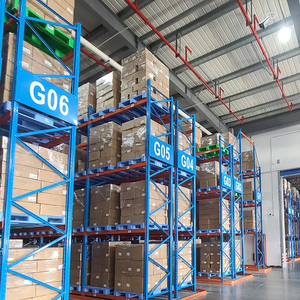
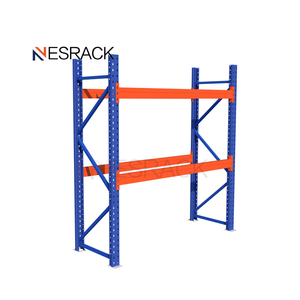
Steel Warehouse Metal Van Rack System Heavy Duty Stacking Pallet Shelves Single Deep Industrial Estanteria Metalica Shelving
Years of Specialized Industrial Cold-Roll Forming & Structural Racking Engineering
50k
Metric Tons Annual Throughput Across Certified Q235B & Q355B Steel Support Lines
0.2%
Max Elastic Beam Deflection Tolerance Under Full Dynamic Loading (L/200 Standard)
65+
Export Sovereign Destinations Across North America, Europe, Middle East, and Asia
Engineering Authority Report
Technical Structural Foundations of Industrial Pallet Support Bars
In contemporary high-density distribution and automated supply chain architectures, pallet support bars (commonly recognized across international procurement sectors as pallet cross-bars, skid safety bars, or flanged rack cross-members) serve as the fundamental secondary load-bearing matrix bridging warehouse rack beams. While selective pallet racking beams are calculated to support uniform distributed loads (UDL) bearing directly on both the front and rear step or box faces, operational realities routinely introduce severe point-load deviations, substandard wood pallet boards, undersized plastic skids, and concentrated cargo configurations.
A failure to specify proper structural-grade pallet cross bars introduces catastrophic racking hazards, including transverse beam deflection, localized web crushing, pallet drop-through, and asymmetrical torsion. China’s premier manufacturing plants have transitioned from conventional low-grade sheet stamping to advanced automated cold-roll forming, robotic laser notch profiling, and high-tensile structural steel fabrication compliant with RMI ANSI MH16.1, FEM 10.2.02, and EN 15512 engineering codes.
Selecting the correct cross-bar topology depends directly on your beam profile (step beam vs. structural C-channel vs. rectangular box beam), working environment, fire sprinkler hydraulic penetration guidelines, and handling equipment:
Type A: Universal Step
Flanged Waterfall Support Bar
Features formed retention flanges that drape over the top face of the rack beam, preventing longitudinal dislodgement while maintaining flush alignment with the rack step.
Profile Geometry:Hat Channel / Pre-formed
Steel Gauge:1.5mm - 2.5mm (Q235B)
Retention Mode:Gravity wrap + Tek Screw
Typical Rating:1,200 kg – 1,800 kg / pair
Type B: Box & Structural
Drop-In Cup / Flush Bar
Engineered with formed drop-in end brackets that seat directly into the vertical step recess or over a structural channel, creating an entirely obstruction-free top plane.
Profile Geometry:Tubular 40x40 / 50x30
Steel Gauge:1.8mm - 3.0mm (Q355B)
Retention Mode:Recessed Captive Slot
Typical Rating:1,500 kg – 2,500 kg / pair
Type C: Heavy Industrial
Top-Hat Cross-Bar Reinforcement
Heavy roll-formed inverted hat section designed for intense localized wheel and point loads, commonly deployed in battery manufacturing, automotive casting, and heavy dies.
Profile Geometry:Reinforced Hat-Fold
Steel Gauge:2.5mm - 4.0mm Hot-Rolled
Retention Mode:Bolted or Pinned Ends
Typical Rating:2,000 kg – 3,500 kg / pair
Type D: Double Flanged
Self-Locking Structural Cradle Bar
Engineered with front and rear dual-return lips for box beams where no step exists, guaranteeing rack beam pitch alignment and eliminating beam spread under heavy pallets.
Profile Geometry:Continuous Roll Profile
Steel Gauge:2.0mm - 3.2mm
Retention Mode:Dual Clamp Wraparound
Typical Rating:1,800 kg – 2,800 kg / pair
Pallet Support Bar Engineering Specification & Deflection Benchmarks
Below is the authoritative metallurgical and structural benchmark chart formulated by our senior structural engineers, cross-referencing load capacities against span lengths and cross-sectional geometries:
As documented in our facility audit protocols, our enterprise combines over 20 years of warehouse storage engineering experience with completely internalized fabrication capability. Sourcing pallet support bars from third-party trading middlemen creates severe quality risks—ranging from dimensional skew on beam steps to brittle low-temperature weld seams.
Our precision production workflows control every physical stage under one roof, ensuring repeatable hole-pitch accuracy, uniform flanging, certified yield strengths, and state-of-the-art non-toxic electrostatic surface finishing:
Stage 01
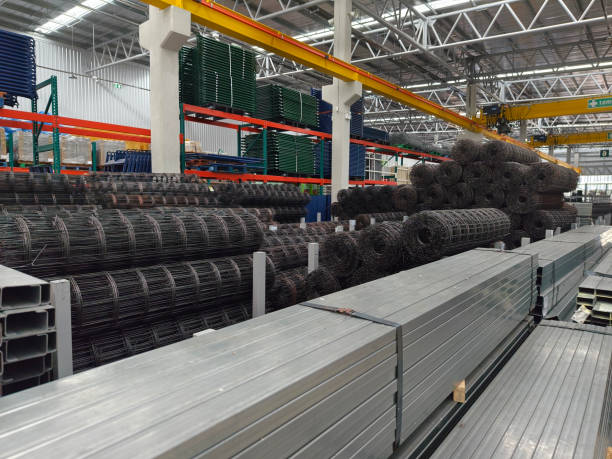
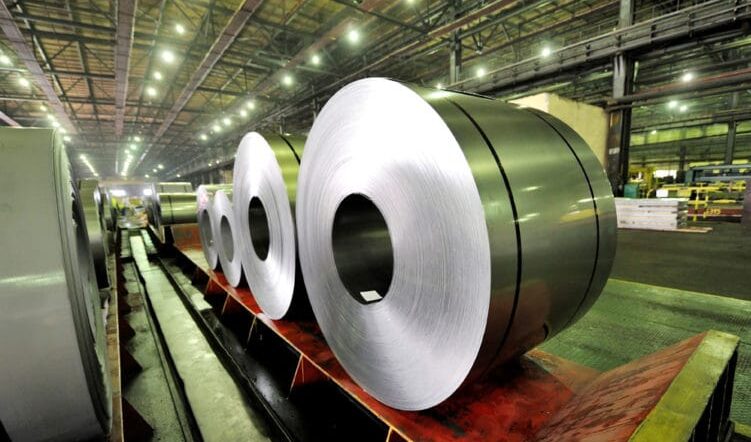
Raw Material Intake
Verified prime strip steel coils with physical mill test reports (MTR) confirming chemical composition and tensile elongation.
Stage 02
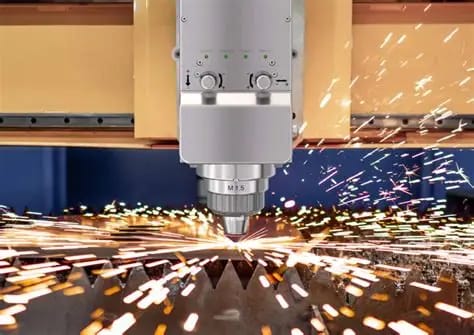
High-Speed Cutting
Automated shearing lines holding ±0.5mm linear tolerance to guarantee perfect rack beam span seating without field modification.
Stage 03
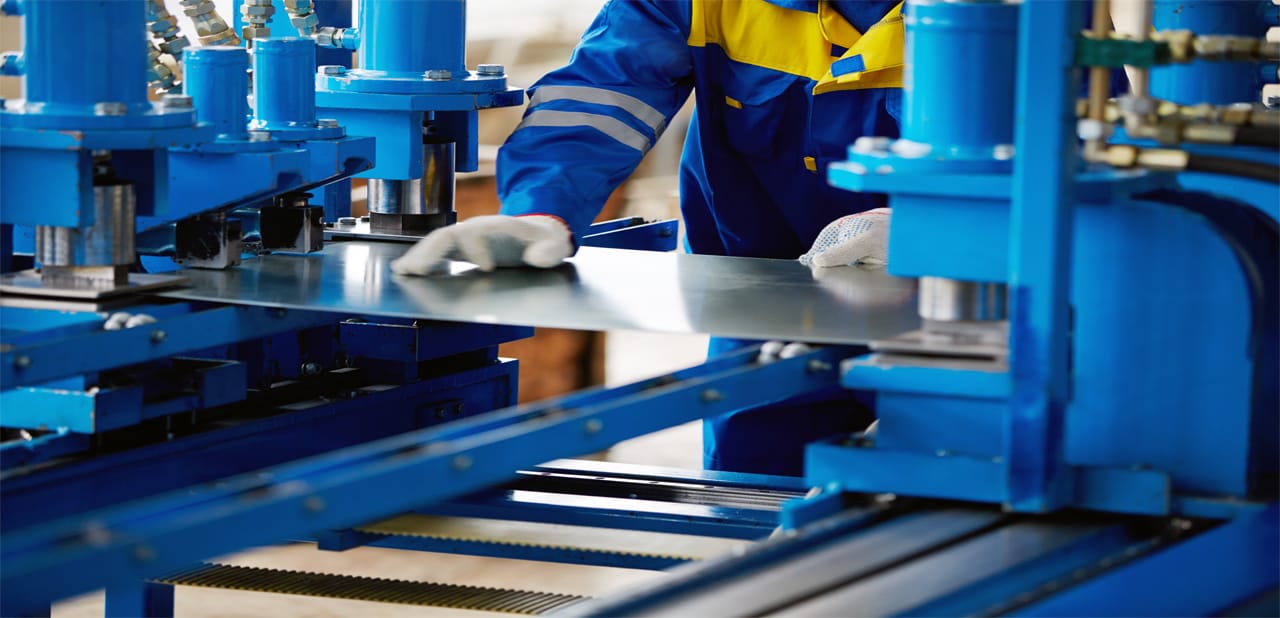
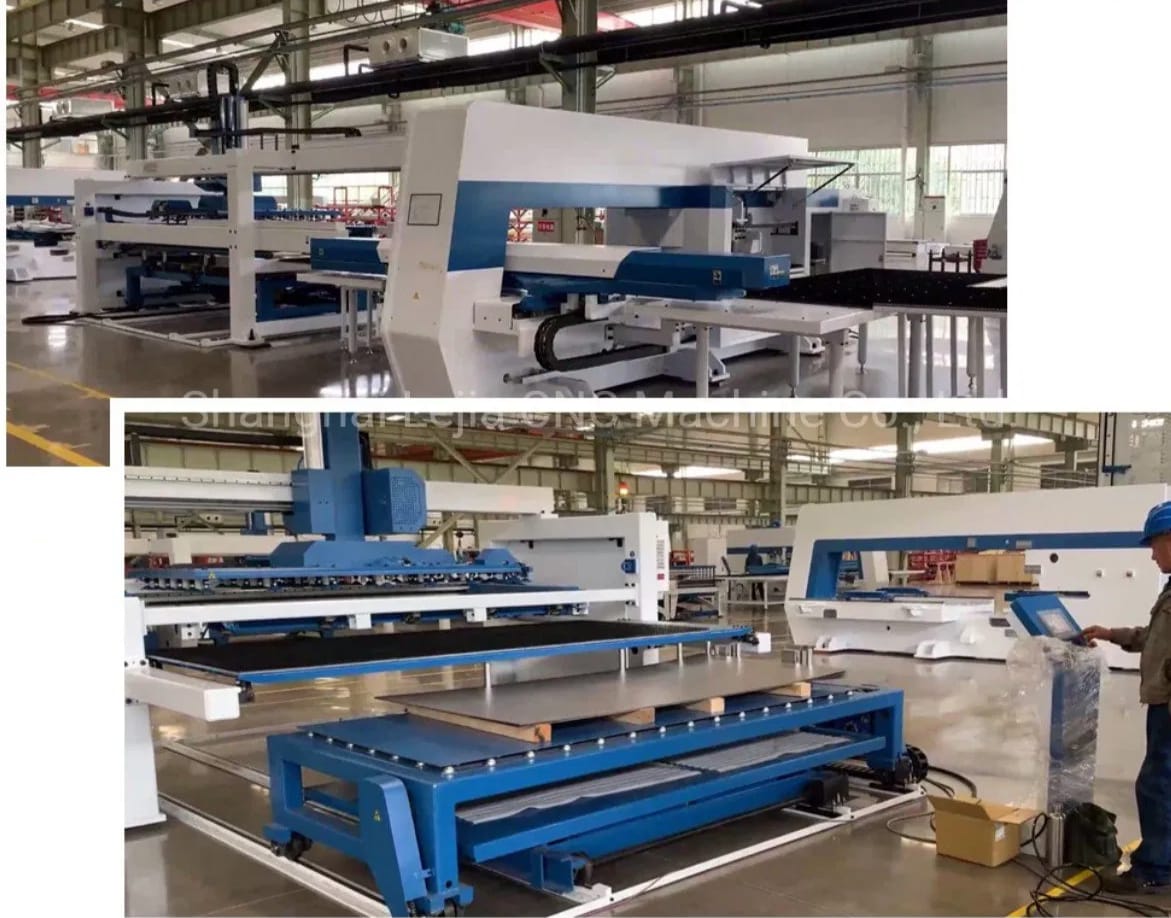
Hydraulic Press Units
Precision progressive die stamping creating flawless saddle contours, waterfall bends, and locking tabs.
Stage 04
Continuous Roll Forming
Multi-station pass rolls cold-forming structural hat sections with enhanced longitudinal stiffness and zero residual stress.
Stage 05
Auto Punch Units
Consistent pre-punched fastener holes for self-tapping tek screws or safety drop pins to prevent accidental dislodgement.
Stage 06
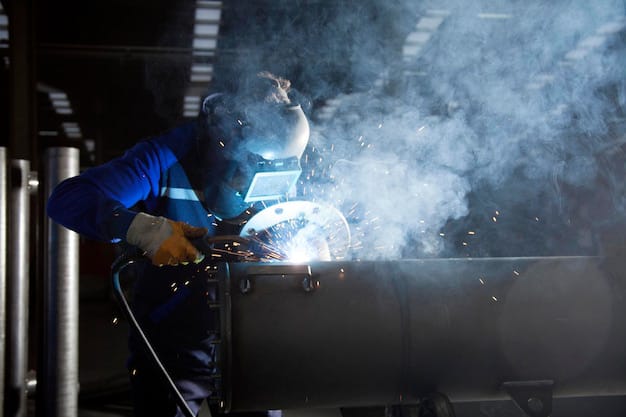
Robotic Welding Line
Carbon-dioxide shielded robotic welders generating uniform throat depth and zero-spatter bonds between cross-bar and brackets.
Stage 07
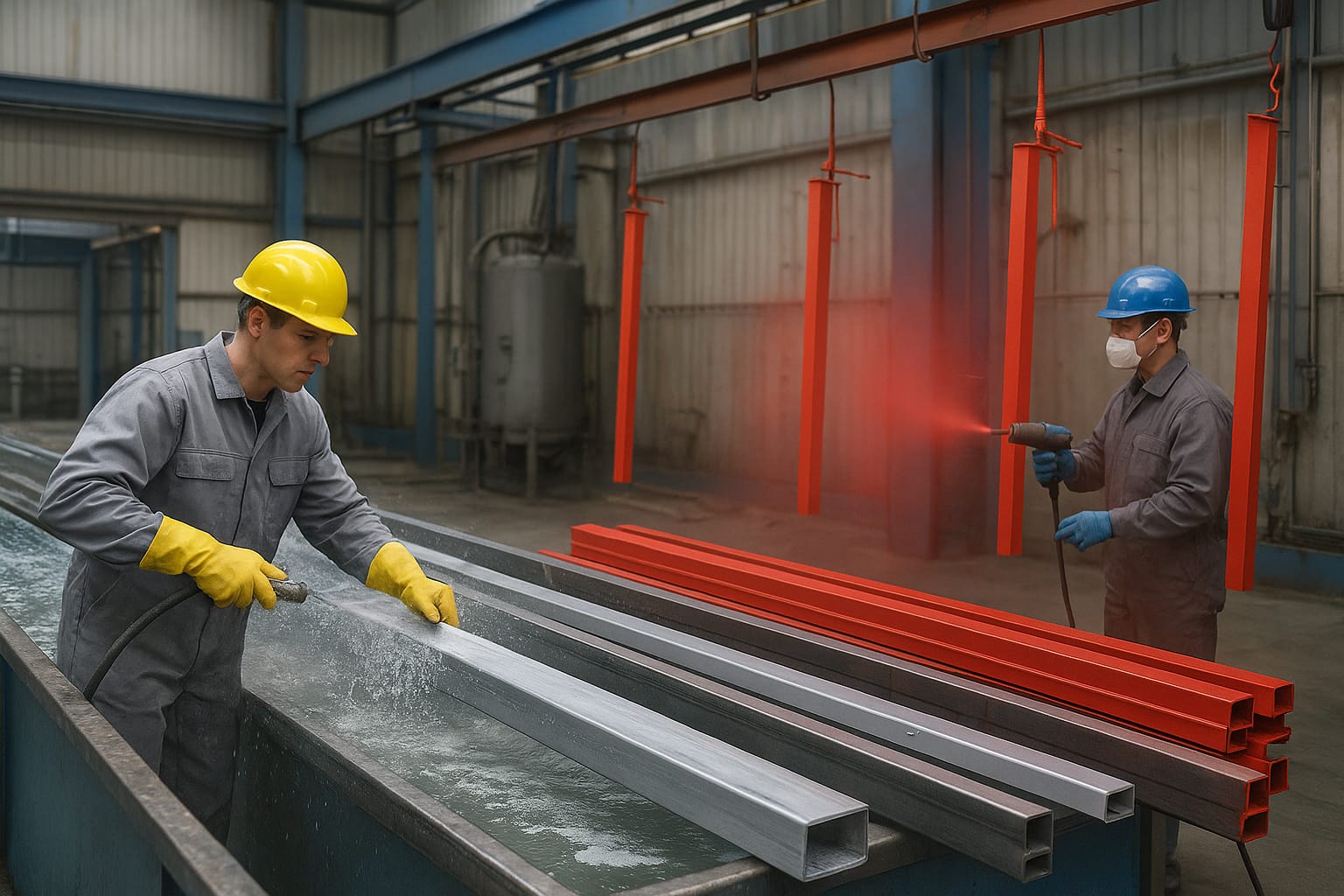
Washing & Powder Coating
Multi-tank phosphating and pure polyester thermoset powder curing at 200°C for exceptional salt-spray and abrasion resistance.
Stage 08
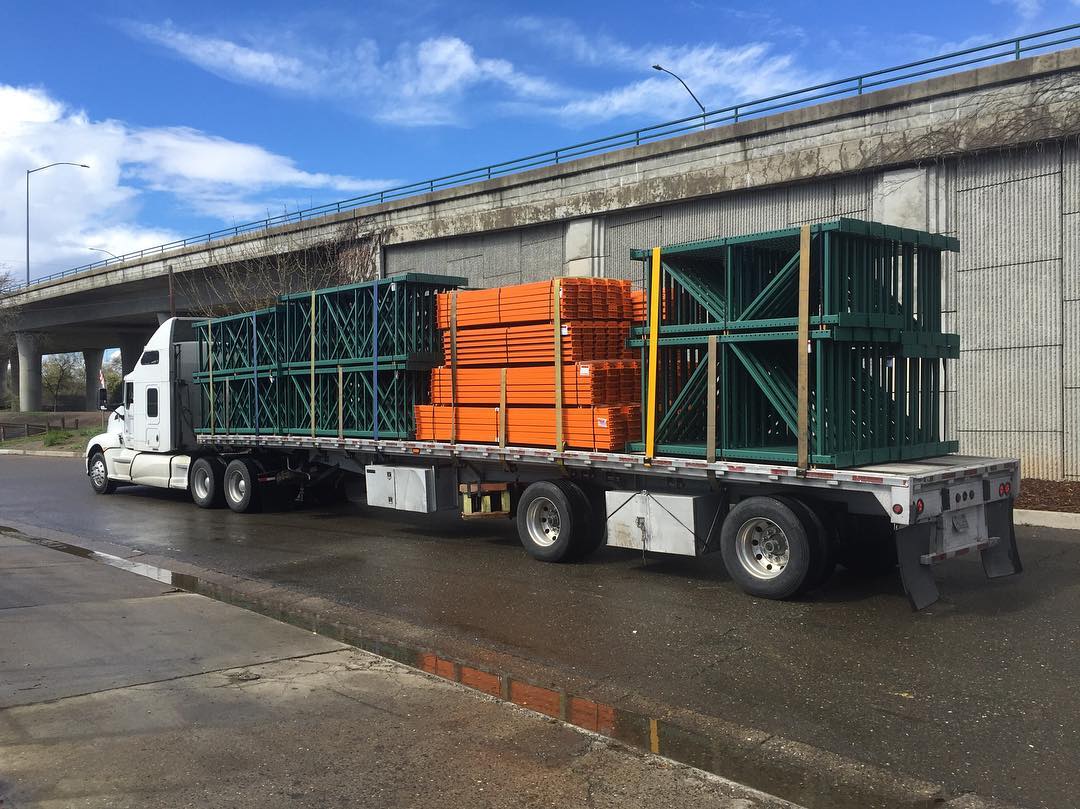
Export Packing & Freight
Heavy steel strapping, corner edge protectors, and seaworthy wooden dunnage optimized for high-cube container utilization.
20+ Years Structural Heritage
Experienced CAD calculation teams modeling custom load cases, dynamic seismic zones, and irregular pallet footprints.
Strict Batch Traceability
Every steel production batch undergoes ultrasonic weld checks, 500-hour salt spray testing, and destructive load compression.
Custom OEM/ODM Capability
Bespoke profile roll tooling, customized RAL color powder application, pre-galvanized finishes, and customized retail branding tags.
Market Forecasting & R&D
Future Procurement & Product Development Trends (2025–2030)
As warehouse logistics transforms under the influence of omnichannel micro-fulfillment, multi-tier autonomous mobile robots (AMRs), and stringent global carbon compliance, the functional role of pallet support bars is experiencing rapid technological evolution. Procurement officers can no longer evaluate support bars solely as static pieces of bent sheet metal. The following structural and procurement vectors are actively redefining B2B contracts:
1. High-Tensile Micro-Alloy Steel Lightweighting
Shift from traditional 2.5mm Q235B carbon steel toward 1.8mm high-yield micro-alloyed structural steels (such as Q355B or cold-rolled HC340LA). This transition delivers a 22% deadweight reduction while maintaining identical or superior ultimate bending moments, drastically lowering international maritime container shipping costs.
2. AS/RS & Shuttle Automated Interfaces
Next-generation automated 4-way pallet shuttles and robotic forklifts demand strict flush-top support planes with integrated optical reflector cutouts and laser-guided centering stops. Modern China factories manufacture ultra-flat tolerance bars (planarity < 0.8mm) to prevent robotic travel sensor trips.
3. Hot-Dip Galvanizing & Sustainable Finishes
Stringent cold-chain pharmaceutical and food logistics regulations dictate zero-flaking, food-contact safe, corrosion-resistant coatings. China's top facilities lead the global pivot toward continuous inline pre-galvanized zinc-aluminum-magnesium (ZAM) alloys, providing 3x the rust resistance of traditional electro-zinc.
From a commercial procurement perspective, supply chain directors are consolidating supplier bases. Rather than purchasing upright frames, step beams, wire mesh decks, and pallet support bars from fragmented vendors, global tier-1 integrators require Chinese tier-1 factories to engineer turnkey modular kits. Delivering pre-drilled, precision-nested pallet support bars bundled within containerized beam packs reduces ocean cube wastage by up to 28% and shortens jobsite assembly time by nearly half.
Comprehensive technical and commercial responses to critical questions encountered by racking project engineers and international sourcing directors.
How many pallet support bars are required per pallet position?
Under standardized international structural engineering codes (such as RMI MH16.1 in North America and SEMA/FEM in Europe), the standard design baseline is two (2) pallet support bars per pallet storage location (or 4 to 6 bars per typical 2-pallet or 3-pallet beam pair). In applications involving weak non-reversible timber skids, open bottom skids, concentrated line loads, or weak center stringers, engineering calculations frequently specify three (3) bars per position to restrict wood deflection within allowable shear boundaries.
What is the difference between a Drop-In cross-bar and a Flanged Waterfall cross-bar?
A Flanged (Waterfall) Support Bar features an inverted formed lip that rests on top of the beam face. It can be installed quickly and locked via self-drilling screws, making it universal for standard step beams. A Drop-In Support Bar sits entirely flush within the recessed step channel of a step beam or uses welded formed saddles that cup over box beams. Drop-in bars ensure a completely obstruction-free top plane, preventing snagging during pallet sliding.
Which steel grades are utilized, and can test certifications be supplied?
Our facility standardizes on certified Q235B structural carbon steel (equivalent to ASTM A36 / European S235JR) for standard loading, and high-yield Q355B (equivalent to ASTM A572 Grade 50 / S355JR) for extra heavy-duty or long-span configurations. Full 3.1 Mill Test Certificates (MTC) detailing yield strength, ultimate tensile strength, elongation percentage, and chemical composition are provided with every export shipment.
How are pallet support bars secured against dynamic dislodgement?
RMI safety guidelines mandate that pallet supports must resist an accidental upward vertical force of at least 500 lbs (2.22 kN) and lateral sliding. Our support bars incorporate pre-punched fastener clearance holes for heavy-duty self-tapping Tek screws into the beam step, or can be equipped with welded safety retaining drop-pins and captive lock-tabs for tool-free, inspection-friendly compliance.
Why choose Pallet Support Bars instead of Wire Mesh Decking?
While wire mesh decking provides continuous surface coverage for mixed carton sizes, high-tensile pallet support bars offer significant advantages: (1) Superior concentrated point-load capacity for heavy machinery dies, steel bins, and bulk liquids; (2) Considerably lower steel weight and unit cost per pallet position; (3) Superior fire sprinkler water penetration with zero vertical shadow; and (4) Greater resistance to forklift fork puncture damage.
What is the factory lead time and Minimum Order Quantity (MOQ)?
Standard profile tooling runs have a flexible MOQ of 500 units (or combined within mixed container loads of uprights and beams). Customized profile lengths, unique punch hole configurations, or non-standard powder coat colors typically require a minimum batch of 1,000 units. Standard production lead times run between 14 and 25 calendar days from finalized CAD drawings to sea container loading at Shanghai or Ningbo ports.
Can your engineering team customize support bars for non-standard rack beams?
Yes. Our in-house engineering and CAD design teams routinely fabricate cross-bars matched to box beams, structural C-channels, custom European Omega profiles, and teardrop rack systems. Clients simply supply beam profile dimensions (flange width, step depth, and gauge) or ship a physical beam sample to our laboratory for reverse-engineered bracket stamping.
What surface coatings are available for cold-storage and outdoor facilities?
For standard ambient warehouses, we utilize an automated multi-stage electrostatic thermoset epoxy-polyester powder coating (60-80 microns). For cold-storage down to -30°C, high-humidity food plants, or exterior applications, we supply continuous pre-galvanized steel (Z275 coating), hot-dip galvanizing (HDG) per ASTM A123 / ISO 1461 (over 85 microns), or state-of-the-art Zinc-Aluminum-Magnesium anti-corrosion alloys.
Request an Engineered Pallet Support Bar Quotation
Send your rack beam schedules, pallet dimensions, load ratings, and target port of delivery. Our structural engineers will generate an optimized load calculation, 3D CAD drawing, and factory-direct volume pricing within 24 hours.