
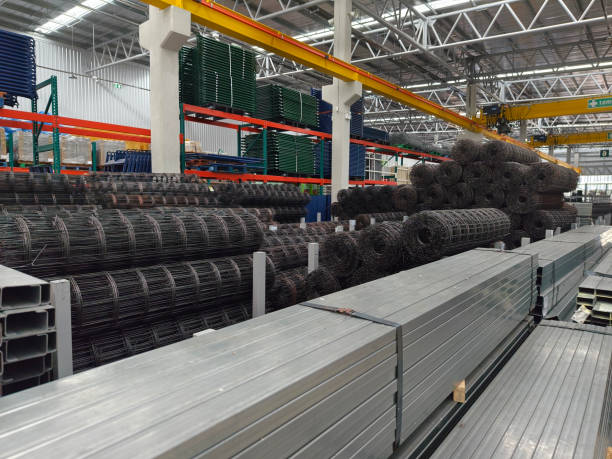
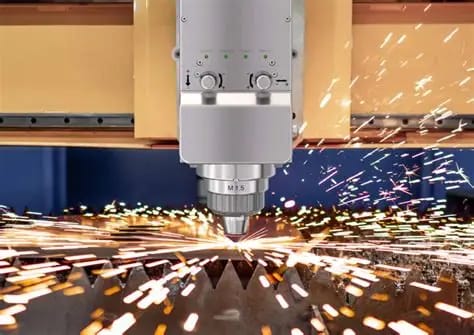
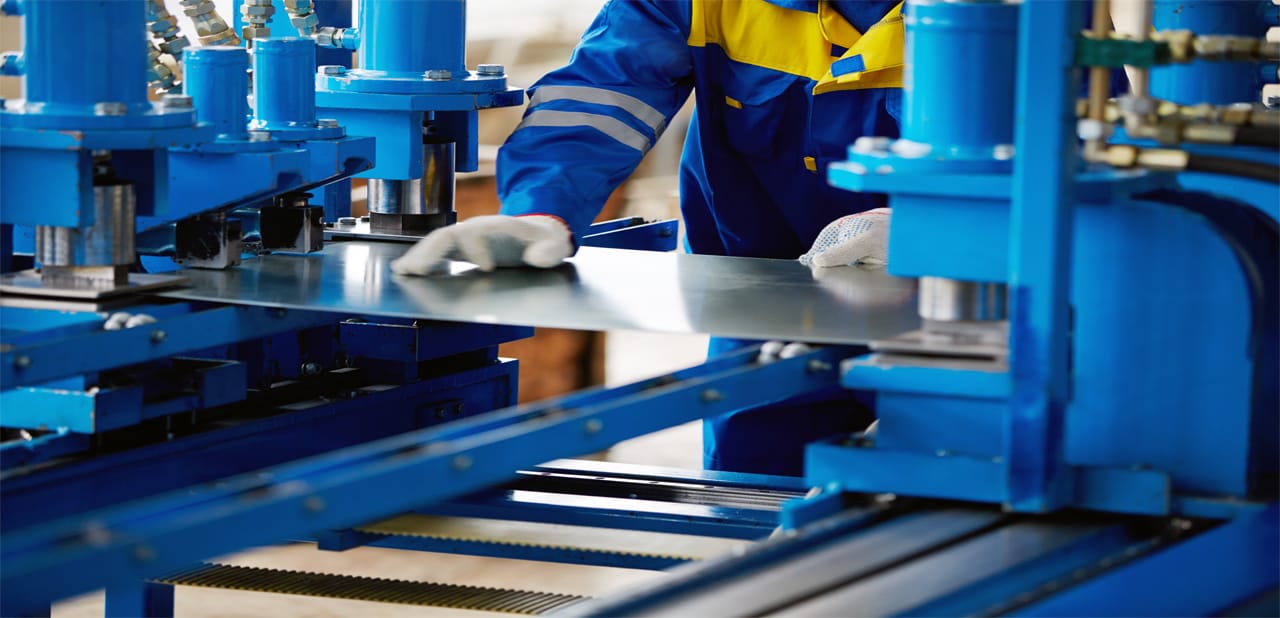
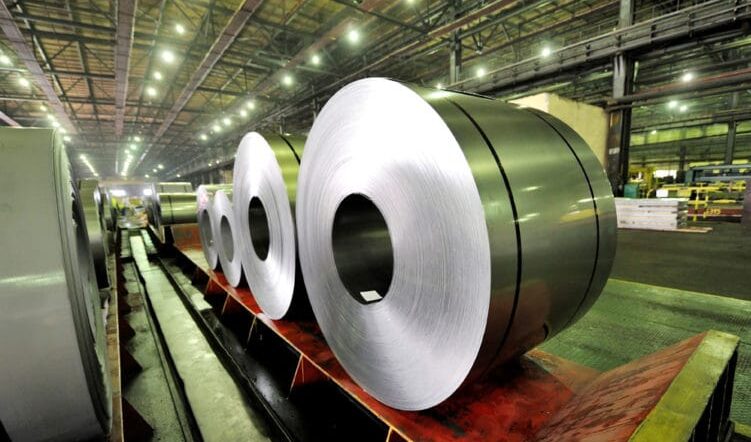
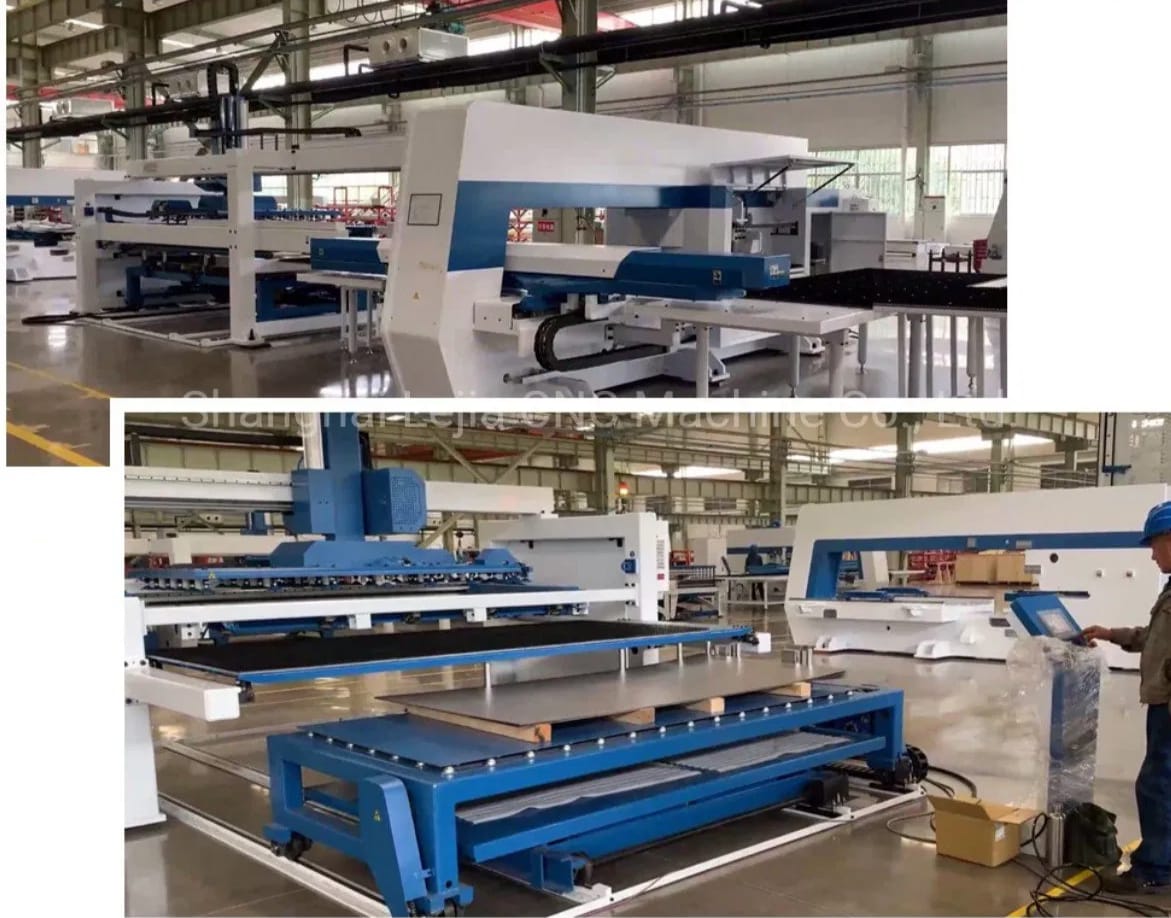
Explore our precision-engineered structural racking products manufactured with certified high-yield steel coils, CNC punching tolerances, and advanced automated finishing lines.
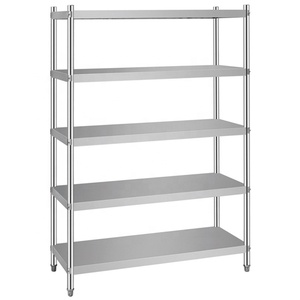
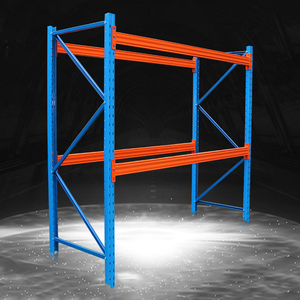
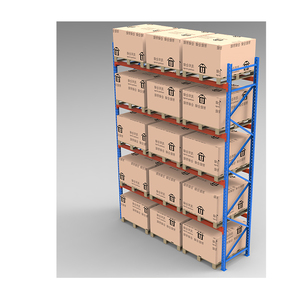
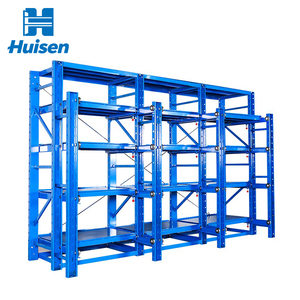
Industrial liquid container warehousing presents unique mechanical, chemical, and occupational safety challenges compared to conventional static pallet storage. When handling standard 55-gallon (205-liter) steel and polyethylene drums, or intermediate bulk containers (IBCs), logistics planners face the dynamic physics of liquid sloshing, localized point loads on rack beam flanges, and catastrophic environmental spill liability. Sourcing from a premier Chinese manufacturer with dedicated roll-forming, automatic punching, and robotic welding capabilities ensures compliance with ANSI MH16.1, EN 15512, and international OSHA 1910.106 flammables and combustibles standards.
Modern industrial plants, chemical processors, and distribution depots categorize drum racking into three core functional topologies:
1. Horizontal Drum Cradle & Dispensing Racks: Designed primarily for gravity dispensing, decanting, and continuous tapping of oils, lubricants, and chemical reagents. Drums rest horizontally upon engineered steel cradles or cradle adapters mounted directly onto heavy-duty box beams. Integrated front drip pans and tilt angles ensure maximum drainage efficiency with minimum residual dead volume.
2. Vertical Palletized Drum Racking with Drop-Over Gratings: Drums remain oriented vertically upon specialized 4-drum containment pallets or standard timber/plastic pallets. Heavy-duty galvanized steel (GI) mesh or grating panels are inserted within the rack step-beams to support the uneven point loads of drum feet and provide accidental drop-through prevention in seismic loading events.
3. Bunded Secondary Spill Containment Racks: For hazardous, corrosive, or flammable liquid inventories regulated under EPA 40 CFR 264.175 and European environmental safety codes. Each rack tier or the bottom footprint is integrated with a liquid-tight, continuously welded steel sump basin coated in chemically inert thermoset epoxy or hot-dip galvanization, offering minimum containment volume equal to 100% of the largest single drum or 10% of total volume stored.
| System Architecture | Primary Fluid Type | Vessel Format | Typical Load / Bay | Containment Standard |
|---|---|---|---|---|
| Horizontal Cradle Multi-Tier | Lubricants, Solvents, Cutting Oils | 55-Gal Steel Tight-Head | 1,200 kg – 3,600 kg | Modular Sump Basin or Drip Tray |
| Vertical Beam-Supported Deck | Paints, Adhesives, Petrochemicals | 55-Gal Poly & Steel Drums | 2,000 kg – 4,500 kg | Integrated Lower Spill Reservoir |
| IBC Tote & Drum Hybrid Rack | Bulk Reagents, Acidic Formulations | 1,000L IBC + 55-Gal Drums | 3,000 kg – 6,000 kg | Heavy Gauge Sump Basin (1,100L+) |
| Automated AS/RS Drum Stacker | High-Throughput Chemical Raw Goods | Standardized Steel Drums | Custom Dynamic Rating | Facility-Level Drainage Trenching |
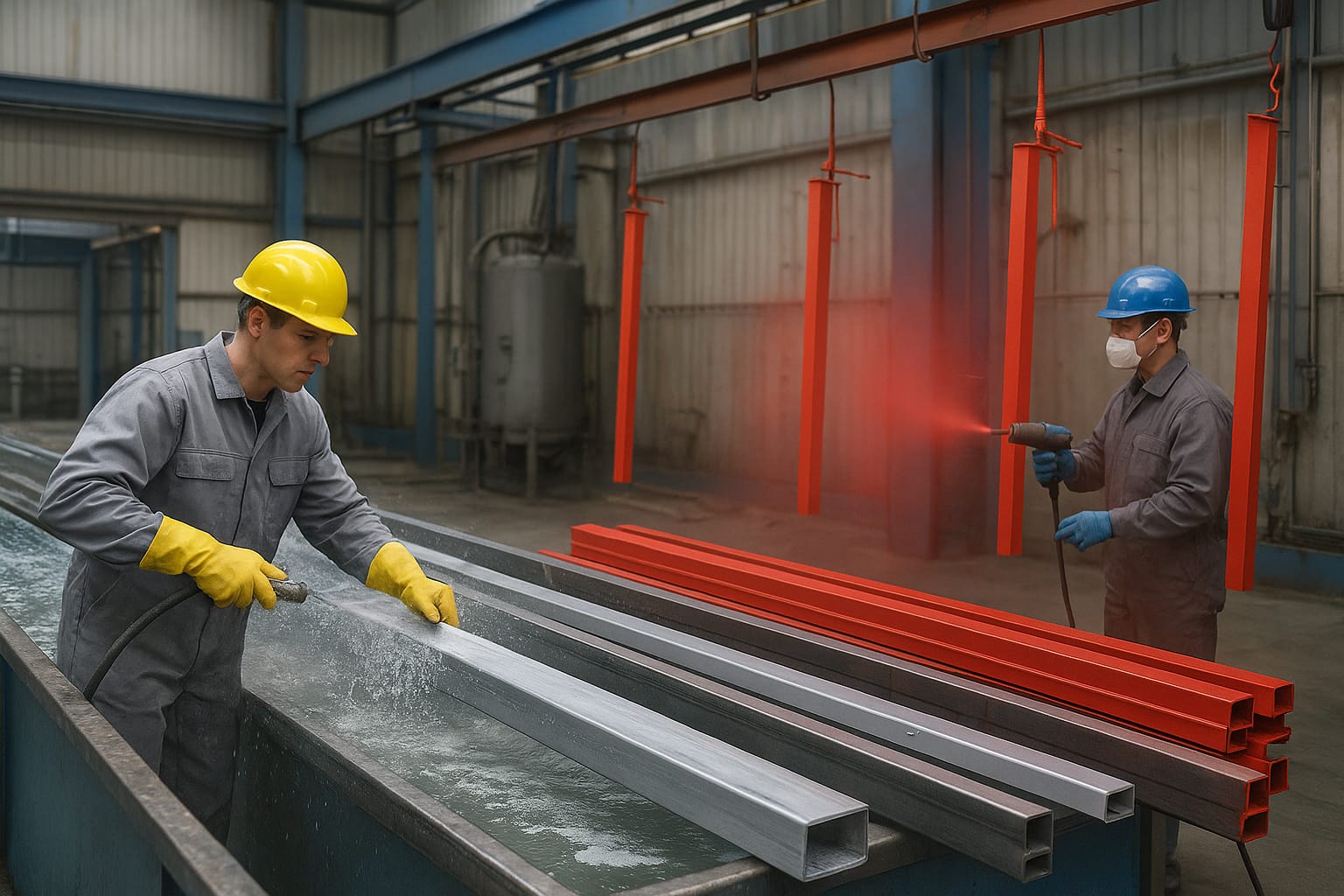
Corrosive chemical atmospheres rapidly degrade substandard cold-rolled profiles. Our manufacturing complex utilizes prime quality continuous steel coils that undergo robotic punching, high-precision roll forming, and automated multi-stage pre-treatment. This includes alkaline de-greasing, zinc phosphating, and electrostatic powder coating cured at 200°C. For outdoor petroleum depots or marine environments, hot-dip galvanization according to ISO 1461 provides coating thicknesses exceeding 85 microns, yielding an operational lifespan of over 25 years without maintenance.
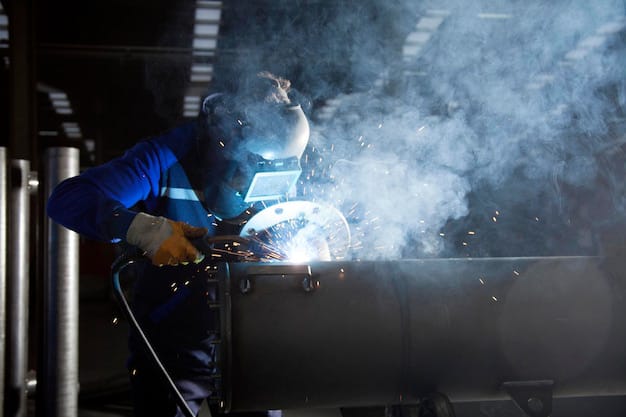
Operating complete end-to-end production lines—from raw material coil slitting to automated roll forming, robotic welding, and powder coating under one unified quality management umbrella.
Every drum rack project undergoes Finite Element Analysis (FEA) to verify upright buckling resistance, beam deflection ratios under L/200 criteria, and seismic zone lateral stability before metal is cut.
Continuous CNC roll-forming lines punch consistent 50mm/75mm upright pitch profiles with zero burr tolerances, ensuring seamless beam connector locking and high operational repeatability.
Certified liquid-tight sump welding with 100% dye penetrant leak testing. Guaranteed compliance with EPA 40 CFR 264.175 and NFPA 30 codes for regulated hazardous liquid stockpiling.

Anticipate regulatory shifts, automation demands, and green compliance standards influencing international chemical and industrial logistics procurement.
Modern drum racks increasingly integrate wireless chemical sensors inside sump basins that trigger immediate alarms before volatile organic compounds (VOCs) or toxic fluids breach secondary containment.
To eliminate manual forklift strikes in high-throughput chemical plants, warehouses are transitioning to automated high-bay crane systems with specialized hydraulic drum grippers and laser positioning.
Procurement teams prioritizing ESG are stipulating ultra-low carbon steel sources, chromium-free pre-treatments, and lead-free architectural powder coatings that fulfill strict EU REACH and RoHS mandates.
With major chemical distribution hubs expanding in active seismic regions across the Middle East, Southeast Asia, and the Americas, rack designs incorporate energy-dissipating base dampeners.
Straightforward technical guidance addressing load calculations, hazardous fluid regulations, container shipping volumes, and custom fabrication parameters.
Standard pallet racks assume uniformly distributed loads across a wooden or plastic pallet deck. Drum storage racks must support heavy, concentrated line-contact loads from cylindrical rims. They incorporate welded drum cradles, curved locating saddles, or drop-in galvanized bar grating to prevent point-load beam flange distortion and ensure drums cannot shift or roll under impact.
Under EPA 40 CFR 264.175, secondary containment systems must hold a minimum of 10% of the total volume of all liquid containers stored, or 100% of the capacity of the largest single container, whichever is greater. For example, a 4-drum storage bay holding 55-gallon drums requires at least a 55-gallon (approx. 210 liter) liquid-tight sump capacity.
Yes, provided the cradle geometry is properly engineered. Polyethylene (HDPE) drums exhibit higher elasticity and tend to deform or creep over time under sustained horizontal point loads. Our factory fabricates wider curved contour saddles and dual-support belly cradles specifically designed to distribute circumferential pressure evenly on poly vessels.
Upright frames are bundled with protective corrugated paper and heavy-duty strapping, with protective corner blocks preventing transit abrasion. Beams, cradles, and spill basins are palletized with moisture-resistant PE stretch film and steel edge guards. Hardware and fasteners are packed in reinforced wooden export crates with full packing lists for rapid on-site tally.
We supply Q235B and Q355B hot-rolled strip steel manufactured in compliance with GB/T 700 and GB/T 1591, which correlate with European S235JR and S355JR / ASTM A36. Every production batch is issued with an EN 10204 3.1 Mill Test Certificate validating chemical composition, yield strength, tensile elongation, and Charpy V-notch impact values.
Standard catalog configurations (such as standard selective drum cradles and pallet rack accessories) generally ship within 14 to 21 working days after drawing approval. Custom-dimensioned systems with integrated sump reservoirs or hot-dip galvanized finishes typically require 25 to 30 working days from deposit confirmation to sea container loading.